Amputation: Understanding Causes, Types, and Recovery
Comprehensive guide to amputation: causes, surgical types, rehabilitation, and quality of life restoration.
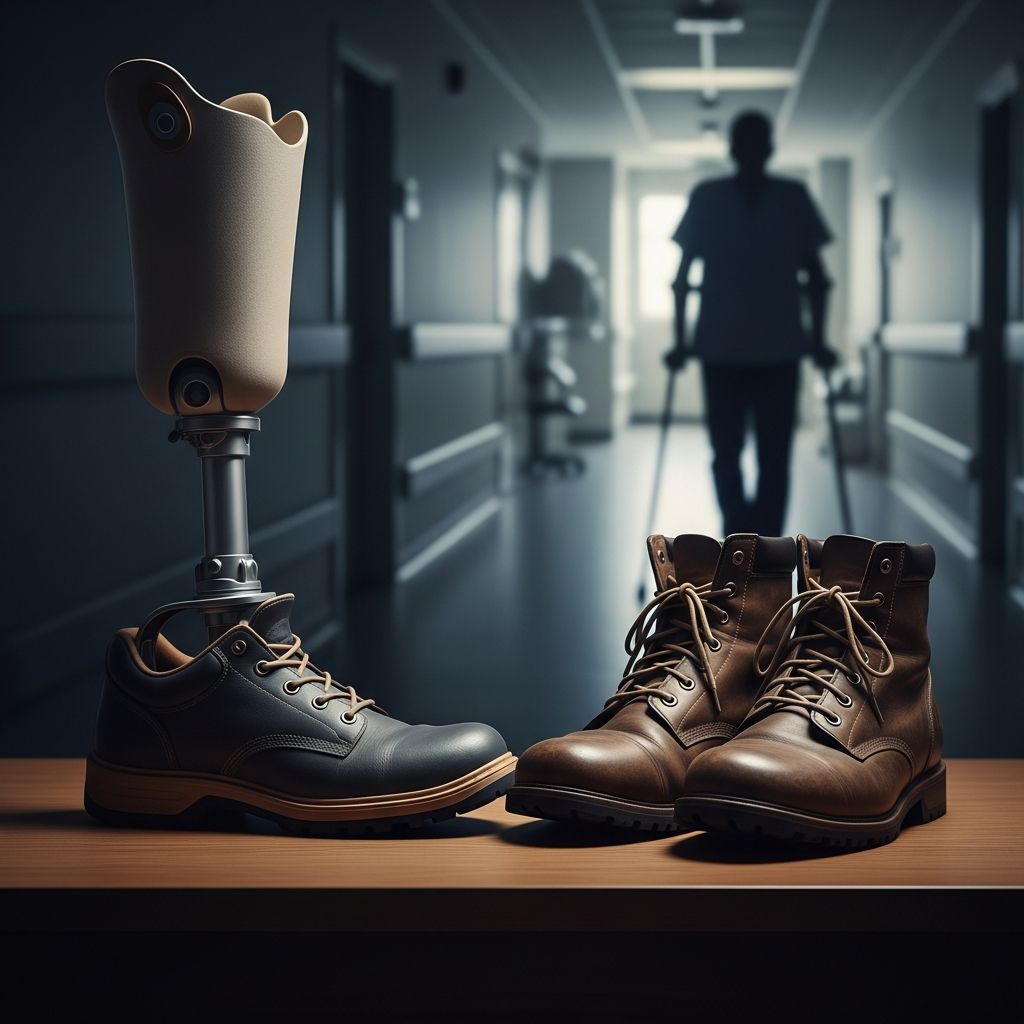
Amputation represents the surgical removal of all or part of an extremity, including the leg, foot, toe, arm, finger, or other body outgrowths. This life-altering procedure significantly impacts patients and their families, requiring comprehensive medical, physical, and psychological support. Understanding the types of amputation, underlying causes, and multidisciplinary rehabilitation approaches is essential for optimizing patient outcomes and restoring quality of life.
What is Amputation?
Amputation is a surgical procedure that removes a portion of or an entire limb. The decision to amputate typically occurs when a limb is unsalvageable due to severe injury, disease, or infection. The procedure may involve removing one or multiple digits, portions of the foot or leg, or an entire upper or lower extremity. This surgical intervention, while life-changing, often provides relief from severe pain and infection while enabling rehabilitation and restoration of function through various therapeutic interventions and assistive devices.
Types of Amputation
Amputations are classified based on the anatomical level of removal and the underlying conditions requiring the procedure.
Lower Extremity Amputation Classification
Minor Lower Extremity Amputation (LEA) involves removal of individual toes, rays, or portions of the forefoot and midfoot. These include transmetatarsal and midfoot amputations, which preserve greater functional capacity and maintain better balance and mobility compared to major procedures.
Major Lower Extremity Amputation (LEA) involves more extensive removal of limb tissue. Below-knee-transtibial amputation (BKA) removes the lower leg distal to the tibial tuberosity, while above-knee-amputation (AKA) extends through the femur, including supracondylar, midthigh, or high thigh levels. Major amputations require more extensive rehabilitation and prosthetic adaptation.
Surgical Classification Types
Guillotine Amputation represents an open amputation procedure used in emergency situations involving uncontrolled pedal sepsis. This technique utilizes a circular incision down to the bone, allowing rapid removal of the septic focus and direct examination of bone and muscle compartments for infection extension.
Auto-amputation occurs when dry gangrene is allowed to demarcate naturally without surgical intervention, proceeding to amputation through the body’s natural processes.
Causes and Indications for Amputation
Multiple medical conditions and circumstances necessitate amputation as a treatment option. The most common indications include vascular disease, diabetes-related complications, severe infections, traumatic injuries, tumors, and congenital abnormalities. Peripheral arterial disease and diabetic complications represent the leading causes of amputation in developed nations, while traumatic injuries account for higher amputation rates in younger populations.
Severe infections that progress to gangrene, uncontrolled osteomyelitis, or sepsis may require urgent amputation to prevent life-threatening complications. Traumatic injuries involving severe crush injuries, burns, or explosions that render limbs non-functional or pose ongoing health risks constitute emergency indications for amputation. Malignant tumors and cancers affecting limb tissues may necessitate amputation to achieve complete tumor removal and prevent metastatic spread.
Preoperative Planning and Assessment
Successful amputation outcomes depend significantly on comprehensive preoperative evaluation and planning. A multidisciplinary team assesses medical, physical, and psychosocial factors that correlate with post-amputation outcomes. This team-based approach ensures patient-centered care through shared decision-making, with various specialists evaluating the patient’s overall health status, functional capacity, psychological readiness, and rehabilitation potential.
Related Stories



Vascular assessment determines tissue perfusion and the optimal amputation level to maximize healing and functional prosthetic fitting. Cardiovascular evaluation ensures the patient can tolerate surgery and participate in rehabilitation. Nutritional status assessment confirms adequate resources for wound healing and recovery. Pain management planning addresses both acute surgical pain and potential phantom limb pain. Psychological evaluation identifies patients at risk for adjustment difficulties and establishes baseline mental health status before surgery.
The Multidisciplinary Amputation Team
Comprehensive amputation care requires a coordinated multidisciplinary team approach, with each member providing specialized expertise. This collaborative model ensures that all aspects of patient care—medical, surgical, rehabilitative, psychological, and social—are addressed systematically from preoperative planning through lifelong follow-up care.
Team Composition and Roles
The surgical team includes orthopedic surgeons, vascular surgeons, and anesthesiologists who determine surgical approach and technical execution. Physiatrists (rehabilitation medicine specialists) oversee functional restoration and rehabilitation planning. Physical therapists design exercise programs, manage pain, and facilitate prosthetic training. Occupational therapists address activities of daily living, adaptive equipment, and return-to-work strategies.
Mental health professionals, including psychiatrists, psychologists, and social workers, provide essential psychological support and help patients develop adaptive coping mechanisms. Nurses coordinate care, provide patient education, and monitor for complications. Prosthetists design and fit prosthetic devices customized to individual patient needs and functional goals. Nutritionists optimize wound healing through appropriate dietary interventions. Vocational counselors assist patients in workforce reentry and career adaptation.
Surgical Technique and Amputation Level Determination
Determining the appropriate amputation level represents a critical decision affecting rehabilitation potential and functional outcomes. Surgeons consider vascular adequacy, soft tissue availability for closure, residual limb length optimization, and functional requirements when selecting amputation levels. The goal is to preserve maximum functional length while ensuring adequate wound healing and preventing complications.
Proper surgical technique emphasizes careful muscle and nerve handling to minimize complications. Muscle flaps are carefully crafted to provide adequate soft tissue coverage and create stable residual limbs suitable for prosthetic fitting. Nerves are managed to minimize neuroma formation and phantom pain. Bone is carefully beveled and smoothed to prevent skin irritation and breakdown during prosthetic use. Vascular and lymphatic structures are carefully ligated to prevent bleeding and lymphedema complications.
Rehabilitation and Recovery Process
Amputation rehabilitation begins immediately following surgery and continues throughout the patient’s lifetime. Comprehensive rehabilitation addresses physical restoration, psychological adaptation, and social reintegration through coordinated multidisciplinary interventions.
Immediate Postoperative Stage
During the immediate postoperative period, aggressive pain management receives priority attention, as 23% of amputation patients report the most severe pain within hours to days of amputation. Rapid pain relief positively influences recovery trajectories and facilitates early mobilization. Pain management combines pharmacological approaches with psychological interventions and physical modalities to optimize comfort and function.
Psychological reactions including anxiety and fear commonly emerge during this stage due to concerns about safety, pain, infection, or complications. Mental health professionals normalize these emotional responses and establish supportive relationships facilitating positive adaptation. Early psychological intervention minimizes distress during the acute phase and establishes foundations for long-term adjustment.
Mid-Term and Long-Term Rehabilitation
Cognitive behavioral therapy (CBT) helps patients modify maladaptive thinking patterns and emotional difficulties related to body image changes and functional losses. CBT interventions including psychoeducation, Socratic questioning, and cognitive restructuring expand perspectives and increase cognitive flexibility. These approaches effectively counter cognitive distortions common in amputation patients, such as all-or-none thinking and catastrophizing.
Acceptance and Commitment Therapy (ACT) increases psychological flexibility and adaptation during rehabilitation by emphasizing mindfulness strategies and acceptance of experiences without judgment. ACT proves particularly effective for patients experiencing phantom limb pain or residual limb pain, as evidence supports its therapeutic efficacy for chronic pain conditions.
Mindfulness meditation and relaxation training help patients manage pain, anxiety, and stress while developing greater emotional resilience. Group psychotherapy conducted through various modalities—including face-to-face, telephone, and email formats—addresses psychoeducation, problem-solving, and communication while providing peer support. Peer groups supply practical information about prosthesis use, relationship changes, and vocational retraining, promoting positive adaptation for patients and families.
Prosthetic Management and Assistive Devices
Prosthetic devices represent essential tools enabling functional restoration and independence following amputation. Prosthetists work collaboratively with rehabilitation teams to design customized prosthetics addressing individual patient needs, activity levels, and functional goals. Modern prosthetic technology includes microprocessor-controlled knees, advanced foot designs, and socket innovations improving comfort, stability, and mobility.
The prosthetic fitting process begins after adequate residual limb healing and conditioning. Progressive weight-bearing activities gradually prepare the residual limb for prosthetic use. Prosthetic training programs teach patients proper device application, weight transfer techniques, gait patterns, and maintenance procedures. Advanced prosthetics incorporating robotics and artificial intelligence increasingly enable near-normal gait patterns and improved functional capacity.
Psychological Support and Mental Health Considerations
Amputation significantly impacts psychological well-being, body image, and quality of life, necessitating comprehensive mental health support. Psychological interventions beginning as early as possible minimize distress throughout amputation and rehabilitation processes. Mental health professionals normalize patients’ emotions and experiences while promoting psychological adaptation through evidence-based therapeutic approaches.
Mental health professionals help patients establish realistic goals and develop adaptive coping strategies accommodating changed physical capabilities. They promote communication and collaboration within multidisciplinary teams, ensuring cohesive patient-centered care. Short-term psychotherapy addresses immediate psychological reactions and crisis responses. Cognitive behavioral therapy modifies maladaptive thought patterns and improves adaptation throughout rehabilitation.
Phantom limb pain and residual limb pain frequently accompany amputation, often responding to psychological interventions including relaxation training, biofeedback, and acceptance-based approaches. Depression and anxiety disorders may develop following amputation, requiring appropriate psychiatric intervention. Social support systems assessment identifies resources while revealing gaps requiring intervention or community referrals.
Complications and Lifelong Care
Amputation patients face increased risk for re-amputation and secondary disabling conditions requiring lifelong monitoring. Vascular disease progression may necessitate higher-level amputation in subsequent years. Contralateral limb disease may eventually require amputation of the opposite extremity. Residual limb complications including skin breakdown, neuroma pain, and infection require ongoing management and preventive care.
Cardiovascular disease, stroke, and other comorbidity complications may develop or progress following amputation. Regular monitoring by the amputation team identifies complications early, enabling prompt intervention. Prosthetic maintenance ensures continued device functionality and comfort. Periodic prosthetic adjustments accommodate residual limb volume changes and address emerging comfort or functional issues.
Quality of Life and Functional Outcomes
With comprehensive multidisciplinary care and appropriate rehabilitation, many amputation patients achieve excellent functional outcomes and quality of life restoration. Modern prosthetic technology enables participation in sports, recreational activities, and vocational pursuits. Psychological support facilitates healthy adaptation and integration into family, social, and professional communities.
Functional capacity varies based on amputation level, patient age, overall health status, motivation, and support systems. Below-knee amputees typically achieve superior functional outcomes compared to above-knee amputees. Bilateral amputees face greater challenges but frequently achieve independent mobility through advanced prosthetics and assistive technology. Upper extremity amputees benefit from sophisticated prosthetic hands enabling fine motor control and improved functional independence.
Frequently Asked Questions
Q: What is the recovery timeline following amputation?
A: Initial surgical recovery typically requires 2-4 weeks before prosthetic fitting begins. Comprehensive rehabilitation continues for 3-6 months, though adaptation and functional improvement may continue for years. Lifelong follow-up care monitors complications and optimizes functional capacity.
Q: What factors determine amputation success?
A: Success depends on appropriate surgical technique, adequate wound healing, multidisciplinary rehabilitation, psychological adaptation, prosthetic fitting quality, patient motivation, and comprehensive lifelong care monitoring complications.
Q: Can amputation patients return to work?
A: Yes, many amputation patients successfully return to employment with appropriate accommodations, prosthetic devices, and vocational training. Return-to-work capability depends on amputation level, job requirements, and individual functional capacity.
Q: What causes phantom limb pain?
A: Phantom limb pain results from nervous system adaptation following amputation, with nerve endings continuing to send pain signals to the brain. Psychological, physical, and pharmacological interventions effectively manage phantom pain in most patients.
Q: How does psychological support improve amputation outcomes?
A: Mental health professionals normalize emotional responses, establish adaptive coping mechanisms, treat depression and anxiety, manage phantom pain, and facilitate social reintegration, significantly improving rehabilitation engagement and functional outcomes.
References
- Psychiatric understanding and treatment of patients with amputations — National Center for Biotechnology Information (NCBI). 2021. https://pmc.ncbi.nlm.nih.gov/articles/PMC8225497/
- Multidisciplinary Amputation Team Management of Individuals with Limb Loss — Johns Hopkins University. 2020. https://pure.johnshopkins.edu/en/publications/multidisciplinary-amputation-team-management-of-individuals-with-/
- Amputations — Johns Hopkins Diabetes Guide, The Johns Hopkins University. 2020. https://www.hopkinsguides.com/hopkins/view/Johns_Hopkins_Diabetes_Guide/547006/all/Amputations
Similar Articles








Read full bio of Sneha Tete