Amylase Test: Purpose, Procedure & Results
Comprehensive guide to amylase blood and urine tests for pancreas health.
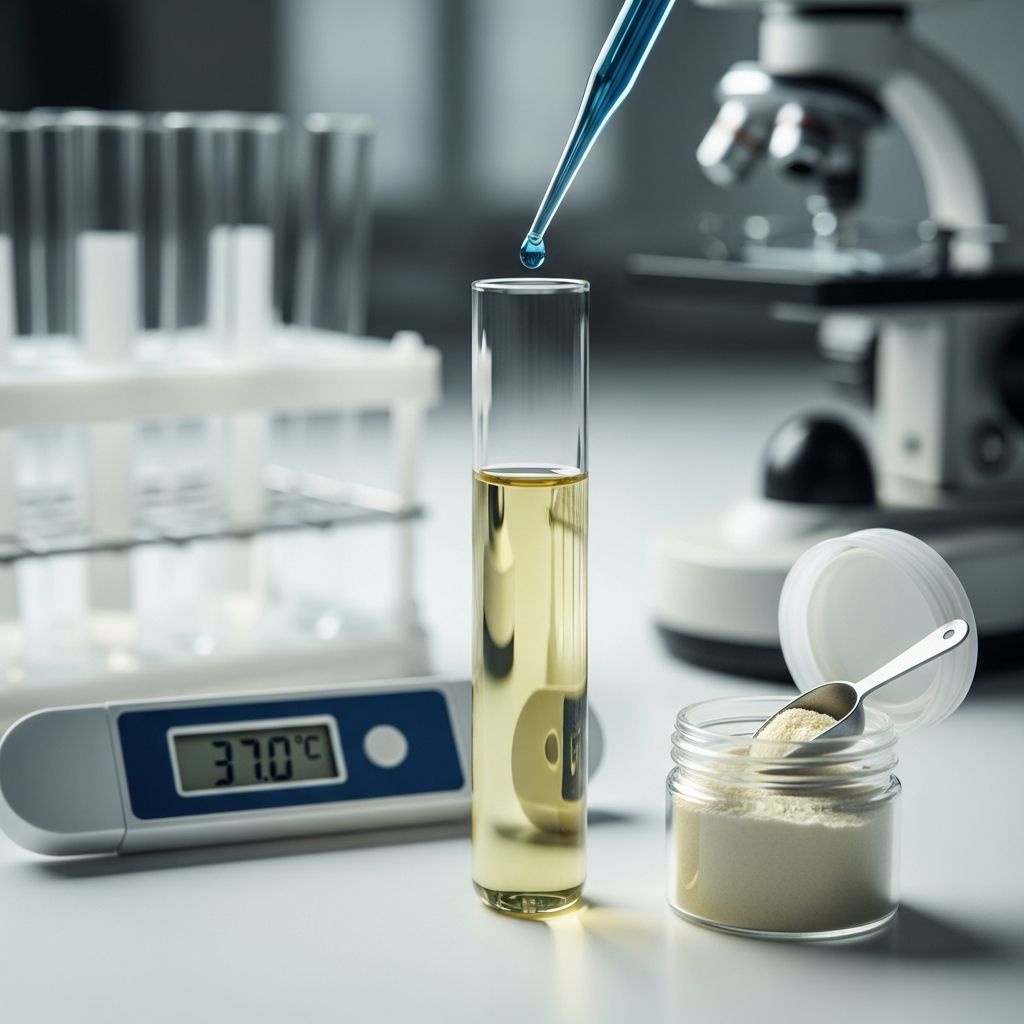
Amylase Test: Understanding Your Pancreatic Health
An amylase test measures the amount of amylase enzyme in your blood or urine. Amylase is a digestive enzyme produced primarily by your pancreas and salivary glands that helps break down starches into sugars during digestion. When your pancreas or salivary glands become damaged or inflamed, amylase levels in your bloodstream and urine may increase significantly. This test is a critical diagnostic tool that helps healthcare providers identify pancreatic conditions and monitor ongoing treatment.
What is an Amylase Test?
An amylase test is a laboratory examination that quantifies the concentration of the enzyme amylase in your biological fluids. The pancreas produces most of your body’s amylase, with smaller amounts coming from your salivary glands. This enzyme plays a vital role in your digestive system by breaking down complex carbohydrates into simple sugars that your body can absorb. When pancreatic tissue is damaged or your pancreas becomes inflamed, amylase is released into your bloodstream in elevated amounts, making the test a valuable indicator of pancreatic health.
Why Your Doctor Might Order an Amylase Test
Healthcare providers order amylase tests for several important clinical reasons, primarily to evaluate pancreatic function and diagnose specific conditions.
Primary Uses of Amylase Testing
The main purpose of amylase testing is to diagnose problems with your pancreas, particularly acute pancreatitis, which is the sudden inflammation of the pancreas. The test is also used to monitor chronic pancreatitis, a long-term inflammatory condition of the pancreas. Additionally, amylase testing may help diagnose or monitor salivary gland disorders and certain digestive conditions that can affect amylase levels in your body.
When elevated amylase levels are detected in your blood, it typically indicates pancreatic or salivary gland damage. Your healthcare provider may order this test if you experience sudden severe abdominal pain, persistent nausea and vomiting, or other symptoms suggesting pancreatic inflammation.
How the Amylase Test is Performed
The amylase test involves collecting either a blood sample, a urine sample, or both, depending on your clinical situation and your doctor’s recommendations.
Blood Amylase Test
For a blood amylase test, a healthcare professional will draw a small sample of blood from a vein in your arm, usually at an outpatient laboratory or medical clinic. The blood is collected into a sterile tube and sent to the laboratory for analysis. Changes in amylase levels show up in blood before they appear in urine, making the blood test the preferred initial screening method. The procedure is quick and typically causes minimal discomfort, with only mild bruising at the puncture site.
Urine Amylase Test
For a urine amylase test, you will be asked to collect a urine sample. In some cases, your provider may request that you collect all your urine during a 24-hour period, as the amount of amylase in urine can vary throughout the day. Collecting urine from an entire day provides more accurate information about your amylase levels. For a 24-hour urine test, you will be given a container and specific written instructions on how to collect your sample at home. It’s important to follow all instructions carefully to ensure accurate results. When returning the sample, you should put the cap securely on the container and return it as instructed by your healthcare provider.
Related Stories



Special Considerations
If you have hemorrhoids that bleed or are having your menstrual period, inform your provider before your test, as these factors could potentially affect your results.
Preparation for Your Amylase Test
The amylase test requires minimal preparation on your part. In most cases, no fasting is required before a blood amylase test, so you can eat and drink normally beforehand. However, you should always follow any specific instructions your healthcare provider gives you, as individual circumstances may vary. Wear comfortable clothing with sleeves that can be rolled up easily to facilitate blood collection. Inform your healthcare provider about any medications you are currently taking, as some medications may affect amylase levels. Stay hydrated before your appointment, as this can make blood collection easier.
Understanding Your Amylase Test Results
Interpreting amylase test results requires understanding what normal, elevated, and low levels indicate about your health.
High Amylase Levels
Elevated amylase levels in your blood or urine can indicate several conditions affecting the pancreas or salivary glands. High levels typically suggest acute pancreatitis, which is inflammation of the pancreas occurring suddenly. Other conditions that may cause elevated amylase include a blocked intestine and lack of blood flow to the intestines. In the context of suspected acute pancreatitis, diagnostic thresholds typically use amylase levels three times the upper limit of normal as a significant indicator of disease. When amylase levels are elevated, your doctor may recommend additional testing or imaging to confirm the diagnosis and determine the underlying cause.
Low Amylase Levels
Low levels of amylase in blood or urine are uncommon but may indicate certain chronic conditions. Low amylase can be a sign of chronic pancreatitis that has caused permanent damage to the cells that produce amylase. Other conditions associated with low amylase include kidney disease, cystic fibrosis, liver disease, and pre-eclampsia, a type of high blood pressure that occurs during pregnancy. If your results show low amylase levels, your healthcare provider will work with you to determine the underlying cause and appropriate management strategy.
Normal Results
Normal amylase levels suggest that your pancreas and salivary glands are functioning properly. However, it’s important to recognize that amylase levels can vary based on age, sex, and laboratory reference ranges. Your healthcare provider will interpret your specific results in the context of your symptoms and medical history.
Amylase vs. Lipase Testing
When evaluating pancreatic function, healthcare providers sometimes order both amylase and lipase tests. However, clinical research and professional guidelines indicate important differences in their diagnostic value.
Serum lipase alone is preferred for diagnosing acute pancreatitis because it is more sensitive than serum amylase, just as specific, rises more quickly, and remains elevated longer. Studies have demonstrated that lipase had a sensitivity of 91% compared to 62% for amylase in diagnosing acute pancreatitis, while specificity was similar between the two tests. Additional research reviewing 1,825 patients with acute pancreatitis similarly concluded that pancreatic lipase is a more accurate biomarker of acute pancreatitis than serum amylase.
The American College of Gastroenterology practice guidelines suggest that measuring both serum amylase and serum lipase is not necessary for diagnosis of acute pancreatitis. Concurrent use of amylase and lipase testing can result in unnecessary expenses and may negatively affect patient care by leading to additional tests and prolonged hospitalization. For this reason, many healthcare institutions are moving toward ordering lipase alone as the first-line laboratory investigation for suspected acute pancreatitis.
Conditions Detected by Amylase Testing
The amylase test helps diagnose and monitor several important medical conditions affecting the pancreas and digestive system.
Pancreatitis
Pancreatitis, or inflammation of the pancreas, is the primary condition for which amylase testing is ordered. Acute pancreatitis develops suddenly and causes severe abdominal pain, while chronic pancreatitis develops gradually over time. The amylase test helps confirm diagnosis and monitor treatment progression in both forms of the disease.
Salivary Gland Disorders
Since salivary glands produce amylase, conditions affecting these glands can elevate amylase levels. These may include infections, inflammatory conditions, or obstruction of salivary ducts.
Digestive Disorders
Certain digestive conditions that affect amylase production or release may be detected through amylase testing, helping your healthcare provider develop an appropriate treatment plan.
What Happens After Your Test
After your amylase test is completed, the laboratory processes your sample and provides results to your healthcare provider. Your doctor will review the findings in the context of your symptoms, medical history, and any other diagnostic tests. If your results are abnormal, your healthcare provider may recommend additional testing or imaging studies to confirm a diagnosis and determine the best course of treatment. In some cases, follow-up amylase tests may be ordered to monitor your condition over time or to assess your response to treatment.
Risks and Considerations
The amylase test is generally safe with minimal risks. For blood tests, the main risk involves minor discomfort, bruising, or infection at the puncture site, which is extremely rare when performed by experienced healthcare professionals. For urine tests, there are essentially no risks associated with the procedure. If you have concerns about your ability to tolerate the test or have specific health conditions, discuss these with your healthcare provider beforehand.
When to Discuss Results with Your Doctor
To learn more about your results and what they mean for your health, talk with your provider. Your healthcare professional can explain whether your amylase levels are within normal range, what abnormal results might indicate, and what steps to take next. Don’t hesitate to ask questions about your test results or request clarification about any recommendations your doctor makes based on the findings.
Frequently Asked Questions About Amylase Testing
Q: What does elevated amylase mean?
A: Elevated amylase typically indicates pancreatic inflammation (pancreatitis) or salivary gland problems. Your doctor will interpret results based on how much elevation is present and your symptoms.
Q: Can I eat before an amylase blood test?
A: Yes, in most cases no fasting is required for an amylase blood test. However, follow any specific instructions your healthcare provider gives you.
Q: How long do amylase results take?
A: Laboratory results are typically available within 24 hours. Your healthcare provider will contact you with results and schedule a follow-up appointment if needed.
Q: Is amylase testing painful?
A: Blood collection causes minimal discomfort, similar to other blood tests. Urine testing is completely painless.
Q: Why would my doctor order both amylase and lipase tests?
A: While guidelines recommend lipase alone for pancreatitis diagnosis, some providers may order both tests. Discuss with your doctor if you have questions about the necessity of concurrent testing.
Q: Can medications affect amylase levels?
A: Yes, certain medications can affect amylase levels. Inform your healthcare provider about all medications you take before your test.
Q: What should I do if my amylase levels are low?
A: Low amylase is uncommon but may indicate chronic pancreatitis or other conditions. Your doctor will evaluate your symptoms and medical history to determine next steps.
References
- Measuring both serum amylase and lipase for acute pancreatitis: An unnecessary expense for hospitals — Cleveland Clinic Journal of Medicine. 2017. https://www.ccjm.org/content/84/9/670
- The Prevalence of Simultaneously Ordering Amylase and Lipase for Pancreatitis Diagnostic Tests — PubMed Central, National Center for Biotechnology Information. 2023. https://pmc.ncbi.nlm.nih.gov/articles/PMC10551519/
- Amylase Test — MedlinePlus Medical Test, U.S. National Library of Medicine. 2024. https://medlineplus.gov/lab-tests/amylase-test/
- Pancreas Blood Tests: Types, Prep, Procedure & Results — Cleveland Clinic. https://my.clevelandclinic.org/health/diagnostics/23476-pancreas-blood-test
Similar Articles








Read full bio of medha deb