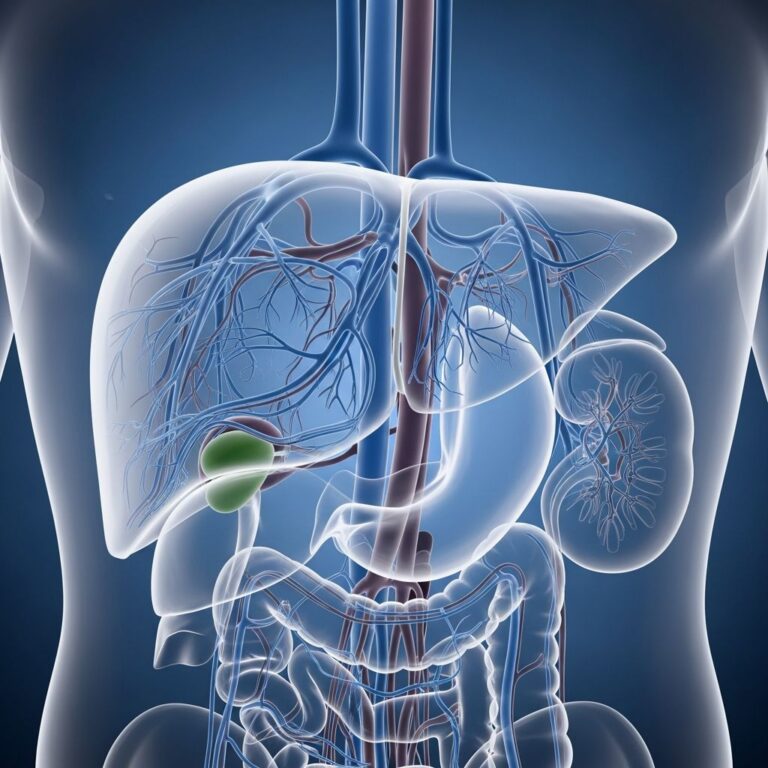
Amyloidosis: Understanding Causes, Symptoms, and Treatment
Comprehensive guide to amyloidosis: learn about causes, symptoms, diagnosis, and treatment options.

Understanding Amyloidosis
Amyloidosis is a serious and complex medical condition characterized by the abnormal accumulation of abnormal proteins called amyloid in various tissues and organs throughout the body. When these misfolded proteins deposit in organs, they interfere with normal function and can lead to life-threatening organ failure. This rare disease occurs when the body produces abnormal proteins that the immune system cannot break down effectively, causing them to accumulate and form harmful deposits. Amyloidosis represents a group of diseases rather than a single condition, with multiple types affecting different populations and requiring distinct treatment approaches.
What Causes Amyloidosis?
Amyloidosis develops through several different mechanisms, depending on the specific type of disease. The most common form, AL amyloidosis (amyloid light-chain amyloidosis), occurs when bone marrow produces abnormal antibodies that cannot be broken down by the body’s natural processes. These misfolded immunoglobulin light chains produced by malignant plasma cells aggregate and form insoluble fibrillar deposits that accumulate in vital organs.
In some cases, amyloidosis can develop without any identifiable cause, referred to as primary amyloidosis. In other instances, it may arise as a secondary condition resulting from another underlying disease, such as multiple myeloma or chronic inflammation. Additionally, certain types of amyloidosis are inherited genetically, meaning they run in families and are passed down through generations. Patients with chronic inflammatory conditions or those undergoing long-term dialysis face significantly elevated risk of developing amyloidosis, as do men compared to women.
Types of Amyloidosis
Several distinct types of amyloidosis exist, each with different causes and treatment considerations:
AL Amyloidosis: The most prevalent form, AL amyloidosis involves misfolded light chains from abnormal plasma cells. It was previously called primary amyloidosis and shows strong association with multiple myeloma. This type can affect multiple organs including the kidneys, heart, liver, intestines, and nervous system.
AA Amyloidosis: Also known as secondary amyloidosis, this type develops as a consequence of chronic inflammatory conditions or infections. Treatment focuses on addressing the underlying inflammatory disorder.
Hereditary Amyloidosis: This type is genetically inherited and passed through family lines. It often involves transthyretin (TTR) protein mutations and may affect the nervous system, heart, or kidneys depending on the specific genetic mutation.
Localized Amyloidosis: Some forms of amyloidosis are limited to specific tissues. Cutaneous amyloidosis affects the skin and includes subtypes such as lichen amyloidosis, macular amyloidosis, and nodular amyloidosis, each with distinct appearance and location patterns.
Recognizing Symptoms of Amyloidosis
Symptoms of amyloidosis vary significantly depending on which organs are affected and the extent of protein deposition. Because amyloid deposits can develop in multiple organs simultaneously, patients may experience a complex array of symptoms affecting different body systems.
Cardiac symptoms occur when amyloid deposits affect the heart muscle, potentially causing irregular heartbeat, shortness of breath, and chest discomfort. Renal involvement may lead to kidney dysfunction and proteinuria, where proteins appear in the urine. When the liver is affected, patients may develop hepatomegaly (enlarged liver) and experience abdominal discomfort.
Related Stories



Neurological symptoms are common in amyloidosis and may include peripheral neuropathy (nerve damage in extremities), carpal tunnel syndrome, and autonomic nervous system dysfunction. Some patients develop macroglossia, an abnormal enlargement of the tongue. Skin manifestations may include purpura (purple bruising), edema (swelling), and various cutaneous amyloid deposits.
Other symptoms can encompass hypotension (low blood pressure), gastrointestinal issues, weight loss, and general fatigue. The variable presentation of symptoms makes early recognition challenging, often delaying diagnosis and treatment initiation.
Diagnosis of Amyloidosis
Accurate diagnosis of amyloidosis requires a comprehensive approach combining clinical evaluation, laboratory testing, and tissue analysis. The diagnostic process typically begins with a thorough physical examination and detailed medical history assessment to identify organ involvement and symptom patterns.
Laboratory Testing: Blood and urine tests can detect abnormal proteins characteristic of amyloidosis. A free light chain blood test helps confirm that immunoglobulin light chains are responsible for the amyloid deposits. These tests measure the levels of abnormal proteins circulating in the bloodstream.
Tissue Biopsy: Definitive diagnosis often requires tissue biopsy using Congo Red staining, a specialized technique that allows visualization of amyloid deposits under a microscope. Tissue samples may be obtained from subcutaneous fat pads (abdominal fat), bone marrow, rectal mucosa, or other affected organs. The Congo Red stain causes amyloid deposits to display characteristic birefringence under polarized light, confirming the diagnosis.
Imaging Studies: Various imaging techniques help assess organ damage and disease extent. Echocardiogram evaluates heart structure and function, while magnetic resonance imaging (MRI) and nuclear imaging studies visualize deposits in other organs. These imaging tests help determine cardiac involvement and assess kidney and liver damage.
Genetic Testing: When hereditary amyloidosis is suspected, genetic testing identifies specific mutations responsible for disease development. This testing is particularly important because hereditary amyloidosis requires different treatment approaches than other forms.
Treatment Options for Amyloidosis
Currently, there is no cure for amyloidosis, but various treatment strategies can slow disease progression, manage symptoms, and improve quality of life. Treatment selection depends on the specific type of amyloidosis, the organs involved, and the patient’s overall health status.
Chemotherapy and Stem Cell Transplantation: For AL amyloidosis, high-dose chemotherapy combined with autologous stem cell transplantation represents a primary treatment approach. This intensive therapy aims to eliminate malignant plasma cells producing abnormal light chains while allowing the body to rebuild healthy bone marrow. Common chemotherapy regimens include melphalan combined with prednisone or dexamethasone, often used in combination with other agents like bortezomib (Velcade).
Targeted Protein Therapies: Newer treatment options target abnormal proteins more specifically. IDOX (4′-deoxy-4′-iododoxorubicin) binds to amyloid fibrils and promotes their breakdown. For transthyretin amyloid cardiomyopathy (ATTR-CM), RNA interference therapy such as vutrisiran can effectively reduce abnormal protein production.
Disease-Modifying Therapies: Recent developments include gene silencers that shut down abnormal protein production, protein stabilizers that maintain healthy protein forms, and anti-amyloid therapies that directly remove amyloid fibrils from tissues.
Management of Secondary Amyloidosis: When amyloidosis develops secondary to another condition, treating the underlying disease becomes essential. Anti-inflammatory medications and steroids may reduce further protein deposition by controlling inflammation.
Organ Transplantation: In certain cases, particularly with hereditary amyloidosis affecting the liver, organ transplantation may be considered. Kidney transplantation may be necessary if renal failure develops.
Symptomatic Treatment: Medications and interventions manage specific symptoms and improve comfort. Diuretics remove excess fluid in patients with heart involvement, compression stockings reduce leg and foot swelling, and dietary modifications address gastrointestinal symptoms. Medications to prevent aspiration may be necessary if swallowing becomes difficult.
Prognosis and Outcomes
The prognosis for amyloidosis varies significantly based on disease type, organs affected, and treatment response. Cardiac involvement generally indicates a poorer prognosis compared to other organ involvement. Some patients experience temporary improvement in organ function with treatment, though complete remission of abnormal plasma cells rarely occurs.
Early diagnosis and prompt initiation of appropriate treatment significantly impact outcomes. Patients who begin treatment before extensive organ damage occurs generally have better long-term results than those diagnosed at advanced stages. Regular monitoring through blood tests, imaging studies, and clinical assessment helps track disease progression and treatment effectiveness.
Living with Amyloidosis
Managing amyloidosis requires ongoing medical supervision and lifestyle modifications. Patients should maintain regular appointments with their healthcare team to monitor disease progression and adjust treatments as needed. Adhering to prescribed medications and following dietary recommendations when gastrointestinal involvement occurs helps manage symptoms and maintain quality of life.
Genetic counseling is recommended for patients with hereditary amyloidosis, as family members may be at risk for developing the disease. Early screening of at-risk family members may enable early detection and treatment initiation.
Frequently Asked Questions
Q: Is amyloidosis curable?
A: Currently, there is no cure for amyloidosis. However, various treatments can slow disease progression, manage symptoms, and improve outcomes, particularly when initiated early.
Q: Can amyloidosis be prevented?
A: There is no known method to prevent amyloidosis, making awareness of symptoms and early diagnosis critical for managing the condition effectively.
Q: How is amyloidosis diagnosed?
A: Diagnosis involves physical examination, blood and urine tests, tissue biopsy with Congo Red staining, imaging studies, and sometimes genetic testing to identify the specific type.
Q: What organs are most commonly affected by amyloidosis?
A: The heart, kidneys, liver, and nervous system are the most frequently affected organs, though amyloid deposits can accumulate in virtually any tissue.
Q: Are there new treatments for amyloidosis?
A: Yes, recent therapies include gene silencers, protein stabilizers, and anti-amyloid medications that directly target and remove amyloid fibrils, offering improved treatment options.
Q: Is amyloidosis hereditary?
A: Some types of amyloidosis are hereditary and passed through families, while others develop sporadically without genetic predisposition. Genetic testing can determine if amyloidosis runs in your family.
References
- Amyloidosis — EBSCO Health. 2024-01-15. https://www.ebsco.com/research-starters/health-and-medicine/amyloidosis
- Amyloidosis: Symptoms, Treatments, Prognosis, Causes — WebMD. 2024-11-20. https://www.webmd.com/cancer/lymphoma/amyloidosis-symptoms-causes-treatments
- AL Amyloidosis Overview — Johnson & Johnson withMe. 2024-01-10. https://www.emea.jnjwithme.com/en/blood-cancer/amyloidosis/about-al-amyloidosis
- Cardiac Amyloidosis: The Heart of the Matter — Heart Failure Society of America. 2024-06-15. https://www.heartfailure.org/
- Protein Misfolding Diseases — National Institutes of Health, National Institute on Aging. 2024-03-22. https://www.nia.nih.gov/
Similar Articles








Read full bio of Sneha Tete