Amyloidosis Symptoms: 5 Key Signs to Watch For
Recognizing the signs of amyloidosis: fatigue, swelling, organ dysfunction, and more explained for early detection.
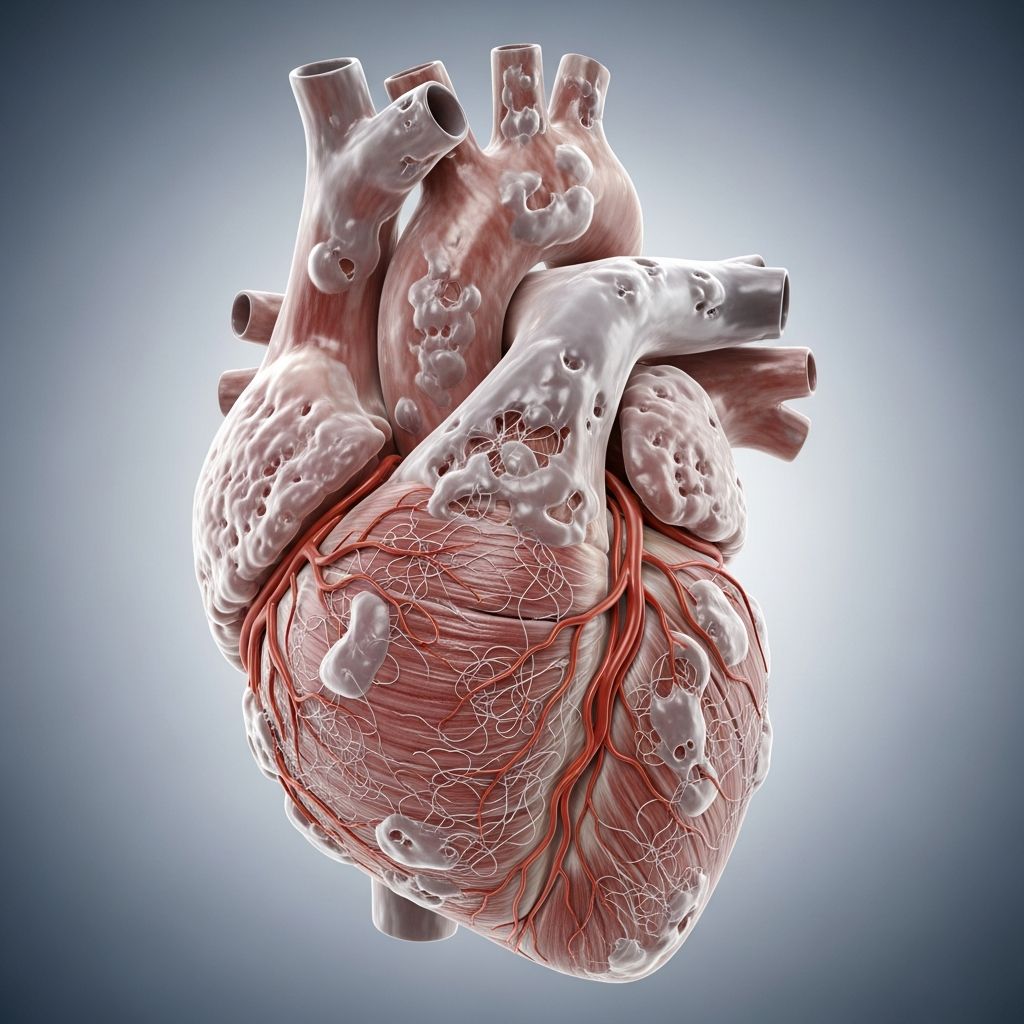
Amyloidosis involves abnormal protein deposits called amyloids that accumulate in organs and tissues, disrupting their function. Symptoms often develop gradually and vary by affected organs, commonly including fatigue, swelling, and shortness of breath.
What Is Amyloidosis?
Amyloidosis is a group of rare diseases characterized by the buildup of amyloid proteins, which are insoluble fibrils that deposit in various tissues. These deposits interfere with normal organ function, leading to progressive damage. The condition can be systemic, affecting multiple organs, or localized to specific areas. Early symptoms are often nonspecific, such as profound fatigue and unintentional weight loss, which affect nearly 90% of patients.
There are several types of amyloidosis, each with distinct causes and organ involvement. Diagnosis is challenging because symptoms mimic other conditions, but awareness of key signs like periorbital purpura or macroglossia can prompt testing.
Amyloidosis Symptoms
Symptoms of amyloidosis depend on the organs involved but frequently start with general signs like serious fatigue, weakness, edema in the ankles and legs, and shortness of breath. Additional common symptoms include dizziness, low blood pressure, gastrointestinal issues (diarrhea or constipation), nausea, loss of appetite, and weight loss.
Skin changes are notable, such as easy bruising, thickening, or dark purple patches around the eyes (periorbital purpura). An enlarged tongue, known as macroglossia, may appear rippled along the edges. Nerve involvement causes numbness, tingling, or pain in the hands and feet (peripheral neuropathy).
- Fatigue and weakness: Severe tiredness that limits daily activities, often worsened by anemia or organ strain.
- Edema: Swelling in legs and ankles due to kidney issues, heart failure, or vascular impairment.
- Shortness of breath: From heart involvement where amyloid reduces pumping efficiency, leading to fluid buildup in lungs.
- Weight loss: Unintentional, rapid loss from malabsorption, poor appetite, or swallowing difficulties.
Symptoms by Affected Organs
Amyloid deposits target specific organs, producing characteristic symptoms. Here’s a breakdown:
Heart (Cardiac Amyloidosis)
The heart is commonly affected, leading to restrictive cardiomyopathy. Amyloid stiffens heart walls, impairing blood pumping and causing shortness of breath, especially during activity, fatigue, and edema. Low blood pressure and dizziness upon standing (orthostatic hypotension) are frequent. Severe cases result in heart failure.
Kidneys
Kidney involvement damages the filtering system, causing proteinuria (excess protein in urine), edema, and eventually kidney failure. Patients may notice foamy urine and swelling in extremities.
Nervous System
Peripheral neuropathy manifests as pain, numbness, or tingling in fingers and feet. Autonomic neuropathy affects bowel function (alternating diarrhea and constipation), blood pressure control (faintness on standing), and other processes like sweating or digestion.
Gastrointestinal Tract
Gut involvement leads to diarrhea (often bloody), constipation, nausea, malabsorption, and weight loss. Macroglossia can hinder swallowing.
Skin
Skin symptoms include easy bruising (purpura, especially around eyes), thickening, hair loss, and nail changes.
| Organ | Key Symptoms |
|---|---|
| Heart | Shortness of breath, edema, low BP, fatigue |
| Kidneys | Proteinuria, swelling, kidney failure |
| Nerves | Numbness, tingling, diarrhea/constipation |
| Gut/Skin | Weight loss, macroglossia, purpura |
Types of Amyloidosis
Different types arise from specific amyloid proteins:
- AL Amyloidosis (Primary): Most common systemic form, from light chain proteins produced by plasma cells. Affects heart, kidneys, nerves; symptoms include fatigue, weight loss, cardiac issues.
- AA Amyloidosis (Secondary): Triggered by chronic inflammation (e.g., rheumatoid arthritis). Primarily impacts kidneys, liver, spleen.
- ATTR Amyloidosis: Hereditary or wild-type from transthyretin protein. Often cardiac and nerve-focused.
- Dialysis-Related (Aβ2M): In long-term dialysis patients, causes joint pain, gut, and heart issues.
- Localized: Confined to bladder, skin, throat; better prognosis.
Related Stories



Causes and Risk Factors
Amyloidosis occurs when misfolded proteins form fibrils resistant to breakdown. Causes vary by type: AL from plasma cell disorders like multiple myeloma; AA from ongoing inflammation; ATTR from genetic mutations or aging; dialysis-related from beta-2 microglobulin buildup.
Risk factors include age (over 50 for wild-type ATTR), family history (hereditary forms), chronic infections/inflammation, and long-term hemodialysis. Early detection is crucial as symptoms like fatigue and edema signal multi-organ involvement.
Diagnosis
Diagnosis combines clinical suspicion, imaging, and biopsies. Doctors look for ‘red flags’ like macroglossia, purpura, or neuropathy alongside fatigue/weight loss. Tests include:
- Blood/urine tests for proteins (e.g., serum free light chains).
- Echocardiogram/ECG for heart thickening.
- Biopsy (fat pad, organ) with Congo red staining.
- Scans (MRI, nuclear imaging for ATTR).
Cluster symptoms like cardiac issues with edema prompt amyloidosis workup.
Treatment
No cure exists, but treatments target underlying causes, stabilize organs, and manage symptoms. For AL, chemotherapy or stem cell transplant targets plasma cells. ATTR may use stabilizers like tafamidis or gene silencers (patisiran). Supportive care includes diuretics for edema, blood pressure meds, and diet for gut issues.
Kidney failure may require dialysis/transplant. Lifestyle: balanced diet, moderate exercise, hydration management.
When to See a Doctor
Seek care for persistent fatigue, unexplained weight loss, edema, shortness of breath, neuropathy, or skin changes like periorbital purpura. Early intervention improves outcomes, as amyloidosis progresses silently.
Frequently Asked Questions (FAQs)
What are the first signs of amyloidosis?
Early signs often include fatigue, weight loss, and edema. Cardiac symptoms like shortness of breath and periorbital purpura are distinctive.
Is amyloidosis curable?
No cure, but treatments slow progression and manage symptoms effectively if caught early.
How does amyloidosis affect the heart?
It causes stiffening, reducing pump efficiency, leading to heart failure symptoms.
Can amyloidosis be hereditary?
Yes, ATTR amyloidosis has hereditary forms due to TTR gene mutations.
What causes swelling in amyloidosis?
Edema stems from kidney loss, heart failure, or vascular issues.
References
- Amyloidosis – Symptoms and causes — Mayo Clinic Staff. 2025-08-26. https://www.mayoclinic.org/diseases-conditions/amyloidosis/symptoms-causes/syc-20353178
- 8 Effects of Amyloidosis on Your Body — Healthline. https://www.healthline.com/health/amyloidosis/how-amyloidosis-affects-the-body
- The Amyloidoses: Clinical Features, Diagnosis and Treatment — NIH/PMC. 2012. https://pmc.ncbi.nlm.nih.gov/articles/PMC3487569/
- Identifying early signs of amyloidosis — Mayo Clinic (YouTube). https://www.youtube.com/watch?v=yzsPBjV6dMM
Similar Articles








Read full bio of Sneha Tete