Amyotrophic Lateral Sclerosis (ALS): Comprehensive Guide
Understanding ALS: Symptoms, causes, diagnosis, and treatment options explained.
What is Amyotrophic Lateral Sclerosis (ALS)?
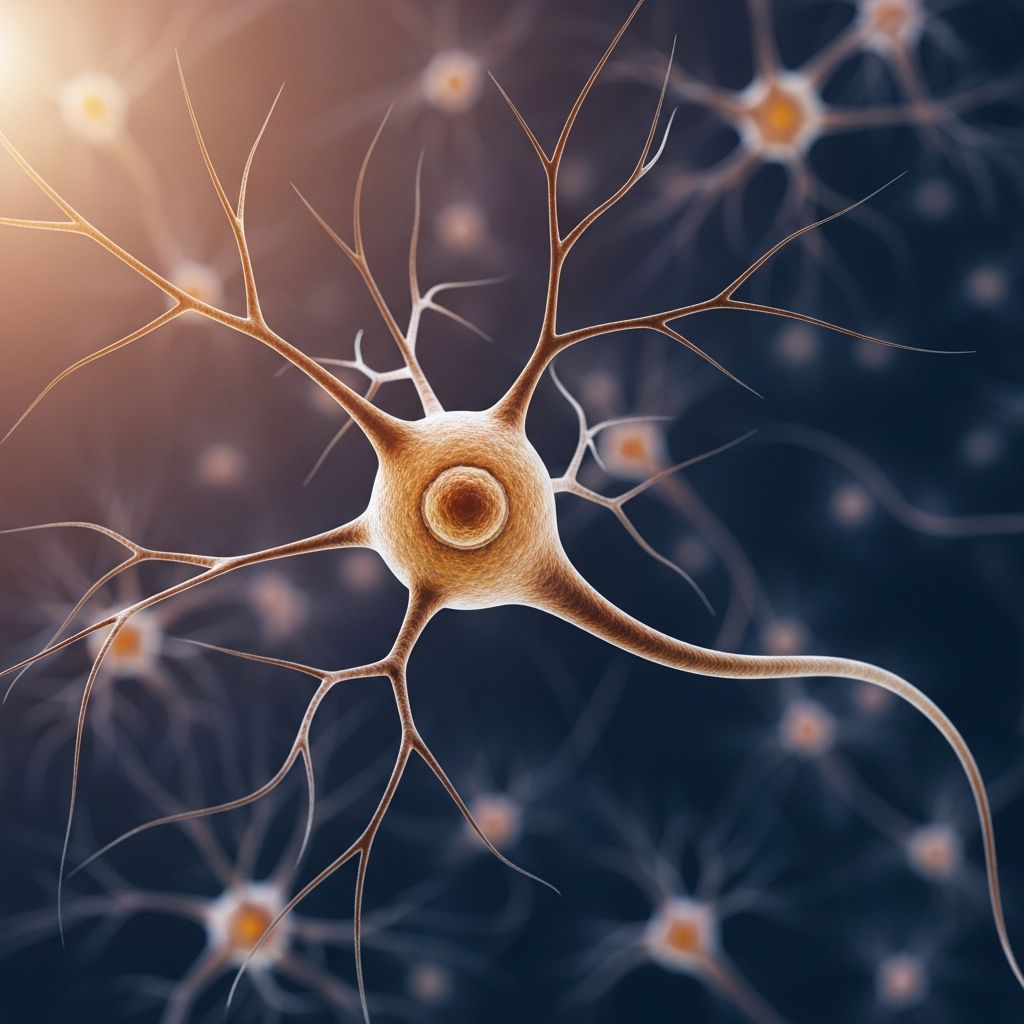
Amyotrophic lateral sclerosis, commonly known as ALS or Lou Gehrig’s disease, is a progressive neurodegenerative disorder that affects nerve cells in the brain and spinal cord. ALS is characterized by the gradual degeneration and death of motor neurons—the nerve cells that control voluntary muscle movements throughout the body. As motor neurons deteriorate and die, the brain loses the ability to initiate and control voluntary movements, leading to progressive muscle weakness and paralysis.
The disease typically manifests in late middle age, though it can affect individuals at any age. ALS is a terminal condition, meaning it is ultimately fatal, but the progression rate varies significantly from person to person. Some individuals may live for several years after diagnosis, while others may experience faster decline. Understanding this condition is crucial for patients, families, and caregivers seeking to manage symptoms and maintain quality of life.
Understanding Motor Neurons and Disease Mechanism
Motor neurons are divided into two categories: upper motor neurons and lower motor neurons. Upper motor neurons originate in the brain and transmit signals down to the lower motor neurons located in the spinal cord and brainstem. These lower motor neurons then relay messages from the spinal cord to the muscles, instructing them to contract and move. In ALS, the disease disrupts this communication pathway, much like interference on a telephone line where messages become fragmented and fail to reach their destination.
As motor neurons degenerate, they can no longer send signals to muscles. Without these electrical signals, muscles cannot function properly, leading to weakness, atrophy, and eventual paralysis. This process affects voluntary muscles—those controlled consciously, such as muscles in the arms, legs, and diaphragm—while typically leaving sensory nerves, autonomic nervous system functions, and cognitive abilities intact in most cases.
Signs and Symptoms of ALS
ALS symptoms vary depending on which motor neurons are affected first and the progression stage of the disease. Early recognition of symptoms is essential for timely diagnosis and treatment initiation.
Early Symptoms
Initial symptoms of ALS are often subtle and may be easily overlooked. In approximately 80% of cases, the disease begins with persistent weakness or spasticity in an arm or leg, making it difficult to use the affected limb. Patients may experience:
– Muscle weakness in the feet, arms, or legs- Muscle twitching (fasciculations) in affected areas- Muscle cramping and stiffness (spasticity)- Tripping, stumbling, or difficulty with balance- Dropping objects or loss of hand coordination- Difficulty with fine motor movements like buttoning shirts or writing- Unusual fatigue and weakness
In approximately 20% of cases, bulbar-onset ALS presents first with speech and swallowing difficulties. Symptoms may include slurred or nasal speech, difficulty chewing or swallowing, and excessive drooling. Respiratory-onset ALS, where breathing muscles are affected first, is the rarest presentation, occurring in a small percentage of cases.
Progressive Symptoms
As the disease advances, symptoms spread to other parts of the body. Progressive manifestations include:
Related Stories



– Increasing difficulty with movement and mobility- Severe swallowing difficulties (dysphagia) and risk of aspiration- Labored speech and difficulty forming words (dysarthria)- Progressive breathing difficulties (dyspnea) requiring respiratory support- Eventual paralysis of voluntary muscles- Weight loss and nutritional challenges- Constipation due to immobility rather than direct GI tract failure- Pseudobulbar affect—uncontrolled or inappropriate laughing, crying, or yawning not related to actual emotions
Upper Motor Neuron vs. Lower Motor Neuron Symptoms
Degeneration of upper motor neurons, located in the brain, produces spasticity (muscle tightness), slowness of movement, and increased reflexes. Lower motor neuron degeneration in the spinal cord and brainstem causes muscle weakness, muscle atrophy (shrinkage), fasciculations (visible muscle twitches), cramps, and reduced reflexes. Many patients experience symptoms from both types of motor neuron damage, creating a complex clinical presentation.
What ALS Does NOT Affect
An important distinction in ALS is understanding which body systems remain unaffected. Cardiac muscle (the heart) and smooth muscle controlling the digestive system, urinary tract, and sexual function are not directly affected by ALS. Hearing, vision, smell, taste, and touch generally remain normal throughout the disease course. Most patients retain their cognitive abilities, though approximately 50% may experience some thinking or language problems, and about 15% may develop frontotemporal dementia with symptoms including behavioral changes, loss of interest in activities, and loss of empathy.
Types of ALS
ALS is classified into two main types based on cause:
Sporadic ALS (sALS)
Sporadic ALS accounts for approximately 90% of all ALS cases and occurs without a family history of the disease. The exact cause remains unknown, though researchers believe multiple genetic and environmental factors may contribute to disease development.
Familial ALS (fALS)
Familial ALS, accounting for about 10% of cases, is inherited through gene mutations passed from parents to children. Individuals with a family history of ALS have increased risk of developing the disease. Genetic testing can identify specific mutations associated with familial ALS.
Diagnosis of ALS
Diagnosis of ALS involves a comprehensive evaluation combining clinical assessment, diagnostic testing, and exclusion of other conditions with similar symptoms. There is no single definitive test for ALS, so healthcare providers use multiple approaches:
Clinical Evaluation
Neurologists perform detailed neurological examinations assessing muscle strength, reflexes, muscle tone, and signs of motor neuron degeneration. A thorough medical history and discussion of symptom progression patterns guide clinical judgment.
Electromyography (EMG)
This test measures electrical activity in muscles and can detect signs of motor neuron degeneration. EMG findings consistent with ALS include fasciculations and abnormal motor unit potentials.
Nerve Conduction Studies
These studies measure the speed and strength of electrical signals traveling along nerves, helping to confirm motor neuron involvement and rule out other nerve disorders.
Imaging Studies
MRI of the brain and spinal cord may be performed to exclude other conditions such as tumors, spinal cord compression, or structural abnormalities that could mimic ALS symptoms.
Laboratory Tests
Blood and cerebrospinal fluid tests help rule out infections, autoimmune disorders, or other metabolic conditions that could cause similar symptoms.
Treatment and Management
While no cure currently exists for ALS, several treatment approaches can help manage symptoms, slow disease progression, and maintain quality of life.
FDA-Approved Medications
Riluzole was the first FDA-approved medication for ALS, shown to extend survival by 2-3 months in some patients. Edaravone, approved more recently, has demonstrated modest benefits in slowing functional decline. Additional medications continue to be studied in clinical trials.
Symptom Management
Healthcare providers prescribe medications to address specific symptoms including muscle cramps, spasticity, excessive salivation, and emotional lability. Pseudobulbar affect can be treated with medications such as Nuedexta to reduce uncontrolled emotional expressions.
Supportive Care
Physical therapy maintains muscle function and prevents contractures through range-of-motion exercises, which also help reduce pain from immobility. Occupational therapy assists with adaptive equipment and home modifications to maintain independence. Speech-language pathology addresses communication difficulties and swallowing problems.
Respiratory Support
As respiratory muscles weaken, non-invasive ventilation such as BiPAP (bilevel positive airway pressure) can assist breathing. Some patients eventually require more advanced respiratory support.
Nutritional Support
Maintaining adequate nutrition becomes increasingly challenging with swallowing difficulties. Dietary modifications, supplements, and in some cases, feeding tubes may be necessary.
Pain in ALS
While ALS does not directly damage pain-sensing nerves, pain is a common symptom experienced by most patients with the disease. Pain typically results from reduced mobility, muscle stiffness, and possible involvement of sensory nerve fibers. Daily range-of-motion exercises, physical therapy, medications, and proper positioning can help alleviate pain and prevent complications from immobility.
Gender Differences in ALS Presentation
Research indicates differences in how ALS presents between men and women. Men most frequently develop spinal-onset ALS affecting the hands and feet first, while women more often experience bulbar-onset ALS affecting speech and swallowing muscles. Women may consequently experience worse speech and swallowing symptoms due to the predominance of bulbar region involvement.
Living with ALS: Prognosis and Progression
ALS progression varies significantly among individuals. While the average survival time from symptom onset is 2-5 years, some patients live 10 years or longer. Factors affecting progression include age at onset, site of disease onset, and individual genetic and environmental factors. Regular follow-up with an ALS specialist allows for timely adjustments to treatment and support services as the disease progresses.
Frequently Asked Questions
Q: Is ALS hereditary?
A: About 10% of ALS cases are familial ALS (fALS), inherited through gene mutations. The remaining 90% are sporadic ALS (sALS) without clear family history, though genetics may still play a role.
Q: Can ALS be cured?
A: Currently, there is no cure for ALS. However, medications like riluzole and edaravone can slow disease progression, and various therapies help manage symptoms and maintain quality of life.
Q: Does ALS affect cognitive abilities?
A: In most cases, ALS does not significantly affect cognitive abilities. However, approximately 50% of patients may experience some thinking or language problems, and about 15% may develop frontotemporal dementia.
Q: How quickly does ALS progress?
A: ALS progression varies significantly. Average survival is 2-5 years from symptom onset, but some patients live 10 years or longer. Progression depends on individual factors and site of disease onset.
Q: What should I do if I suspect ALS?
A: Consult a neurologist or ALS specialist immediately. Early diagnosis enables timely treatment initiation and enrollment in support programs. Bring a detailed history of symptom onset and progression to your appointment.
Q: Are there clinical trials for ALS?
A: Yes, numerous clinical trials are ongoing investigating new ALS treatments. Your healthcare provider can help identify trials you may be eligible for.
References
- About Amyotrophic Lateral Sclerosis (ALS) — Centers for Disease Control and Prevention. 2024. https://www.cdc.gov/als/abouttheregistrymain/about-amyotrophic-lateral-sclerosis-als.html
- Amyotrophic Lateral Sclerosis (ALS): What It Is & Symptoms — Cleveland Clinic. 2024. https://my.clevelandclinic.org/health/diseases/16729-amyotrophic-lateral-sclerosis-als
- Signs and Symptoms of Amyotrophic Lateral Sclerosis (ALS) — Muscular Dystrophy Association. 2024. https://www.mda.org/disease/amyotrophic-lateral-sclerosis/signs-and-symptoms
- Amyotrophic Lateral Sclerosis (ALS) — Yale Medicine. 2024. https://www.yalemedicine.org/conditions/amyotrophic-lateral-sclerosis
- Lou Gehrig’s Disease (ALS): Symptoms & Causes — NewYork-Presbyterian. 2024. https://www.nyp.org/neuro/neuromuscular-disorders/als-lou-gehrigs-disease
- Amyotrophic Lateral Sclerosis (ALS) – Advocate Health Care — Advocate Health Care. 2024. https://www.advocatehealth.com/health-services/brain-spine-institute/brain-care-center/conditions-treatments/neuromuscular-disorders/als
Similar Articles








Read full bio of Sneha Tete