Anemia: Comprehensive Guide To Types, Symptoms & Treatment
Understand anaemia: causes from iron deficiency to chronic disease, symptoms like fatigue, diagnosis via blood tests, and effective treatments.
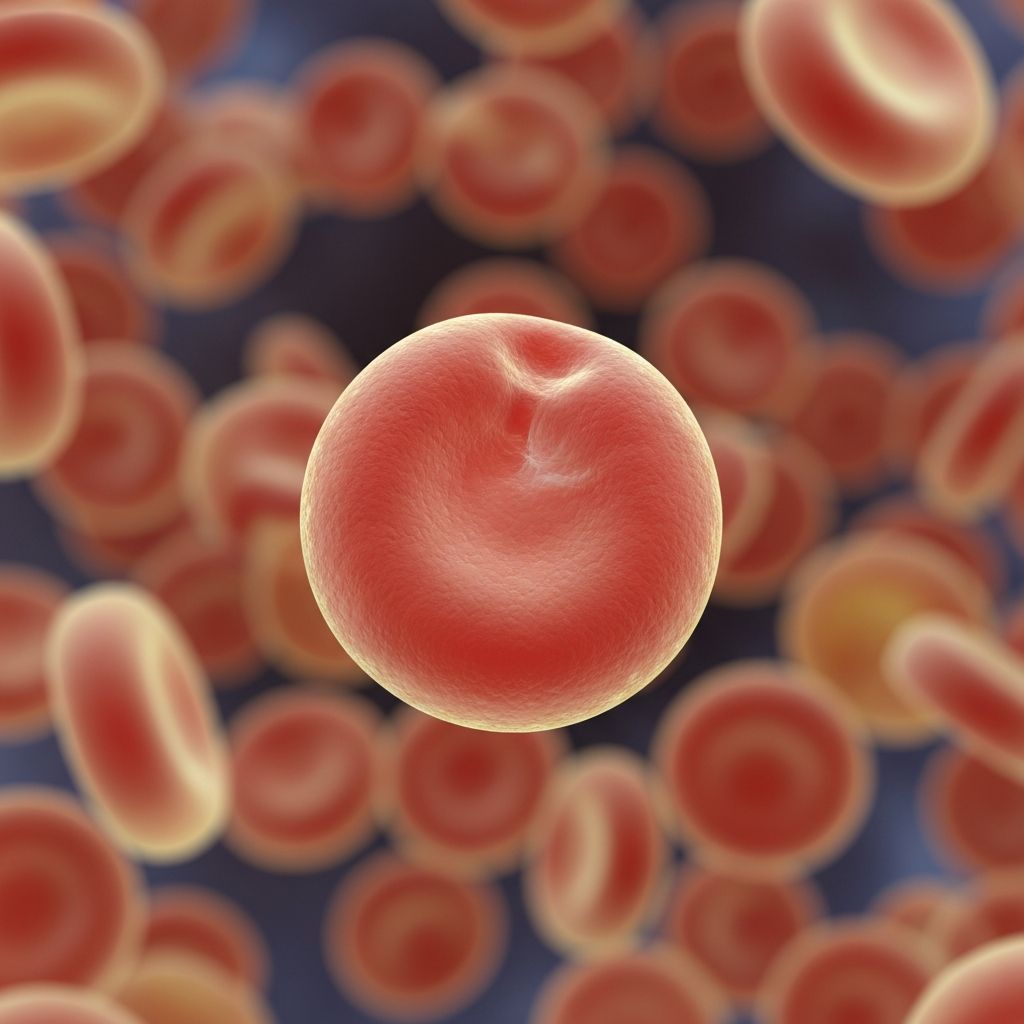
Anaemia occurs when you have fewer red blood cells than normal or lower haemoglobin levels in each red blood cell, leading to reduced oxygen transport in the bloodstream.
This condition affects millions worldwide, with iron-deficiency being the most prevalent form in the UK. Red blood cells, produced in the bone marrow, carry oxygen via haemoglobin, a protein rich in iron. When levels drop, tissues receive insufficient oxygen, causing various symptoms. Anaemia can stem from nutritional shortfalls, chronic illnesses, or blood loss, and early detection is crucial for effective management.
Anaemia types and causes
Anaemia manifests in multiple forms, each with distinct underlying mechanisms. Understanding these helps in targeted treatment.
Iron-deficiency anaemia
**Iron-deficiency anaemia** is the leading cause in the UK, resulting from inadequate iron intake, absorption issues, or blood loss. Iron is essential for haemoglobin production. A balanced diet typically provides sufficient iron, but factors like poor nutrition or heavy bleeding disrupt this.
Common triggers include:
- Heavy menstrual periods in women.
- Pregnancy, increasing iron demands.
- Gastrointestinal bleeding from ulcers, cancers, or inflammatory conditions like coeliac or Crohn’s disease.
- Restricted diets lacking iron-rich foods such as red meat, leafy greens, or fortified cereals.
See related guidance on Diets Suitable for People with Anaemia and Iron-deficiency Anaemia for dietary advice.
Vitamin deficiency anaemia
Lack of vitamins like
folic acid
(vitamin B9) orvitamin B12
impairs red blood cell production, causing larger, immature cells (macrocytic anaemia). Folic acid deficiency often links to poor diet, alcoholism, or malabsorption. Vitamin B12 shortfall, common in pernicious anaemia, arises from autoimmune issues preventing stomach absorption or vegan diets without supplements.[10]Risk increases with:
- Pregnancy, due to higher folate needs.
- Conditions like coeliac disease affecting nutrient uptake.
- Long-term antacid use or gastric surgery for B12.
Anaemia of chronic disease
Chronic conditions such as kidney disease, tuberculosis, heart failure, or malnutrition suppress red blood cell production. Inflammation disrupts iron utilisation, even if stores are adequate. Treatment focuses on the primary illness, though mild cases may not require intervention.
Other causes
- Aplastic anaemia: Bone marrow failure reduces cell production, often from toxins, drugs, or autoimmune attacks.
- Haemolytic anaemias: Premature red cell destruction, as in sickle cell or thalassaemia.
- Blood loss: Acute from injury or chronic from gut issues.
Risk factors for anaemia
Certain groups face higher risks:
- Women: Heavy periods or pregnancy dilute blood volume and deplete iron.
- Children: Rapid growth demands more iron; poor diets exacerbate.
- Elderly: Reduced absorption, chronic diseases.
- Vegetarians/vegans: Lower iron from plant sources, needing B12 supplements.
- Those with gut disorders: Coeliac, Crohn’s impair absorption.
Pregnant women should screen at booking (Hb <110 g/L) and 28 weeks (Hb <105 g/L).
Anaemia symptoms
Symptoms arise from oxygen deprivation, varying by severity and onset.
Common symptoms:
- Tiredness and lethargy.
- Shortness of breath, especially on exertion.
- Dizziness or fainting.
- Pale skin, gums, or nail beds.
Less common:
- Headaches, palpitations, or tinnitus.
- Altered taste, sore tongue.
- Cold extremities, chest pain.
Related Stories



In children: faltering growth, irritability. Severe cases may cause heart failure signs like swelling.
Anaemia diagnosis
Diagnosis starts with a full blood count (FBC) measuring haemoglobin and red cell indices.
| Test | Purpose |
|---|---|
| Haemoglobin (Hb) | Confirms anaemia (<130 g/L men, <120 g/L women). |
| Mean Corpuscular Volume (MCV) | Microcytic (low iron), normocytic (chronic disease), macrocytic (vitamins). |
| Ferritin | Iron stores (low in deficiency). |
| B12/Folate | Checks deficiencies. |
| Reticulocytes | Production rate. |
Further tests: stool for occult blood, endoscopy for bleeding, bone marrow biopsy in complex cases.
Anaemia treatment
Treatment targets the cause.
Iron-deficiency
Oral iron tablets (e.g., ferrous sulphate) for 3-6 months. Take on empty stomach with vitamin C for absorption; avoid tea/coffee. IV iron if intolerant or malabsorbing. Blood transfusion for severe symptoms.
Vitamin deficiencies
Folic acid supplements (5 mg daily); B12 injections for pernicious anaemia.
Chronic disease
Manage underlying condition; erythropoietin for kidney disease.
Other
Bone marrow transplant for aplastic; folate/B12 for megaloblastic.
Diet tips: iron-rich foods (liver, beans), vitamin C enhancers.
Anaemia outlook
Prognosis varies. Iron, B12/folate deficiencies respond well to supplements, preventing recurrence with diet. Chronic disease anaemia improves with primary treatment. Genetic forms like sickle cell, once fatal in childhood, now allow longer life with modern care, though complications persist.
Monitor with repeat FBC; untreated anaemia risks heart strain, developmental delays in kids.
Frequently Asked Questions (FAQs)
Q: Who is most at risk for anaemia?
A: Women with heavy periods, pregnant individuals, children, vegetarians, and those with chronic gut or kidney diseases.
Q: Can diet alone cure anaemia?
A: For mild iron or folate deficiency, yes, but supplements are often needed initially, especially if absorption is impaired.
Q: When should I see a doctor for anaemia symptoms?
A: If experiencing persistent fatigue, breathlessness, pallor, or blood in stool/urine—prompt testing is essential.
Q: Is anaemia dangerous in pregnancy?
A: Yes, it increases risks of preterm birth and low birth weight; routine screening and iron are recommended.
Q: How long does treatment take?
A: Iron therapy shows improvement in weeks, full recovery in months; follow-up tests confirm.
References
- Your Guide to Anemia — NHLBI, NIH. 2023. https://www.nhlbi.nih.gov/resources/your-guide-anemia
- Anaemia: Causes, Symptoms, and Treatment — Patient.info. 2024-01-13. https://patient.info/allergies-blood-immune/anaemia-leaflet
- Iron-Deficiency Anaemia — Patient.info. 2024. https://patient.info/allergies-blood-immune/anaemia-leaflet/iron-deficiency-anaemia
- Anaemia Patient Information Leaflet — UHCW NHS. 2023. https://www.uhcw.nhs.uk/download/clientfiles/files/Patient%20Information%20Leaflets/Medicine/Blood%20Transfusion/Anaemia.pdf
- Anaemia in Pregnancy — Patient.info (NICE guidelines referenced). 2024. https://patient.info/doctor/haematology/anaemia-in-pregnancy
Similar Articles








Read full bio of Sneha Tete