Anagen Effluvium: Causes, Diagnosis, Treatment & Recovery
Understanding the causes, symptoms, diagnosis, and treatment of sudden hair shedding during the growth phase.
Introduction
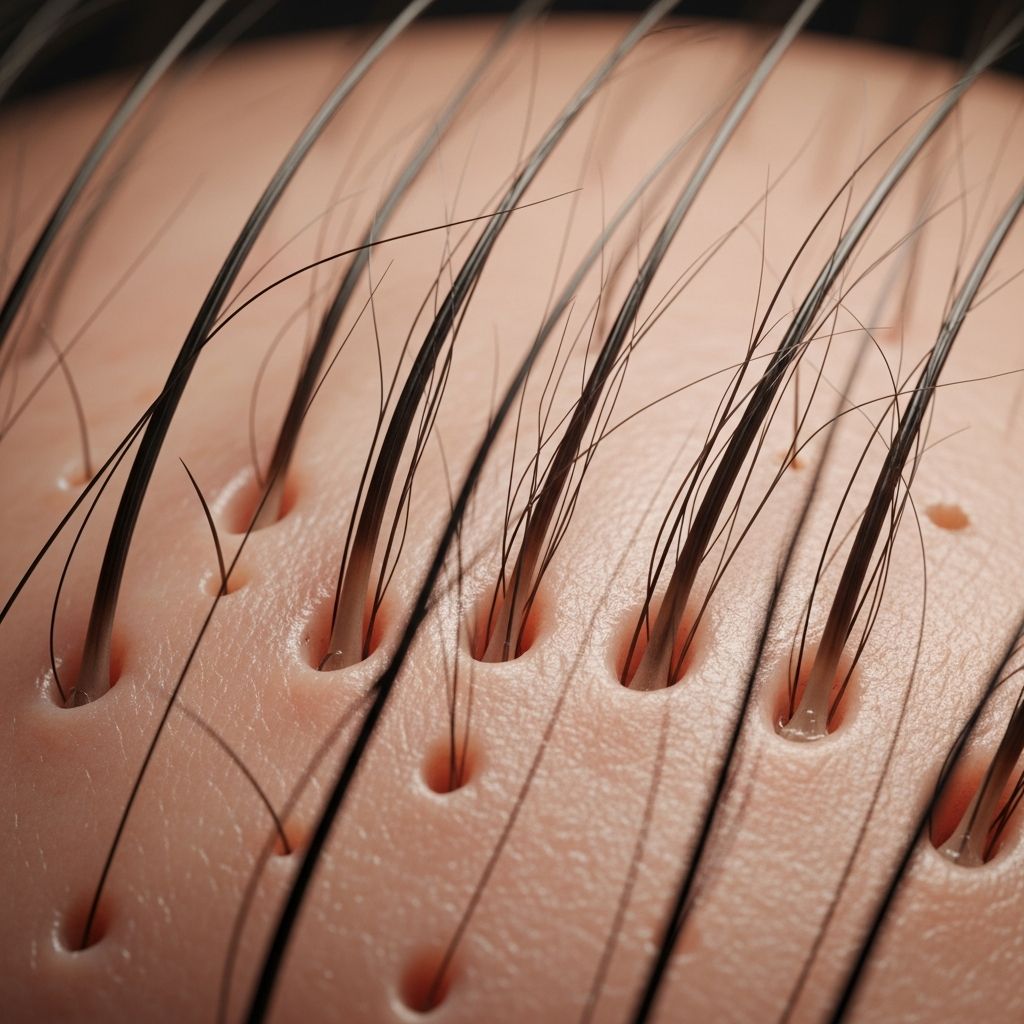
Anagen effluvium is a form of non-scarring alopecia characterized by sudden, diffuse shedding of hair during the anagen (growth) phase of the hair cycle. Unlike telogen effluvium, which involves hairs entering the resting phase prematurely, anagen effluvium results from acute injury to hair follicles, leading to structurally damaged hairs that break off near the scalp. This condition affects up to 90% of scalp hairs, as approximately 80-90% are in the anagen phase at any time, causing rapid and extensive baldness over days to weeks.
The hair cycle consists of anagen (active growth, lasting 2-7 years), catagen (transition, 2-3 weeks), and telogen (resting, 3 months). Any insult impairing mitosis in the hair matrix—rapidly dividing keratinocytes in the follicle bulb—disrupts hair production. This leads to narrowed hair shafts susceptible to breakage above the keratinization zone, with necrotic matrix forming plugs of melanin, keratin, and inner root sheath (trichomalacia). Anagen effluvium is typically reversible once the trigger is removed, with regrowth starting 1-3 months later as follicles recover.
Demographics
Anagen effluvium affects individuals of all ages, genders, and ethnicities, but certain groups are at higher risk. It is most common in cancer patients undergoing chemotherapy, with nearly 80% experiencing it, particularly those over 65 due to fragile follicles. Women may notice it more prominently due to longer hair lengths, but men are equally affected. Pediatric cases occur with loose anagen syndrome or severe malnutrition. Autoimmune-related cases like alopecia areata are seen across ages, while toxin exposures (e.g., thallium poisoning) can impact any demographic. Overall incidence ties directly to exposure risks like oncology treatments or occupational toxin handling.
Causes
Anagen effluvium arises from endogenous or exogenous insults disrupting follicular mitosis. Primary categories include chemotherapy, radiation, toxins, infections, autoimmune diseases, and rare metabolic disruptions.
Chemotherapy (Most Common Cause)
Chemotherapeutic agents—antimetabolites (e.g., methotrexate, 5-fluorouracil), alkylating agents (e.g., cyclophosphamide, busulfan), mitotic inhibitors (e.g., paclitaxel, vincristine), and topoisomerase inhibitors (e.g., etoposide)—target rapidly dividing cells, including hair matrix keratinocytes. Hair loss begins 2-4 weeks post-treatment, peaking at 1-2 months, with 80-90% scalp involvement. Non-cancer drugs like colchicine, levodopa, cyclosporine, and bismuth can rarely cause it in high doses.
Radiation Therapy
Radiotherapy to the scalp or head/neck delivers targeted ionizing radiation, impairing follicular mitosis and causing localized or diffuse anagen effluvium. Total body irradiation for transplants results in widespread loss.
Toxins and Poisons
Heavy metals and chemicals like thallium, mercury, arsenic, boron, gold salts, and colchicine (in excess) induce toxicity, halting anagen growth. Environmental or accidental exposures lead to systemic effects.
Infections
Localized scalp infections such as tinea capitis (fungal), bacterial folliculitis, boils, or abscesses cause patchy anagen effluvium. Affected areas appear swollen, boggy, crusted, with easily extractable loose hairs.
Autoimmune and Inflammatory Diseases
Alopecia areata (and variants: totalis, universalis) targets anagen bulbs via lymphocytic inflammation, propelling follicles into dystrophic catagen. Pemphigus vulgaris (immunobullous) desmoglein autoantibodies attack follicular proteins. Others include systemic lupus erythematosus, secondary syphilis, and autoimmune thyroiditis with peribulbar inflammation.
Related Stories



Other Rare Causes
- Severe protein-energy malnutrition disrupting metabolism.
- Loose anagen syndrome (genetic, dystrophic hairs easily pulled).
- Chronic illnesses or surgeries impairing nutrition/metabolism.
Clinical Features
Patients experience abrupt onset of diffuse hair shedding starting days to weeks post-insult, progressing to partial or complete scalp baldness (up to 90% loss). Body hair, eyebrows, eyelashes, and pubic hair often involved, distinguishing it from patterned alopecias. Hairs appear dystrophic: tapered, fractured ends (“exclamation mark” in alopecia areata), or pencil-pointed. Scalp is typically normal without scarring, inflammation, or scaling unless infection-related. Positive “gentle hair pull test” yields >10 clubbed or dystrophic anagen hairs. Symptoms include emotional distress from rapid change; no pain or itch unless secondary infection.
| Feature | Anagen Effluvium | Telogen Effluvium |
|---|---|---|
| Onset | Abrupt (days-weeks) | Gradual (2-3 months post-trigger) |
| Hair Phase Affected | Growing (anagen) | Resting (telogen) |
| Extent | >50-90% scalp/body | Diffuse thinning, <50% |
| Hair Appearance | Dystrophic, broken shafts | Clubbed telogen hairs |
| Common Triggers | Chemo, radiation, toxins | Stress, postpartum, drugs |
Diagnosis
Diagnosis is clinical, based on history of acute insult and rapid diffuse shedding with dystrophic anagen hairs on pull test or trichogram. Scalp exam shows empty follicles without scarring. Dermoscopy reveals black dots (melanin plugs), flame hairs, trichomalacia. Hair microscopy confirms tapered, dysplastic bulbs lacking sheaths. Biopsy (rarely needed) shows reduced anagen/telogen ratio, follicular dystrophy, melanin clumps; no fibrosis. Differentials: telogen effluvium (club hairs), alopecia areata (patchy), loose anagen syndrome (painless pull). Rule out infection via KOH prep/swabs.
Treatment
Treatment is primarily supportive, as anagen effluvium is self-limited post-trigger removal. Scalp cooling (cryotherapy) during chemotherapy reduces loss by 50% via vasoconstriction, limiting drug delivery (FDA-cleared devices). Minoxidil 2-5% topical may accelerate regrowth but lacks strong evidence. Wigs, scalp camouflage, counseling address psychosocial impact. Treat underlying cause: antifungals for infections, immunosuppressants for autoimmune. Avoid unnecessary interventions; regrowth is normal-textured after 3-6 months. Emerging: scalp tourniquets, vasopressors.
Outcome
Hair regrows spontaneously 1-3 months after insult cessation, completing within 6 months. Follicles recover mitotic activity, producing normal anagen hairs. Permanent damage rare (<1%), usually from high-dose radiation. Pigmentation/texture may temporarily differ (e.g., curly, white). Recurrence risk ties to repeated exposures (e.g., chemo cycles). Prognosis excellent; patient education on reversibility reduces anxiety.
Frequently Asked Questions
Q: Is anagen effluvium permanent?
A: No, it is typically reversible with full regrowth in 3-6 months after removing the cause.
Q: Does scalp cooling prevent chemo hair loss?
A: Yes, it reduces incidence by up to 50% in many patients.
Q: Can anagen effluvium affect body hair?
A: Yes, often eyebrows, eyelashes, and body hair are lost alongside scalp hair.
Q: How is it different from alopecia areata?
A: Alopecia areata is patchy/autoimmune; anagen effluvium is diffuse from toxins/chemo.
Q: When should I see a doctor for sudden hair loss?
A: Immediately if associated with chemo, toxins, or rapid >50% shedding.
References
- Anagen Effluvium: Causes, Images, and Treatment — DermNet NZ. 2023-10-15. https://dermnetnz.org/topics/anagen-effluvium
- Anagen Effluvium — Indian Journal of Dermatology, Venereology and Leprology. 2017-05-01. https://ijdvl.com/anagen-effluvium/
- Anagen Effluvium — Cleveland Clinic. 2024-08-20. https://my.clevelandclinic.org/health/diseases/anagen-effluvium
- Anagen Effluvium: Symptoms, Causes & Treatment — National Institutes of Health (via LA FUE Hair NYC reference). 2023-01-12. https://lafuehairnyc.com/blog/what-is-anagen-effluvium/
- Anagen Effluvium Hair Loss — The Hairy Pill. 2024-03-05. https://www.thehairypill.com.au/anagen-effluvium-hair-loss
- Anagen Effluvium — MD Searchlight. 2024-11-10. https://mdsearchlight.com/skin-problems-and-treatments/anagen-effluvium/
Similar Articles








Read full bio of Sneha Tete