Anakinra: 3 FDA-Approved Uses And Dermatology Benefits
Recombinant IL-1 receptor antagonist for rheumatoid arthritis and autoinflammatory skin disorders.
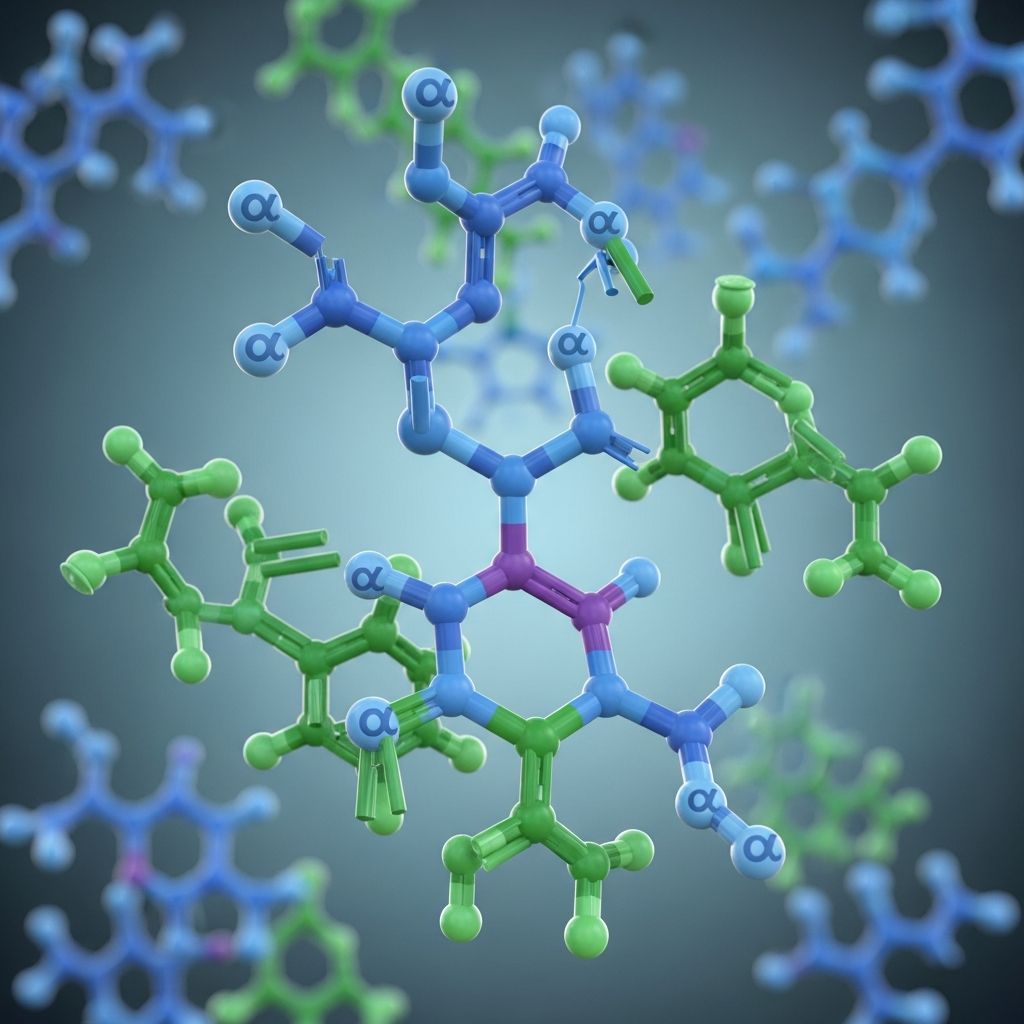
Anakinra
Author: Dr Anoma Ranaweera, Medical Writer, Auckland, New Zealand. Updated January 2026.
Introduction
Anakinra is a recombinant biological agent primarily approved for treating rheumatoid arthritis (RA). It has emerged as a valuable therapy for several autoinflammatory and autoimmune skin diseases, particularly where conventional treatments fail or cause intolerable side effects.
Produced via recombinant DNA technology in an E. coli bacterial expression system, anakinra functions as an interleukin-1 receptor antagonist (IL-1Ra). It differs from native human IL-1Ra by the addition of a single methionine residue at its amino terminus. This modification enables effective production and stability.
In many countries, including the USA and Europe, anakinra is marketed as Kineret® by Amgen and is FDA-approved for RA, cryopyrin-associated periodic syndromes (CAPS), and deficiency of IL-1 receptor antagonist (DIRA). However, it remains unregistered and unsubsidized in New Zealand as of recent updates.
How it works
Rheumatoid arthritis involves overproduction of pro-inflammatory proteins, including interleukin-1 (IL-1), which drives pain, swelling, stiffness, cartilage degradation, and bone resorption. IL-1 mediates inflammatory and immunological responses by binding to the IL-1 type I receptor (IL-1RI) on various tissues.
Naturally occurring IL-1Ra levels in RA patients’ synovium and synovial fluid are insufficient to counter elevated IL-1. Anakinra competitively binds to IL-1RI, blocking IL-1α and IL-1β activities without agonist effects. This reduces inflammation and prevents joint damage.
In autoinflammatory syndromes like CAPS and DIRA, IL-1 dysregulation causes systemic inflammation, including skin rashes, fever, and organ involvement. Anakinra restores balance by mimicking deficient IL-1Ra.
Uses
Anakinra’s primary FDA-approved indications include:
- Moderately to severely active rheumatoid arthritis in adults failing one or more disease-modifying antirheumatic drugs (DMARDs). It reduces signs/symptoms and slows structural damage, used alone or with methotrexate.
- Cryopyrin-associated periodic syndromes (CAPS), including neonatal-onset multisystem inflammatory disease (NOMID), Muckle-Wells syndrome (MWS), and familial cold autoinflammatory syndrome (FCAS).
- Deficiency of IL-1 receptor antagonist (DIRA), a rare genetic disorder from IL1RN mutations causing unopposed IL-1 signaling and severe inflammation.
Off-label indications
Beyond approved uses, anakinra shows promise in inflammatory conditions like gout attacks, ankylosing spondylitis, and uveitis, though not FDA-approved for these.
In dermatology, anakinra benefits immune-mediated skin disorders resistant to standard therapies. Efficacy and optimal dosing remain under investigation, but anecdotal and clinical evidence supports its role.
Rare autoinflammatory syndromes with skin involvement:
- Sweet syndrome (acute febrile neutrophilic dermatosis): Painful plaques and fever respond dramatically to anakinra.
- Pyoderma gangrenosum: Rapid ulcer healing observed in refractory cases.
- Erythema nodosum: Improvement in persistent lesions.
- Neutrophilic urticarial dermatosis: Resolution of urticaria-like rashes.
- Majeed syndrome: Chronic recurrent multifocal osteomyelitis with skin lesions.
- Blau syndrome: Granulomatous arthritis and rash.
- Schnitzler syndrome: Urticaria, fever, and monoclonal gammopathy.
Trials explore anakinra for hidradenitis suppurativa, with mixed results in severe cases. It is also investigated for atopic dermatitis.
Dosing
Dosing varies by indication and patient factors:
| Indication | Recommended Dose | Notes |
|---|---|---|
| Rheumatoid Arthritis | 100 mg subcutaneously once daily | At bedtime to minimize injection-site reactions |
| CAPS (NOMID/CAPS) | 1-2 mg/kg/day up to 8 mg/kg/day | Titrate to control inflammation; max 100 mg/day for adults |
| DIRA | 1-2 mg/kg/day, max 8 mg/kg/day | Adjust for efficacy; every other day if CrCl <30 mL/min |
Administer via pre-filled syringe into thigh, abdomen, or outer arm. Rotate sites. Refrigerate; allow to reach room temperature before injection.
Precautions in children
Anakinra is approved for pediatric NOMID/CAPS and DIRA patients. Start at 1-2 mg/kg/day, titrating carefully. Monitor for infections, as children face higher risks. Closely watch DIRA patients for allergic reactions in initial weeks.
Use caution in elderly due to elevated infection risk. No dose adjustment needed for mild-moderate renal/hepatic impairment, but reduce frequency in severe renal failure.
Adverse events
The most common side effect is injection-site reactions (ISRs) (71-81% of patients), typically mild (erythema, ecchymosis, inflammation, pain, swelling). ISRs peak in first 4 weeks, last 14-28 days, and decrease over time. Dose-related and linked to vehicle components causing mast cell degranulation.
Histology shows eosinophilic infiltrates, mast cells, and macrophages around vessels/nerves, indicating allergic inflammation. Topical corticosteroids or antihistamines help delayed reactions.
- Infections: Serious infections (3.1% vs 2% placebo) like cellulitis, pneumonia. Discontinue if sepsis suspected.
- Neutropenia: Monitor neutrophil counts; reversible.
- Hypersensitivity: Rare urticaria, angioedema; higher in DIRA.
- Malignancy risk: Unknown long-term impact.
In pediatrics, infections include upper respiratory, cellulitis (0.28/patient-year).
Overdose
No specific antidote. Supportive care; monitor for infections/hypersensitivity. Anakinra’s short half-life (~4-6 hours) limits accumulation.
Contraindications
- Active serious infections
- Known hypersensitivity to anakinra, E. coli-derived proteins, or excipients
- Neutrophil count <1 x 10⁹/L
Avoid live vaccines during treatment.
Drug interactions
- TNF blockers (e.g., etanercept): Increased serious infection risk; not recommended.
- Immunosuppressants: Additive infection risk.
- CYP450 substrates: Minimal impact due to short half-life.
Frequently Asked Questions
What is anakinra used for in dermatology?
Anakinra treats refractory autoinflammatory skin conditions like Sweet syndrome, pyoderma gangrenosum, and Schnitzler syndrome.
How common are injection-site reactions with anakinra?
Up to 81%; mostly mild and self-resolving within 1-2 months.
Can anakinra be used in children?
Yes, for CAPS/NOMID and DIRA, with weight-based dosing.
Is anakinra safe with other biologics?
Combination with TNF inhibitors increases infection risk and is discouraged.
What monitoring is required on anakinra?
Baseline and monthly neutrophil counts for 3 months, then every 4 months; watch for infections.
References
- Anakinra — DermNet NZ. 2011 (updated). https://dermnetnz.org/topics/anakinra
- Kineret (anakinra) Prescribing Information — FDA (Amgen). 2020-10-16. https://www.accessdata.fda.gov/drugsatfda_docs/label/2020/103950s5189lbl.pdf
- Injection-site reactions upon Kineret (anakinra) administration — PMC/NCBI. 2012-02-29. https://pmc.ncbi.nlm.nih.gov/articles/PMC3264859/
- Acute febrile neutrophilic dermatosis (Sweet Syndrome) — DermNet NZ. Accessed 2026. https://dermnetnz.org/topics/acute-febrile-neutrophilic-dermatosis
- Safety and efficacy of anakinra in severe hidradenitis suppurativa — British Journal of Dermatology. 2022. https://academic.oup.com/bjd/article-pdf/186/6/925/47370265/bjd0925.pdf
Similar Articles





Read full bio of Sneha Tete