Anal Cancer Symptoms: 8 Early Signs To Watch
Recognizing the early warning signs of anal cancer and distinguishing them from common conditions like hemorrhoids.
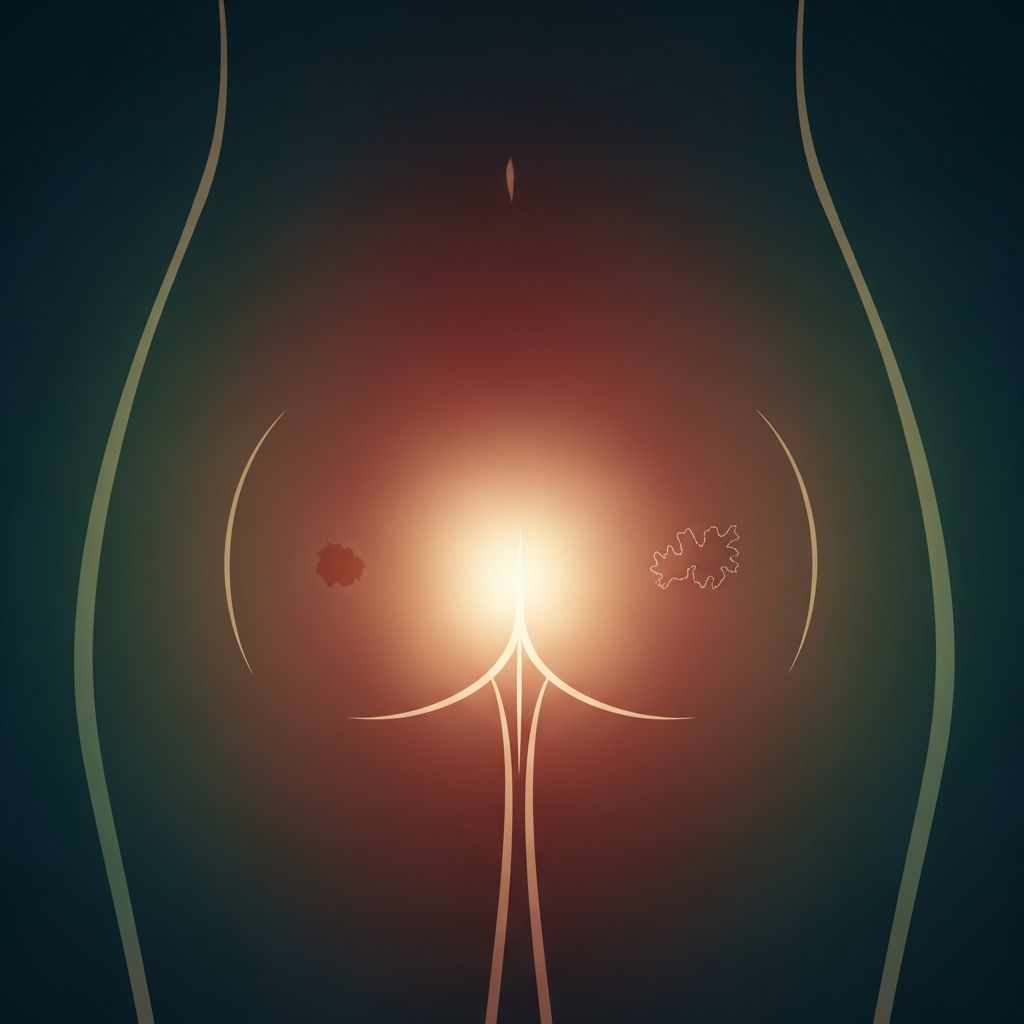
Anal cancer is a rare but serious condition that develops in the tissues of the anus, the opening at the end of the rectum through which stool passes. Early detection is crucial because symptoms often mimic more common, benign issues like hemorrhoids or fissures. Common signs include rectal bleeding, anal pain or itching, lumps near the anus, changes in bowel habits, and abnormal discharge. While these symptoms do not always indicate cancer, persistent issues warrant medical evaluation.
The anal canal, a short tube about 1.5 inches long surrounded by sphincter muscles, is where most anal cancers originate. These cancers are often linked to human papillomavirus (HPV) infection, particularly high-risk strains. According to health experts, most cases are treatable with chemotherapy and radiation rather than surgery, preserving sphincter function when caught early.
Symptoms of Anal Cancer
Anal cancer symptoms can vary but often start subtly. Many people experience no symptoms in the early stages, making routine awareness vital, especially for those at higher risk. Bleeding is frequently the first noticeable sign, though it can be mistaken for hemorrhoids.
- Bleeding from the anus or rectum: Bright red blood on toilet paper, in the stool, or in the toilet bowl is common. This may be intermittent or minor at first.
- Anal itching or irritation: Persistent itching around the anus, sometimes accompanied by burning or discomfort.
- A lump or mass: A noticeable growth or swelling at or near the anal opening, which may be painless initially.
- Pain or pressure in the anal area: Discomfort, soreness, or a feeling of fullness, worsening with bowel movements.
- Changes in bowel movements: Narrower or thinner stools, constipation, diarrhea, or increased urgency/frequency.
- Abnormal discharge: Mucus, pus, or blood-tinged discharge from the anus.
- Incontinence or leakage: Difficulty controlling bowel movements in advanced cases.
- Swollen lymph nodes: Lumps in the groin or anal area due to spread.
These symptoms overlap with non-cancerous conditions, but their persistence or combination should prompt a doctor’s visit. For instance, pain may intensify during bowel movements, and discharge can have a foul odor.
Hemorrhoids vs. Anal Cancer
Hemorrhoids, swollen veins in the anus or rectum, are far more common than anal cancer and cause similar symptoms. Distinguishing between them requires professional assessment, as self-diagnosis can delay care.
| Symptom | Hemorrhoids | Anal Cancer |
|---|---|---|
| Bleeding | Painless, bright red blood during bowel movements; intermittent | May be painless but persistent; accompanied by other symptoms |
| Pain/Itching | Common with swelling, worsens with straining | Persistent, may not relate to bowel habits |
| Lump | Soft, reducible protrusion | Firm mass that doesn’t resolve |
| Other | Triggered by constipation, pregnancy, heavy lifting | Bowel changes, discharge, lymph node swelling |
Hemorrhoids result from straining, low-fiber diets, pregnancy, obesity, or anal intercourse. They often resolve with lifestyle changes or treatments like creams. However, if bleeding continues beyond a week, or if a lump persists, anal cancer must be ruled out.
Anal Cancer With No Symptoms
Early-stage anal cancer may produce no noticeable signs, allowing silent progression. Gradual onset of mild bleeding or discomfort might be overlooked. As the tumor grows, symptoms become evident, but early detection via screening in high-risk groups improves outcomes significantly. Routine check-ups are recommended for those with HIV, HPV history, or multiple anal sex partners.
Risk Factors for Anal Cancer
Related Stories



While the exact cause isn’t always clear, most anal cancers (about 90%) are linked to persistent HPV infection, spread through skin-to-skin contact, especially receptive anal sex. Other factors include:
- HPV infection: High-risk types like HPV-16 and 18.
- Immunosuppression: HIV/AIDS, organ transplants.
- Smoking: Increases risk by impairing immune response.
- Anal sex: Higher exposure to HPV.
- History of other cancers: Cervical, vulvar, vaginal, or bowel cancers.
- Age and gender: More common over 50, slightly higher in women.
HPV vaccination significantly reduces risk, ideally before sexual activity begins.
Diagnosis of Anal Cancer
Diagnosis starts with a thorough history and physical exam, including a digital rectal exam (DRE) where a gloved finger checks for masses. Further tests include:
- Anal Pap test: Swabs anal cells for precancerous changes.
- Anal HPV test: Detects high-risk HPV strains.
- Anoscopy or sigmoidoscopy: Visualizes the anal canal with a lighted scope.
- Biopsy: Samples suspicious tissue for lab analysis.
- Imaging: CT, MRI, or PET scans to check spread.
No standard screening exists for the general population, but high-risk individuals may benefit from annual anal Paps.
Treatment and Prognosis
Treatment typically involves chemoradiation (chemotherapy like 5-FU with mitomycin plus radiation), curing 80-90% of early-stage cases without surgery. Advanced stages may require surgery like abdominoperineal resection. Prognosis is excellent if localized; five-year survival exceeds 70% overall. Staging ranges from 0 (precancerous) to IV (metastatic).
When to See a Doctor
Seek immediate care for rectal bleeding, persistent anal pain/itching, unexplained lumps, bowel changes lasting over a week, or discharge. Early intervention can prevent progression. Providers are experienced with these sensitive topics—don’t delay due to embarrassment.
Frequently Asked Questions (FAQs)
What are the first signs of anal cancer?
The earliest sign is often rectal bleeding, followed by itching, pain, or a lump. These can mimic hemorrhoids, so professional evaluation is key.
Can anal cancer be cured if caught early?
Yes, early-stage anal cancer has a cure rate of over 80% with chemoradiation, often avoiding surgery.
Is anal cancer caused by HPV?
Most cases (90%) are linked to high-risk HPV strains, preventable via vaccination.
How is anal cancer different from rectal cancer?
Anal cancer starts in the anal canal; rectal in the rectum. They have different cells and treatments.
Should I get screened for anal cancer?
High-risk individuals (e.g., MSM, HIV-positive) should discuss anal Pap tests with their doctor.
References
- Signs and Symptoms of Anal Cancer — American Cancer Society. 2023-10-15. https://www.cancer.org/cancer/types/anal-cancer/detection-diagnosis-staging/signs-and-symptoms.html
- Anal Cancer – Symptoms and Causes — Mayo Clinic. 2024-05-20. https://www.mayoclinic.org/diseases-conditions/anal-cancer/symptoms-causes/syc-20354140
- Anal Cancer: Symptoms, Causes & Treatment — Cleveland Clinic. 2024-02-10. https://my.clevelandclinic.org/health/diseases/6151-anal-cancer
- Anal Cancer Symptoms — MD Anderson Cancer Center. 2023-11-05. https://www.mdanderson.org/cancer-types/anal-cancer/anal-cancer-symptoms.html
- Anal Cancer Symptoms — Northwestern Medicine. 2024-01-12. https://www.nm.org/conditions-and-care-areas/cancer-care/gastrointestinal-cancers/anal-cancer/symptoms
Similar Articles








Read full bio of Sneha Tete