Anal Fissure: Expert Guide To Causes, Treatment, Prevention
Comprehensive insights into anal fissures: from symptoms and causes to effective treatments and prevention strategies for lasting relief.
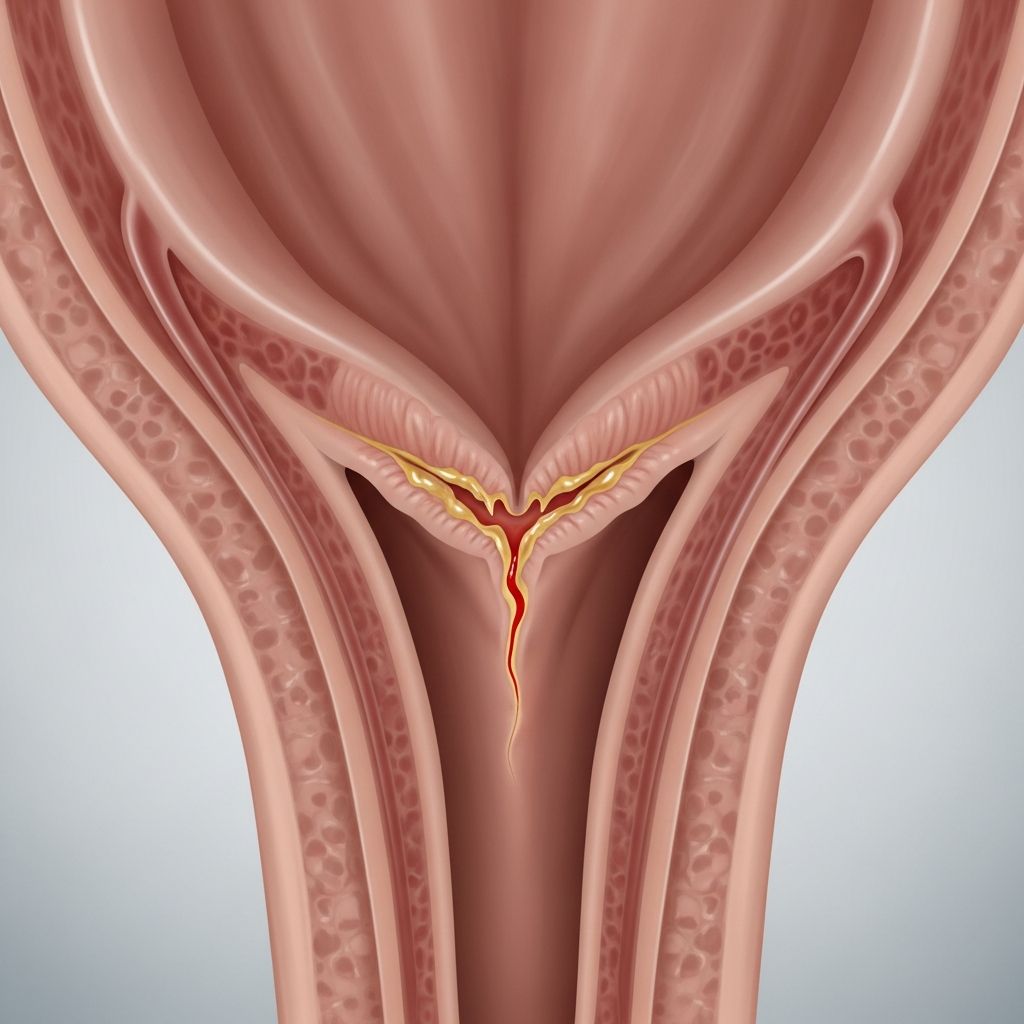
Anal fissures represent a prevalent yet often overlooked condition involving small tears in the delicate lining of the anus, leading to considerable discomfort during everyday activities like bowel movements. These tears typically arise from physical strain or underlying health issues, affecting individuals across all age groups with symptoms that can range from mild irritation to intense pain. Understanding this condition thoroughly empowers people to seek timely interventions, promoting faster recovery and preventing chronic complications.
Recognizing the Signs of an Anal Fissure
The hallmark of an anal fissure is
sharp, tearing pain
that strikes during or immediately after passing stool, often described as feeling like a knife cut or burning sensation that lingers for minutes to hours. This pain stems from the tear irritating sensitive nerve endings in the anal region. Many individuals noticebright red blood
streaking the toilet paper, on the stool surface, or dripping into the toilet bowl, though the amount is usually minimal and not indicative of more serious internal bleeding.Additional discomforts include itching around the anus, a sensation of tightness or spasm in the anal muscles, and sometimes a visible skin tag or lump near the tear site in chronic cases. Pain can become so severe that it leads to fear of bowel movements, resulting in deliberate stool withholding, which exacerbates constipation and perpetuates the cycle. Unlike hemorrhoids, which may cause throbbing pain or fullness, fissure pain is distinctly acute and localized to the anal opening.
Root Causes Behind Anal Fissures
Most anal fissures develop due to
trauma to the anal lining
, primarily from passing hard, large stools during constipation episodes where excessive straining stretches and tears the tissue. Paradoxically, chronic diarrhea can also irritate the area, as repeated passage of loose stools causes friction and inflammation. Childbirth represents another common trigger, particularly in women, due to the immense pressure exerted during delivery.Less frequent culprits involve underlying medical conditions such as
inflammatory bowel diseases
like Crohn’s disease or ulcerative colitis, which weaken the mucosal lining. Infections including tuberculosis, certain sexually transmitted infections, or rarely, anal cancers can manifest as fissures. In infants and young children, fissures often link to infrequent or overly firm stools. A key mechanism is the resultinganal sphincter spasm
, where pain triggers muscle tightening, reducing blood flow to the injury site and hindering natural healing, thus forming a vicious cycle.Risk Factors That Heighten Vulnerability
- Chronic Constipation: Long-term hard stools and straining are the leading contributors.
- Diarrheal Conditions: Ongoing loose bowels from IBS or infections.
- Pregnancy and Childbirth: Hormonal changes and delivery strains.
- Anal Trauma: From aggressive wiping, anal intercourse, or medical procedures.
- Medical Disorders: IBD, HIV, or reduced anal blood flow in older adults.
Those with poor dietary habits low in fiber, inadequate hydration, or sedentary lifestyles face elevated risks, as do individuals ignoring the urge to defecate.
Classifying Acute vs. Chronic Fissures
Anal fissures split into
acute
(recent onset, lasting under 6-8 weeks) andchronic
(persisting beyond 8 weeks). Acute ones often heal spontaneously with basic care, showing fresh edges and minimal scarring. Chronic fissures, however, develop thickened edges, fibrosis, or sentinel tags, signaling poor healing due to sustained sphincter hypertonicity. Chronic cases affect about 40% of untreated acute fissures and demand more aggressive management to break the spasm-pain cycle.Related Stories



Initial Steps: Self-Care and Conservative Management
The cornerstone of treatment targets stool softening and pain relief to foster healing without invasive measures.
Dietary adjustments
prove essential: aim for 25-30 grams of fiber daily from fruits, vegetables, whole grains, and legumes, paired with at least 8 glasses of water. This bulks and softens stools, minimizing strain. Over-the-counterstool softeners
like docusate or osmotic laxatives such as polyethylene glycol (e.g., MiraLAX) gently promote regularity without cramping.**Sitz baths**—soaking the perianal area in warm water for 10-20 minutes, 3-4 times daily, especially post-defecation—relax sphincter muscles, enhance circulation, and cleanse the area. Topical anesthetics like lidocaine ointment offer immediate pain relief. These measures succeed in over 80% of acute cases within 4-8 weeks, with few side effects.
Advancing to Medical Therapies
When conservative approaches falter, prescription options relax the internal anal sphincter to boost blood flow and healing.
Glyceryl trinitrate (GTN) ointment
(0.2-0.4%) applied twice daily dilates vessels and eases tension, effective in 50-70% of chronic fissures, though headaches affect up to 60% of users. Alternatives includecalcium channel blockers
like nifedipine or diltiazem gels, which similarly reduce pressure with fewer systemic effects.**Botulinum toxin (Botox) injections** into the sphincter provide temporary paralysis (2-3 months), allowing fissures to heal in 50-80% of cases. This outpatient procedure suits those wary of surgery or at incontinence risk, with recurrence possible but repeatable.
Surgical Interventions for Persistent Cases
For refractory fissures (10-20% of cases),
lateral internal sphincterotomy
offers over 95% success. This day surgery cuts a small portion of the internal sphincter, permanently lowering resting pressure without major continence issues (risk <5%). Advancement flaps or fissurectomy serve as alternatives in complex scenarios. Post-op recovery involves 1-2 weeks of pain meds, soft diet, and sitz baths.Prevention Strategies for Long-Term Anal Health
Avoiding recurrence hinges on
lifestyle consistency
: maintain high-fiber intake, hydrate adequately, exercise regularly to stimulate bowels, and respond promptly to defecation urges. Proper wiping technique (front-to-back, moist wipes) and treating constipation early prevent tears. Regular check-ups benefit those with IBD or prior fissures.Potential Complications and When to Seek Urgent Care
Untreated fissures risk infection, abscesses, or fistula formation. Sentinel signs for immediate medical attention include fever, pus discharge, severe unrelenting pain, heavy bleeding, or symptoms lasting over 2 weeks. Differentiate from hemorrhoids, abscesses, or cancers via physical exam or anoscopy; rarely, biopsy confirms atypical causes.
Special Considerations Across Life Stages
In
infants
, fissures link to milk protein sensitivities or withholding; pediatric fiber supplements and laxatives help.Pregnant women
benefit from safe softeners like psyllium.Elderly patients
may need sphincter-relaxing agents due to atrophy-related poor healing. Tailored care ensures efficacy.| Treatment Type | Success Rate | Duration | Side Effects |
|---|---|---|---|
| Conservative (Diet, Sitz Baths) | 80-90% | 4-8 weeks | Minimal |
| GTN Ointment | 50-70% | 6-8 weeks | Headaches |
| Botox Injection | 50-80% | 2-3 months | Incontinence (rare) |
| Sphincterotomy | 95% | Permanent | Incontinence (<5%) |
Frequently Asked Questions (FAQs)
Can anal fissures heal without treatment?
Yes, many acute fissures resolve in days to weeks with self-care, but chronic ones require intervention.
Is surgery the only cure for chronic fissures?
No, medications or Botox often suffice; surgery is reserved for failures.
How does an anal fissure differ from hemorrhoids?
Fissures cause sharp pain and minimal bright bleeding; hemorrhoids bring swelling, itching, and dull ache.
Are there home remedies for pain relief?
Sitz baths, fiber-rich foods, and OTC softeners provide safe relief; avoid stimulants.
Can stress contribute to anal fissures?
Indirectly, via constipation from altered bowel habits, but not directly.
Outlook and Recovery Expectations
With prompt care, most fissures heal fully, restoring normal function. Acute cases recover in weeks; chronic ones may take months but respond well to escalated therapies. Recurrence drops with preventive habits. Consult specialists like colorectal surgeons for personalized plans, enhancing quality of life significantly.
References
- Anal fissure – symptoms, causes, and treatments — Healthdirect (Australian Government). 2023. https://www.healthdirect.gov.au/anal-fissure
- Anal Fissure — Colon & Rectal Specialists. 2024. https://www.crspecialists.com/anal-fissure/
- Anal Fissures: Causes, Treatments, and Recovery — Marsha Harris MD. 2023. https://marshaharrismd.com/anal-fissures-causes-treatments-and-recovery/
- Understanding and Treating Anal Fissures — New York Gastroenterology Associates. 2024. https://www.nygahealth.com/blog/understanding-and-treating-anal-fissures/
- Anal fissure — NHS (UK National Health Service). 2023-10-25. https://www.nhs.uk/conditions/anal-fissure/
Similar Articles








Read full bio of Sneha Tete