Anal Fissure Symptoms: 7 Key Signs You Should Know
Recognize the sharp pain, bleeding, and other key signs of anal fissures to seek timely relief and treatment.
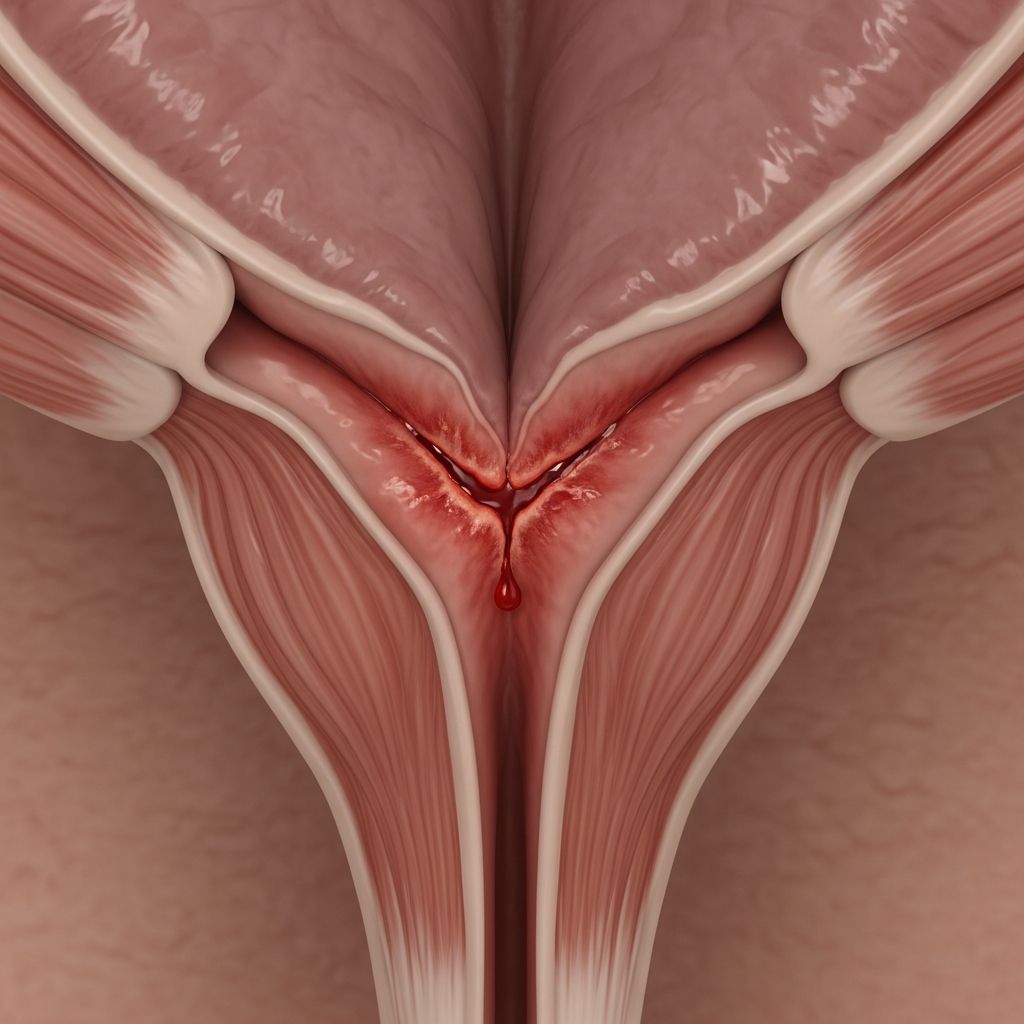
An
anal fissure
is a small tear in the thin, moist tissue lining the anus, often causing intense pain and bleeding during bowel movements. These common yet distressing tears affect people of all ages, from infants to adults, and typically result from passing hard stools or straining.What Is an Anal Fissure?
An anal fissure refers to a longitudinal tear or crack in the anoderm, the sensitive skin lining the anal canal distal to the dentate line. This condition is a frequent cause of emergency visits due to severe anal pain and minor rectal bleeding. Most fissures are idiopathic and solitary, linked to internal anal sphincter (IAS) hypertonicity, which impairs blood flow, delays healing, and perpetuates a cycle of spasm and pain.
Fissures are classified as
acute
if symptoms last less than 6 weeks orchronic
if they persist longer, often featuring hypertrophied anal papillae or sentinel skin tags. They predominantly occur in the posterior midline due to reduced perfusion there compared to other anal regions. Atypical locations, such as lateral or multiple fissures, may signal underlying issues like inflammatory bowel disease (IBD), HIV, tuberculosis, or malignancy.While many acute fissures heal spontaneously within weeks through self-care, chronic ones can form a vicious cycle: pain triggers sphincter spasms, reducing blood flow and preventing closure of the tear.
Anal Fissure Symptoms
The hallmark symptoms of an anal fissure include sharp, severe pain during and after defecation, often described as tearing, cutting, or burning. This pain can radiate to the buttocks, thighs, or lower back and may persist for hours post-bowel movement.
- Severe, sharp pain when pooing or during bowel movements: The most common symptom, triggered by stool stretching the anal lining.
- Burning or throbbing pain after pooing: Lasts minutes to several hours, sometimes causing muscle spasms in the anal sphincter.
- Bright red blood: Streaks on toilet paper, stool surface, or in the toilet bowl; rarely heavy bleeding.
- Visible crack or tear: A small split in the skin around the anus, often posterior.
- Small lump or skin tag: Near the fissure in chronic cases, known as a sentinel pile.
- Anal itching or irritation: Due to exposure or mucus leakage.
- Sphincter spasms: Involuntary tightening, worsening pain and healing delay.
Infants may cry intensely during bowel movements or show distress while passing stool. Chronic fissures might present with recurrent episodes rather than constant pain.
Anal Fissure Causes and Risk Factors
Anal fissures often stem from trauma to the anal lining. Primary causes include:
- Constipation and hard stools: Straining to pass large, firm stools tears the anoderm.
- Chronic diarrhea: Repeated irritation from loose stools.
- Childbirth: Vaginal delivery trauma in women.
- Anal sphincter hypertonicity: Elevated resting pressure reduces perfusion, common in idiopathic cases.
Risk factors encompass:
- Chronic constipation or infrequent bowel movements
- Infancy (very common in babies under 1 year)
- Conditions like Crohn’s disease, HIV, or tuberculosis (atypical fissures)
- Obesity or sedentary lifestyle
- Previous anal surgery or trauma
Related Stories



Approximately 40% of acute fissures become chronic without intervention, as spasms perpetuate ischemia.
How Is an Anal Fissure Diagnosed?
Diagnosis relies on history and physical exam. Patients report severe defecation pain and bright red bleeding, often mistaking it for hemorrhoids.
During exam:
- Visual inspection: Reveals a posterior midline tear; gentle spreading localizes it in obese patients.
- Digital rectal exam: Lubricated finger checks for tenderness, spasms, or the fissure; often limited by pain.
- Anoscopy: If tolerated, visualizes the canal.
Atypical features (off-midline, multiple, non-healing) prompt tests like colonoscopy to exclude IBD, cancer, or infection.
Anal Fissure Treatment
Most acute fissures (over 50%) heal with conservative measures in 4-6 weeks. Treatment aims to soften stools, relieve pain, and relax the sphincter.
Self-Care and Home Remedies
- Increase fiber intake: 25-30g daily from fruits, vegetables, whole grains to ease stool passage.
- Hydration: 8-10 glasses of water daily.
- Sitz baths: Warm water soaks 2-3 times daily for 10-20 minutes to relax muscles and promote healing.
- Stool softeners: Bulk-forming agents like psyllium (Metamucil).
- Topical pain relief: Lidocaine ointment for temporary numbing.
Medical Treatments
For persistent cases:
- Nitroglycerin ointment (0.2%): Relaxes sphincter, boosts blood flow; applied 2-3 times daily for 6-8 weeks.
- Calcium channel blockers: Diltiazem gel reduces pressure without headaches.
- Botulinum toxin injections: Temporarily paralyzes sphincter muscles for 2-3 months, allowing healing in 60-80% of chronic cases.
Surgery
Reserved for chronic, refractory fissures (10-15% of cases):
- Lateral internal sphincterotomy: Cuts a portion of the IAS to reduce pressure; 90-95% success rate, low incontinence risk (1-5%).
- Fissurectomy: Excises the fissure and tags.
Post-treatment, continue fiber and hydration to prevent recurrence.
Anal Fissure vs. Hemorrhoids
| Symptom/Feature | Anal Fissure | Hemorrhoids |
|---|---|---|
| Pain Type | Sharp, episodic during/after BM (90% cases) | Dull, aching, or itching; not always painful |
| Bleeding | Bright red streaks on stool/paper | Dripping blood, more profuse |
| Visible Sign | Linear tear, sentinel tag | Swollen veins, lumps |
| Common Cause | Hard stool trauma, spasms | Straining, pregnancy |
| Pain Duration | Hours post-BM | Constant if thrombosed |
Fissures cause more pain than hemorrhoids, which are more common overall.
When to See a Doctor for Anal Fissures
- Pain or bleeding persists >1-2 weeks despite self-care
- Severe pain interfering with daily life or bowel habits
- Signs of infection (fever, pus, swelling)
- Atypical features: multiple fissures, off-midline, age >50
- Associated symptoms: weight loss, diarrhea, family history of colon cancer
- No improvement after 6 weeks (risk of chronicity)
Seek immediate care for heavy bleeding or black/tarry stools.
Prevention of Anal Fissures
- Maintain soft, regular stools via high-fiber diet and fluids
- Exercise regularly to promote bowel motility
- Don’t delay bowel movements
- Use stool softeners during constipation-prone periods (e.g., postpartum)
- Treat underlying conditions like IBD promptly
These steps reduce recurrence, which affects 20-40% without lifestyle changes.
Frequently Asked Questions (FAQs)
Do anal fissures heal on their own?
Yes, most acute anal fissures heal within 4-6 weeks with self-care like fiber, water, and sitz baths. Chronic ones may need medical intervention.
Can anal fissures cause sepsis?
Rarely; untreated chronic fissures risk infection or abscess, but sepsis is uncommon. Monitor for fever or pus.
Are anal fissures dangerous?
Usually not; they cause pain and bleeding but rarely lead to serious complications if treated promptly.
How long does anal fissure pain last?
Pain episodes last minutes to hours post-bowel movement; full healing takes weeks with treatment.
Is surgery necessary for anal fissures?
Only for 10-15% of chronic, non-healing cases; conservative treatments succeed in most.
References
- Anal fissure – NHS — NHS. 2023. https://www.nhs.uk/conditions/anal-fissure/
- Anal Fissure — Orlando Health. 2024. https://www.orlandohealth.com/services-and-specialties/orlando-health-colon-and-rectal-institute/conditions-we-treat/anal-fissure
- Anal fissure – Symptoms and causes — Mayo Clinic. 2023-10-15. https://www.mayoclinic.org/diseases-conditions/anal-fissure/symptoms-causes/syc-20351424
- Anal Fissure: What It Is, Symptoms, Causes & Treatment — Cleveland Clinic. 2024. https://my.clevelandclinic.org/health/diseases/13177-anal-fissures
- Anal Fissures — StatPearls, NCBI Bookshelf. 2025. https://www.ncbi.nlm.nih.gov/books/NBK526063/
Similar Articles








Read full bio of medha deb