Anal Fissure: Symptoms, Causes, Treatment
Understand anal fissures: painful tears in the anus caused by constipation or strain. Learn symptoms, treatments, and prevention strategies for relief.
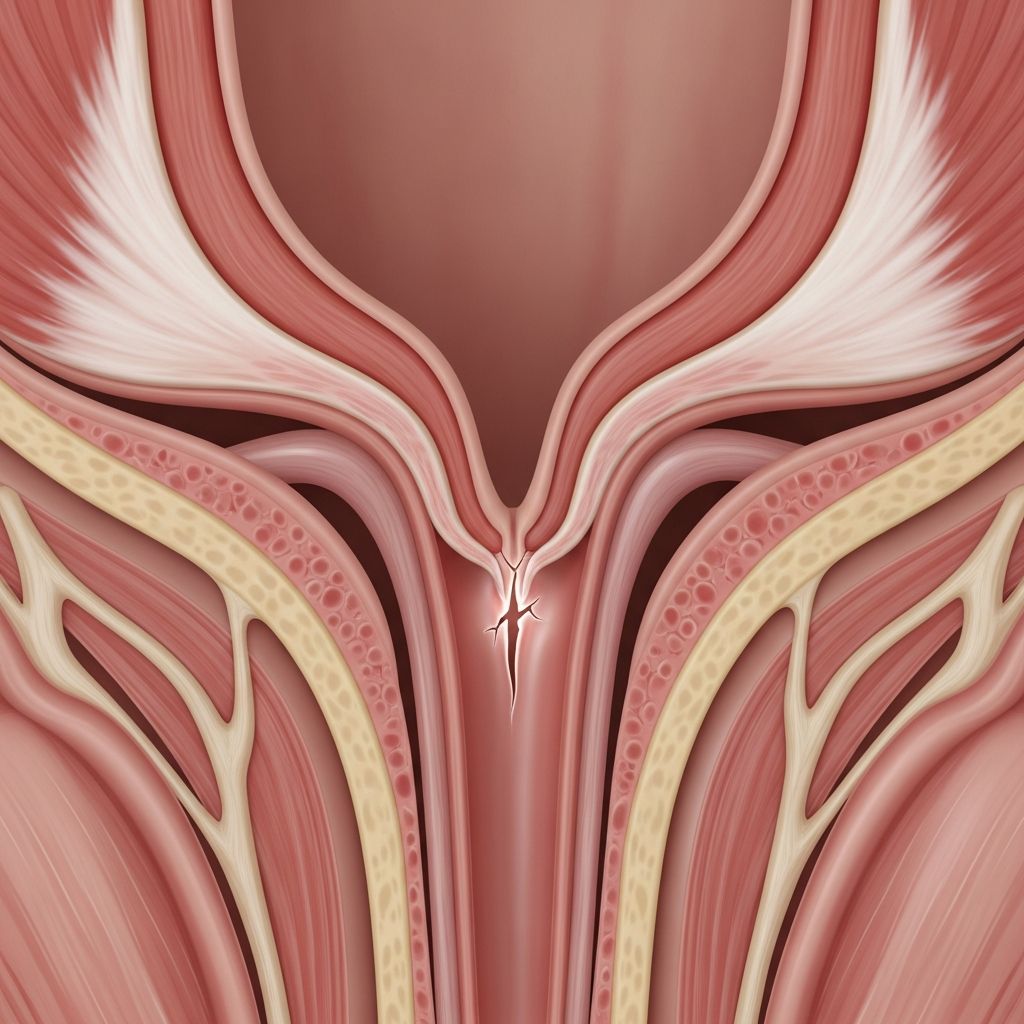
An
anal fissure
is a small tear in the thin, moist tissue (mucosa) that lines the anus, often causing intense pain during bowel movements and bright red rectal bleeding. These fissures typically heal on their own within a few weeks with conservative treatments, but chronic cases may require medical intervention.What Is an Anal Fissure?
An anal fissure is a linear tear or cut in the delicate skin lining the anus or anal canal, usually less than 1 centimeter long. The anus is highly sensitive due to its rich nerve supply, making even small tears extremely painful. Fissures are classified as acute (lasting less than 6 weeks) or chronic (persisting beyond 6 weeks), with chronic ones showing signs like thickened edges, sentinel tags, or exposed sphincter muscle.
They most commonly occur in the posterior midline (80-90% of cases) due to high pressure from the internal anal sphincter there. Anterior fissures are less common and more frequent in women, while off-midline locations may signal underlying conditions like Crohn’s disease. Anal fissures affect people of all ages, including infants, but are prevalent in adults due to lifestyle factors.
Symptoms of an Anal Fissure
The hallmark symptom of an anal fissure is
severe pain during and after bowel movements
, often described as sharp, tearing, or burning, lasting minutes to hours. This pain arises from stretching of the fissure and sphincter spasm.- Bright red blood on toilet paper, stool surface, or in the toilet bowl from minor bleeding.
- Itching or irritation around the anus.
- A visible crack or tear near the anus, sometimes with a small skin lump (sentinel pile).
- Spasms of the anal sphincter, causing prolonged discomfort.
- In infants: Crying during bowel movements, blood-streaked stools, or refusal to defecate.
Pain can be so intense it leads to constipation from fear of defecation, worsening the cycle. Unlike hemorrhoids, fissures cause more acute pain rather than dull aching.
Causes and Risk Factors
Anal fissures result from trauma to the anal lining, most often from passing hard or large stools during constipation—the leading cause. Straining increases intra-anal pressure, tearing the mucosa.
- Chronic constipation or diarrhea: Hard stools cause mechanical tears; frequent loose stools irritate the area.
- Anal sphincter hypertonia/spasm: Tight muscles reduce blood flow, impairing healing.
- Childbirth: Vaginal delivery strains the perineum.
- Anal intercourse: Trauma from friction.
- Inflammatory bowel diseases: Crohn’s disease or ulcerative colitis cause ulcers.
- Infections/STIs: HIV, syphilis, herpes, Chlamydia, tuberculosis.
- Rare: Anal cancer, prior surgery, reduced blood flow.
Infants are prone due to tight anal sphincters and immature stools. Adults with low-fiber diets, dehydration, or sedentary lifestyles face higher risks.
Diagnosis
Diagnosis begins with a medical history focusing on bowel habits, pain, and bleeding. A visual exam reveals the fissure upon gently spreading the buttocks; straining may expose it. Chronic fissures show hypertrophied papillae, sentinel tags, or exposed fibers.
Related Stories



Anoscopy or digital exam confirms if spasms obscure the view. Off-midline, multiple, or non-healing fissures warrant biopsy, cultures, or colonoscopy to rule out IBD, cancer, or infection. Exam under anesthesia is used if pain prevents outpatient assessment.
Treatment
Over 90% of acute fissures heal with conservative measures promoting soft stools and sphincter relaxation.
Conservative Treatments
- Dietary changes: High-fiber intake (25-30g/day), fruits, vegetables, whole grains; drink 8-10 glasses of water daily.
- Stool softeners: Bulk-forming agents like psyllium or docusate to ease passage.
- Sitz baths: Warm water soaks 10-20 minutes, 3-4 times daily to relax muscles and clean the area.
- Topical treatments: Lidocaine ointment for pain; nitroglycerin (0.2%) or calcium channel blockers (diltiazem 2%) to reduce spasm—increases healing by improving blood flow.
Botox injections relax the sphincter temporarily (2-3 months), healing 60-80% of chronic fissures.
Surgical Treatments
For refractory chronic fissures (10%), lateral internal sphincterotomy (LIS) cuts a small portion of the internal sphincter, relieving spasm and promoting healing (95% success). Risks include minor incontinence (1-5%), rarely permanent. Fissurectomy or advancement flaps are alternatives for select cases.
| Treatment Type | Success Rate | Healing Time | Risks |
|---|---|---|---|
| Conservative (diet, baths) | 70-90% | 4-6 weeks | Low |
| Topicals (GTN, diltiazem) | 50-70% | 6-8 weeks | Headache (GTN) |
| Botox | 60-80% | 4-12 weeks | Temporary incontinence |
| LIS Surgery | 95% | 1-2 weeks | 1-5% incontinence |
Prevention
Prevent fissures by maintaining soft, regular bowel movements:
- High-fiber diet and hydration to avoid constipation.
- Respond promptly to the urge to defecate.
- Exercise regularly for bowel motility.
- Use stool softeners during high-risk periods (postpartum, illness).
- Avoid straining; lubricate if needed.
For chronic sufferers, ongoing fiber supplements prevent recurrence.
When to See a Doctor
Seek care if pain persists >1 week, heavy bleeding, fever, pus, or bowel habit changes occur. Infants with symptoms need pediatric evaluation. Non-healing fissures (>6-8 weeks) require specialist referral to exclude serious pathology.
Frequently Asked Questions (FAQs)
What does an anal fissure feel like?
It feels like sharp, knife-like pain during bowel movements, sometimes radiating to the buttocks, lasting minutes to hours.
How long does an anal fissure take to heal?
Acute: 1-6 weeks with treatment; chronic may need months or surgery.
Can anal fissures lead to complications?
Rarely, untreated chronic fissures cause infection, abscess, or fistula; surgery risks minor incontinence.
Are anal fissures dangerous?
Usually not, but symptoms mimic hemorrhoids, cancer, or IBD—prompt evaluation is key.
Can children get anal fissures?
Yes, common in infants from hard stools; resolves with diet and baths.
References
- Anal fissure: Causes, symptoms, and treatments — Medical News Today. 2023. https://www.medicalnewstoday.com/articles/what-is-anal-fissure-and-what-causes-it
- Anal Fissure — Orlando Health Colon and Rectal Institute. 2024. https://www.orlandohealth.com/services-and-specialties/orlando-health-colon-and-rectal-institute/conditions-we-treat/anal-fissure
- Understanding Anal Fissures — UMass Memorial Health. 2023. https://www.ummhealth.org/health-library/understanding-anal-fissures
- Anal Fissure: Treatment, Symptoms, Causes, Healing, and More — Healthline. 2024. https://www.healthline.com/health/anal-fissure
- The management of patients with primary chronic anal fissure — PMC/NIH (PMC3099002). 2011 (authoritative review). https://pmc.ncbi.nlm.nih.gov/articles/PMC3099002/
Similar Articles








Read full bio of medha deb