Anal Fissures: Causes, Symptoms, and Treatment Options
Complete guide to understanding anal fissures, their causes, symptoms, and effective treatment strategies.
What Is an Anal Fissure?
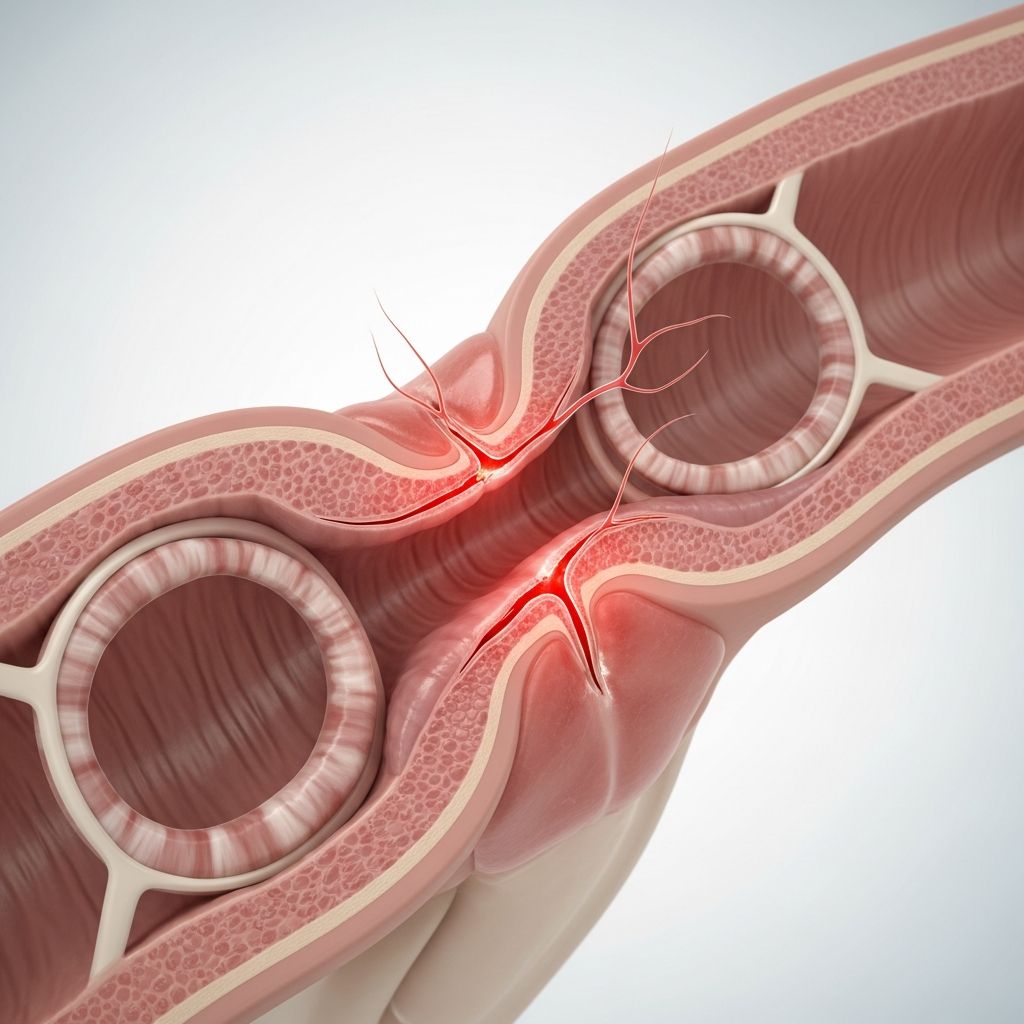
An anal fissure is a small tear or cut in the skin that lines the anal canal, the final part of the digestive tract. This common condition typically causes severe pain during and after bowel movements, often accompanied by visible bleeding. While anal fissures can be quite painful and uncomfortable, they are generally not serious and most heal with appropriate care and treatment.
Anal fissures are classified into two main categories based on their duration and characteristics. Acute anal fissures are those present for less than six weeks and typically resolve on their own without intervention. Chronic anal fissures, on the other hand, persist for six to eight weeks or longer and are more difficult to treat, often requiring medical intervention to promote healing.
When chronic fissures develop, they may be accompanied by additional tissue growths. An external lump called a sentinel pile or skin tag may form on the outside of the tear, while internally, extra tissue just inside the anal canal called a hypertrophied anal papilla may develop. It is important to note that these extra pieces of tissue are completely benign and do not contribute to the fissure itself; they are simply a result of having a fissure.
Causes and Risk Factors
Anal fissures are primarily caused by trauma to the inner lining of the anal canal. Understanding the underlying causes is essential for both prevention and treatment.
Primary Causes
The most common cause of anal fissures is passing hard, dry bowel movements, typically associated with constipation. However, loose stools and diarrhea can also cause fissures by creating mechanical stress on the anal tissue. Other common causes include:
- Chronic constipation and straining during bowel movements
- Rough or excessive wiping of the anal area
- Anal trauma or injury
- Childbirth and pregnancy-related stress
- Rough sexual activity or anal intercourse
- Prolonged sitting or irritation from hemorrhoids
Atypical Causes
While less common, certain medical conditions can lead to anal fissures and should be investigated if fissures do not respond to standard treatment. These atypical causes include inflammatory bowel diseases such as Crohn’s disease and ulcerative colitis, as well as infections including syphilis, tuberculosis, and HIV/AIDS. In rare cases, anal cancer or other malignancies may present with symptoms similar to anal fissures.
The Pain Cycle
Anal fissures create a particularly challenging situation because they trigger a self-perpetuating cycle of pain and poor healing. When the cut or tear occurs along the anal lining, it causes severe anal pain, which results in involuntary anal sphincter spasm. This spasm increases the pressure in the anal sphincter muscle, which in turn decreases blood flow to the site of the injury.
Related Stories



The reduced blood flow from increased sphincter pressure significantly impairs the wound’s ability to heal. During the next bowel movement, pain and spasm occur again, creating a vicious cycle: pain → spasm → reduced blood flow → nonhealing fissure. This cycle continues to perpetuate the problem, which is why effective treatment focuses on interrupting this pattern to allow the tissue to heal properly.
Symptoms and Diagnosis
Common Symptoms
The primary symptoms of an anal fissure are distinctive and often quite severe. Patients typically experience:
- Severe pain during bowel movements
- Pain after bowel movements that can last from several minutes to several hours
- Bright red blood on toilet paper or in the stool
- Visible tears or cracks around the anal opening
- Itching or irritation around the anus
- A small visible lump or skin tag near the tear
Diagnosis
Diagnosis of an anal fissure typically begins with a careful medical history and physical examination. Your healthcare provider will ask about your symptoms, bowel habits, and any recent episodes of constipation or diarrhea. During the physical examination, the doctor may perform a gentle external inspection of the anal area, often without requiring anoscopy in cases of obvious acute fissures.
For chronic fissures or when the diagnosis is unclear, additional diagnostic procedures such as anoscopy (examination with a small camera) may be necessary to rule out other conditions and confirm the diagnosis.
Conservative Treatment Options
The majority of anal fissures will spontaneously resolve and will never require surgery. Conservative treatment is the first-line approach and is effective for more than 80% of patients with anal fissures.
Dietary Modifications and Fiber
The best treatment for an acute anal fissure is to control the consistency of stool using fiber and laxatives. It is strongly recommended to maintain a diet high in fiber and utilize over-the-counter fiber supplementation, totaling 25 to 35 grams of fiber per day. Adequate fiber intake helps soften stools, making bowel movements less traumatic and allowing the fissure to heal.
Hydration
Drinking adequate fluids is essential for preventing constipation and maintaining soft stools. Most healthcare providers recommend drinking at least eight to ten glasses of water daily, adjusting based on individual needs and climate.
Sitz Baths
Soaking in warm water for 10 to 20 minutes several times daily, especially after bowel movements, can help relax the sphincter and promote healing. These warm baths, also called sitz baths, soothe the skin and help alleviate pain and muscle tension. The warmth facilitates increased blood flow to the affected area, supporting the healing process.
Stool Softeners and Laxatives
Stool softeners help reduce the strain required during bowel movements, decreasing trauma to the fissure. Over-the-counter options like docusate sodium are safe and effective for maintaining soft stools without the harsh effects of traditional laxatives.
Pain Management
Topical anesthetic creams such as lidocaine (Xylocaine) can provide temporary pain relief. These medications help reduce pain during and after bowel movements, making it easier for patients to maintain their daily activities while the fissure heals. Over-the-counter pain relievers like acetaminophen or ibuprofen may also help manage discomfort.
Conservative treatment typically requires six to eight weeks to be effective, with most fissures healing completely during this time period.
Medical Treatment Options
When conservative measures fail to provide relief, several medical treatments are available to promote healing and interrupt the pain-spasm cycle.
Topical Nitroglycerin (Rectiv)
Externally applied nitroglycerin is generally considered the treatment of choice when conservative measures fail. This medication helps increase blood flow to the fissure and promote healing while also helping to relax the anal sphincter. Nitroglycerin ointment is typically applied two to three times daily for up to eight weeks. The primary side effect is headache, which can sometimes be severe, though this effect often diminishes with continued use.
Calcium Channel Blockers
Calcium channel blockers such as diltiazem and nifedipine work similarly to nitroglycerin ointment and have been associated with healing of chronic anal fissures in 65% to 95% of patients. These medications must be specially compounded at a pharmacy. While they usually do not cause headaches, they may lower blood pressure, especially when used with other antihypertensive medications. Topical application is generally preferred over oral forms due to better efficacy and fewer side effects.
Botulinum Toxin (Botox) Injection
Botulinum toxin is injected directly into the internal anal sphincter muscle to promote relaxation and subsequent healing. This minimally invasive procedure results in full healing in approximately 50% to 80% of patients. Injections are performed as outpatient, same-day procedures and may occasionally be performed in the office setting. While recurrences may occur in up to 40% of patients, most can be successfully re-injected with good rates of fissure healing. Botox typically lasts for two to three months, allowing time for the fissure to heal. Patients in whom Botulinum toxin injections fail are often recommended for traditional surgical sphincterotomy.
Surgical Treatment
Surgery is recommended when other treatments have not been helpful or when patients prefer a definitive solution. The most common surgical procedure for chronic anal fissures is lateral internal sphincterotomy (LIS).
During this procedure, a small cut is made in the sphincter muscle, which relieves tension and allows the fissure to heal. The procedure is performed as day surgery under anesthesia. While lateral internal sphincterotomy has high success rates for healing fissures, patients should be aware of potential risks, including a small risk of fecal incontinence. This is why Botox injection is often recommended for patients at high risk of developing fecal incontinence from surgery.
Special Considerations for Infants and Children
If your infant has an anal fissure, frequent diaper changes and gentle washing of the area are important preventive measures. Ensure the diaper area is kept clean and dry, and discuss any concerns about anal fissures with your child’s healthcare team. Most fissures in infants and young children resolve with conservative care and gentle hygiene practices.
Prevention and Lifestyle Tips
Several preventive measures can help reduce the risk of developing anal fissures or experiencing recurrence after treatment:
- Maintain a high-fiber diet with at least 25 to 35 grams of fiber daily
- Drink adequate fluids throughout the day
- Avoid straining during bowel movements
- Exercise regularly to maintain digestive health
- Respond promptly to the urge to have a bowel movement
- Use gentle wiping techniques or consider using soft, moistened wipes
- Avoid prolonged sitting on hard surfaces
- Practice good hygiene without excessive scrubbing
- Address constipation promptly with dietary changes or medical intervention
Frequently Asked Questions
Q: How long do anal fissures typically take to heal?
A: Most acute anal fissures heal within a few days to weeks with appropriate conservative treatment. Chronic fissures lasting more than eight weeks may take six to twelve weeks with medical treatment to heal completely.
Q: Can anal fissures cause serious complications?
A: While anal fissures are generally not serious, chronic fissures that do not heal can significantly impact quality of life due to persistent pain. In rare cases, infection may occur. It is important to seek medical attention if symptoms do not improve.
Q: Are anal fissures contagious?
A: No, anal fissures are not contagious. They are localized tears in the skin and cannot be spread to other people through contact.
Q: Can anal fissures return after treatment?
A: Yes, anal fissures can recur, particularly if the underlying causes such as constipation are not addressed. However, following preventive measures and maintaining good bowel habits can significantly reduce the risk of recurrence.
Q: When should I see a doctor about an anal fissure?
A: You should consult a healthcare provider if you experience severe anal pain, bleeding with bowel movements, or if symptoms persist beyond two weeks despite home treatment. Additionally, seek immediate medical attention if you suspect an infection or if symptoms are severely affecting your quality of life.
References
- Anal Fissure: Causes, Symptoms, and Treatment — Mayo Clinic. 2024. https://www.mayoclinic.org/diseases-conditions/anal-fissure/symptoms-causes/syc-20351424
- Anal Fissure – Diagnosis and Treatment — Mayo Clinic. 2024. https://www.mayoclinic.org/diseases-conditions/anal-fissure/diagnosis-treatment/drc-20351430
- Anal Fissure — NHS. https://www.nhs.uk/conditions/anal-fissure/
- Anal Fissure: Symptoms, Causes, and Treatment — Healthdirect. https://www.healthdirect.gov.au/anal-fissure
- Anal Fissures: What It Is, Symptoms, Causes & Treatment — Cleveland Clinic. https://my.clevelandclinic.org/health/diseases/13177-anal-fissures
- Anal Fissure — Better Health Channel. https://www.betterhealth.vic.gov.au/health/conditionsandtreatments/anal-fissure
Similar Articles








Read full bio of medha deb