Anal Fissures: Causes, Symptoms, and Treatment Options
Complete guide to understanding anal fissures, from symptoms to surgical and non-surgical treatment options.
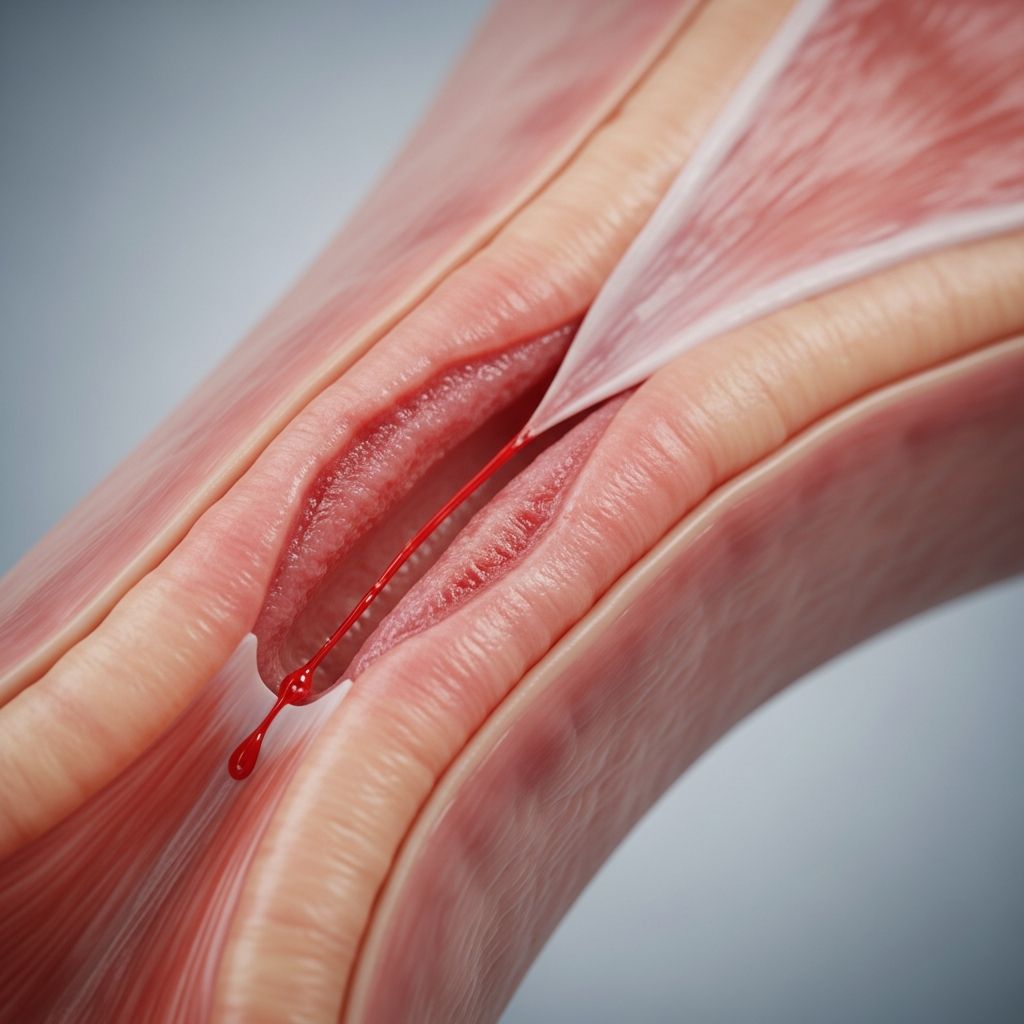
An anal fissure is a small tear or split in the epithelial lining of the anal canal, typically occurring below the dentate line. While these painful tears are among the most common causes of severe anorectal pain, they are often misdiagnosed or confused with other conditions like hemorrhoids. Understanding what anal fissures are, how they develop, and what treatment options are available can help you seek appropriate care and find relief from this uncomfortable condition.
What Is an Anal Fissure?
An anal fissure is a small cut or tear in the sensitive skin lining your anal canal. These fissures typically occur in the posterior midline of the anus, an area with naturally decreased blood flow due to the configuration of blood vessels in the region. The condition commonly causes sharp, tearing pain during and after bowel movements, along with bleeding and itching around the anal area.
Anal fissures are classified into two categories: acute and chronic. An acute fissure is a recent tear that has been present for less than six to eight weeks. A chronic anal fissure is one that fails to heal within this timeframe and develops complications such as ulceration, heaped-up edges, and exposure of the internal anal sphincter muscle at the base of the wound. Studies suggest that up to 40% of anal fissures may resist healing and become chronic, requiring more intensive treatment approaches.
Symptoms and Signs of Anal Fissures
Anal fissures present with characteristic symptoms that often prompt patients to seek medical attention. The primary symptoms include:
- Severe tearing pain during and after bowel movements
- Bright red bleeding with bowel movements or on toilet paper
- Itching and irritation around the anal area
- Visible tear or crack in the skin around the anus
- Pain that may persist for hours after defecation
The pain associated with anal fissures typically exceeds that caused by most types of hemorrhoids, making the condition particularly distressing for patients. Many individuals mistakenly attribute their symptoms to hemorrhoids, delaying proper diagnosis and treatment. The pain intensity often leads to increased anxiety about bowel movements, which can worsen constipation and perpetuate the problem.
Causes and Risk Factors
Anal fissures develop through various mechanisms, often related to trauma to the anal canal. The primary causes include:
- Straining during bowel movements due to constipation or hard stools
- Diarrhea and repeated loose bowel movements
- Childbirth and pregnancy-related straining
- Prolonged sitting or increased intra-abdominal pressure
- Anal trauma or injury
- Inflammatory bowel conditions like Crohn’s disease
The posterior midline location of most anal fissures is thought to result from compromised blood supply to this area. Additionally, the internal anal sphincter muscle plays a crucial role in fissure development and maintenance. When the sphincter becomes tight or hyperactive, it reduces blood flow to the affected area and creates conditions that prevent healing.
Related Stories



Pathophysiology: How Anal Fissures Develop and Persist
Understanding the mechanism behind anal fissure formation and chronicity is essential for appreciating why treatment approaches focus on muscle relaxation. When trauma occurs to the anal canal, it initiates a problematic cycle. The initial tear triggers pain, which causes the internal anal sphincter to contract involuntarily in a protective response. This sphincter spasm increases pressure in the anal canal and reduces blood flow to the area, creating ischemia. This ischemia impairs healing, and the cycle perpetuates itself as pain continues to trigger more spasms.
Over time, the constant cycling of pain and spasm causes the internal anal sphincter to hypertrophy or bulk up from the repeated contractions, which paradoxically widens the fissure and worsens the condition. Patients with chronic anal fissures demonstrate increased resting pressure in the anus compared to those without fissures, confirming the role of sphincter hyperactivity in preventing healing. Breaking this cycle through medical or surgical intervention is therefore the key to successful treatment.
Diagnosis of Anal Fissures
Anal fissures can typically be diagnosed through history and physical examination. Your healthcare provider will begin by discussing your symptoms, including when the pain started, what triggers it, and whether you’ve noticed bleeding. Physical examination involves gentle spreading of the buttocks to visualize the perianal area. The fissure is often easily visible in the anal canal as a small tear in the skin.
Some patients experience extreme discomfort during the initial examination and may require topical anesthesia or even sedation to allow complete evaluation. In such cases, anoscopic examination (using a small speculum called an anoscope to visualize the anal canal) may be performed under anesthesia. This approach ensures proper visualization of the fissure and allows the healthcare provider to assess whether the fissure is acute or chronic, which influences treatment recommendations.
It is important to obtain a definitive diagnosis of a chronic fissure through proper examination rather than assuming anal pain is due to a fissure based on past diagnoses. Many patients with chronic anal pain may have had fissures previously but may be experiencing pain from other causes.
Treatment Options for Anal Fissures
Treatment approaches for anal fissures progress from conservative measures to more invasive interventions. The goal is always to break the pain-spasm-ischemia cycle that perpetuates the condition.
Conservative Medical Management
Most acute anal fissures heal with conservative treatment, and nearly half of chronic fissures also respond to medical therapy. Conservative management focuses on three key components: relaxing the internal sphincter, ensuring atraumatic passage of stool, and providing pain relief.
Recommended conservative approaches include:
- Increased dietary fiber and water intake to soften stools
- Stool softeners or fiber supplements
- Sitz baths (warm water soaking) to relax the sphincter and promote healing
- Topical medications including sphincter-relaxing agents like calcium channel blockers or nitrates
- Topical anesthetics such as lidocaine for pain management (though these may temporarily increase burning sensations)
- Avoiding straining and prolonged sitting
These measures work by reducing the mechanical trauma to the area, relaxing the hyperactive sphincter muscle, and improving blood flow to promote healing.
Injectable Treatments
When conservative measures fail to provide relief, injectable treatments offer a minimally invasive option. Botulinum toxin (Botox) injections into the anal sphincter muscle paralyze the muscle, preventing painful spasms and allowing the fissure to heal. This treatment typically requires only outpatient administration and provides relief within days to weeks, with a healing timeframe of approximately two weeks.
Surgical Treatment Options
When conservative and injectable treatments fail to resolve the fissure after eight weeks or longer, surgical intervention becomes necessary. Healthcare providers recommend surgery when it appears the fissure will not heal without it. Two primary surgical options exist:
Lateral Internal Sphincterotomy (LIS)
Lateral internal sphincterotomy is the gold standard surgical treatment for chronic anal fissures and the most commonly recommended procedure. During this surgery, the surgeon makes a small cut into the internal anal sphincter muscle directly beneath the fissure, typically on the lateral (side) of the anus. This procedure reduces the constant pressure in the sphincter by 20% to 50%, which prevents spasms and improves blood flow to the area, enabling the fissure to heal.
The surgeon locates the anal fissure using an anoscope, then carefully divides approximately 30% of the internal sphincter fibers using either a scalpel or electrocautery. This is typically performed as an outpatient procedure with minimal recovery time.
Lateral internal sphincterotomy boasts impressive success rates, with healing achieved in more than 95% of patients. Most patients experience immediate pain relief and overall high satisfaction with the procedure. Recovery typically takes about two weeks, and patients often notice dramatically improved pain levels even immediately after the procedure.
Fissurectomy
Fissurectomy is a newer alternative surgical approach that does not involve cutting the sphincter muscle. Instead, the surgeon removes the surface layer of the wound, which may have developed scar tissue from chronic healing and reopening cycles. The surgeon also addresses other skin complications such as skin tags or hemorrhoidal tissue to facilitate complete healing. This procedure may be recommended for patients at higher risk of long-term incontinence from sphincterotomy, though lateral internal sphincterotomy remains the more commonly performed procedure.
Comparison of Treatment Approaches
| Treatment Option | Success Rate | Recovery Time | Incontinence Risk |
|---|---|---|---|
| Conservative Management | 50-85% for acute; ~50% for chronic | Variable (weeks to months) | None |
| Botox Injections | Variable; requires repeat treatments | ~2 weeks | Minimal |
| Lateral Internal Sphincterotomy | 95%+ | ~2 weeks | Minor: 60% (mostly flatus); Major: 2-3% |
| Fissurectomy | High (alternative option) | ~2 weeks | Lower than LIS |
Recovery and Complications
Recovery from anal fissure treatment depends on the approach used. Conservative management requires patience as healing progresses over weeks to months. Surgical procedures like lateral internal sphincterotomy typically result in faster recovery, with patients experiencing improved pain levels immediately after surgery and significant functional improvement within two weeks.
While complications are relatively rare, patients should contact their healthcare provider if they experience:
- Persistent or worsening pain beyond expected recovery time
- Signs of infection (fever, increased redness, drainage, or swelling)
- Unexpected bleeding or blood clots
- Difficulty controlling bowel movements or gas
- Other concerning symptoms during recovery
Long-term incontinence after lateral internal sphincterotomy is rare and usually minimal when it does occur. The most common form is minor incontinence to flatus (gas), with only 2-3% of patients experiencing major incontinence to solid stool.
When to Seek Medical Attention
You should contact a healthcare provider if you experience persistent anal pain, bleeding with bowel movements, or symptoms lasting more than a few days. A colorectal surgeon or gastroenterologist can provide accurate diagnosis and help develop an appropriate treatment plan tailored to your specific situation.
Frequently Asked Questions
Q: Are anal fissures serious?
A: While anal fissures are not dangerous, they cause significant pain and can greatly impact quality of life. When they become chronic and fail to heal, they may lead to complications including infections and require surgical intervention for relief.
Q: How long does it take for an anal fissure to heal?
A: Acute anal fissures typically heal within 6-8 weeks with conservative treatment. However, some fissures become chronic and require more intensive treatment, including medications, injections, or surgery to achieve healing.
Q: Can anal fissures return after treatment?
A: While recurrence rates are low, particularly after successful surgical treatment like lateral internal sphincterotomy, maintaining good bowel habits including adequate fiber, hydration, and avoiding straining can help prevent future fissures.
Q: Is surgery necessary for all anal fissures?
A: No. Most anal fissures heal with conservative management including dietary modifications, stool softeners, and sitz baths. Surgery is typically reserved for chronic fissures that fail to respond to conservative treatment after 8+ weeks.
Q: Will I have incontinence after sphincterotomy surgery?
A: Long-term incontinence after lateral internal sphincterotomy is rare and usually minimal. While about 60% of patients may experience minor incontinence to flatus, major incontinence to solid stool occurs in only 2-3% of cases.
Q: Can I prevent anal fissures?
A: You can reduce your risk by maintaining soft stools through adequate fiber and water intake, avoiding straining during bowel movements, and addressing constipation or diarrhea promptly with appropriate medical care.
References
- Lateral Internal Sphincterotomy: Surgery & Recovery — Cleveland Clinic. 2024. https://my.clevelandclinic.org/health/procedures/lateral-internal-sphincterotomy
- What Every Gastroenterologist Needs to Know About Common Anorectal Conditions — National Institutes of Health, PubMed Central. 2009. https://pmc.ncbi.nlm.nih.gov/articles/PMC2710774/
- How You Can Deal With Anal Fissures — Cleveland Clinic Health. 2024. https://health.clevelandclinic.org/how-you-can-deal-with-anal-fissures-2
- Chronic Anal Pain: A Review of Causes, Diagnosis, and Treatment — Cleveland Clinic Journal of Medicine. 2023. https://www.ccjm.org/content/89/6/336
- Rectal Bleeding (Blood in Stool): Causes, Colors & Treatments — Cleveland Clinic. 2024. https://my.clevelandclinic.org/health/symptoms/14612-rectal-bleeding
- Management of Anal Fissures — American Society of Colon & Rectal Surgeons. 2023. https://www.ascrsu.com/ascrs/view/ASCRS-Toolkit/2851088/all/Management_of_Anal_Fissures__2023_
Similar Articles








Read full bio of medha deb