Anal Fissures: Symptoms, Causes, and Treatment Options
Understanding anal fissures: Learn about symptoms, causes, and effective treatment strategies.
Understanding Anal Fissures: A Complete Guide to Symptoms, Causes, and Treatment
An anal fissure is a small tear or crack in the lining of the anal canal, the final portion of your digestive tract. This common condition affects people of all ages and can cause significant discomfort, particularly during bowel movements. Despite being one of the most frequent causes of anal pain and rectal bleeding, many people delay seeking treatment due to embarrassment. Understanding what anal fissures are, why they develop, and what treatment options are available can help you manage this condition effectively and prevent complications.
What Is an Anal Fissure?
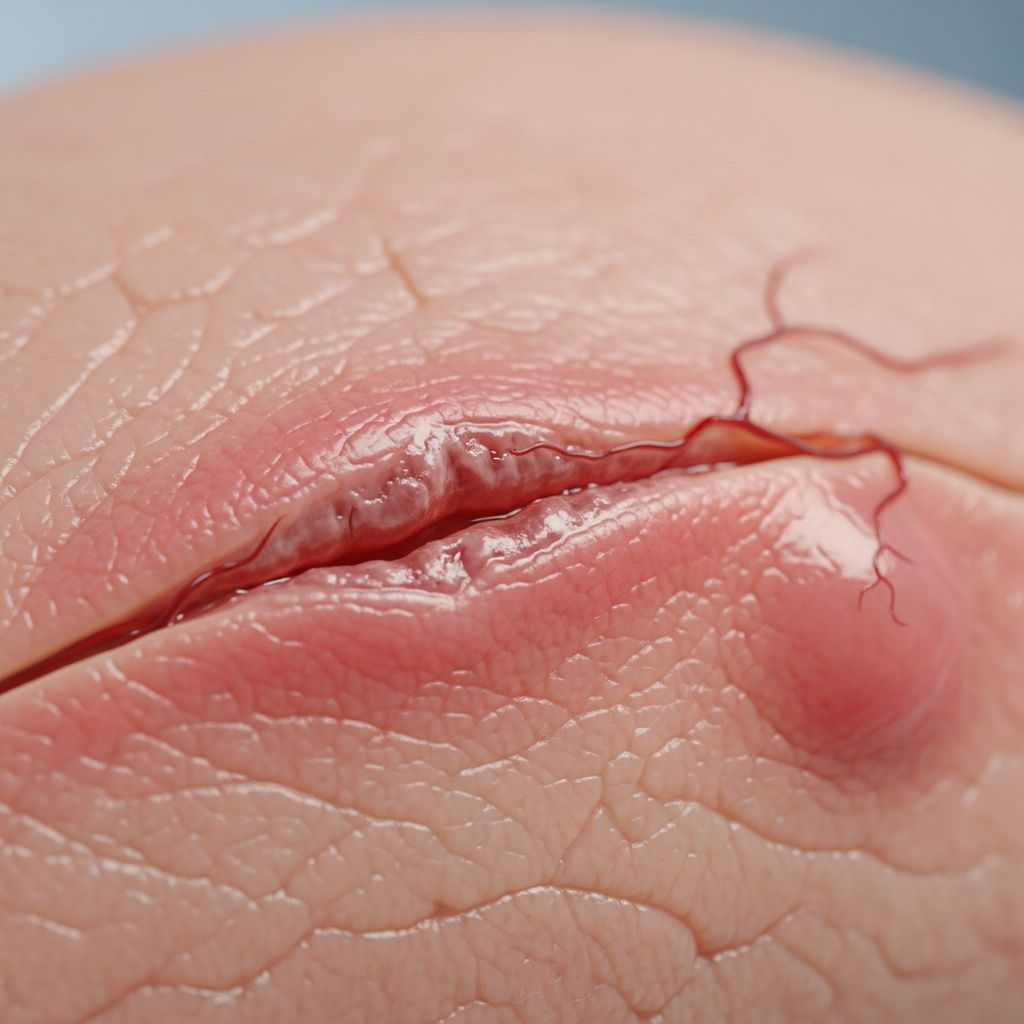
An anal fissure is essentially a longitudinal tear in the anoderm, the sensitive tissue lining the anal canal. This tear typically occurs below the dentate line, a distinctive anatomical boundary within the anal canal. The condition is characterized by a linear split in the tissue, which differs from other anorectal conditions in both appearance and symptom presentation. Most anal fissures occur at either the posterior midline (toward the back) or anterior midline (toward the front) of the anal canal. When fissures occur in other locations, they may indicate underlying secondary causes that warrant further medical investigation.
The anal canal itself has unique anatomical features that make it particularly susceptible to tearing. The upper portion of the anal canal is lined with soft mucosa similar to the rest of the large intestine, which is thinner and more delicate than the skin found in other parts of the body. This makes the tissue more vulnerable to injury and tearing, particularly in infants and young children. Additionally, the anal canal is surrounded by two circular muscles called the anal sphincters, which help control bowel movements. When these muscles become overly tight or spastic, they can increase tension on the anal lining and reduce blood flow to the tissues, making tears more likely and healing more difficult.
Prevalence and Risk Groups
Anal fissures are remarkably common, affecting people across all age groups. The condition is especially prevalent in infants and young children, whose delicate anal tissue is more prone to tearing. Approximately half of all people with anal fissures develop them before reaching age 40. Pregnant women represent another high-risk group, experiencing increased rates of anal fissures due to the physiological changes of pregnancy and the trauma associated with childbirth.
The condition is so common that it represents a frequent cause of emergency department visits. Understanding your risk factors can help you take preventive measures and seek timely treatment if symptoms develop.
Symptoms of Anal Fissures
The symptoms of an anal fissure can range from mild to severe, often depending on whether the fissure is acute or chronic. Recognizing these symptoms early can help facilitate prompt treatment.
Common Symptoms Include:
- Sharp, intense pain during and after bowel movements, often described as burning or cutting sensations
- Visible blood on toilet paper or in the stool, typically bright red in color
- Itching or irritation around the anal area
- Mild bleeding or small amounts of blood in the stool
- A small visible tear or crack in the skin around the anus
- Spasms of the anal sphincter muscles, which may intensify pain
Related Stories



It is important to note that while 90 percent of anal fissures cause pain, this pain typically occurs in episodes rather than continuously. The most severe pain usually happens during bowel movements and may persist for several minutes to hours afterward. Some people experience a dull ache between bowel movements. The intensity of pain often leads people to avoid bowel movements, which paradoxically can worsen constipation and perpetuate the fissure.
Causes and Risk Factors
Understanding the underlying causes of anal fissures is crucial for both treatment and prevention. While trauma to the anal tissue is the primary cause, several factors can contribute to the development and persistence of fissures.
Primary Causes of Anal Fissures
Hard or Large Stools: The most common cause of anal fissures is the passage of hard, dry, or large stools. Straining to pass difficult stools creates mechanical trauma to the delicate anal tissue, resulting in small tears. Constipation is closely linked to anal fissure development, and individuals with a history of constipation experience more frequent episodes.
Chronic Diarrhea: Conversely, chronic diarrhea can also contribute to anal fissure development by causing repeated irritation and inflammation of the anal lining.
Anal Trauma: Direct injury to the anal area from anal intercourse, medical procedures, childbirth, or insertion of objects can cause fissures. Childbirth, in particular, is a significant risk factor for developing anal fissures due to the stretching and potential tearing of tissues during delivery.
Secondary Causes and Underlying Conditions
When anal fissures occur in atypical locations or recur frequently, underlying medical conditions should be investigated. These secondary causes include inflammatory bowel diseases such as Crohn’s disease and ulcerative colitis, which cause chronic inflammation of the digestive tract. Sexually transmitted infections, tuberculosis, HIV infection, and anal cancer can all predispose individuals to developing anal fissures. Prior anal surgery increases the risk of subsequent fissure development, as does anal sexual intercourse.
Anatomical and Physiological Factors
Increased anal sphincter tone, where the muscles surrounding the anal canal are chronically tight or tense, is a significant contributing factor. High sphincter pressure reduces blood flow to the anal lining, making tissues more prone to tearing and less able to heal. This muscular tension can be caused by stress, anxiety, or underlying neurological conditions. Additionally, obesity may increase the risk of anal fissures through increased pressure on the anal region.
Acute Versus Chronic Anal Fissures
Anal fissures are classified based on their duration and healing characteristics. Understanding this distinction is important because treatment approaches differ significantly.
Acute Anal Fissures: These fissures last less than six weeks and typically result from a single episode of trauma, such as passing a large, hard stool. Most acute anal fissures heal spontaneously within a few days to a few weeks with conservative self-care measures. The tissue in acute fissures is still in the initial healing phase, and there are no significant anatomical changes beyond the initial tear.
Chronic Anal Fissures: When an anal fissure persists for more than six to eight weeks, it is classified as chronic. Approximately 40 percent of patients who initially present with acute anal fissures progress to chronic fissures. Chronic fissures enter a self-perpetuating cycle: pain causes the anal sphincter muscles to tighten and spasm, which pulls the fissure open wider and reduces blood flow to the healing tissues. This decreased blood flow impairs healing and increases pain, leading to more muscle tension. Chronic fissures often develop visible anatomical changes, including raised edges, thickened tissue at the tear’s ends (called sentinel piles), and potentially exposed muscular fibers of the internal anal sphincter.
Diagnosis of Anal Fissures
The diagnosis of an anal fissure is primarily clinical and based on your symptoms and a physical examination. Most healthcare providers can confidently diagnose an anal fissure based on your symptom description alone, particularly if you describe severe pain during bowel movements accompanied by bleeding.
Diagnostic Process
Your healthcare provider will begin by asking detailed questions about your symptoms, including when the pain started, its severity, whether you’ve noticed bleeding, and whether you have a history of constipation or other bowel problems. They will also inquire about any recent events that might have caused anal trauma.
During the physical examination, you will be asked to lie on your belly or side while the healthcare provider gently separates your buttocks to visualize the anal area. In many cases, the fissure is visible, and diagnosis can be made immediately. If the examination is too painful, your healthcare provider will not proceed further, as this discomfort itself is diagnostic of an anal fissure.
If you can tolerate further examination, your provider may perform a digital rectal exam by gently inserting a lubricated gloved finger to assess for tenderness, muscle spasms, or other abnormalities. This examination helps rule out other potential causes of your symptoms and provides information about anal sphincter tone and muscle spasms.
For patients with chronic recurrent anal fissures or fissures in atypical locations, examination under anesthesia may be recommended to better visualize the fissure and rule out secondary causes or other anorectal pathology.
Anal Fissures vs. Hemorrhoids: Understanding the Difference
Anal fissures and hemorrhoids are often confused because they share similar symptoms and causes. Both conditions can result from straining during bowel movements, can cause rectal bleeding, anal pain, and itching, and may be related to constipation. However, important distinctions exist between these conditions.
| Feature | Anal Fissures | Hemorrhoids |
|---|---|---|
| Pain Frequency | 90% cause pain, typically episodic | Don’t always cause pain; may be constant |
| Primary Symptom | More commonly causes anal pain | More common overall condition |
| Appearance | Linear tear in tissue | Swollen blood vessels |
| Location | Midline (anterior or posterior) | Can occur anywhere in anal area |
| Healing Timeline | Days to weeks (acute); weeks to months (chronic) | Often persist or recur |
While hemorrhoids are more prevalent overall, anal fissures are the more common cause of significant anal pain. If you experience severe pain with bowel movements, an anal fissure is more likely than hemorrhoids. Your healthcare provider can differentiate between these conditions during physical examination.
Treatment Options for Anal Fissures
Treatment approaches vary depending on whether your fissure is acute or chronic, and many acute fissures resolve with conservative measures alone.
Conservative Treatment for Acute Fissures
Most acute anal fissures heal without specific medical treatment beyond self-care measures. Conservative treatment focuses on reducing pain, promoting healing, and preventing constipation.
Dietary Modifications: Increasing fiber intake through whole grains, fruits, vegetables, and legumes helps soften stools and makes them easier to pass, reducing the trauma that perpetuates fissures. Adequate hydration is equally important—drinking sufficient water throughout the day helps keep stools soft and prevents constipation. A high-fiber diet combined with adequate fluid intake is strongly encouraged for preventing fissure recurrence.
Sitz Baths: Frequent sitz baths (sitting in warm water for 10 to 15 minutes, several times daily and especially after bowel movements) provide pain relief, promote relaxation of anal sphincter muscles, and improve blood flow to the area to facilitate healing.
Stool Softeners and Laxatives: Over-the-counter stool softeners help prevent constipation and reduce the strain needed during bowel movements. Osmotic laxatives can be used temporarily if constipation is problematic.
Pain Management: Over-the-counter pain relievers such as acetaminophen or ibuprofen can help manage discomfort. Topical anesthetic creams containing lidocaine provide temporary local pain relief and can be applied before and after bowel movements.
Medical Treatment for Chronic Fissures
When conservative measures fail or fissures persist longer than six to eight weeks, medical intervention becomes necessary. The goal of medical treatment for chronic fissures is to relax the anal sphincter muscles, reduce muscle spasms, improve blood flow, and allow the fissure to heal.
Topical Medications: Prescription creams containing medications such as nifedipine (a calcium channel blocker) or diltiazem help relax the anal sphincter muscles. These medications reduce anal sphincter pressure, improve blood circulation, and facilitate healing. Topical nitroglycerin is another option that relaxes smooth muscle and increases blood flow, though it may cause headaches in some patients.
Botulinum Toxin Injections: Botulinum toxin (Botox) injected directly into the anal sphincter muscles causes temporary paralysis of these muscles, reducing pressure and spasm. This treatment is particularly useful when topical medications are ineffective or poorly tolerated.
Surgical Treatment
If anal fissures do not heal with medical management or if they recur after initial healing, surgical intervention may be necessary. The gold standard surgical procedure is lateral internal sphincterotomy (LIS), which involves cutting a portion of the internal anal sphincter muscle to reduce tension and lower anal canal pressure. This procedure has a success rate exceeding 90 percent, with most patients experiencing complete resolution of their fissure within three to four weeks after surgery. The high efficacy of surgical treatment makes it an excellent option for patients who have failed conservative and medical management.
Healing Timeline and Prognosis
The timeline for healing depends on the fissure classification. Most acute anal fissures heal within a few days to three weeks with conservative care alone. However, if your fissure has not healed after several weeks, medical treatment becomes necessary. Chronic anal fissures typically require six to twelve weeks of medical treatment before complete healing occurs. After surgical intervention, healing is typically much faster, with most patients experiencing significant improvement within three to four weeks.
About 50 percent of acute anal fissures resolve without any treatment beyond self-care. The prognosis for acute fissures in low-risk patients is excellent, with most healing completely. However, some patients develop chronic fissures that require ongoing management.
Complications of Untreated Anal Fissures
While many anal fissures heal spontaneously, allowing them to persist without treatment can lead to complications. Chronic fissures can result in the development of a sentinel pile (a tag of skin at the fissure’s edge), internal anal sphincter dysfunction, and in rare cases, exposure of the muscular fibers beneath the tissue. Additionally, the chronic pain associated with untreated fissures often leads to avoidance of bowel movements, which worsens constipation and perpetuates the cycle. Seeking timely treatment helps prevent these complications and promotes faster healing.
Prevention Strategies
Preventing anal fissures is often easier than treating them. Key prevention strategies include maintaining adequate fiber intake and hydration to prevent constipation, avoiding straining during bowel movements, responding promptly to the urge to have a bowel movement, and managing stress to reduce anal sphincter tension. For those with a history of anal fissures, these preventive measures are particularly important to reduce the risk of recurrence.
Frequently Asked Questions
Q: How long do anal fissures typically take to heal?
A: Most acute anal fissures heal within a few days to three weeks with conservative care. Chronic fissures may require six to twelve weeks of medical treatment. Surgical treatment typically results in healing within three to four weeks.
Q: Are anal fissures contagious?
A: No, anal fissures are not contagious. They result from trauma to the tissue and cannot be transmitted from one person to another.
Q: Can I get an anal fissure from toilet paper?
A: While rough toilet paper can irritate the area, anal fissures typically result from passing hard stools or other trauma. Using soft, moisturized toilet paper or bidet cleaning may help prevent irritation.
Q: Do all anal fissures cause bleeding?
A: Most anal fissures cause some bleeding, typically bright red blood on toilet paper or in the stool. However, the amount of bleeding varies. Any rectal bleeding should be evaluated by a healthcare provider.
Q: Should I see a healthcare provider for an anal fissure?
A: Yes, it is advisable to consult a healthcare provider if you suspect an anal fissure, particularly if pain is severe or if conservative measures do not provide relief within a week or two. Early evaluation ensures proper diagnosis and appropriate treatment.
Q: Can anal fissures become infected?
A: While infection is not common, it is possible. Signs of infection include increased pain, increased swelling, drainage, or fever. Consult your healthcare provider if you suspect infection.
Q: Is surgery always necessary for anal fissures?
A: No, most acute anal fissures heal with conservative care. Surgery is typically reserved for chronic fissures that do not respond to medical treatment or that recur frequently.
References
- Anal Fissure: What It Is, Symptoms, Causes & Treatment — Cleveland Clinic. 2024. https://my.clevelandclinic.org/health/diseases/13177-anal-fissures
- Anal Fissures – StatPearls — National Center for Biotechnology Information (NCBI). 2024. https://www.ncbi.nlm.nih.gov/books/NBK526063/
- Best Anal Fissure Diet for Relief and Recovery — PharmEasy. 2024. https://pharmeasy.in/blog/best-food-diets-for-people-with-anal-fissures/
- Anal Fissures Causes — News Medical. 2024. https://www.news-medical.net/health/Anal-Fissures-Causes.aspx
Similar Articles








Read full bio of Sneha Tete