Anal Fistula: What It Is, Symptoms, Treatment & Surgery
Complete guide to anal fistula: causes, symptoms, diagnosis, and surgical treatment options.
What Is an Anal Fistula?
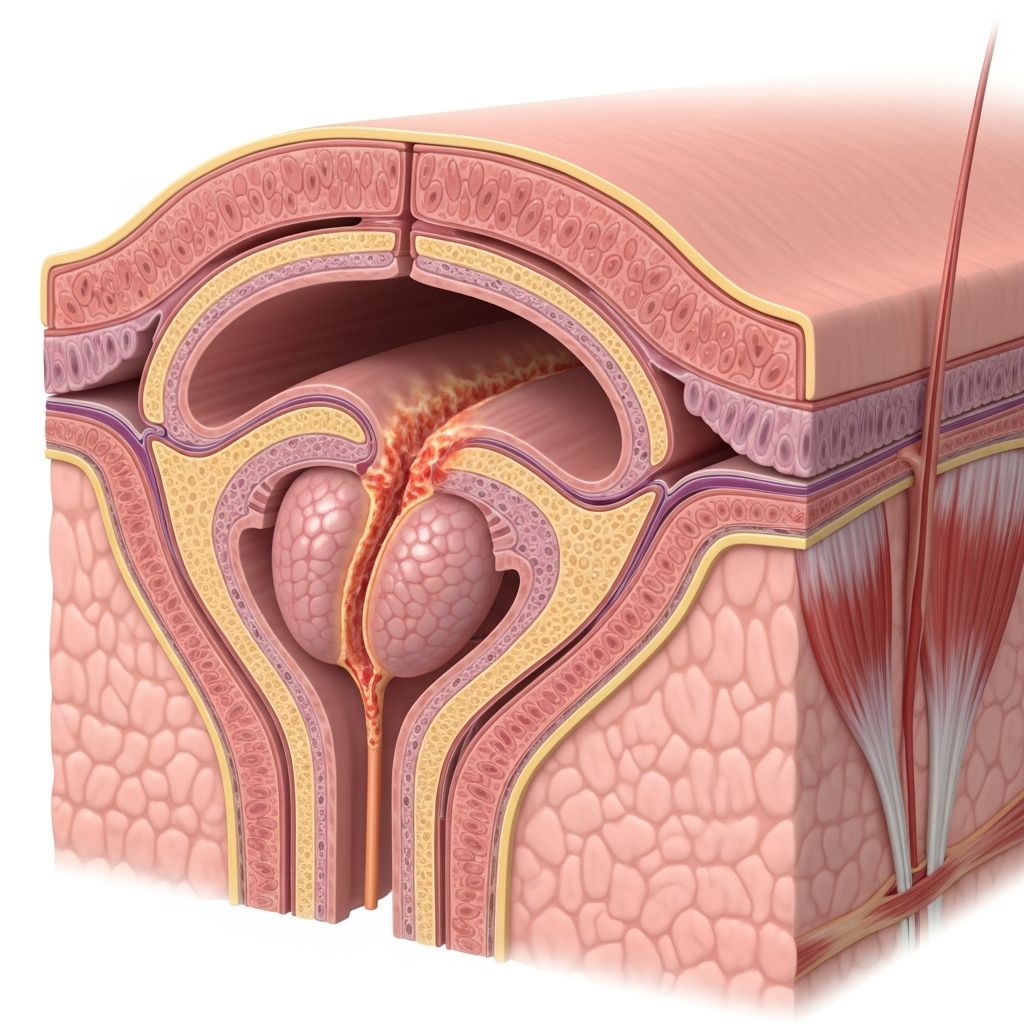
An anal fistula is an abnormal passageway or tunnel that develops from inside your anus to the skin outside your body. This condition typically develops in the upper part of your anus and creates an abnormal connection between the anal canal and the surrounding skin. The fistula tract can vary significantly in complexity, ranging from simple, straightforward tunnels to more complicated branching pathways that require specialized surgical intervention. Understanding this condition is essential for anyone experiencing symptoms, as early diagnosis and treatment can prevent serious complications.
The formation of an anal fistula is fundamentally linked to infection and inflammation in the anal region. When infection occurs in one of the glands located within the anus, it can lead to the development of an abscess—a collection of pus. As the body attempts to drain this abscess, it may create an abnormal tunnel rather than healing properly. This tunnel becomes the fistula, which can cause persistent drainage, discomfort, and other complications if left untreated.
Causes and Risk Factors
The primary cause of anal fistulas is the development of an anal abscess. Most fistulas result directly from this condition, which occurs when an infection in one of the anal glands becomes walled off by the body’s inflammatory response. However, a variety of other factors can contribute to fistula formation:
You are more likely to develop an anal fistula if you have certain conditions or characteristics. Crohn’s disease, an inflammatory bowel condition, significantly increases fistula risk due to chronic inflammation in the digestive tract. Sexually transmitted infections can also lead to fistula development in some cases. Additionally, history of anorectal surgery, abscess drainage, or other anal procedures may increase susceptibility. Certain demographic factors, including male gender and age-related factors, can also influence your risk of developing this condition.
Understanding your risk factors is important for early detection and prevention. If you have inflammatory bowel disease, a history of anal infections, or have undergone anorectal procedures, you should remain alert to symptoms and seek medical attention promptly if concerning signs develop.
Symptoms of Anal Fistula
The symptoms of an anal fistula can vary depending on the severity and complexity of the fistula tract. Common symptoms include:
Drainage and Discharge: One of the most characteristic symptoms is intermittent or continuous drainage from the area around the anus. This discharge may be purulent (containing pus), bloody, or serosanguineous (containing serum and blood). The drainage often stains clothing and can be accompanied by an unpleasant odor.
Swelling and Pain: Patients typically experience anorectal swelling, particularly around the external opening of the fistula. Pain may be intermittent or constant, often worsening with sitting, bowel movements, or physical activity. The pain can range from mild discomfort to severe, affecting daily activities.
Visible Opening: In many cases, patients notice a visible opening or pit on the skin near the anus. This external opening may appear as a small hole, sometimes with surrounding redness or irritation.
Recurrent Symptoms: Patients often report cyclical patterns where symptoms improve temporarily as drainage occurs, only to recur as infection reaccumulates. This pattern of intermittent swelling and drainage is highly characteristic of anal fistula.
Related Stories



If an anal fistula goes untreated, it generally will not heal on its own and can lead to long-term complications, including chronic drainage, persistent pain, recurrent infections, and possible involvement of deeper tissues.
Diagnosis of Anal Fistula
Healthcare providers can diagnose most anal fistulas through a combination of physical examination and specialized imaging or visualization techniques.
Physical Examination: Your physician will typically begin with a thorough physical examination of the area around the anus. The provider will look carefully for an external opening on the skin. If visible, the physician will attempt to determine the depth and direction of the fistula tract. Often, gentle pressure on the area will produce drainage from the external opening, which can help confirm the diagnosis.
Visualization Techniques: Some fistulas may not have a visible opening on the skin’s surface, requiring additional diagnostic tests. Your physician may perform an anoscopy, in which a special lighted instrument is used to see inside your anus and rectum. A proctoscope, which is a longer scope that can visualize your rectum as well, may also be used. In some cases, hydrogen peroxide may be injected into the external opening; the peroxide will interact with any infection present and create bubbles or foam at the site, helping to identify the internal source of the fistula.
Advanced Imaging: For more complex cases, your physician may order additional imaging studies. Ultrasound of the anal area can help visualize the fistula tract, while magnetic resonance imaging (MRI) of the pelvis provides detailed three-dimensional views of the fistula anatomy, the extent of the tract, and any branching patterns. These imaging studies are particularly valuable for complex fistulas that may require staged surgical treatment.
In some situations, if examination causes significant pain, your provider may need to evaluate you in the operating room under sedation or anesthesia to accurately assess the fistula’s anatomy and plan appropriate treatment.
Classification of Anal Fistulas
Anal fistulas are classified based on their anatomical complexity and relationship to the anal sphincter muscles:
Simple Fistulas: The most common anal fistulas are simple, intersphincteric fistulas, which only involve a small amount of muscle. These are generally considered safe to treat in a single surgical operation with low risk of complications.
Complex Fistulas: Your fistula is considered complex if it involves a significant amount of muscle, if it has multiple branches, or if you have preexisting conditions that raise your risk of complications from surgery. Complex fistulas may originate from deeper sources and can involve rectovaginal pathways or have multiple tracts. These typically require multiple staged surgeries to properly eradicate the fistula while preserving sphincter function and maintaining continence.
Surgical Treatment Options
Surgery, performed by a colon and rectal specialist, is usually necessary to manage an anal fistula, as the condition will not heal on its own with conservative measures.
Fistulotomy: The most common surgical approach for simple fistulas is a fistulotomy. During this procedure, the skin and muscle over the tunnel are cut open, converting the fistula into an open groove. This allows the fistula tract to heal from the inside out. A fistulotomy is generally performed on an outpatient basis and has a high success rate, with recent analysis showing cure in 95% of patients who undergo the procedure.
Seton Placement: For more complex fistulas, a surgeon may place a special drain called a seton inside the fistula tract. This drain controls infection and inflammation for at least six weeks, after which a definitive surgical repair is performed. A cutting seton may also be left in place and tightened at intervals, gradually dividing the fistula and any involved anal sphincter tissue. Healing rates with seton-based approaches range from 62% to 100%, depending on the type of definitive operation used.
Endorectal Advancement Flap: This technique involves curettage (scraping) of the fistula tract, suture closure of the internal opening, and covering the internal opening with a mobilized segment of rectum. Retrospective studies and meta-analyses report healing rates of 66% to 87% of patients after initial endorectal advancement flap for cryptoglandular fistula.
OTSC Device: Some surgeons use an over-the-scope clip (OTSC) device to close the internal opening of the fistula tract. This approach places a super-elastic nitinol clip over the internal fistula opening with the aid of a transanal applicator. Primary healing rates of 79% to 90% have been reported with this technique, though follow-up data is still limited.
Surgical Considerations: The primary goals of operative treatment are to obliterate the internal opening and associated epithelialized tracts while preserving anal sphincter function. Since no single technique is appropriate for managing all fistulas, treatment must consider the cause and anatomy of the fistula tract, the degree of symptoms, your comorbidities, and your surgeon’s experience and preference. Very large or deep fistula tunnels may require a short hospital stay rather than outpatient treatment.
Fistulotomy Surgery: Procedure Details
A fistulotomy is the surgical treatment specifically designed for anal fistulas. Once you receive anesthesia, your surgeon will carefully open the channel or tunnel, allowing the fistula to heal. This procedure can cure an anal fistula, though the condition may recur in some cases.
The surgery typically takes 30 minutes to one hour, depending on the size of the fistula. Generally, larger fistulas require longer operative time. You will stay at the hospital until you recover from anesthesia. Your care team will explain post-operative wound care, including when and how to change the gauze covering the wound.
Risks and Complications
While fistula surgery is generally safe and effective, certain risks and complications can occur:
Common Complications: Infection at the surgical site, bleeding, and delayed wound healing can occur after fistula surgery. Temporary or permanent changes in bowel function may develop. Some patients experience fecal incontinence to stool or gas, particularly if the fistula involved significant sphincter muscle. Recurrence of the fistula is possible, occurring in a small percentage of patients even after successful initial treatment.
Sphincter Function: The main risk is related to the extent of anal sphincter muscle that must be divided during surgery. Complex fistulas involving greater amounts of sphincter muscle carry higher risks of postoperative incontinence. This is why surgical planning carefully considers sphincter preservation techniques.
Recovery and Post-Operative Care
Anal fistula procedures are generally outpatient procedures, allowing you to go home the same day, although some people will need to return for more surgery later.
You will receive prescription pain medication to take home along with detailed instructions for self-care. These instructions typically include:
– Keep the wound clean and dry, changing gauze dressings as directed
– Take sitz baths (sitting in warm water) several times daily to promote healing and provide pain relief
– Use prescribed pain medications as needed
– Avoid strenuous activity and heavy lifting during the healing period
– Watch for signs of infection, including increased redness, warmth, drainage, or fever
– Maintain a high-fiber diet and adequate hydration to prevent constipation
– Gradually return to normal activities as tolerated
Most wounds heal within 4-8 weeks, though complete healing of deeper tissues may take longer. Your surgeon will schedule follow-up appointments to monitor healing and address any concerns.
Success Rates and Prognosis
Fistulotomy surgery has a high success rate for treating anal fistulas. Recent analysis shows the procedure cured 95% of people who had the surgery. However, it is important to understand that anal fistula can recur even after successful initial treatment. The recurrence rate varies depending on the fistula type, surgical technique used, and patient factors.
For complex fistulas treated with staged approaches or advanced techniques like OTSC devices or endorectal advancement flaps, success rates range from 62% to 90% depending on the specific technique and the definition of success used.
Frequently Asked Questions
Q: Can an anal fistula heal without surgery?
A: No, an anal fistula will not heal on its own. Without surgical intervention, it will continue to drain and can lead to chronic complications including recurrent infections, persistent pain, and tissue damage.
Q: How long does fistula surgery take?
A: Fistulotomy typically takes 30 minutes to one hour, depending on the size and complexity of the fistula. Larger or more complex fistulas may require longer operative time or staged procedures.
Q: Will I have incontinence after fistula surgery?
A: Most patients maintain normal bowel function after fistula surgery. However, if significant sphincter muscle is involved, temporary or permanent changes in continence may occur. Your surgeon will discuss these risks based on your specific fistula anatomy.
Q: When can I return to work after fistula surgery?
A: Return to work depends on the type of work and the extent of surgery. Most people can return to desk work within 1-2 weeks, while those with physically demanding jobs may need 3-4 weeks or more.
Q: Can an anal fistula come back after surgery?
A: Yes, anal fistulas can recur even after successful surgical treatment, though recurrence rates are relatively low. Complex fistulas have higher recurrence rates than simple fistulas.
Q: What is a seton in fistula surgery?
A: A seton is a special drain placed in the fistula tract during surgery. It helps control infection and inflammation for 6-8 weeks before definitive repair. Setons are commonly used for complex fistulas requiring staged treatment.
References
- Anal Fistula – Cleveland Clinic Abu Dhabi — Cleveland Clinic Abu Dhabi. 2024. https://www.clevelandclinicabudhabi.ae/en/health-hub/health-resource/diseases-and-conditions/anal-fistula
- Fistulotomy: What It Is, Surgery & Recovery — Cleveland Clinic. 2024. https://my.clevelandclinic.org/health/procedures/fistulotomy
- Anal Fistula: What It Is, Symptoms, Treatment & Surgery — Cleveland Clinic. 2024. https://my.clevelandclinic.org/health/diseases/14466-anal-fistula
- Management of Anorectal Abscess, Fistula-in-Ano, and Rectovaginal Fistula — American Society of Colon and Rectal Surgeons (ASCRS). 2022. https://www.ascrsu.com/ascrs/view/ASCRS-Toolkit/2851069/all/Management_of_Anorectal_Abscess__Fistula_in_Ano__and_Rectovaginal_Fistula__2022_
- Fistula: Definition, Types & Causes — Cleveland Clinic. 2024. https://my.clevelandclinic.org/health/diseases/fistula
Similar Articles








Read full bio of Sneha Tete