Anal Itch (Pruritus Ani): Causes, Symptoms, and Treatment
Understanding anal itching: comprehensive guide to causes, symptoms, and effective treatment options.
Understanding Anal Itch: What is Pruritus Ani?
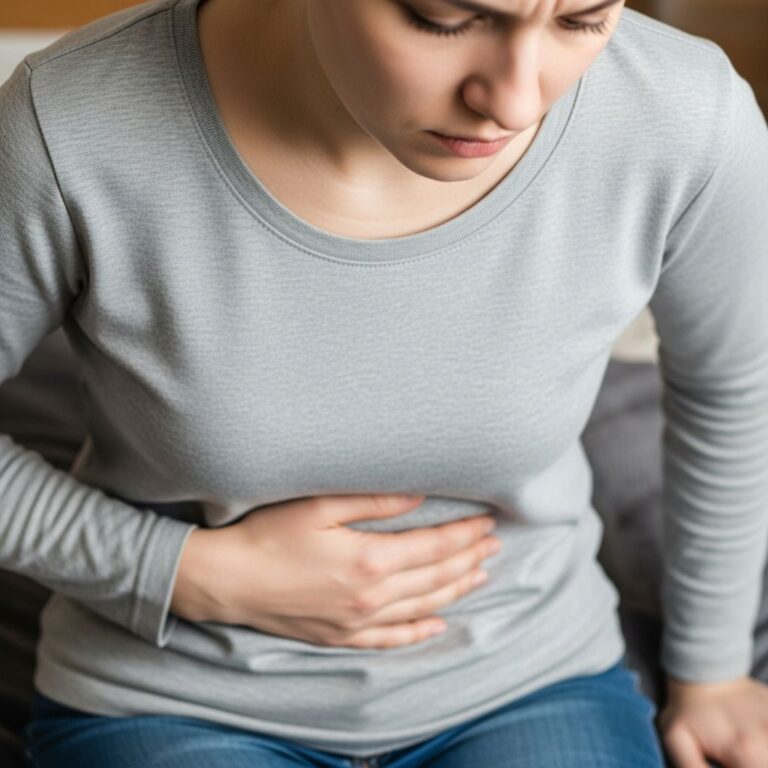
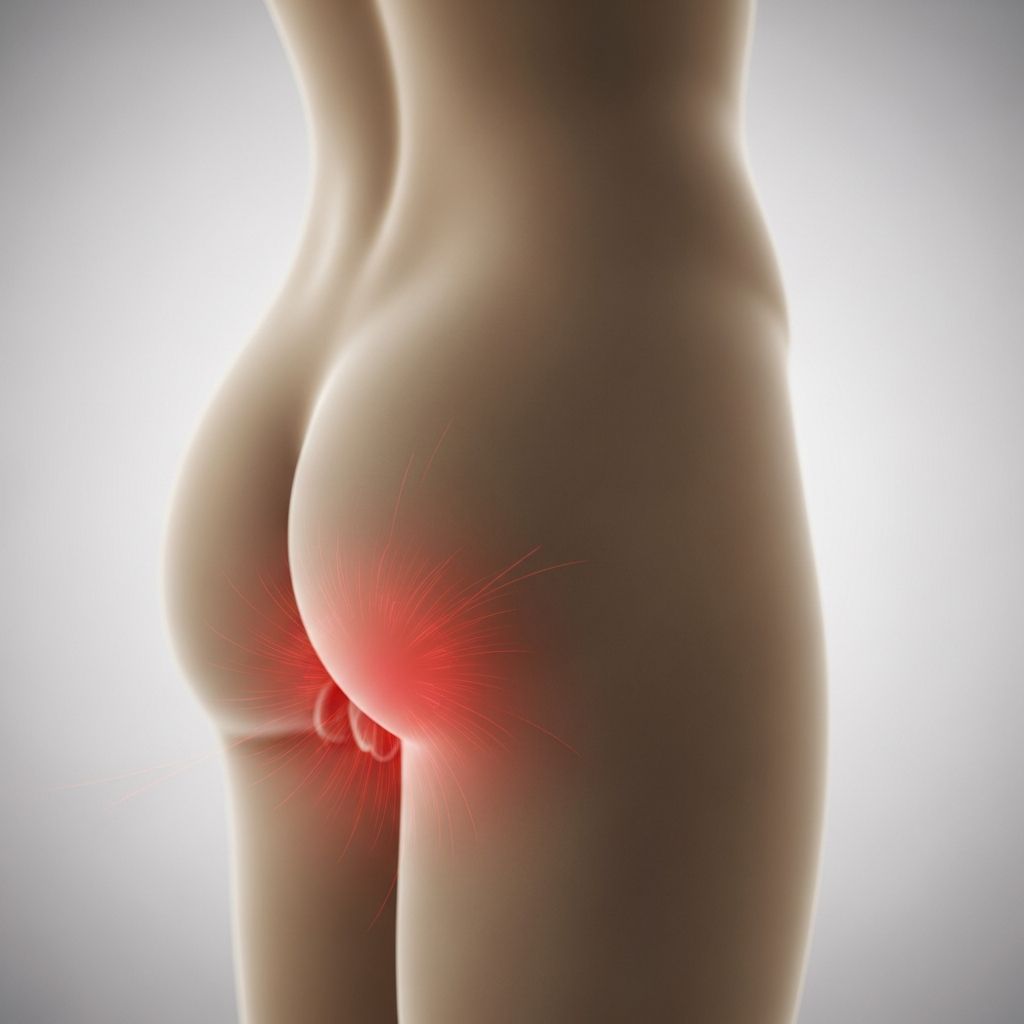
Anal itching, medically known as pruritus ani, is a common skin condition that affects the perianal area—the skin surrounding the anus. This uncomfortable condition is characterized by an intense, often unbearable urge to scratch the affected region. While it may cause embarrassment, pruritus ani is a treatable condition that affects approximately 5% of the adult population, with men experiencing it more frequently than women at a ratio of approximately 4 to 1.
Pruritus ani is classified as a symptom rather than a disease itself, and it can range from mild and occasional to severe and persistent. The itching may occur in the anus itself or in the surrounding skin, and it frequently worsens at night, after bowel movements, or when sitting for extended periods. Understanding this condition is the first step toward finding effective relief and preventing complications.
Common Causes of Anal Itching
Poor Anal Hygiene
One of the most prevalent causes of anal itching is inadequate hygiene after bowel movements. When fecal matter remains in contact with the perianal skin, it can cause significant irritation. Feces are naturally acidic with a pH of approximately 6.6, and prolonged contact with skin causes irritation that triggers itching even in the absence of other underlying diseases. The key to preventing this form of itching involves thoroughly wiping the anus after each bowel movement and ensuring the area is completely clean and dry.
Excessive Moisture and Sweating
The anal region is particularly susceptible to moisture accumulation due to its anatomy and location. Excessive sweating, inadequate drying after bathing, or wearing tight clothing that prevents air circulation can create an environment conducive to itching. The moisture can soften the skin barrier and promote irritation or secondary infections, making proper drying a critical component of prevention.
Reduced Anal Sphincter Pressure
Some individuals experience anal itching due to reduced anal sphincter pressure, which allows small leaks of feces and mucus throughout the day. In these cases, itching can occur despite adequate hygiene practices after bowel movements, as leakage happens intermittently. Such individuals benefit from more frequent cleaning of the anal area and may require additional preventive measures.
Hemorrhoids
Hemorrhoids are swollen, enlarged veins that form inside or outside the anus and rectum. External hemorrhoids can make it difficult to properly clean the anal area after bowel movements, while internal hemorrhoids may cause bleeding or fecal incontinence, both of which can irritate the perianal skin. In some cases, anal itching may be the most prominent symptom of hemorrhoids rather than pain or bleeding.
Anal Fissures
Anal fissures are tears in the lining of the anus or anal canal. While these typically cause significant pain during bowel movements, they can also contribute to itching as part of the healing process. Trauma from constipation, straining during defecation, prolonged diarrhea, or anal sex is the leading cause of anal fissures.
Related Stories



Fungal Infections
Candida, a yeast fungus, commonly causes perianal yeast infections that result in itching. Yeast infections may originate in the vagina or anus and can cause discoloration, swelling, or small cuts and cracks in the skin. These infections thrive in warm, moist environments and are particularly common in individuals with diabetes or those taking antibiotics.
Other Infections
Several other infections can cause anal itching, including scabies, pubic lice, perianal streptococcal dermatitis, and erythrasma. These conditions require specific medical treatment to resolve.
Sexually Transmitted Infections
Individuals who engage in anal sex may contract sexually transmitted infections that cause anal itching. Human papillomavirus (HPV) causes genital warts that can form in and around the perianal area, causing mild bleeding, discomfort, and burning sensations. Genital herpes, syphilis, and gonorrhea can also cause anal symptoms and itching.
Dietary Factors
Certain foods and beverages can irritate the digestive system and contribute to anal itching. Spicy foods, caffeine, citrus fruits, and alcohol are common dietary triggers. These substances can affect bowel consistency and irritate the perianal area, particularly in sensitive individuals.
Skin Conditions
Pre-existing dermatological conditions such as eczema, psoriasis, and dermatitis can extend to the perianal area and cause itching. These conditions are typically present in other areas of the skin as well and may require specialized dermatological treatment.
Bowel Movement Patterns
Both constipation and diarrhea can contribute to anal itching. Individuals who have bowel movements three or fewer times per week or who experience frequent loose stools are at increased risk. Constipation may require straining, which can cause skin trauma, while diarrhea leads to more frequent cleaning and potential skin irritation.
Symptoms and Physical Findings
The primary symptom of pruritus ani is an intense, often irresistible urge to scratch the perianal area. This symptom is most commonly experienced following bowel movements, particularly after liquid stools, and at bedtime just before sleep. Some individuals experience intense itching during the night, disrupting sleep quality.
As itching intensifies and spreads to larger areas, individuals often reflexively scratch and claw at the skin, leading to further damage, excoriation, and potentially secondary skin infections. The cycle of itching and scratching can become self-perpetuating, causing additional complications.
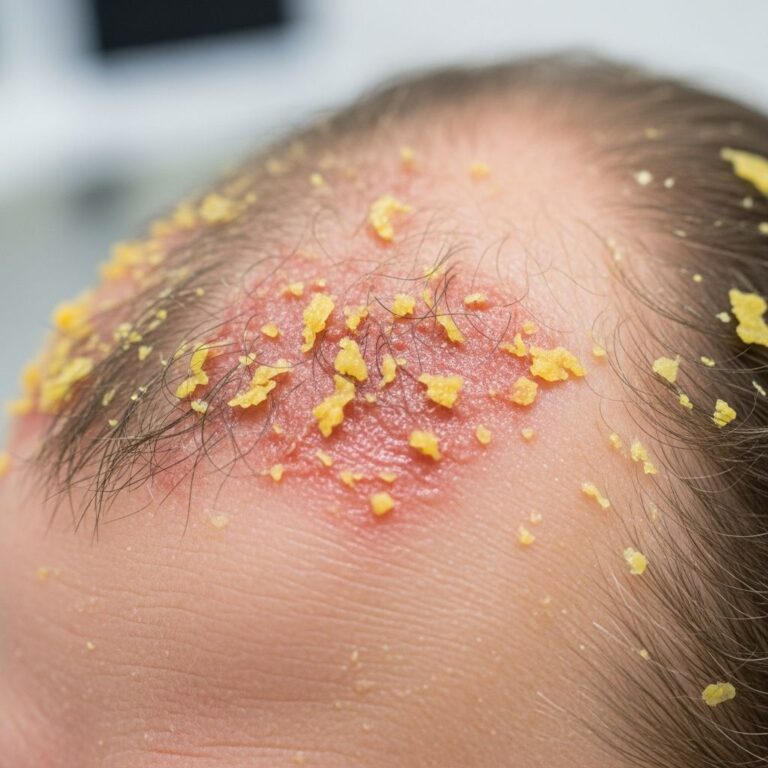
Physical examination findings may include redness, excoriation, lichenification (thickening of the skin), or signs of secondary infection. In cases where infections are present, additional symptoms such as discharge, swelling, or visible lesions may be observed.
Diagnosis and Evaluation
Diagnosis of pruritus ani typically begins with a thorough medical history and physical examination. Healthcare providers will ask about the duration of symptoms, any associated pain, bowel habits, hygiene practices, recent antibiotic use, sexual practices, and any known skin conditions. Visual inspection of the perianal area is essential to identify any obvious lesions, hemorrhoids, fissures, or signs of infection.
When no obvious lesion is detected upon visual inspection and no other associated symptoms are present, the itching is often attributed to irritation from fecal contamination or chemical irritants. In some cases, additional testing may be necessary to rule out infections or other underlying conditions.
Treatment Options
Hygiene and Self-Care
Treatment for anal itching typically begins with establishing and maintaining excellent anal hygiene. The anus should be thoroughly cleaned with water after each bowel movement, using either a bidet or handheld shower. Disposable wet wipes can be used for cleaning throughout the day when itching intensifies. After cleaning, the area should be gently dried completely, as moisture can perpetuate itching.
Many healthcare providers recommend using neutral soap and avoiding aggressive scrubbing or harsh chemicals that can dry or further irritate the skin. The perianal area should be patted dry gently rather than rubbed vigorously.
Moisturizing and Protective Ointments
Applying protective ointments containing zinc oxide or petroleum jelly can help protect the skin from irritation and maintain appropriate moisture balance. Nonmedicated talcum powder can also be used to keep the area dry, though some clinicians prefer moisture-absorbing alternatives to traditional talcum powder.
Over-the-Counter Medications
Over-the-counter hydrocortisone cream, a corticosteroid combined with an anesthetic pain reliever, can be applied to the affected area two to three times daily to reduce inflammation and itching. These products should be used as directed and typically provide temporary relief while underlying causes are addressed.
Dietary Modifications
Eliminating or reducing consumption of foods and beverages known to trigger anal irritation can significantly improve symptoms. Individuals should avoid or limit spicy foods, caffeine, citrus products, and alcohol. Increasing fiber intake and ensuring adequate hydration may also help regulate bowel movements and reduce constipation-related itching.
Treatment of Underlying Conditions
When anal itching results from a specific underlying condition, treatment must address that condition. Hemorrhoids may require topical treatments, medical procedures, or in some cases surgical intervention. Fungal infections are treated with antifungal medications, while bacterial infections require antibiotics. Sexually transmitted infections require appropriate antimicrobial therapy. Skin conditions such as eczema or psoriasis may require dermatological treatment with specific ointments or medications.
Prescription Medications
For persistent cases that do not respond to conservative treatment, healthcare providers may prescribe topical corticosteroids, topical calcineurin inhibitors, or other specialized medications. In cases of bacterial or fungal infections, prescription-strength antifungal creams or antibiotics may be necessary.
Prevention Strategies
- Maintain excellent anal hygiene by cleaning thoroughly after each bowel movement
- Ensure the perianal area is completely dry after cleaning
- Avoid using harsh soaps or excessive scrubbing that can irritate sensitive skin
- Wear breathable, loose-fitting clothing to prevent moisture accumulation
- Avoid sitting for extended periods without breaks
- Limit consumption of known dietary triggers such as spicy foods and caffeine
- Maintain regular bowel habits through adequate fiber and water intake
- Avoid scratching the area, even when itching is intense
- Consider using barrier creams or protective ointments as preventive measures
- Practice safe anal sex techniques to prevent STI transmission
When to Seek Medical Attention
While most cases of anal itching resolve with conservative treatment, medical consultation is recommended if symptoms persist for more than two weeks despite self-care measures, if itching is severe and interferes with daily activities or sleep, if visible lesions or signs of infection develop, if bleeding or discharge occurs, or if symptoms worsen despite treatment. Additionally, individuals with diabetes, immunosuppression, or other chronic health conditions should seek medical evaluation for persistent anal itching.
Frequently Asked Questions
Q: Is anal itching contagious?
A: Most cases of anal itching are not contagious. However, if the itching is caused by an infection such as a sexually transmitted infection, fungal infection, or parasitic infection, it may be contagious through sexual contact or in some cases through other contact with infected individuals or contaminated surfaces.
Q: Can anal itching indicate a serious condition?
A: While most cases of anal itching result from benign and easily treatable causes, persistent anal itching occasionally indicates a more serious underlying condition. It is important to have persistent symptoms evaluated by a healthcare provider to rule out serious conditions and ensure appropriate treatment.
Q: How long does it typically take for anal itching to resolve?
A: The timeline for resolution depends on the underlying cause. Many cases improve within a few days to a week with proper hygiene and self-care measures. Cases caused by infections or skin conditions may require several weeks of targeted treatment. Chronic cases may require ongoing management strategies.
Q: Is scratching the anal area harmful?
A: Yes, scratching can damage the skin barrier, leading to excoriation, increased irritation, and potential secondary infections. Breaking the cycle of itching and scratching is an important component of treatment and prevention of complications.
Q: Can over-the-counter products alone treat anal itching?
A: Many cases of anal itching respond well to over-the-counter products combined with proper hygiene and lifestyle modifications. However, cases caused by infections or specific skin conditions often require prescription medications or specialized treatment directed at the underlying cause.
Q: Should I avoid all soaps when cleaning the anal area?
A: Not necessarily. A mild, neutral soap can be used, but harsh or perfumed soaps should be avoided as they can irritate sensitive perianal skin. Many experts recommend using warm water alone or with minimal soap for routine cleaning.
Summary
Anal itching, or pruritus ani, is a common condition affecting approximately 5% of adults, with men experiencing it more frequently than women. While the exact cause varies among individuals, most cases result from poor hygiene, excessive moisture, hemorrhoids, infections, or dietary factors. Symptoms are characterized by an intense urge to scratch the perianal area, often worsening at night or after bowel movements. Treatment typically focuses on establishing excellent anal hygiene, using protective ointments, modifying diet, and addressing any underlying medical conditions. Most cases respond well to conservative treatment, though persistent or severe symptoms warrant medical evaluation. By understanding the causes and implementing appropriate prevention strategies, individuals can effectively manage anal itching and maintain perianal health.
References
- Anal Itching (Pruritus Ani): Causes, Treatment, Home Remedies — Cleveland Clinic. 2024. https://my.clevelandclinic.org/health/diseases/15574-anal-itching-pruritus-ani
- Pruritus Ani — National Center for Biotechnology Information, National Institutes of Health. 2011. https://pmc.ncbi.nlm.nih.gov/articles/PMC3092075/
- Anal Itching (Pruritus Ani): 12 Causes and Treatment — MD.Saúde. 2024. https://www.mdsaude.com/en/gastroenterology/pruritus-ani/
- Pruritus Ani — American Society of Colon and Rectal Surgeons. 2024. https://fascrs.org/Web/Web/Patients/Diseases-and-Conditions/A-Z/Pruritus-Ani.aspx
- Anal Care — Healthdirect. 2024. https://www.healthdirect.gov.au/anal-care
- Why Is My Butt So Itchy? Doctors Explain the Most Common Causes — Men’s Health. 2024. https://www.menshealth.com/health/a19534928/anal-itching-causes/
- You Don’t Have to Live with an Itchy Anus: Getting to the Bottom of Pruritus Ani — LA Colorectal Surgery. 2024. https://www.lacolorectalsurgery.com/blog/you-dont-have-to-live-with-an-itchy-anus-getting-to-the-bottom-of-pruritus-ani
Similar Articles








Read full bio of medha deb