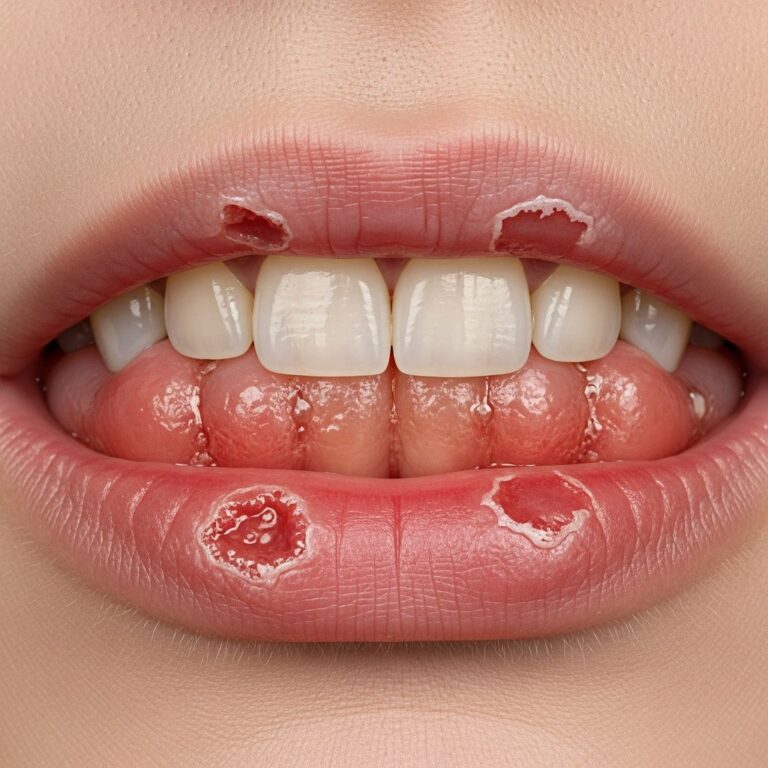
Anal Itching (Pruritus Ani): Causes, Treatment & Relief
Complete guide to understanding anal itching causes, symptoms, treatments, and effective home remedies.
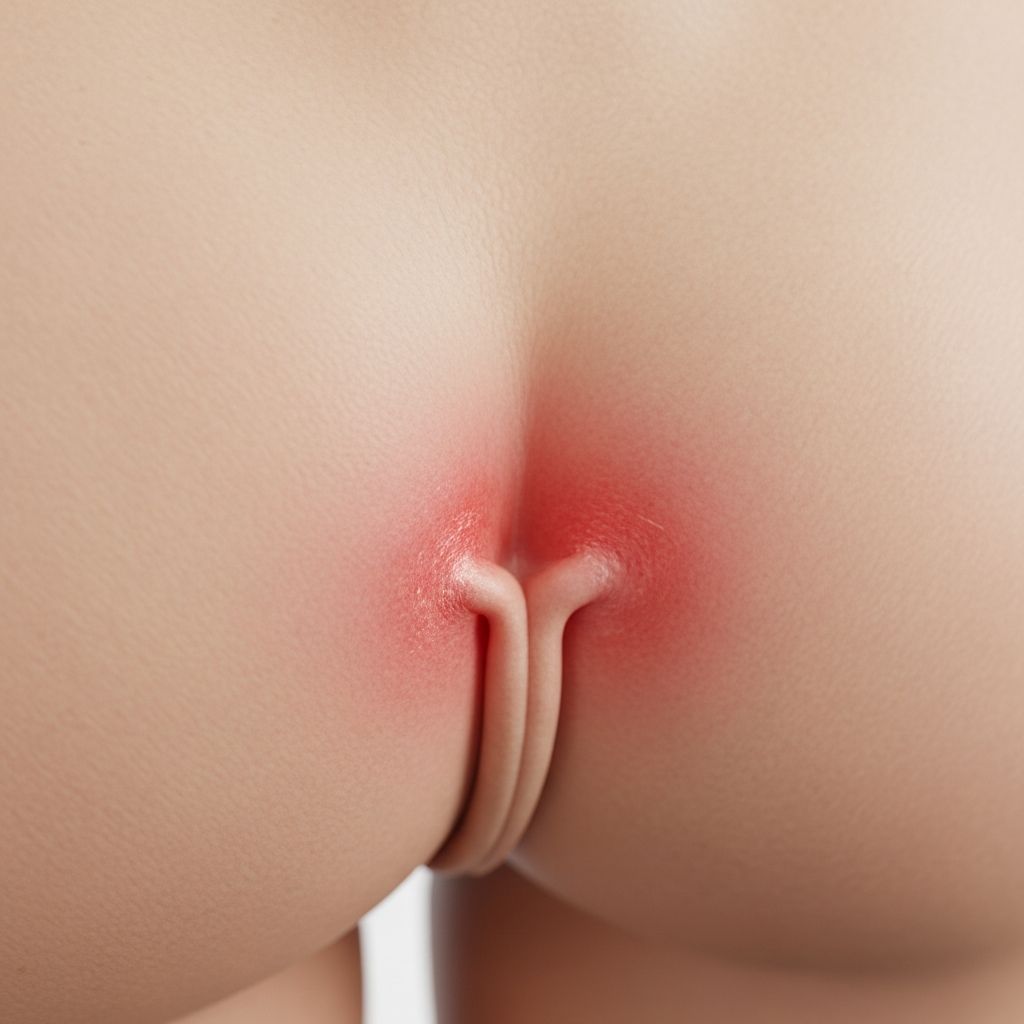
Anal itching, medically known as pruritus ani, is a common skin condition that affects the perianal area—the sensitive skin surrounding your anus. This uncomfortable condition can range from mildly bothersome to extremely disruptive, often becoming worse at night or after bowel movements. While anal itching is undoubtedly embarrassing and annoying, the good news is that relief is available through proper hygiene, medications, and gentle self-care. Understanding the causes and treatment options can help you manage this condition effectively and restore your comfort.
What Is Anal Itching (Pruritus Ani)?
Pruritus ani is a dermatological condition characterized by persistent itching in the anal area. The perianal skin is particularly sensitive and delicate, making it susceptible to irritation from various sources. This condition typically causes an uncontrollable urge to scratch, though scratching rarely provides lasting relief and often makes the problem worse. The condition can affect people of all ages and genders, though it is generally manageable with proper treatment and preventive measures.
Understanding the Itch-Scratch Cycle
One of the most problematic aspects of anal itching is the itch-scratch cycle. When you experience itching and scratch the area with your fingernails, temporary relief may occur. However, your nails are significantly stronger than the sensitive skin in your perianal area. Scratching causes further irritation, damages the delicate skin, and can introduce bacteria that lead to infections. This damaged skin then becomes even more itchy, creating a vicious cycle of scratching and irritation. If this cycle persists without intervention, it can lead to extreme discomfort, soreness, and a burning sensation that may require professional medical attention.
Common Symptoms of Anal Itching
The primary symptom of pruritus ani is persistent itching in and around the anal area. This itching may be mild or severe and can vary throughout the day. Common symptoms associated with anal itching include:
- Intense itching sensation around the anus
- Increased itching at night or after bowel movements
- Discomfort and soreness from scratching
- Burning sensation in the anal area
- Skin irritation, redness, or inflammation
- Moisture or dampness in the perianal area
- Difficulty concentrating due to persistent discomfort
Causes of Anal Itching
Anal itching has many potential causes, ranging from simple hygiene issues to underlying medical conditions. Understanding the root cause is essential for effective treatment. The causes can be categorized as primary (idiopathic, with no identifiable cause) or secondary (caused by a specific underlying condition).
Poor Anal Hygiene
One of the most common causes of anal itching is inadequate or improper anal hygiene. The perianal area requires gentle, thorough cleaning to remove fecal matter and perspiration without causing irritation. Using rough toilet paper, harsh washcloths, or hot water can damage the sensitive skin and trigger itching. Additionally, incomplete cleaning leaves residual fecal matter, which causes irritation and moisture buildup.
Skin Irritants and Allergens
The skin in your perianal area is extremely sensitive and prone to allergic reactions. Common irritants include scented soaps, perfumed powders, fragrant lotions and creams, scented toilet paper, personal cleansing wipes, and harsh ointments. Even products labeled as gentle or natural can trigger reactions in sensitive individuals. Bubble baths and genital deodorants are also frequent culprits. These products can cause contact dermatitis, leading to itching and inflammation.
Related Stories



Moisture and Perspiration
Excess moisture in the perianal area creates an ideal environment for irritation and fungal growth. Tight-fitting underwear, pantyhose, and synthetic fabrics trap moisture and prevent air circulation. Excessive sweating, particularly during warm weather or physical activity, contributes to moisture accumulation. This damp environment promotes fungal infections and bacterial overgrowth, exacerbating itching.
Dietary Factors
Certain foods and beverages can contribute to anal itching through irritation or increased fecal moisture. Common dietary triggers include tea, coffee, cola and other caffeinated beverages, alcohol, citrus fruits, tomato-based products, spicy foods, and excessive pepper. Additionally, overuse of laxatives can lead to loose stools and fecal incontinence, both of which irritate the perianal skin. Identifying and avoiding these dietary triggers can significantly reduce symptoms.
Fungal and Bacterial Infections
Infections are a significant cause of anal itching. Yeast infections caused by Candida species are particularly common, creating intense itching and discomfort. Bacterial infections can develop as a secondary consequence of skin damage from scratching. Pinworm infections, though more common in children, can also cause significant anal itching, especially at night. Proper diagnosis is essential to determine if an infection is present and to prescribe appropriate treatment.
Underlying Medical Conditions
Several medical conditions can cause anal itching as a symptom. Hemorrhoids (swollen veins in the rectal area) commonly cause itching and discomfort. Anal fissures (small tears in the anal tissue) create both pain and itching. Other skin conditions such as eczema, psoriasis, lichen sclerosus, and lichen simplex chronicus can affect the perianal area. Fecal incontinence, whether caused by age-related changes or medical conditions, leads to moisture and irritation. Inflammatory bowel diseases like Crohn’s disease can also contribute to anal itching.
Diagnosing Anal Itching
Your healthcare provider can often diagnose the cause of anal itching through a comprehensive evaluation. This typically begins with detailed questions about your symptoms, medical history, personal hygiene habits, dietary choices, and any medications you take. A physical examination, including visual inspection of the perianal area and sometimes a rectal examination, helps identify physical abnormalities, rashes, lesions, or signs of infection.
If a pinworm infection is suspected, your provider may recommend a test to confirm the diagnosis. When the cause of itching isn’t obvious or symptoms don’t respond to initial treatment, your healthcare provider may refer you to a dermatologist—a specialist in skin conditions. In many cases, the exact cause of itching remains unknown, but symptoms can still be effectively managed with appropriate treatments.
Treatment Options for Anal Itching
Treatment for anal itching typically begins with establishing proper anal hygiene and addressing any identifiable underlying causes. A multi-faceted approach combining good hygiene practices, topical treatments, and lifestyle modifications provides the best results.
Establishing Proper Anal Hygiene
The foundation of treating anal itching is gentle, effective cleaning. After each bowel movement, thoroughly clean your anus with water and mild soap, using your fingers or a soft cloth. A bidet, sitz bath, or squeeze bottle can provide excellent cleaning options. Gently pat the area dry with a soft cloth, or use a hair dryer on the fan setting (never use heat). After cleaning, apply a thin layer of nonmedicated talcum powder or a moisture barrier like zinc oxide ointment or petroleum jelly to protect the skin and keep it dry.
Over-the-Counter Medications
Over-the-counter hydrocortisone cream is a commonly recommended treatment. This combination medication contains a corticosteroid to reduce inflammation and an anesthetic pain reliever to provide comfort. Apply it to the affected area two to three times daily as directed on the packaging. Hydrocortisone is typically used for one to two weeks. Zinc oxide ointments and petroleum jelly protect the skin from moisture and irritation. These can be applied as frequently as needed, particularly after bathing or bowel movements.
Prescription Medications
When over-the-counter treatments prove insufficient, your healthcare provider may prescribe stronger topical medications. Capsaicin cream is an effective alternative to corticosteroids for chronic anal itching. Studies suggest capsaicin provides significant relief by desensitizing nerve endings in the affected area. If an infection is suspected, your provider may prescribe antibiotics for bacterial infections or antifungal medications for yeast or fungal infections. For nighttime itching that interferes with sleep, an oral antihistamine taken before bed can provide relief until topical treatments take effect.
Advanced Treatments
For severe or persistent anal itching that doesn’t respond to conventional treatments, methylene blue injection offers an effective solution. Your healthcare provider will inject methylene blue under the skin in the perianal area. This medication works by deadening the nerve endings responsible for the itching sensation, providing long-lasting relief. This treatment is typically reserved for cases where other interventions have failed.
Home Remedies and Self-Care Tips
Effective self-care plays a crucial role in managing anal itching. These practical measures can significantly improve your symptoms:
- Keep the area clean and dry: Gently wash after bowel movements and pat dry thoroughly. Change underwear if it becomes soiled or damp.
- Wear appropriate clothing: Choose white cotton underwear that doesn’t bind. Avoid tight-fitting garments, pantyhose, and synthetic fabrics that trap moisture.
- Resist scratching: This is perhaps the most important step. Trim your nails short to minimize damage if you do scratch. Wear cotton gloves to bed to prevent unconscious scratching during sleep.
- Apply soothing treatments: A moist, room-temperature compress or lukewarm oatmeal bath can provide relief without irritation.
- Avoid irritants: Eliminate bubble baths, genital deodorants, scented toilet paper, cleansing wipes, perfumed and harsh soaps. Stick to gentle soap and water.
- Modify your diet: Reduce or eliminate known triggers like tea, coffee, alcohol, citrus fruits, spicy foods, dairy products, and tomato-based products until symptoms clear.
- Use appropriate toilet paper: Opt for soft, unscented options, or consider moist toilet tissue for gentle cleaning.
Expected Outcomes and Recovery Timeline
The outlook for people with anal itching is generally excellent. With proper hygiene practices and appropriate treatment, most symptoms clear up within one to three weeks. However, severe cases or those involving underlying medical conditions may require longer treatment periods. Consistency with treatment and prevention strategies is key to achieving lasting relief. Most people experience significant improvement with a combination of good hygiene, topical treatments, and lifestyle modifications.
When to Contact Your Healthcare Provider
While most cases of anal itching respond well to home treatment, certain situations warrant professional medical attention. Contact your healthcare provider if:
- Your itchy anus doesn’t improve with self-care and over-the-counter treatments after two to three weeks
- Your itching worsens despite treatment efforts
- The affected area shows signs of infection, including discoloration, increased irritation, swelling, discharge, or warmth
- You develop severe pain or bleeding
- You have recurrent episodes of anal itching
- The condition significantly impacts your quality of life or sleep
Frequently Asked Questions About Anal Itching
Q: Is anal itching contagious?
A: Anal itching itself is not contagious. However, if an infection like a fungal or bacterial infection causes the itching, that infection may be transmissible in some cases. Practice good hygiene to prevent spreading any underlying infection.
Q: Can anal itching be a sign of a serious condition?
A: While usually not serious, anal itching can occasionally indicate underlying conditions like hemorrhoids, anal fissures, infections, or inflammatory bowel disease. If symptoms persist despite treatment, consult your healthcare provider for proper evaluation.
Q: How long does it take for treatments to work?
A: Most over-the-counter treatments begin providing relief within a few days. However, complete resolution typically takes one to three weeks with consistent application and proper hygiene. Severe cases may require longer treatment periods.
Q: Can I use regular hydrocortisone cream from other parts of my body?
A: While the same active ingredient is present, products specifically formulated for the anal area are recommended. These formulations consider the sensitive nature of perianal skin and may include additional beneficial ingredients like anesthetics.
Q: Are there natural remedies for anal itching?
A: While many natural remedies are promoted, evidence supporting their effectiveness is limited. Focus on proven strategies like proper hygiene, avoiding irritants, dietary modifications, and appropriate medical treatments. Consult your healthcare provider before using any natural remedies.
Q: Can stress cause anal itching?
A: While stress isn’t a direct cause of anal itching, it can exacerbate existing itching and increase the urge to scratch. Managing stress through relaxation techniques may help reduce symptoms.
Conclusion: Managing Your Anal Itching
Anal itching is an unpleasant and often embarrassing condition, but it is highly treatable with proper management. The combination of good hygiene practices, appropriate medications when needed, and lifestyle modifications provides effective relief for most people. By understanding the potential causes and implementing appropriate treatments, you can eliminate the discomfort and get back to your normal activities. Remember that consistency is key—maintain proper hygiene, avoid irritants, and follow your healthcare provider’s recommendations. If your symptoms don’t improve with self-care efforts, don’t hesitate to contact your healthcare provider. Professional medical evaluation can identify any underlying conditions and provide specialized treatments when needed. With the right approach, relief from anal itching is within reach.
References
- Anal Itching (Pruritus Ani): Causes, Treatment, Home Remedies — Cleveland Clinic. 2024. https://my.clevelandclinic.org/health/diseases/15574-anal-itching-pruritus-ani
- Anal Itching: Causes and Treatments — WebMD. 2024. https://www.webmd.com/skin-problems-and-treatments/what-to-know-anal-itching
- Anal Itching – Diagnosis and Treatment — Mayo Clinic. 2024. https://www.mayoclinic.org/diseases-conditions/anal-itching/diagnosis-treatment/drc-20369350
- Pruritis Ani (Anal Itching) — Cleveland Clinic Abu Dhabi. 2017. https://www.clevelandclinicabudhabi.ae/en/health-hub/health-resource/diseases-and-conditions/pruritis-ani
- Anal Yeast Infection: Symptoms, Causes, Diagnosis & Treatment — Cleveland Clinic. 2024. https://my.clevelandclinic.org/health/diseases/22907-anal-yeast-infection
- Anal Fissure: What It Is, Symptoms, Causes & Treatment — Cleveland Clinic. 2024. https://my.clevelandclinic.org/health/diseases/13177-anal-fissures
- Hemorrhoids: Symptoms, Causes & Treatment — Cleveland Clinic. 2024. https://my.clevelandclinic.org/health/diseases/15120-hemorrhoids
Similar Articles








Read full bio of medha deb