Anaphylaxis: Causes, Symptoms, Diagnosis & Treatment
Understanding anaphylaxis: A severe allergic emergency requiring immediate epinephrine treatment.
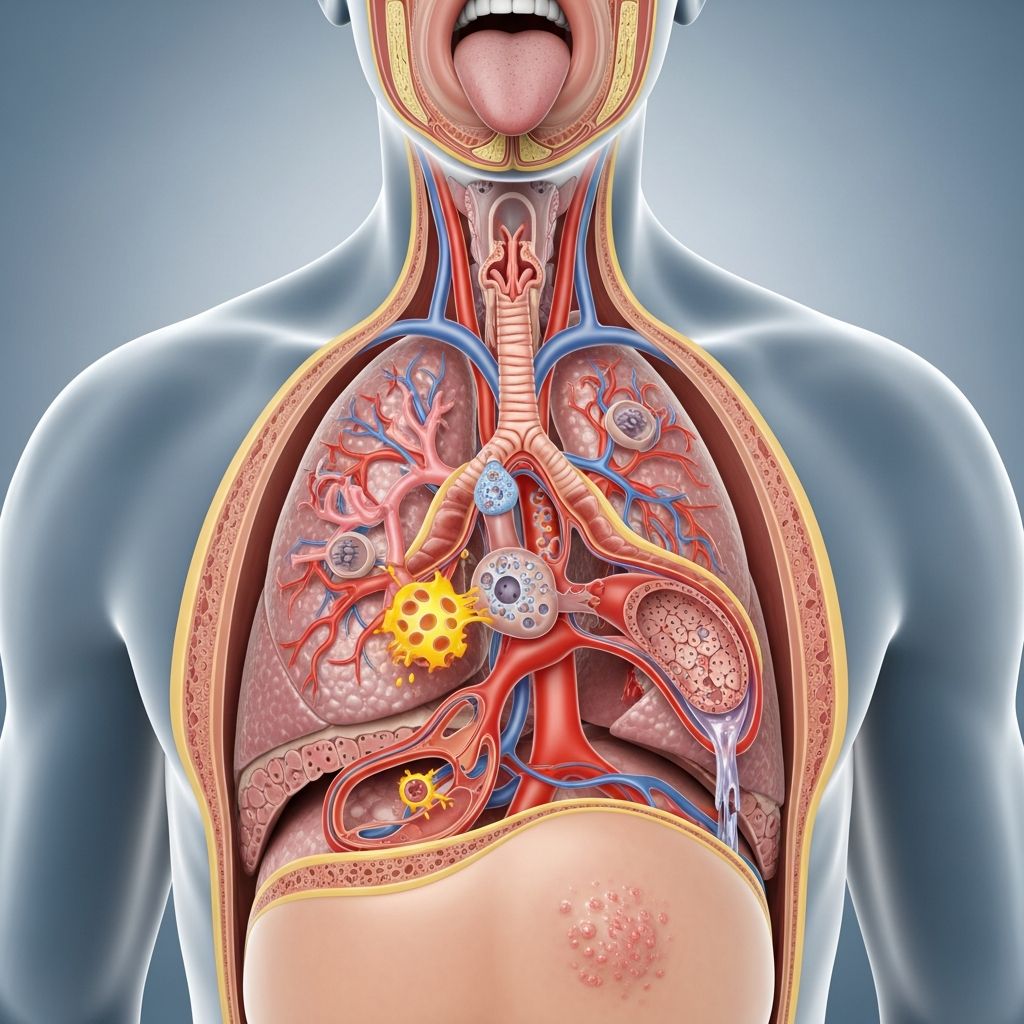
Understanding Anaphylaxis: A Life-Threatening Allergic Emergency
Anaphylaxis is a severe and potentially life-threatening allergic reaction that occurs suddenly and with little warning. This acute medical emergency develops rapidly after exposure to an allergen and can progress from mild symptoms to severe complications within minutes. Understanding anaphylaxis is crucial for anyone with known allergies, their family members, and healthcare providers, as prompt recognition and treatment can be lifesaving.
Anaphylaxis represents the most severe form of allergic reaction and requires immediate medical intervention. Unlike mild allergic responses that develop gradually, anaphylaxis tends to happen suddenly, often without warning signs. Although some individuals may experience mild initial symptoms such as hives or flushed skin, the condition can rapidly progress to life-threatening complications including airway obstruction, cardiovascular collapse, and anaphylactic shock.
What Is Anaphylaxis?
Anaphylaxis is an acute, potentially life-threatening, IgE-mediated allergic reaction that occurs in previously sensitized individuals upon reexposure to a specific allergen. The reaction represents a hypersensitivity response where the immune system overreacts to a substance that is typically harmless to most people. This condition can affect multiple organ systems simultaneously, creating a medical emergency that demands immediate treatment.
The condition is characterized by its rapid onset and diverse clinical manifestations. Symptoms typically emerge within 15 minutes of exposure to the trigger allergen, though in some cases they may develop up to 30 minutes later, and in rare instances, several hours after contact. The severity and specific symptoms can vary significantly from person to person, and the same individual typically experiences similar reactions to subsequent exposures.
Causes and Common Triggers
Anaphylaxis can be triggered by various substances, with the most common culprits being foods, medications, insect venom, and environmental allergens. Identifying and understanding these triggers is essential for prevention and management of this serious condition.
Food Allergens
Food represents one of the most common causes of anaphylaxis. The primary food triggers include peanuts, tree nuts, shellfish, fish, milk, eggs, soy, and wheat. Even trace amounts of these allergens can trigger severe reactions in highly sensitized individuals. Cross-contamination during food preparation or consumption of processed foods containing hidden allergens remains a significant risk factor.
Medications
Pharmaceutical agents, particularly antibiotics like penicillin and related beta-lactam drugs, are frequent triggers of anaphylaxis. Other medications that commonly cause anaphylactic reactions include aspirin, non-steroidal anti-inflammatory drugs (NSAIDs), and contrast media used during medical imaging procedures. Individuals with known drug allergies must inform healthcare providers before receiving any medications.
Insect Venom
Stings from bees, wasps, hornets, and fire ants can produce anaphylactic reactions in susceptible individuals. People who spend significant time outdoors or have occupational exposure to insects face elevated risk. Previous anaphylactic reactions to insect stings indicate a high likelihood of similar severe reactions with future stings.
Other Triggers
Additional causes of anaphylaxis include latex exposure, exercise-induced reactions, and idiopathic anaphylaxis where the trigger remains unidentified. Some individuals experience anaphylaxis from natural rubber latex, particularly during medical procedures. Exercise combined with certain foods or medications can also precipitate reactions.
Symptoms and Clinical Presentation
Anaphylaxis presents with a wide variety of symptoms affecting multiple organ systems. These symptoms can range from mild to severe, and severity does not necessarily correlate with the progression pattern. Some individuals experience rapidly escalating symptoms, while others may present with primarily cardiovascular symptoms without respiratory involvement.
Related Stories



Skin Manifestations
Cutaneous symptoms frequently appear early and include hives (urticaria), intense itching (pruritus), flushing, and skin redness. Facial and throat swelling may also occur. These visible signs often serve as early warning indicators of anaphylaxis development.
Respiratory Symptoms
Respiratory involvement includes shortness of breath (dyspnea), wheezing, stridor, and a sensation of choking. The airways may constrict due to swelling of the throat and tongue, potentially leading to complete airway obstruction if untreated. Cough, sneezing, and nasal congestion can also develop.
Cardiovascular Manifestations
Cardiovascular symptoms include a weak and rapid pulse (tachycardia), low blood pressure (hypotension), dizziness, fainting (syncope), and palpitations. In severe cases, cardiovascular collapse and shock can develop within minutes. Cyanosis (blue discoloration of skin and lips) indicates severe oxygen deprivation.
Gastrointestinal Symptoms
Digestive symptoms include nausea, vomiting, diarrhea, and severe abdominal cramping. These symptoms can occur suddenly and intensely during anaphylaxis.
Neurological Effects
Severe anaphylaxis can cause seizures, loss of consciousness, and unresponsiveness. These manifestations indicate life-threatening anaphylaxis requiring immediate emergency intervention.
Stages of Anaphylaxis
Healthcare providers often categorize anaphylaxis into four distinct stages to better understand disease progression and guide treatment decisions. Understanding these stages helps both patients and providers recognize severity escalation and respond appropriately.
Stage 1: Initial Symptoms
The first stage involves mild cutaneous symptoms such as flushed skin, mild itching, and localized swelling. Patients may feel a sense of unease or anxiety.
Stage 2: Progressive Symptoms
The second stage encompasses respiratory and cardiovascular involvement with wheezing, shortness of breath, increased heart rate, and mild hypotension developing alongside skin symptoms.
Stage 3: Severe Anaphylaxis
The third stage involves significant airway compromise, marked hypotension, altered consciousness, and potential loss of bladder control. Respiratory distress becomes pronounced with potential for complete airway obstruction.
Stage 4: Anaphylactic Shock
The fourth stage represents complete cardiovascular collapse where blood pressure drops dangerously low, consciousness is lost, and the patient may become unresponsive. Without immediate intervention, this stage can be fatal. Bronchial tissues swell significantly, causing severe breathing difficulty and potential loss of consciousness.
Diagnosis and Recognition
Rapid diagnosis of anaphylaxis is critical for immediate treatment initiation. Diagnosis is primarily clinical, based on symptom recognition rather than laboratory tests, as delays in treatment can be fatal. Healthcare providers consider anaphylaxis highly likely if a patient experiences at least one of these three clinical scenarios:
Scenario 1: Acute onset of skin or mucous membrane symptoms (hives, itching, flushing, or swelling) plus respiratory symptoms, with or without hypotension or other target-organ dysfunction symptoms occurring rapidly after allergen exposure.
Scenario 2: Involvement of two or more organ systems developing rapidly after exposure to a likely allergen, including any combination of skin/mucosal symptoms, respiratory symptoms, hypotension, target-organ dysfunction, or sudden gastrointestinal symptoms.
Scenario 3: Unexplained hypotension or respiratory symptoms in patients with known allergen exposure.
Healthcare providers should consider anaphylaxis in patients with unexplained hypotension, respiratory symptoms, or manifestations in multiple systems such as angioedema, rhinorrhea, or gastrointestinal symptoms. This expanded diagnostic approach ensures earlier recognition and treatment of anaphylaxis in diverse presentations.
Emergency Treatment and Management
Immediate treatment with epinephrine is the cornerstone of anaphylaxis management. Epinephrine is first-line pharmacotherapy and should be administered immediately upon recognition of anaphylaxis symptoms, as delays significantly increase risks for morbidity and mortality.
Epinephrine Administration
Epinephrine should be administered intramuscularly as the first-line treatment for both initial anaphylactic reactions and delayed reactions. The standard dosing for adults is 0.3 mg of epinephrine, while pediatric patients typically receive 0.15 mg. Children weighing 15 to 30 kg may receive Auvi-Q 0.15 mg/0.15 mL, while those weighing 7.5 to 15 kg receive Auvi-Q 0.1 mg/0.1 mL. Intramuscular injection into the outer thigh provides rapid absorption and systemic distribution.
Prompt epinephrine administration can relieve all anaphylactic symptoms and help prevent progression to airway obstruction or shock. Because anaphylactic symptoms can rapidly progress to life-threatening complications, epinephrine should be given immediately without waiting for confirmation of diagnosis or for symptoms to worsen.
Initial Emergency Response Steps
When anaphylaxis is suspected, the following steps should be taken immediately:
Call for emergency help: Contact 911 or local emergency services immediately to ensure professional medical assistance arrives quickly.
Remove the allergen: If possible, remove or discontinue exposure to the triggering allergen. For example, remove a bee stinger or discontinue medication administration.
Position the patient: Have the person lie flat with legs elevated slightly to promote blood flow to vital organs, unless they are vomiting or having respiratory difficulty.
Assess vital functions: Evaluate airway, breathing, and circulation. Initiate cardiopulmonary resuscitation (CPR) if needed.
Airway Management
If the person cannot breathe, emergency healthcare providers may need to establish an alternative airway through intubation or emergency cricothyrotomy (surgical airway). Oxygen supplementation should be provided to maintain adequate oxygenation, particularly in cases of respiratory involvement.
Additional Medications
While epinephrine is the essential treatment, supplemental medications may be used alongside it. Antihistamines can help reduce itching and skin symptoms, though they are secondary to epinephrine therapy. Glucocorticoids may be administered to prevent biphasic anaphylaxis, particularly in severe cases or those requiring multiple epinephrine doses.
Biphasic Anaphylaxis
Biphasic anaphylaxis refers to a recurrence or exacerbation of anaphylactic symptoms after initial apparent improvement, typically occurring within hours of the initial reaction. The most significant risk factor for biphasic anaphylaxis is severe initial anaphylaxis or the need for more than one dose of epinephrine.
Additional risk factors include a wide pulse pressure at initial presentation, unknown anaphylaxis trigger, presence of cutaneous symptoms (including urticaria and angioedema), delayed administration of the first epinephrine dose (more than 60 minutes after exposure), and presence of a drug trigger in pediatric patients.
Patients with severe anaphylaxis should be observed for biphasic anaphylaxis even after initial symptoms resolve. Extended emergency department observation or hospital admission may be necessary, particularly for patients with risk factors for biphasic reactions.
Prevention and Long-Term Management
Effective anaphylaxis management extends beyond emergency treatment to include comprehensive prevention strategies and patient education.
Trigger Avoidance
Individuals who have experienced anaphylaxis should diligently avoid known triggers. This requires careful label reading for food allergens, awareness of cross-contamination risks, and clear communication with healthcare providers about medication allergies before receiving any treatment.
Self-Injectable Epinephrine
Patients with history of anaphylaxis should carry a prefilled, self-injecting epinephrine syringe at all times. These emergency injectors enable rapid self-treatment immediately upon symptom recognition. Patients must understand proper injection technique and should practice with trainer devices if available. Epinephrine auto-injectors should be stored at appropriate temperatures and checked regularly to ensure they have not expired.
Alert Systems
Individuals with known anaphylaxis risk should wear medical alert bracelets or necklaces identifying their allergies. These visible alerts help emergency responders provide appropriate care if the person becomes unconscious and cannot communicate their allergies.
Emergency Action Plans
Patients should develop written emergency action plans in collaboration with their healthcare provider, detailing triggers, early warning signs, emergency contacts, and specific treatment steps. Caregivers and close contacts should be educated about recognizing symptoms and administering epinephrine if needed.
Allergy Testing and Immunotherapy
Comprehensive allergy evaluation can identify specific triggers and guide prevention strategies. In some cases, allergen immunotherapy may be beneficial, particularly for venom allergies. Patients should consult with allergists regarding specialized testing and long-term management options.
When to Seek Medical Help
Individuals should seek immediate emergency medical care for any suspected anaphylaxis. If you notice anaphylaxis symptoms, inject yourself with epinephrine immediately and then call 911 or proceed to the nearest emergency room. Even if symptoms appear to improve after epinephrine injection, emergency evaluation is essential to ensure adequate monitoring for biphasic reactions and to provide supportive care.
If your child has allergies, take steps to ensure safety by educating them about their specific triggers, ensuring they carry epinephrine auto-injectors, and providing clear instructions to caregivers and school personnel about emergency response procedures.
If you have allergy symptoms that are difficult to manage or you believe you experienced anaphylactic shock, discuss these experiences with your healthcare provider. They can provide specialized evaluation, identify specific triggers through testing, and develop comprehensive management and prevention strategies.
Frequently Asked Questions
Q: How quickly does anaphylaxis develop?
A: Anaphylaxis typically develops within 15 minutes of allergen exposure, though in some cases symptoms may appear up to 30 minutes later. In rare instances, anaphylaxis may be delayed for several hours after initial contact with the trigger substance.
Q: Can anaphylaxis occur without respiratory symptoms?
A: Yes, anaphylaxis can present with primarily cardiovascular symptoms, gastrointestinal symptoms, or combinations involving multiple organ systems without significant respiratory involvement in some cases. However, rapid progression can occur, making immediate epinephrine treatment essential regardless of initial symptom pattern.
Q: What should I do if I don’t have an epinephrine auto-injector during anaphylaxis?
A: If you don’t have epinephrine available, go to the emergency room immediately or call 911. Do not delay seeking emergency care, as anaphylaxis requires professional medical treatment to prevent serious complications or death.
Q: Is it safe to delay epinephrine administration?
A: No, delays in epinephrine administration significantly increase risks for morbidity and mortality. Epinephrine should be given immediately at the onset of anaphylaxis symptoms without waiting for additional confirmation or for symptoms to worsen.
Q: Can anaphylaxis recur after initial treatment?
A: Yes, biphasic anaphylaxis can occur, where symptoms recur or worsen after initial apparent improvement, typically within hours of the initial reaction. Patients with severe anaphylaxis should be monitored closely in medical settings to detect and treat any recurrent symptoms.
References
- Anaphylaxis: Highlights from the practice parameter update — American Academy of Allergy, Asthma & Immunology and American College of Allergy, Asthma & Immunology. 2024. https://www.ccjm.org/content/89/2/106
- Anaphylaxis — Merck Manual Professional Edition. 2024. https://www.merckmanuals.com/professional/immunology-allergenic-disorders/allergic-autoimmune-and-other-hypersensitivity-disorders/anaphylaxis
- Anaphylaxis — Mayo Clinic. 2023. https://www.mayoclinic.org/diseases-conditions/anaphylaxis/symptoms-causes/syc-20351468
- Anaphylaxis: A 2023 practice parameter update — National Center for Biotechnology Information (NCBI). 2023. https://pubmed.ncbi.nlm.nih.gov/38108678/
Similar Articles








Read full bio of Sneha Tete