Anaphylaxis: Recognition, Emergency Treatment, And Prevention
Anaphylaxis is a severe, life-threatening allergic reaction requiring immediate recognition and treatment with adrenaline to prevent fatal outcomes.
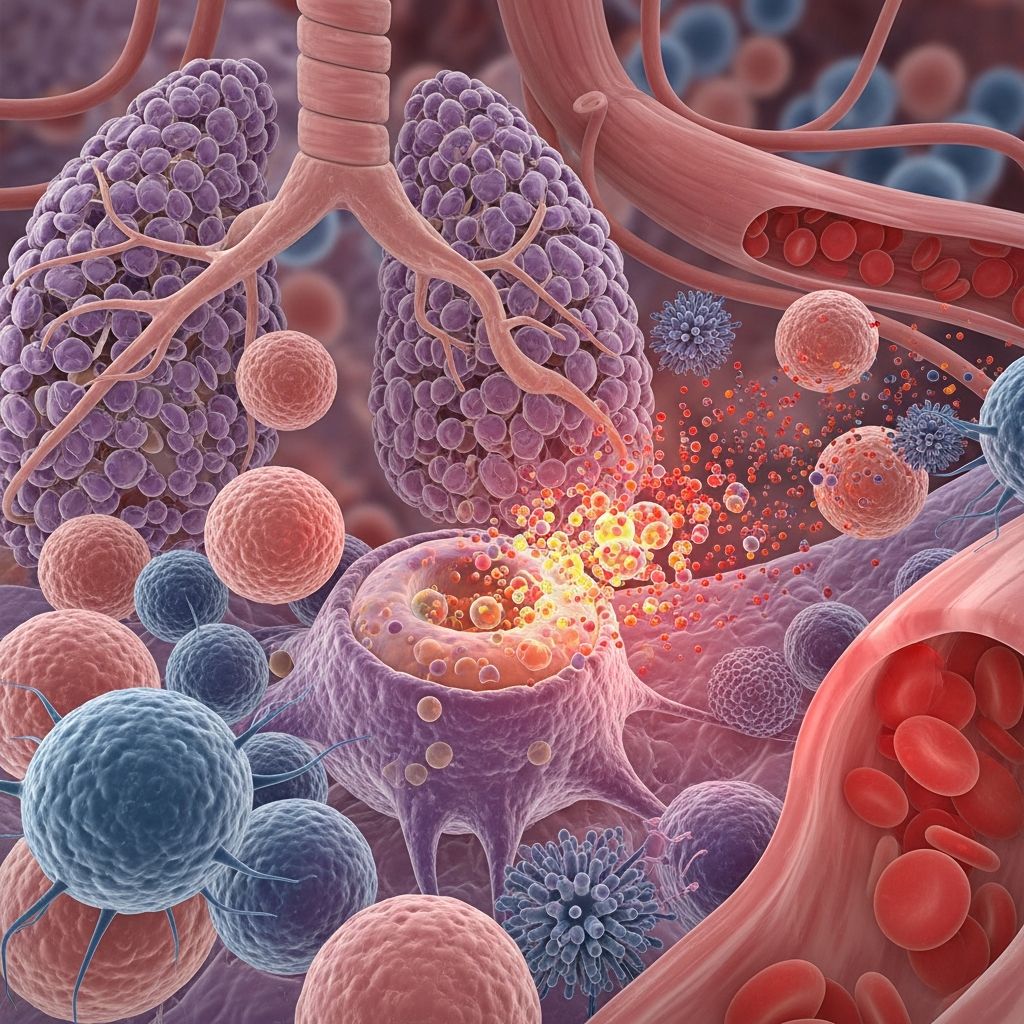
Anaphylaxis is an acute, life-threatening, systemic hypersensitivity reaction mediated primarily by immunoglobulin E (IgE) that requires immediate diagnosis and treatment to prevent fatality. It involves rapid onset of symptoms affecting multiple organ systems, often within minutes of allergen exposure, and demands prompt intervention with intramuscular adrenaline (epinephrine).
What is anaphylaxis?
Anaphylaxis represents the most severe form of immediate hypersensitivity reaction, classified into IgE-mediated (true anaphylaxis) and non-IgE-mediated (anaphylactoid) mechanisms, though clinically indistinguishable. It occurs when mast cells and basophils degranulate, releasing mediators like histamine, leukotrienes, and prostaglandins, leading to widespread effects on skin, respiratory, cardiovascular, and gastrointestinal systems. According to the World Allergy Organisation, anaphylaxis is highly likely if acute onset involves skin/mucosal involvement plus respiratory compromise or reduced blood pressure, or reduced BP after likely allergen exposure. Incidence is rising, affecting up to 1-3% of the population, with foods, insect stings, and medications as primary triggers.
Who gets anaphylaxis?
Anyone can experience anaphylaxis, but risk is higher in those with prior allergic history, asthma, or mast cell disorders. Children frequently react to foods like peanuts or milk, while adults more often to drugs or venoms. Atopic individuals (with eczema, hay fever, asthma) have elevated risk due to primed IgE responses. Biphasic reactions (recurrence 4-12 hours later) occur in 1-20% of cases, necessitating prolonged observation.
Causes of anaphylaxis
Triggers vary by route and patient age, with common causes including:
- Foods: Peanuts, tree nuts, shellfish, milk, eggs, soy, wheat, sesame, fruits (e.g., kiwi), often causing skin and respiratory symptoms.
- Insect stings/bites: Bees, wasps, ants (jack jumper), mosquitoes; venom induces shock more frequently.
- Medications: Antibiotics (penicillin), NSAIDs, aspirin, muscle relaxants, monoclonal antibodies, via any route including topical, oral, IV.
- Other: Latex, exercise (with food cofactor), idiopathic (20% cases), contrast media, blood products.
Food-induced reactions typically show skin signs first, while venom/drug often present with cardiovascular collapse. Delayed onset (hours to days) possible with oral agents.
Clinical features of anaphylaxis
Symptoms manifest 5-60 minutes post-exposure, faster onset correlating with severity. Multi-system involvement defines it:
- Skin/mucosa (80-90%): Urticaria, angioedema, flushing, pruritus.
- Respiratory (70%): Rhinorrhea, dyspnea, wheeze, stridor, cyanosis.
- Cardiovascular (45%): Tachycardia, hypotension, syncope, shock.
- Gastrointestinal (45%): Nausea, vomiting, diarrhea, cramping.
Children may show isolated persistent vomiting or floppy pallor. Differentiate from mild reactions (hives alone) or mimics like vasovagal syncope, panic attacks, or sepsis.
Diagnosis of anaphylaxis
Clinical diagnosis via WAO criteria: acute skin/mucosal changes with respiratory compromise/persistent GI symptoms, or hypotension after exposure; or acute hypotension/bronchospasm/laryngeal edema post-likely allergen. Serum tryptase peaks 1-2 hours post-event (elevated >2x baseline +20 ng/L supports diagnosis, normal doesn’t exclude). Histamine unreliable; complement/24-hour urinary methylhistamine less common. Skin testing post-recovery identifies triggers.
| WAO Diagnostic Criteria | Description |
|---|---|
| Criterion 1 | Acute onset skin/mucosal + respiratory compromise or reduced BP or GI symptoms |
| Criterion 2 | Acute onset hypotension/bronchospasm/laryngeal involvement post-exposure |
| Criterion 3 | Acute reduced BP in 30 min after 1+ allergen exposures |
Related Stories



Treatment of anaphylaxis
Immediate action essential: halt allergen, call emergency services, position flat (legs elevated unless respiratory distress), administer IM adrenaline 0.01 mg/kg (max 0.5 mg adults) into anterolateral thigh, repeat every 5 min. Adrenaline reverses hypotension, bronchospasm, restores circulation.
- Positioning: Lie flat; recovery position if unconscious; sit if breathless.
- Adjuncts: Oxygen, IV fluids (20 mL/kg crystalloid), H1-antihistamines (e.g., cetirizine 10 mg), corticosteroids (hydrocortisone 200 mg IV).
- Monitoring: Hospital observation 4-24 hours for biphasic risk; ICU if unstable.
- Special cases: Beta-blockers blunt adrenaline response—use glucagon; mastocytosis requires specialist input.
Commence CPR if asystole; defibrillate if indicated.
Prevention of anaphylaxis
Avoidance paramount: educate on triggers, read labels, wear MedicAlert. Prescribe adrenaline auto-injectors (EpiPen) for high-risk (prior anaphylaxis, nut/venom allergy); train use. Action plans detail signs/actions. Venom immunotherapy for Hymenoptera allergies; early asthma control reduces risk. Refer to allergist for testing/desensitization.
Investigations
Acute: Tryptase (within 2h, repeat 24h baseline), ECG, blood gas. Post-event: Skin prick tests (6 weeks later), specific IgE, challenge tests under supervision.
Possible complications
Biphasic anaphylaxis (up to 20%), death (0.3-2% if untreated), protracted reactions (>24h), coronary ischemia in elderly.
Frequently Asked Questions
What should I do if I suspect anaphylaxis?
Administer adrenaline IM immediately, call ambulance, position flat—do not delay or stand.
Can anaphylaxis happen without skin symptoms?
Yes, especially in drug/venom reactions; hypotension or respiratory signs alone qualify.
How long to observe after treatment?
At least 4-6 hours in hospital; overnight if severe or biphasic risk.
Do antihistamines prevent anaphylaxis?
No, they treat mild symptoms only; adrenaline is lifesaving.
Who needs an EpiPen?
Those with prior anaphylaxis, nut/seafood/sting allergies, or unavoidable risks.
References
- Anaphylaxis — DermNet NZ. 2023. https://dermnetnz.org/topics/anaphylaxis
- ASCIA First Aid Plan for Anaphylaxis — Australasian Society of Clinical Immunology and Allergy. 2025. https://www.allergy.org.au/hp/anaphylaxis/first-aid-for-anaphylaxis
- The management of anaphylaxis in primary care — bpac.org.nz. 2008-12-01. https://bpac.org.nz/BPJ/2008/December/docs/bpj18_anaphylaxis_pages_10-19.pdf
- Management of Anaphylaxis — Immune.org.nz. 2024. https://immune.org.nz/factsheets/management-of-anaphylaxis
- Anaphylaxis – Clinical Practice Guidelines — Royal Children’s Hospital Melbourne. 2024. https://www.rch.org.au/clinicalguide/guideline_index/anaphylaxis/
- The pathophysiology of anaphylaxis — PMC (NIH). 2017-10-24. https://pmc.ncbi.nlm.nih.gov/articles/PMC5657389/
Similar Articles








Read full bio of medha deb