Anaplasmosis: A Tick-Borne Illness Requiring Protection
Understanding anaplasmosis: Know the symptoms, treatment, and prevention strategies for this serious tick-borne disease.
Anaplasmosis: Another Tick-Borne Illness, Another Reason to Protect Yourself Against Ticks
Tick-borne illnesses continue to pose significant health risks across the United States, and anaplasmosis stands among the most concerning infections transmitted by these tiny parasites. This bacterial infection, caused by the pathogen Anaplasma phagocytophilum, has become increasingly prevalent in recent years, with Vermont reporting the highest annual incidence of anaplasmosis cases in the nation since 2015. Understanding this disease, recognizing its symptoms, and knowing how to prevent tick bites are essential steps in protecting your health and the health of your family.
What is Anaplasmosis?
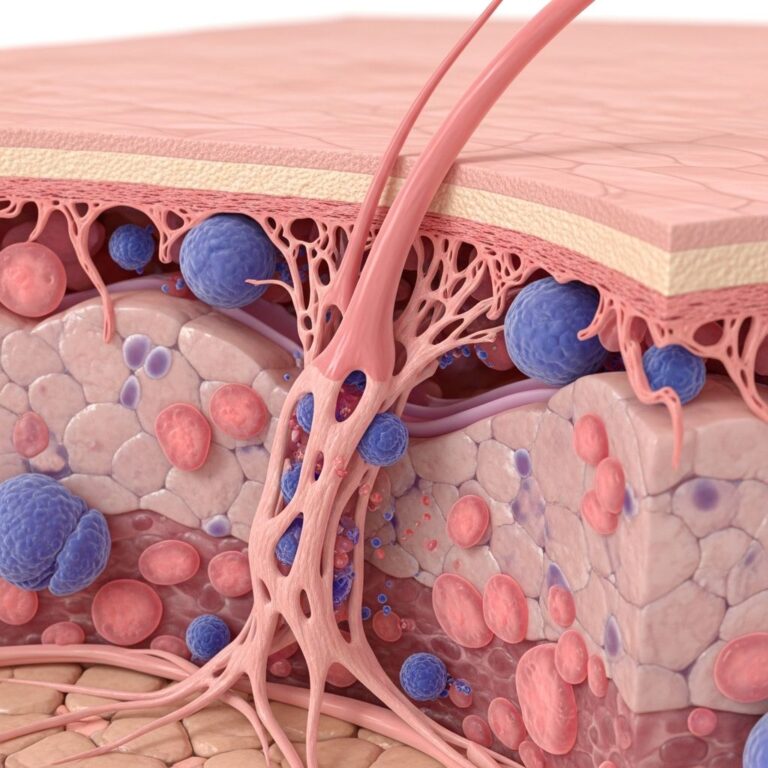
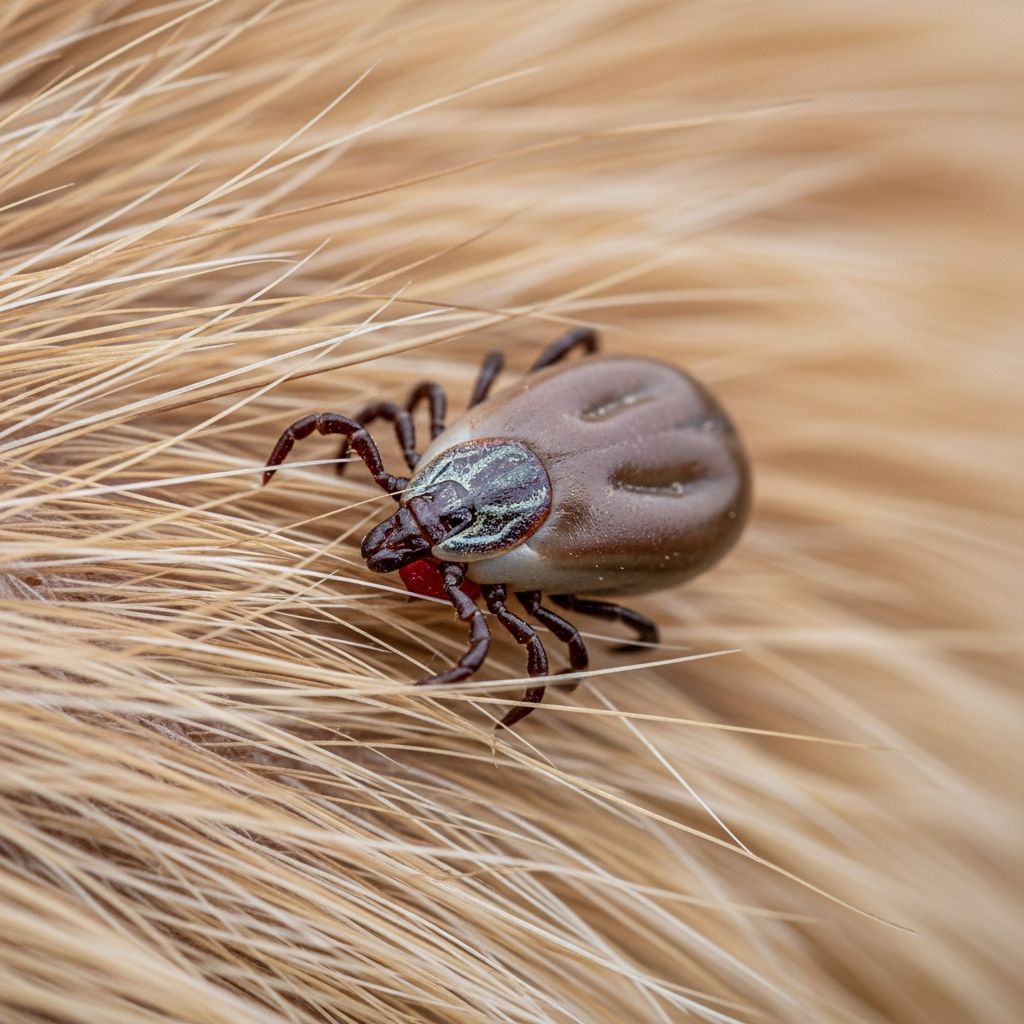
Anaplasmosis is a bacterial disease transmitted to humans through the bite of infected blacklegged ticks, commonly known as deer ticks (Ixodes scapularis), and western blacklegged ticks (Ixodes pacificus). The disease is caused by bacteria that infect white blood cells and can lead to a range of symptoms varying from mild to severe. While the infection is treatable with antibiotics when caught early, delayed diagnosis and treatment can result in serious complications, including organ failure and, in rare cases, death.
It is important to note that most ticks do not carry the bacteria responsible for anaplasmosis, and not all tick bites result in infection. However, the increasing prevalence of infected ticks in certain regions makes tick prevention measures more critical than ever.
Recognizing the Symptoms of Anaplasmosis
The symptoms of anaplasmosis typically emerge within one to three weeks after an infected tick bite, though the incubation period generally ranges from 5 to 21 days. Many people do not remember being bitten by a tick, making symptom recognition particularly important for early diagnosis and treatment.
Early Symptoms (First 1-5 Days After Tick Bite)
The initial presentation of anaplasmosis often resembles flu-like illness. Common early symptoms include:
- High fever, often exceeding 102°F
- Chills and rigors
- Severe headache
- Muscle aches and myalgias
- Nausea and vomiting
- Loss of appetite
- Diarrhea
A distinguishing characteristic of anaplasmosis is that rash is uncommon with this infection, which helps differentiate it from other tick-borne illnesses such as Lyme disease or Rocky Mountain spotted fever, where rash is a more typical presentation.
Late Symptoms (6-14 Days After Tick Bite)
If anaplasmosis is not treated promptly, the disease can progress to more serious manifestations. Late-stage symptoms may include:
- Respiratory failure
- Bleeding complications
- Organ failure
- Changes in mental status and confusion
- Seizures
- Severe sepsis
Approximately 5 to 7 percent of patients with anaplasmosis require intensive care, underscoring the importance of early recognition and treatment. Individuals with weakened immune systems face a higher risk of experiencing severe complications.
Laboratory Findings and Diagnosis
Beyond clinical symptoms, anaplasmosis produces characteristic laboratory abnormalities that aid in diagnosis. Healthcare providers typically look for:
- Leukopenia (reduction in white blood cell count, typically below 4,500/mm³)
- Thrombocytopenia (low platelet count, typically below 150,000/mm³)
- Elevated liver enzymes (aminotransferases)
- Elevated inflammatory markers such as C-reactive protein and procalcitonin
These blood work findings are highly suggestive of anaplasmosis and, combined with a history of tick exposure and compatible clinical symptoms, form the basis for diagnosis. Given that laboratory confirmation may take time, physicians often initiate empiric antibiotic therapy while awaiting definitive test results, particularly when patients present with fever following known tick exposure and display leukopenia or thrombocytopenia.
Related Stories



Treatment Options for Anaplasmosis
First-Line Treatment: Doxycycline
Doxycycline is the antibiotic treatment of choice for anaplasmosis in patients of all ages, including children. This recommendation from the Centers for Disease Control and Prevention (CDC) and major medical institutions reflects decades of clinical experience demonstrating the drug’s effectiveness against Anaplasma phagocytophilum. Notably, resistance to doxycycline or relapse of symptoms following the recommended treatment course have not been documented, making it a reliable therapeutic option.
Dosing for Doxycycline:
- Adults and children weighing more than 45 kg (100 pounds): 100 mg orally twice daily
- Children weighing less than 45 kg: 2.2 mg per kilogram of body weight given twice daily, with a maximum dose of 100 mg per dose
The standard treatment duration is 10 to 14 days, which provides adequate therapy for anaplasmosis and accounts for possible concurrent infection with other tick-borne pathogens such as Borrelia species (which causes Lyme disease). Patients should continue taking doxycycline for at least three days after fever resolution and after clinical improvement is documented by their healthcare provider.
Important Medication Instructions: Doxycycline should be taken with one to two glasses of water while in an upright position to prevent esophagitis (inflammation of the esophagus) and other gastrointestinal complications. The medication is generally well-tolerated with minimal side effects when taken correctly.
Clinical Response to Treatment
The response to doxycycline therapy in anaplasmosis is typically dramatic and rapid. Fever generally subsides within 24 to 48 hours of initiating treatment, and most patients experience significant clinical improvement shortly after starting the antibiotic. If a patient fails to show clinical improvement after 48 to 72 hours of doxycycline therapy, healthcare providers should consider alternative diagnoses, as lack of response suggests the patient’s condition may not be due to anaplasmosis.
Alternative Treatments
While doxycycline remains the gold standard, alternative antibiotics are available for specific populations:
- Rifampin: Recommended for pregnant patients or those with documented allergies to doxycycline. This antibiotic is effective against anaplasmosis and does not pose the risks to fetal development associated with tetracycline antibiotics.
- Other Considerations: In cases of life-threatening allergies or severe intolerance to doxycycline, physicians should consult with infectious disease specialists to determine appropriate alternative regimens. Healthcare providers are cautioned to avoid unnecessarily replacing doxycycline, as it remains highly effective for multiple tick-borne diseases including anaplasmosis, ehrlichiosis, Lyme disease, and Rocky Mountain spotted fever.
Prevention Strategies: Protecting Yourself Against Tick-Borne Illness
Given the seriousness of anaplasmosis and other tick-borne diseases, prevention through tick avoidance and proper tick removal is paramount. Importantly, antibiotic prophylaxis after a tick bite is not recommended to prevent anaplasmosis. Instead, focus on these practical prevention strategies:
Tick Avoidance
- Avoid wooded areas, brush, and tall grass where ticks commonly reside, particularly during peak tick season (spring and early summer)
- When hiking or spending time outdoors in tick-prone areas, stay on designated trails
- Wear long pants tucked into socks and long-sleeved shirts to minimize skin exposure
- Use tick repellents containing DEET on exposed skin
- Treat clothing and gear with permethrin-based products designed for fabric application
Prompt Tick Removal
If you discover a tick attached to your body, immediate and complete removal is critical for preventing anaplasmosis and other tick-borne infections. The CDC recommends the following procedure:
- Use fine-tipped tweezers: Grasp the tick firmly as close to the skin as possible, ideally at the head or mouth area
- Pull steadily: Remove the tick’s body by pulling away from the skin with steady, even pressure without jerking or twisting motions
- Remove remaining parts: If mouthparts remain embedded in the skin, remove them with clean tweezers
- Clean the bite site: Wash the area with soap and water
- Dispose properly: Place the tick in a sealed bag or container, or flush it down the toilet
Do not use petroleum jelly, heat, or other substances to remove ticks, as these methods may cause the tick to regurgitate infected material into the wound, potentially increasing transmission risk.
When to Seek Medical Care
You should contact your healthcare provider if you develop any symptoms—particularly fever, rash, headache, or other unexplained illness—within two weeks of a tick bite or after spending time in areas where ticks are prevalent. Provide your healthcare provider with details about:
- The timing of your tick bite or outdoor exposure
- Specific symptoms you are experiencing
- Any recent travel to tick-endemic regions
- Your current medications and any drug allergies
Early medical evaluation and treatment significantly improve outcomes and reduce the risk of serious complications.
Prognosis and Outcomes
The prognosis for anaplasmosis is generally excellent when treatment is initiated promptly with doxycycline. Most patients recover fully without long-term complications. However, delayed diagnosis and treatment, or infection in immunocompromised individuals, can lead to serious or fatal outcomes. Severe symptoms are rare if appropriate antibiotic treatment begins early in the disease course.
Frequently Asked Questions About Anaplasmosis
Q: Is anaplasmosis contagious from person to person?
A: No, anaplasmosis is not transmitted between people. It spreads exclusively through tick bites. Infected individuals pose no risk to family members, healthcare workers, or others in close contact.
Q: Can I get anaplasmosis more than once?
A: While immunity following infection is thought to develop, reinfection can occur if you are bitten by another infected tick. This underscores the ongoing importance of tick prevention measures.
Q: What should I do with a tick after removing it?
A: Place the tick in a sealed bag or container, or flush it down the toilet. Some individuals save the tick for identification or testing if symptoms develop. If saving the tick, store it in a dry container with a damp cotton ball.
Q: Are there any long-term effects of anaplasmosis after treatment?
A: Most patients recover completely without long-term sequelae when treated appropriately. However, severe cases requiring intensive care may result in prolonged recovery periods.
Q: Is doxycycline safe for children?
A: Yes, doxycycline is recommended for children of all ages with anaplasmosis. Modern understanding shows that the benefits of treating serious tick-borne infections outweigh historical concerns about tetracycline use in children.
Q: How can I check for ticks after being outdoors?
A: Perform a thorough body check, including behind the ears, hairline, armpits, groin, and between toes. Shower within two hours of being outdoors, as bathing can help wash away unattached ticks.
Conclusion
Anaplasmosis represents a serious yet treatable tick-borne infection that demands awareness and proactive prevention. By understanding the symptoms, maintaining vigilance for tick exposure, practicing proper tick removal techniques, and seeking prompt medical attention when symptoms develop, you can significantly reduce your risk of severe disease. The dramatic response to doxycycline therapy when treatment is initiated early provides an excellent prognosis for most patients, making early recognition and diagnosis essential. As cases of tick-borne illnesses continue to rise across the United States, taking steps to protect yourself against ticks remains one of the most important health measures you can undertake.
References
- Clinical Care of Anaplasmosis — Centers for Disease Control and Prevention (CDC). 2024. https://www.cdc.gov/anaplasmosis/hcp/clinical-care/index.html
- About Anaplasmosis — Centers for Disease Control and Prevention (CDC). 2024. https://www.cdc.gov/anaplasmosis/about/index.html
- Anaplasmosis Information for Health Professionals — Minnesota Department of Health. 2024. https://www.health.state.mn.us/diseases/anaplasmosis/hcp.html
- Tick Diseases: Anaplasmosis Symptoms, Diagnosis & Treatment — Stony Brook Medicine. 2024. https://health.stonybrookmedicine.edu/tick-diseases-anaplasmosis/
- Anaplasmosis — Illinois Department of Public Health. 2024. https://dph.illinois.gov/topics-services/diseases-and-conditions/tickborne-illnesses/anaplasmosis.html
- Ehrlichiosis and Anaplasmosis — Diagnosis and Treatment — Mayo Clinic. 2024. https://www.mayoclinic.org/diseases-conditions/ehrlichiosis/diagnosis-treatment/drc-20372147
Similar Articles








Read full bio of Sneha Tete