Anasarca: Causes, Symptoms, Diagnosis & Treatment
Learn about anasarca, a severe form of whole-body swelling, its causes, symptoms, diagnosis, and treatment options.
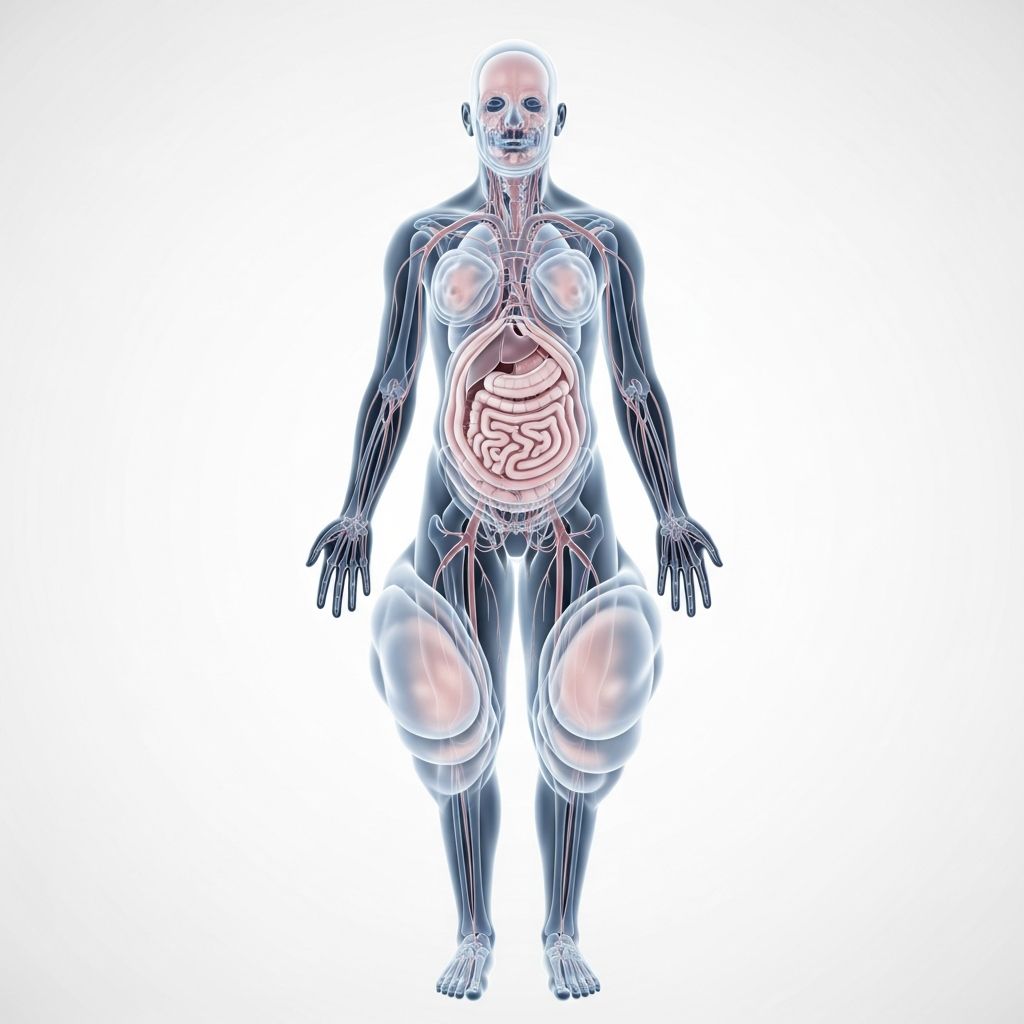
What Is Anasarca?
Anasarca is a medical term used to describe severe, generalized swelling that affects the entire body. Unlike typical edema, which usually involves localized swelling in the legs, feet, or hands, anasarca is characterized by fluid accumulation in the interstitial spaces throughout the body. This condition is often a sign of a serious underlying health problem, such as heart, kidney, or liver failure.
Causes of Anasarca
Anasarca is not a disease itself but rather a symptom of an underlying condition. The most common causes include:
- Heart Failure: When the heart is unable to pump blood effectively, fluid can build up in the body, leading to anasarca.
- Kidney Disease: Impaired kidney function can result in the body retaining excess fluid, causing widespread swelling.
- Liver Disease: Liver cirrhosis or other liver disorders can lead to fluid retention and anasarca.
- Severe Protein Deficiency: Low levels of albumin, a protein in the blood, can cause fluid to leak into tissues.
- Medications: Certain drugs, such as calcium channel blockers, steroids, and some cancer treatments, can cause fluid retention.
- Allergic Reactions: Severe allergic reactions can lead to anasarca in rare cases.
- Excessive IV Fluids: Overuse of intravenous fluids in a hospital setting can sometimes result in anasarca.
Symptoms of Anasarca
The hallmark symptom of anasarca is severe, generalized swelling that affects the entire body. Other symptoms may include:
- Swelling in the arms, legs, face, and abdomen
- Difficulty moving due to the weight of the fluid
- Shortness of breath, especially if fluid accumulates in the lungs (pulmonary edema)
- Chest pain
- Weight gain
- Decreased urine output
- Discomfort or pain in swollen areas
- Difficulty opening the eyes due to facial swelling
Diagnosis of Anasarca
Diagnosing anasarca involves a thorough medical history, physical examination, and a series of tests to identify the underlying cause. Common diagnostic steps include:
- Physical Examination: The doctor will assess the extent of swelling and look for signs of organ dysfunction.
- Blood Tests: These tests check kidney, liver, and heart function, as well as protein levels in the blood.
- Imaging Studies: Ultrasound, CT scans, or MRI may be used to evaluate organ health and fluid accumulation.
- Echocardiogram: This test assesses heart function and structure.
- Urine Tests: These help evaluate kidney function and detect protein loss.
Treatment of Anasarca
Treatment for anasarca focuses on addressing the underlying cause and relieving symptoms. Common treatment approaches include:
- Diuretics: Medications like furosemide help the body expel excess fluid through urine.
- Albumin Infusion: In cases of severe protein deficiency, albumin may be given intravenously.
- Management of Underlying Conditions: Treating heart, kidney, or liver disease is crucial for resolving anasarca.
- Fluid Restriction: Limiting fluid intake can help reduce swelling.
- Dietary Changes: A low-sodium diet may be recommended to minimize fluid retention.
- Medication Adjustment: If medications are causing anasarca, the doctor may adjust or change the prescription.
Complications of Anasarca
Anasarca can lead to several serious complications, including:
- Pulmonary Edema: Fluid accumulation in the lungs can cause difficulty breathing and may be life-threatening.
- Organ Failure: Severe fluid retention can impair the function of vital organs.
- Infections: Swollen tissues are more susceptible to infection.
- Blood Clots: Immobility due to swelling increases the risk of blood clots.
- Decreased Quality of Life: Anasarca can severely limit mobility and daily activities.
Prognosis and Outlook
The prognosis for anasarca depends on the underlying cause and how quickly it is treated. In many cases, anasarca can be managed effectively with appropriate treatment, but it may recur if the underlying condition is not controlled. Severe cases of anasarca, especially those related to organ failure, can be life-threatening and require urgent medical attention.
Related Stories



Prevention of Anasarca
Preventing anasarca involves managing underlying health conditions and avoiding risk factors. Tips for prevention include:
- Regular monitoring of heart, kidney, and liver function
- Following a healthy, low-sodium diet
- Avoiding medications that cause fluid retention
- Seeking prompt medical care for symptoms of swelling or fluid retention
Frequently Asked Questions (FAQs)
Can anasarca be fatal?
Anasarca itself is not usually fatal, but it can be a sign of a life-threatening underlying condition, such as heart, kidney, or liver failure. Prompt treatment of the underlying cause is essential to prevent complications.
How is anasarca different from regular edema?
Regular edema typically involves localized swelling, such as in the legs or hands, while anasarca is characterized by severe, generalized swelling that affects the entire body.
Can anasarca be reversed?
Yes, anasarca can often be reversed with appropriate treatment of the underlying cause. However, it may recur if the underlying condition is not managed effectively.
What should I do if I suspect anasarca?
If you notice severe, generalized swelling, especially if accompanied by shortness of breath, chest pain, or difficulty moving, seek medical attention immediately.
References
References
- Anasarca: Causes, Symptoms, Diagnosis, Risk and Treatment — WebMD. 2023. https://www.webmd.com/heart-disease/what-is-anasarca
- Anasarca – StatPearls — NCBI Bookshelf. 2023. https://www.ncbi.nlm.nih.gov/books/NBK519013/
- Edema: Causes, Symptoms & Treatment — Cleveland Clinic. 2023. https://my.clevelandclinic.org/health/diseases/12564-edema
Similar Articles








Read full bio of Sneha Tete