Anastomosis: Definition, Types & Surgical Procedure
Understanding anastomosis: A comprehensive guide to this vital surgical connection technique.
What is Anastomosis?
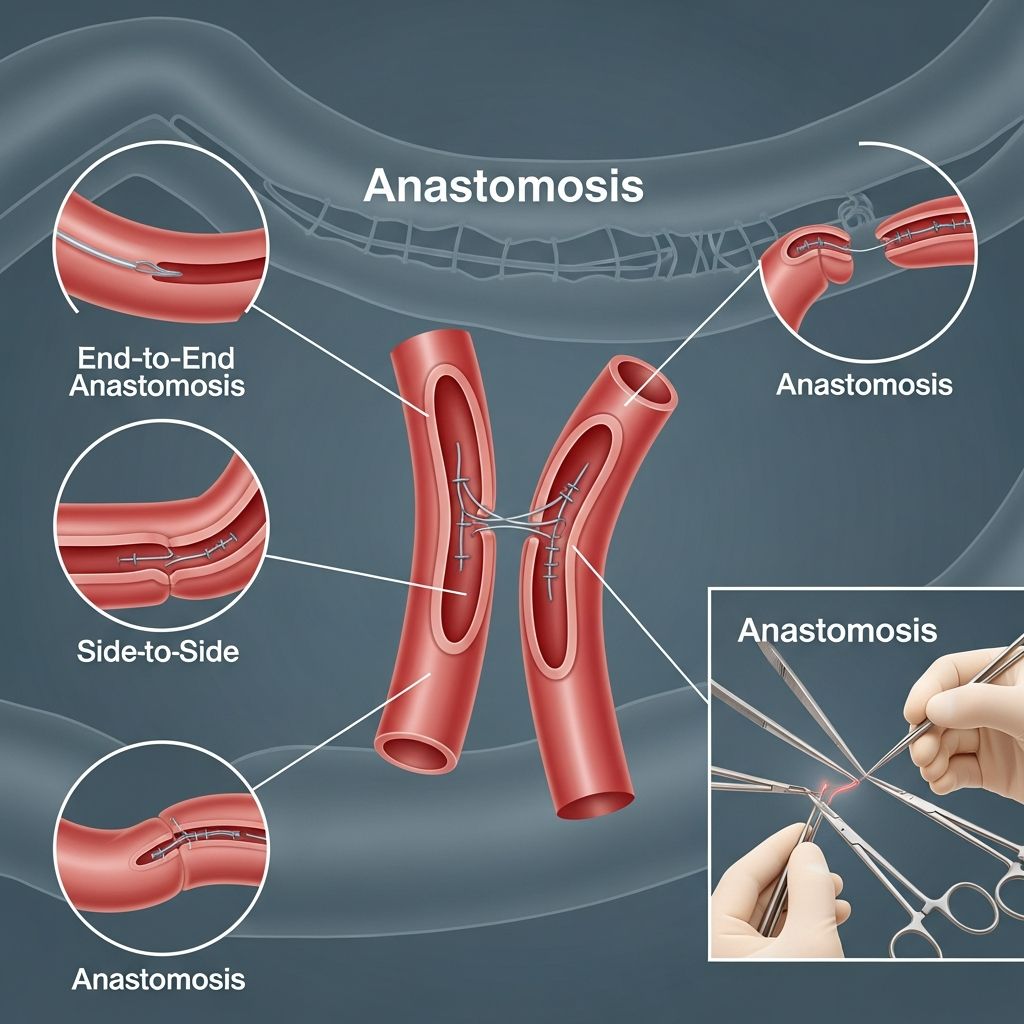
Anastomosis is a surgical procedure in which two body channels are connected together to create a new passageway. These channels can include blood vessels, parts of the intestines, or other tubular structures within the body. Surgeons create an anastomosis after removing or bypassing part of a channel, or after removing or replacing an organ that was connected to a channel. This procedure is a cornerstone of modern surgery and makes many complex surgical interventions possible.
The term “anastomosis” comes from medical terminology and refers specifically to the surgical connection point where two previously separate structures are joined. This connection allows for the continuation of normal biological function despite the removal or bypass of diseased or damaged tissue. The procedure has been refined over decades and remains one of the most frequently performed surgical techniques in hospitals worldwide.
Types of Anastomosis Procedures
There are several different types of anastomosis procedures, each designed for specific anatomical locations and clinical situations. Understanding these different types helps patients and healthcare providers identify which procedure may be needed for their particular condition.
Intestinal Anastomosis
Intestinal anastomosis is one of the most common types of anastomosis procedures performed in surgical practice. This procedure involves reconnecting portions of the small intestine, large intestine, or both after part of the bowel has been removed. The most frequently performed intestinal anastomoses include:
Ileocolonic (Ileocolic) Anastomosis: This procedure reconnects the ileum, which is the end portion of the small intestine, to the remaining part of the colon. Surgeons typically perform this procedure after a colectomy, which involves removing a portion of the colon. Patients may need this surgery due to conditions such as Crohn’s disease, ulcerative colitis, or colon cancer.
Colocolonic Anastomosis: This type of anastomosis connects two portions of the colon together. It is commonly performed when a section of the colon is removed due to disease or obstruction, and the remaining healthy segments need to be joined to restore intestinal continuity and allow normal bowel function.
Vascular Anastomosis
Vascular anastomosis involves connecting blood vessels together. This type of procedure is essential in cardiac surgery, vascular surgery, and transplantation procedures. Surgeons use vascular anastomosis to create new pathways for blood flow, bypass diseased vessels, or restore circulation to tissues that have lost their blood supply.
Lymphaticovenular Anastomosis
Lymphaticovenular anastomosis (LVA) is a supermicrosurgical procedure that connects lymphatic vessels to venous vessels. This specialized procedure is used as an established treatment for fluid-predominant extremity secondary lymphedema. The technique involves creating microscopic connections that allow lymphatic fluid to drain more efficiently, reducing swelling and improving limb function in patients with lymphedema.
Related Stories



Vaginal Anastomosis
Vaginal anastomosis is a specialized procedure used in uterine transplantation and vaginal reconstruction. This technique involves connecting vaginal tissues using tension-free suturing methods, such as horizontal mattress stitches. Surgeons must carefully prepare both donor and recipient tissues to prevent postoperative complications such as vaginal strictures.
Why Anastomosis Surgery is Needed
Patients may require anastomosis surgery for various medical conditions and situations. Some of the most common reasons include:
Disease Removal: When a patient has cancer, inflammatory bowel disease, or other conditions affecting the intestines or blood vessels, surgeons may need to remove the diseased portion and reconnect the healthy tissue. Anastomosis allows for restoration of normal anatomy and function after this diseased tissue is removed.
Obstruction Relief: Intestinal obstructions can prevent the normal passage of food and waste through the digestive system. In cases where an obstruction cannot be relieved through non-surgical means, anastomosis may be necessary to create a new pathway around the blocked area.
Bypass Procedures: In cases where tissue is damaged but not necessarily removed, surgeons may create an anastomosis to bypass the damaged area. This allows the body’s normal functions to continue despite the presence of diseased tissue.
Organ Transplantation: During organ transplantation procedures, surgeons must connect the donated organ’s blood vessels and sometimes other structures to the recipient’s body using anastomosis techniques.
Conversion from Temporary Ostomies: Some patients initially receive temporary ostomies (external pouches that collect waste). Later, they may have anastomosis surgery to restore internal continuity and eliminate the need for an external ostomy device.
The Anastomosis Surgical Procedure
The specific technique used for anastomosis depends on the location, the type of tissue being connected, and the surgeon’s preference and expertise. However, most anastomosis procedures follow similar general principles.
Surgical Preparation
Before creating an anastomosis, surgeons carefully prepare the tissue that will be connected. This preparation includes removing any diseased tissue, ensuring adequate blood supply to both ends of the tissue being joined, and assessing the tissue quality. For intestinal anastomosis, surgeons ensure that the tissue is clean and free of infection or contamination.
Connection Techniques
Surgeons have multiple tools and techniques available to create successful anastomoses. These include:
Hand-Sewn Anastomosis: Traditional hand-sewn techniques involve using sutures to connect the tissue ends. Surgeons typically use multiple layers of sutures to create a strong, leak-resistant connection. The specific suturing pattern and technique may vary depending on the location and type of anastomosis.
Stapled Anastomosis: Modern surgical staplers provide a quick and effective method for creating anastomoses. Staplers compress and seal tissue together, and they can be especially useful in difficult-to-reach locations or when time is a critical factor.
Advanced Techniques: Surgeons continue to develop and refine advanced techniques for creating anastomoses. These include the Kono-S technique in colorectal surgery, which involves specific positioning and suturing methods to optimize outcomes. Intracorporeal anastomoses, performed entirely within the body during minimally invasive surgery, represent another advance in anastomotic technique.
Ensuring Adequate Size and Function
For optimal function, anastomoses must be created with adequate size. Surgeons carefully calculate the appropriate dimensions, often making openings several centimeters wide to ensure that the passage is not too narrow. This prevents strictures (abnormal narrowing) and allows for normal function of the connected structures. In colorectal surgery, for example, surgeons may create antimesenteric anastomoses with openings measuring 7 centimeters or more from the mesentery to ensure adequate passage for stool.
Recovery and Outcomes
Most anastomosis procedures result in successful outcomes without complications. After surgery, patients typically spend time in the hospital for monitoring and care. The specific recovery timeline depends on the type of surgery, the patient’s overall health, and whether any complications develop.
Patients are usually advised to follow specific dietary restrictions during early recovery, gradually advancing to a normal diet as the anastomosis heals. Healthcare providers monitor patients for signs of complications and provide appropriate pain management and supportive care.
Potential Complications
While most anastomoses heal successfully, some complications can occur. Understanding these potential complications helps patients recognize warning signs and seek prompt medical attention.
Anastomotic Leak
An anastomotic leak occurs when the surgical connection fails and the contents of the reconnected channel leak into the surrounding body cavity. This is a potentially serious complication that occurs in approximately 5 percent of anastomosis surgeries. About 75 percent of anastomotic leaks are associated with colectomy procedures, and they are most common when the resection is located in the rectum or sigmoid colon—areas that are narrower and more technically challenging to operate on.
Signs of an anastomotic leak may include fever, abdominal pain, drainage from surgical incisions, and signs of sepsis. If a leak is suspected, early intervention is crucial. Treatment may involve antibiotics, drainage procedures, or additional surgery. With prompt recognition and appropriate management, many anastomotic leaks can be controlled and prevented from causing further complications.
Stricture Formation
A stricture is an abnormal narrowing of the anastomosis that can develop as the surgical site heals. This narrowing can restrict the normal passage through the connected structures. While strictures can develop, many can be treated with non-surgical methods such as careful monitoring or endoscopic dilation. In some cases, surgical revision may be necessary.
Infection
As with any surgical procedure, infection is a potential risk. Signs of infection include fever, increased pain, redness or warmth around the incision, and drainage from the surgical site. Surgeons take multiple precautions to prevent infection, including using sterile technique, administering prophylactic antibiotics, and maintaining clean surgical conditions.
Special Situations: Temporary vs. Permanent Ostomies
Some patients initially receive temporary ostomies instead of immediate anastomosis. A temporary ileostomy or colostomy allows the intestines to heal before being reconnected. Later, surgeons may perform anastomosis surgery to reverse the ostomy and restore internal continuity.
A temporary ileostomy may be simply reversed through anastomosis, or it may be converted to a permanent internal ileal pouch with an ileal pouch-anal anastomosis procedure. Similarly, a temporary colostomy can be converted to a permanent ileocolic anastomosis. With a successful anastomosis, the surgeon will close the ostomy, eliminating the need for an external pouch.
The Importance of Surgical Training and Expertise
Creation of an anastomosis is an important part of many surgical procedures and is truly what makes many of these procedures possible. As a result, anastomosis is a cornerstone of surgical training. All surgical residents learn multiple techniques for creating anastomoses and managing complications when they occur.
Surgeons have many tools and techniques at their disposal to make anastomoses successful. Experienced surgeons understand the nuances of different anastomotic techniques and can select the most appropriate method for each patient’s unique anatomy and condition. Centers specializing in complex gastrointestinal surgery have developed particular expertise in managing anastomotic complications and achieving optimal outcomes.
Frequently Asked Questions
Q: How long does an anastomosis surgical procedure take?
A: The duration of anastomosis procedure varies depending on the complexity, location, and surgical approach. Some procedures may take 1-2 hours, while more complex cases may take longer. Your surgeon can provide a more specific estimate based on your particular situation.
Q: Can an anastomosis fail after surgery?
A: While most anastomoses are successful, complications such as leaks or strictures can occasionally occur. An anastomotic leak happens in about 5 percent of anastomosis surgeries. Early recognition and prompt treatment can effectively manage these complications in most cases.
Q: What is the difference between hand-sewn and stapled anastomosis?
A: Hand-sewn anastomoses involve using sutures to connect tissue, while stapled anastomoses use surgical staples. Both techniques are effective and widely used. Your surgeon will choose the technique most appropriate for your specific situation based on factors such as location, tissue type, and surgeon preference.
Q: How long does it take for an anastomosis to heal?
A: Initial healing typically occurs over several weeks, with complete remodeling of the tissue taking several months. Most patients can resume normal activities gradually as the anastomosis heals. Your healthcare provider will give you specific guidance based on your surgery type.
Q: Can diet affect anastomosis healing?
A: Yes, proper nutrition is important for healing. You may need to follow specific dietary restrictions initially, gradually advancing to normal foods as directed by your healthcare provider. Adequate protein, calories, and hydration support optimal healing.
Q: What should I watch for after anastomosis surgery?
A: Contact your healthcare provider if you experience fever, severe abdominal pain, persistent vomiting, inability to have bowel movements, or drainage from your incision. These may be signs of complications requiring prompt medical attention.
References
- Anastomosis: Definition, Types & Procedure — Cleveland Clinic. 2024. https://my.clevelandclinic.org/health/treatments/24035-anastomosis
- Anastomotic Leak: Symptoms, Treatment & What It Is — Cleveland Clinic. 2024. https://my.clevelandclinic.org/health/diseases/22324-anastomotic-leak
- Techniques for successful vaginal anastomosis in the uterine transplantation patient — Fertility & Sterility, PubMed Central. 2020. https://pubmed.ncbi.nlm.nih.gov/32682518/
- Outcomes of Lymphaticovenular Anastomosis in Primary and Secondary Lymphedema — Cleveland Clinic Dermatology & Plastic Surgery Institute. 2022. https://my.clevelandclinic.org/departments/dermatology-plastic-surgery/outcomes/1171-outcomes-of-lymphaticovenular-anastomosis-in-primary-and-secondary-lymphedema
- Managing Anastomotic Leaks and Other Complications of Gastrointestinal Surgery — Cleveland Clinic Consult QD. 2024. https://consultqd.clevelandclinic.org/managing-anastomotic-leaks-and-other-complications-of-gastrointestinal-surgery
Similar Articles








Read full bio of medha deb