Anatomy of the Fetus in Utero: Stages and Structures of Development
Understanding fetal anatomy and development during pregnancy from conception to birth.
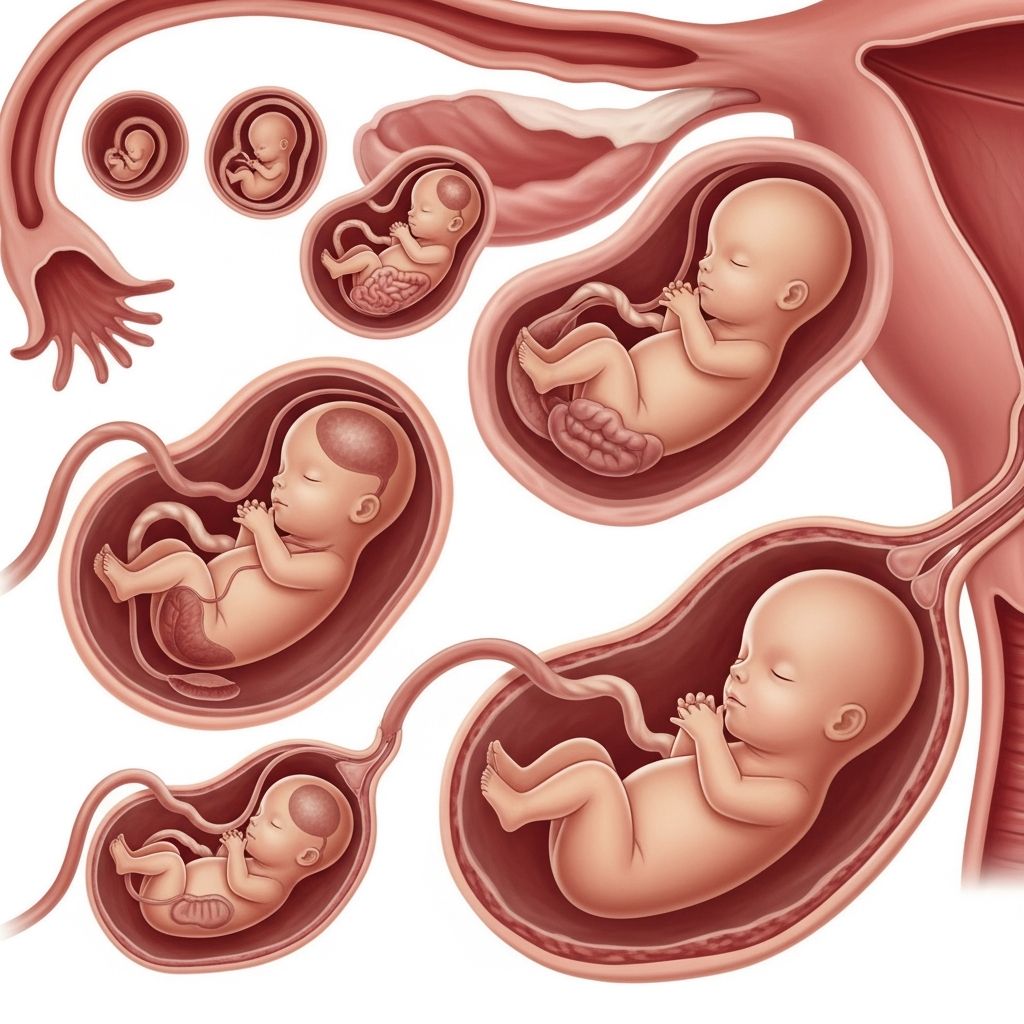
Anatomy of the Fetus in Utero: Understanding Fetal Development
The development of a fetus in utero is a complex, carefully orchestrated process that transforms a single fertilized egg into a fully formed human baby ready for birth. This article delves into the anatomical development of the fetus, exploring the main stages of pregnancy and the critical physiological milestones that occur from conception through to birth.
Stages of Fetal Development
Fetal development can be categorized into three primary stages: germinal, embryonic, and fetal.
- Germinal Stage (Weeks 1-2): Starting at fertilization, this stage includes the formation of a zygote, rapid cell division, and implantation into the uterine lining.
- Embryonic Stage (Weeks 3-8): Major organs and body systems begin to form. This stage is vital for organogenesis, where precursor structures for the brain, heart, limbs, and more develop.
- Fetal Stage (Weeks 9-Birth): The embryo is now called a fetus. This stage is marked by continued growth, maturation of organs, and development of body fat and external features.
Germinal Stage: From Fertilization to Implantation
The germinal stage lasts roughly two weeks starting at fertilization. After a sperm fertilizes an egg in the fallopian tube, the resulting zygote undergoes cell division while traveling towards the uterus. By approximately 5 to 6 days post-fertilization, the zygote becomes a blastocyst, a hollow ball of cells that implants into the uterine lining, initiating pregnancy.
The blastocyst contains an inner cell mass, which later forms the embryo, and an outer layer that contributes to the placenta.
Embryonic Stage: Organ Formation and Structural Development
From about the third week to the end of the eighth week of pregnancy, the embryo undergoes rapid changes:
- Formation of germ layers: Three primary cell layers—ectoderm, mesoderm, and endoderm—develop and differentiate to form all body tissues and organs.
- Central Nervous System: The neural tube forms along the back, which later develops into the brain and spinal cord. This closes around week 4.
- Cardiovascular system: The heart begins to develop early, with heartbeats detectable by week 5 to 6, and its four chambers established by week 6.
- Facial and limb development: Facial features such as nostrils, eyelids, lips, and palate become visible by week 7; limb buds form and start to differentiate into arms, legs, hands, and feet.
- Organogenesis: Critical organs such as the liver, kidneys, pancreas, and lungs start to form and mature during this time.
By the end of the embryonic stage, the tiny embryo has a human-like shape, measuring about 0.5 to 1 inch in length.
Fetal Stage: Growth and Maturation
Starting at the ninth week, the embryo is referred to as a fetus. This phase is characterized primarily by growth and the fine-tuning of already-formed structures:
- Rapid growth: The fetus increases significantly in length and weight, from roughly 1 inch at 9 weeks to approximately 12 inches by 24 weeks, and further until birth.
- Continued organ development: Organs mature and begin to function; for example, the pancreas begins secreting insulin and the kidneys produce urine.
- Formation of body fat: This critical reserve helps the newborn regulate body temperature post-birth.
- Development of sensory abilities: The fetus develops tactile reflexes and can respond to sound, light, and pain stimuli, typically noticeable by the second trimester.
- Movement: Limb movements become coordinated, though maternal perception of fetal movement (quickening) generally occurs around 20 weeks gestation.
Related Stories



The Placenta and Umbilical Cord: Lifelines for the Developing Fetus
The placenta is a remarkable organ that develops from the outer cells of the blastocyst and embeds into the uterine wall. It serves as the critical interface between mother and fetus, facilitating the exchange of oxygen, nutrients, and waste products without mixing maternal and fetal blood directly.
- Placental villi: Finger-like projections that extend into the uterus to absorb maternal nutrients and oxygen.
- Umbilical cord: A flexible conduit containing vessels that carry oxygenated blood to and waste-laden blood from the fetus.
- Hormone production: The placenta also produces hormones such as human chorionic gonadotropin (hCG) to support pregnancy.
Amniotic Sac and Fluid: Protection and Environment
The fetus develops within the amniotic sac, a protective membranous bag filled with amniotic fluid that cushions the fetus, maintains consistent temperature, and allows movement necessary for musculoskeletal development.
- Amniotic fluid: Composed mainly of fetal urine and lung secretions, it supports the fetus physically and immunologically.
- Amniocentesis: A diagnostic procedure sampling this fluid to analyze fetal cells and chemicals for genetic conditions.
Key Developmental Milestones Week-by-Week
| Pregnancy Week | Fetal Development Highlights |
|---|---|
| 4 | Blastocyst implantation; formation of germ layers and neural tube begins. |
| 6 | Heartbeat starts; early limb buds appear; brain vesicles develop. |
| 8 | Major organ systems start forming; facial features begin to shape. |
| 12 | Fetus about 2 inches; sex determined; organs continue maturing. |
| 20 | Fetal movements felt by mother (quickening); hair and nails develop. |
| 28 | Eyes open; lungs begin producing surfactant; fetus gains fat. |
| 36-40 | Fetus positions for birth; lungs mature; substantial fat accumulation. |
Frequently Asked Questions (FAQs)
Q: When can the fetal heartbeat be detected?
A: The fetal heartbeat generally begins around weeks 5 to 6 and can often be detected by ultrasound shortly thereafter.
Q: What developmental changes signify the transition from embryo to fetus?
A: The transition occurs around week 9 when the recognizable human fetal form emerges, and organ systems continue growth and maturation.
Q: How does the placenta support the fetus?
A: It provides oxygen, nutrients, hormone support, and removes waste while protecting fetal and maternal blood supplies from mixing.
Q: What role does amniotic fluid play in fetal development?
A: Amniotic fluid cushions the fetus, maintains temperature, protects against infections, and facilitates movement for muscular and skeletal development.
Summary
The anatomy of the fetus in utero evolves from a simple cluster of cells into a fully formed infant through meticulously timed stages of development. Starting with initial cell division and implantation, followed by intensive organ formation and finishing with rapid growth and specialization during the fetal stage, this journey highlights the intricate processes sustaining life before birth. The placenta, umbilical cord, and amniotic sac play integral roles, ensuring the fetus receives all necessary support in its protected intrauterine environment.
References
- Stages of Fetal Development — Merck Manuals. 2024-01-15. https://www.merckmanuals.com/home/women-s-health-issues/normal-pregnancy/stages-of-fetal-development
- Fetal Development: Week-by-Week Stages of Pregnancy — Cleveland Clinic. 2023-12-05. https://my.clevelandclinic.org/health/articles/7247-fetal-development-stages-of-growth
- Embryology, Weeks 6-8 — StatPearls, NCBI. 2022-07-21. https://www.ncbi.nlm.nih.gov/books/NBK563181/
- How Your Fetus Grows During Pregnancy — American College of Obstetricians and Gynecologists (ACOG). 2023-11-11. https://www.acog.org/womens-health/faqs/how-your-fetus-grows-during-pregnancy
Similar Articles








Read full bio of Sneha Tete