Anatomy of a Joint: Structure and Function
Learn how joints work: exploring structure, types, and movement mechanisms.
Understanding Joint Anatomy
Joints are remarkable anatomical structures that form where two or more bones meet, enabling the remarkable range of movements your body performs daily. Whether you’re reaching for an object, walking, or typing, joints are working behind the scenes to facilitate these motions. Understanding the anatomy of a joint is essential for appreciating how your body moves and for recognizing when something might not be functioning properly.
A joint is fundamentally defined as a region where two bones make contact, creating a connection that allows for varying degrees of movement depending on the joint type. The complexity of joint structure reflects the diversity of movements required throughout the body, from the simple hinge motion of your elbow to the multidirectional rotation of your shoulder.
Classification of Joints
Joints are classified using two primary systems: histological classification and functional classification. Understanding both systems provides a complete picture of how joints are organized and function.
Histological Classification
Histological classification categorizes joints based on the predominant connective tissue type that composes the joint structure. There are three main categories:
- Fibrous Joints: These joints are held together entirely by fibrous connective tissue, with no joint cavity present. Examples include the sutures of the skull.
- Cartilaginous Joints: These joints are connected by cartilage and include structures such as the intervertebral discs between spinal vertebrae.
- Synovial Joints: These are the most mobile joints and are characterized by a joint cavity filled with synovial fluid that allows for greater freedom of movement.
Functional Classification
Functional classification is based on the amount of movement a joint permits. This system provides three categories:
- Synarthroses (Immovable Joints): These joints allow virtually no movement and are typically fibrous in nature, such as the joints between skull bones.
- Amphiarthroses (Slightly Movable Joints): These joints permit limited movement and are generally cartilaginous, such as the joints between vertebrae.
- Diarthroses (Freely Movable Joints): These joints allow substantial movement and are always synovial in structure, including joints like the shoulder, hip, and knee.
Components of a Typical Joint
While joints vary significantly in structure and function, most synovial joints share several key components that work together to enable smooth, pain-free movement.
Articular Cartilage
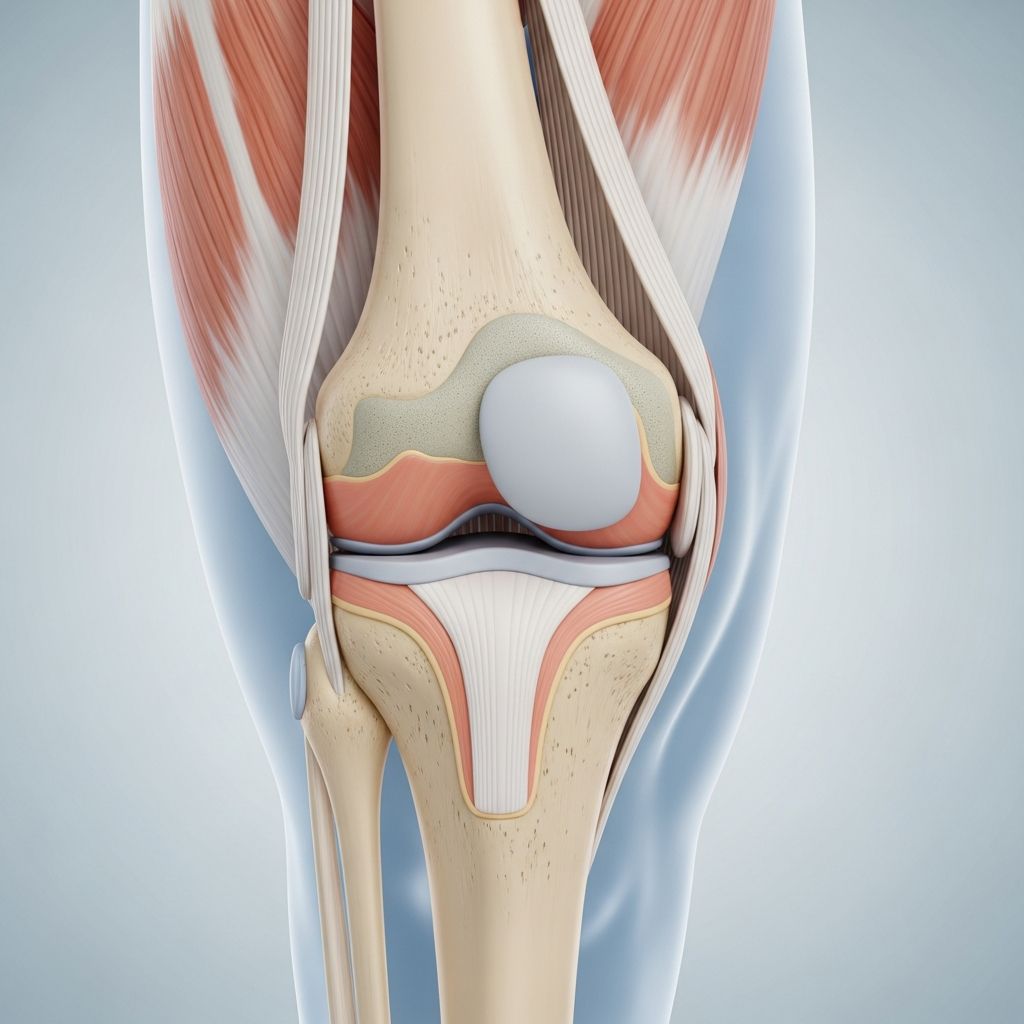
Articular cartilage is a smooth, slippery tissue that covers the ends of bones within a joint. This specialized connective tissue is composed primarily of water and collagen fibers, creating a surface that reduces friction between bones during movement. The smooth nature of articular cartilage allows bones to glide across each other with minimal resistance, much like ice skating on a frozen pond.
Synovial Fluid
Synovial fluid is a viscous fluid contained within the joint cavity that plays a crucial role in joint function. This fluid serves multiple purposes: it lubricates the joint surfaces, reduces friction during movement, provides nutrients to the articular cartilage, and helps remove waste products from the joint environment. The synovial fluid is continuously produced and reabsorbed, maintaining optimal joint function.
Related Stories



Joint Capsule
The articular capsule, also called the joint capsule, is a fibrous connective tissue structure that surrounds the joint. It is attached to the bones just beyond the articulating surfaces and contains the synovial membrane, which produces the synovial fluid. The joint capsule provides structural support and helps maintain the integrity of the joint.
Ligaments
Ligaments are strong, fibrous bands of connective tissue that connect bone to bone across a joint. These structures provide stability and help limit the range of motion to prevent injury. Different joints have different ligament arrangements based on their specific functional requirements.
Tendons
While not technically part of the joint itself, tendons play an essential role in joint function. Tendons are fibrous tissues that attach muscles to bones, transmitting the force generated by muscle contraction to move the bones across the joint.
Types of Synovial Joints
Synovial joints are classified based on the types of movements they permit. This classification system is particularly useful because it helps predict the function and limitations of each joint type.
Hinge Joints
Hinge joints are articulations between the convex end of one bone and the concave edge of another. These joints are uniaxial, meaning they permit movement along only one axis. The primary movements allowed are flexion and extension. Common examples include the elbow, knee, ankle, and the joints between your fingers and toes. When you bend your elbow or straighten your knee, you are using hinge joints.
Pivot Joints
Pivot joints consist of a rounded bone structure that rotates within a ring formed by another bone and ligaments. These joints are also uniaxial and permit rotation around a single axis. The atlantoaxial joint at the top of your spine, which allows your head to rotate from side to side, is a prime example of a pivot joint.
Condyloid Joints
Condyloid joints, also known as ellipsoid joints, are articulations between the shallow depression of one bone and the rounded structure of one or more other bones. These joints are biaxial, permitting movement in two axes and allowing four types of motion: flexion, extension, abduction, and adduction. The knuckles of your medial four fingers are excellent examples of condyloid joints.
Saddle Joints
Saddle joints have bones that are shaped like saddles, with concave and convex surfaces that fit together. These joints are biaxial and permit movements in two planes. The joint at the base of your thumb is a classic example of a saddle joint, allowing the wide range of thumb movements necessary for grasping and manipulating objects.
Planar Joints
Planar joints, also called gliding joints, are articulations between two flat bones of similar size. These joints are multiaxial but their movement is restricted by surrounding ligaments. Planar joints permit sliding or gliding movements in multiple directions. Examples include the acromioclavicular joint where the collarbone meets the shoulder blade, as well as the intercarpal joints in the wrist and intertarsal joints in the foot.
Ball-and-Socket Joints
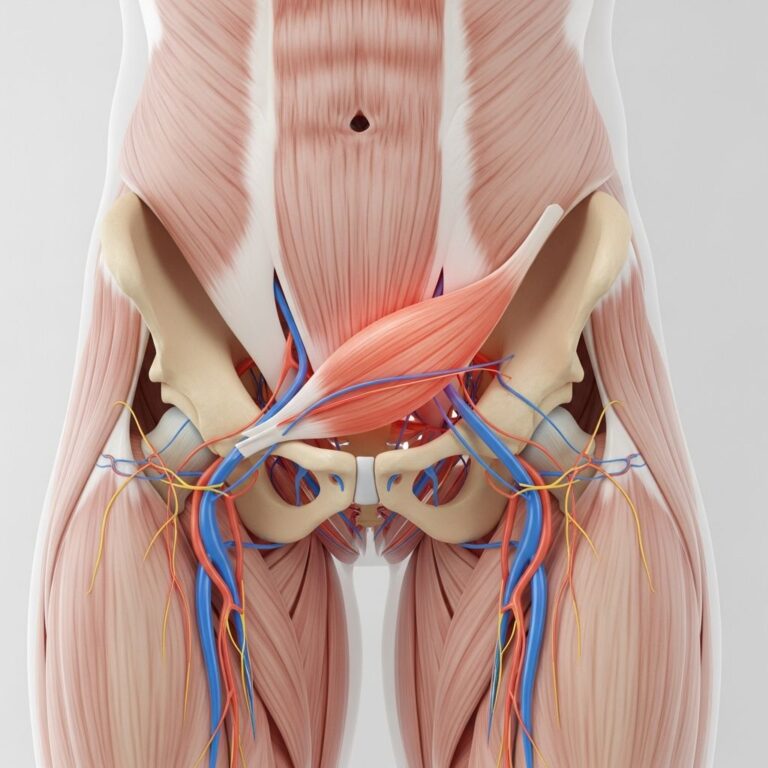
Ball-and-socket joints represent the most mobile joint type in the human body. These joints consist of the rounded head of one bone (the ball) fitting into the concavity of another bone (the socket). These joints are multiaxial and permit the greatest range of motion, including flexion, extension, abduction, adduction, and rotation. Your body has only two ball-and-socket joints: the hip and the shoulder (glenohumeral joint). The shoulder joint has a shallow socket that permits extensive movement, while the hip joint has a deeper socket that provides more stability but less mobility.
How Joints Develop
Joint development begins early in fetal development. During the sixth week of embryonic development, “joint interzones” form between emerging long bones, signaling the beginning of synovial joint formation. The mesoderm on each side, known as the paraxial blastema, condenses into hyaline cartilage models for the long bones. By the eighth week of embryonic development, mesenchymal cells at the margins of the interzones differentiate and eventually become the articular capsule, setting the stage for joint formation that continues throughout fetal development.
Nerve Supply and Pain Perception
Joints have a complex nerve supply that contributes both to their function and to pain perception. Two important principles govern joint innervation:
Hilton’s Law states that the articular nerves supplying a joint are branches of the nerves supplying the muscles responsible for moving that joint. When these articular nerves become irritated, they can cause reflex muscular spasm that positions the joint for maximum comfort. These same nerves also supply the overlying skin, which is why joint pain can sometimes be felt as referred pain on the skin surface.
The Gardner Observation indicates that the portion of the articular capsule that is tightened by muscle contraction is supplied by the same nerves that supply the antagonist muscles. This relationship creates local reflex arcs that help stabilize the joint and protect it from injury.
Joint Variations and Specialization
Different regions of the body have joints specifically adapted to their functional requirements. The spine has joints designed primarily for stability and protection of the spinal cord, with limited mobility. The shoulder has joints optimized for mobility, allowing reaching in multiple directions. The hip is balanced between stability and mobility, as it must support body weight while allowing movement. Understanding these variations helps explain why different joints have different susceptibilities to injury and different rehabilitation needs.
Maintaining Healthy Joints
Keeping joints healthy throughout your lifetime requires attention to several factors. Regular physical activity helps maintain synovial fluid production and keeps the supporting muscles strong. Maintaining a healthy body weight reduces stress on weight-bearing joints. Proper nutrition, including adequate intake of calcium, vitamin D, and collagen-supporting nutrients, helps maintain cartilage and bone health. Avoiding repetitive strain and using proper technique during physical activities helps prevent premature joint wear.
Frequently Asked Questions
Q: What is the difference between a joint and a bone?
A: A bone is a rigid connective tissue that forms the structural framework of the skeleton, while a joint is the location where two or more bones meet and connect. Joints enable movement, whereas individual bones provide structure and support.
Q: Can synovial fluid be replenished?
A: Yes, synovial fluid is continuously produced by the synovial membrane and reabsorbed, maintaining a balance that keeps the joint lubricated and nourished. Regular movement stimulates the production of synovial fluid.
Q: Why do some joints have greater range of motion than others?
A: The range of motion in joints depends on their structural type, the shapes of the articulating bones, the tightness of surrounding ligaments, and the presence of bony structures that limit movement. Ball-and-socket joints allow more movement than hinge joints due to their structural design.
Q: What causes joint pain and stiffness?
A: Joint pain and stiffness can result from various causes including inflammation, cartilage degradation, ligament injuries, muscle tension, or nerve irritation. Conditions like arthritis, overuse injuries, or poor posture can contribute to these symptoms.
Q: How does age affect joint structure and function?
A: As we age, cartilage can gradually wear down, synovial fluid production may decrease, and ligaments can lose elasticity. These changes can reduce joint mobility and increase the risk of joint-related conditions, though regular activity and proper care can help maintain joint health.
References
- Anatomy, Joints — National Center for Biotechnology Information (NCBI), StatPearls. 2024. https://www.ncbi.nlm.nih.gov/books/NBK507893/
Similar Articles








Read full bio of medha deb