Anatomy of the Hand: Structure, Function, and Clinical Significance
Comprehensive guide to hand anatomy: bones, muscles, nerves, and blood vessels explained.
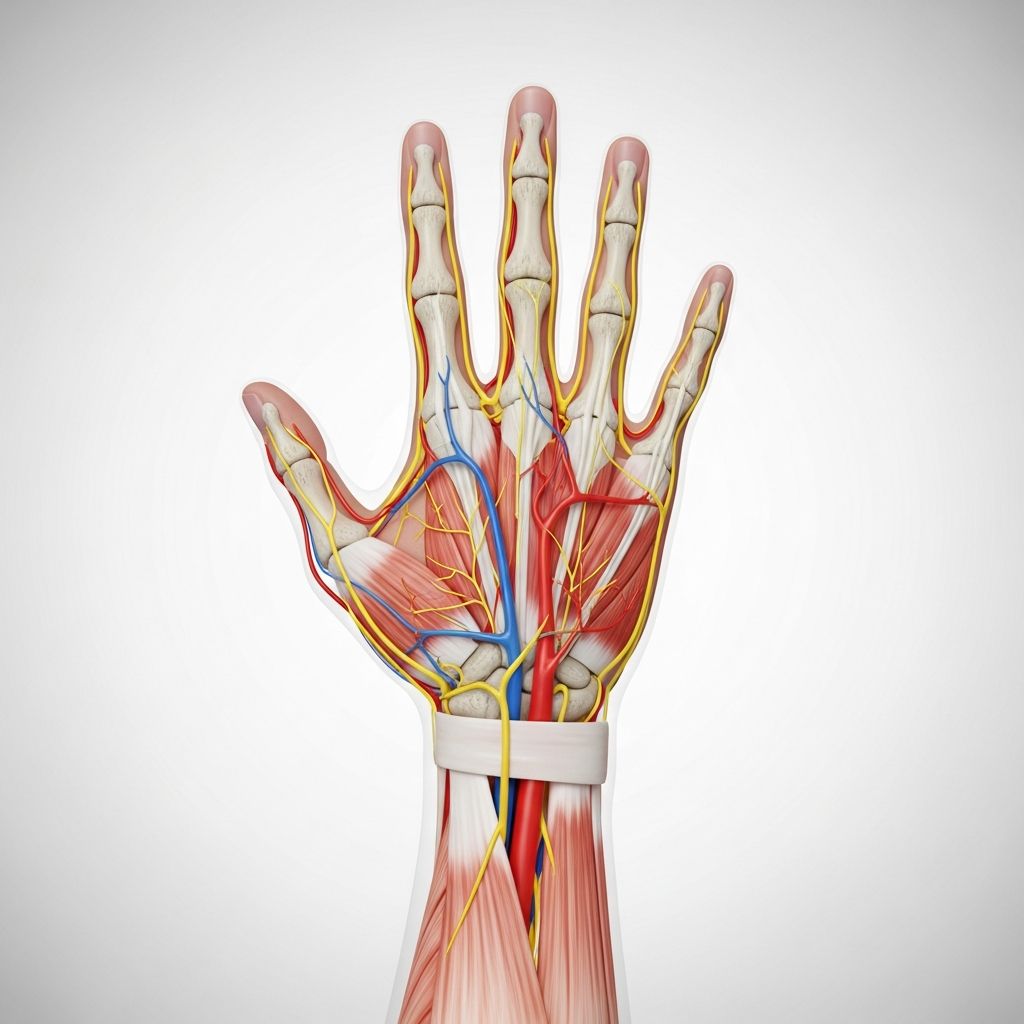
Understanding the Anatomy of the Human Hand
The human hand is a remarkable biological structure composed of multiple interconnected systems working in perfect harmony. With over 27 bones, numerous muscles, intricate nerve networks, and an extensive blood supply system, the hand represents one of the most complex and dexterous parts of the human body. Understanding the anatomy of the hand is essential for healthcare professionals, athletes, and anyone seeking to comprehend how this extraordinary organ functions. The hand’s sophisticated design enables us to perform everything from delicate precision tasks to powerful gripping movements, making it indispensable to our daily lives and interactions with the world around us.
The Skeletal Structure of the Hand
The foundation of hand anatomy begins with its skeletal framework, which provides the structural support necessary for movement and protection of soft tissues. The hand skeleton is divided into three primary regions: the carpals, metacarpals, and phalanges.
Carpal Bones
The wrist contains eight small carpal bones arranged in two rows. These bones are essential for connecting the forearm to the rest of the hand and provide flexibility and strength to the wrist joint. The proximal row consists of the scaphoid, lunate, triquetrum, and pisiform bones, while the distal row contains the trapezium, trapezoid, capitate, and hamate bones. The arrangement of these bones allows for complex wrist movements including flexion, extension, radial deviation, ulnar deviation, and circumduction. The scaphoid is the largest carpal bone and is frequently involved in wrist fractures, while the pisiform is unique as it functions as a sesamoid bone.
Metacarpal Bones
Five metacarpal bones form the structure of the palm of the hand. These long bones extend from the carpal bones to the base of the fingers and are numbered one through five, starting from the thumb. The metacarpals provide the framework for the palm and contribute significantly to gripping strength. The head of each metacarpal bone forms the knuckles we see when we make a fist. These bones are relatively mobile, particularly the first and fifth metacarpals, which contribute to the hand’s remarkable adaptability and range of motion.
Phalanges
The fingers and thumb contain a total of 14 phalanges, or finger bones. Each finger has three phalanges: the proximal, middle, and distal phalanges. The thumb, being unique, contains only two phalanges. These bones are arranged in a way that allows for precise and delicate movements essential for fine motor control. The phalanges articulate with each other through interphalangeal joints, allowing for flexion and extension movements critical to gripping and manipulation tasks.
Muscular System of the Hand
The hand’s muscular system consists of both intrinsic and extrinsic muscles that work together to produce the full range of hand and finger movements.
Intrinsic Muscles
The intrinsic muscles are located entirely within the hand and are responsible for fine, precise movements. These muscles include the small muscles between the metacarpal bones, known as the interossei, which control finger spreading and drawing together. The lumbricals are another group of intrinsic muscles that assist in finger flexion and extension, providing delicate control over finger positioning. The muscles of the thenar eminence control thumb movements and opposition, enabling the thumb to touch each fingertip. The hypothenar muscles perform similar functions for the little finger, and the palmaris brevis muscle helps create facial expressions through hand positioning.
Related Stories



Extrinsic Muscles
Extrinsic muscles originate in the forearm and extend into the hand through tendons. The flexor digitorum superficialis and flexor digitorum profundus muscles bend the fingers, while the extensor digitorum muscle straightens them. The flexor carpi radialis and flexor carpi ulnaris control wrist flexion, whereas the extensor carpi radialis and extensor carpi ulnaris manage wrist extension. These powerful muscles work in coordinated patterns to produce the strong gripping forces and the delicate manipulative abilities for which the human hand is renowned.
Nerve Supply and Sensation
The hand receives sensory information and motor control through three primary nerves that work in complementary fashion to provide comprehensive coverage.
The Radial Nerve
The radial nerve controls the muscles that extend the wrist and fingers, providing motor function to the back of the hand. It supplies sensory information to the thumb, index finger, middle finger, and the radial half of the ring finger on the dorsal surface of the hand. The radial nerve is vulnerable to compression injuries and nerve damage that can result in wrist drop, where the wrist cannot be extended properly.
The Median Nerve
The median nerve provides sensation to the palm, thumb, index finger, middle finger, and radial half of the ring finger. This nerve also controls the thenar muscles responsible for thumb opposition, a critical movement for gripping and pinching. Compression of the median nerve at the wrist results in carpal tunnel syndrome, one of the most common nerve compression disorders affecting the hand.
The Ulnar Nerve
The ulnar nerve provides sensation to the ulnar side of the hand, including the little finger and the ulnar half of the ring finger. It also controls most of the intrinsic hand muscles, providing fine motor control for delicate finger movements. Ulnar nerve compression can occur at various points along its course and may result in claw hand deformity if severe.
Vascular Supply to the Hand
A rich network of blood vessels ensures that the hand receives adequate oxygen and nutrients while removing metabolic waste products. Two main arteries provide blood supply to the hand: the radial artery and the ulnar artery, which are terminal branches of the brachial artery.
Arterial System
The radial artery travels along the thumb side of the forearm and enters the palm, where it forms the deep palmar arch. The ulnar artery runs along the ulnar side of the forearm and continues into the palm to form the superficial palmar arch. These two arterial arches create an extensive network of small arteries that supply blood to the fingers and palm. The interconnection between these arches provides collateral circulation, meaning that if one artery becomes blocked, blood can still reach the tissues through alternative routes.
Venous Drainage
Venous drainage from the hand occurs through both superficial and deep veins that eventually drain into the basilic and cephalic veins of the forearm. The superficial veins are visible on the back of the hand and are commonly used for intravenous access in medical settings. The deep veins run alongside the arteries and drain the deeper structures of the hand.
Joint Structure and Movements
The hand contains multiple joints that work together to produce its remarkable range of motion and versatility.
Wrist Joints
The radiocarpal joint, formed between the radius bone of the forearm and the carpal bones, is the primary wrist joint. This condyloid joint allows flexion, extension, radial deviation, ulnar deviation, and circumduction. The stability of the wrist joint is maintained by an intricate system of ligaments that prevent excessive or abnormal movement.
Metacarpophalangeal Joints
These joints, commonly called the knuckles, connect the metacarpal bones to the proximal phalanges. They are capable of flexion, extension, abduction, and adduction movements. These joints are particularly important for gripping and allow the fingers to assume different positions for various grasping patterns.
Interphalangeal Joints
The proximal interphalangeal joints connect the proximal to the middle phalanges, while the distal interphalangeal joints connect the middle to the distal phalanges. These joints primarily allow for flexion and extension movements essential for fine manipulation and precise finger positioning.
Connective Tissues and Support Structures
Various connective tissues provide support, protection, and facilitate coordinated movement throughout the hand.
Tendons and Ligaments
Tendons attach muscles to bones and transmit the force generated by muscle contraction to produce movement. The hand contains numerous tendons running through specific pathways that maintain their position and prevent bowstringing during movement. Ligaments connect bone to bone and provide stability to the joints, preventing excessive or abnormal movements. The intricate arrangement of tendons and ligaments in the hand allows for precise control and prevents joint dislocation.
Fascia and Compartments
The hand is divided into compartments by fascia, connective tissue membranes that separate and support different structures. The thenar compartment contains the thumb muscles, the hypothenar compartment contains the little finger muscles, and the central compartment contains the flexor tendons and lumbricals. These compartments help organize hand structures and prevent the spread of infection.
Common Hand Conditions and Clinical Significance
Understanding hand anatomy is crucial for diagnosing and treating various hand conditions that affect millions of people worldwide.
Carpal Tunnel Syndrome
This condition results from compression of the median nerve as it passes through the carpal tunnel at the wrist. Symptoms include numbness, tingling, and weakness in the thumb, index, and middle fingers. Understanding the anatomical pathway of the median nerve helps clinicians identify compression points and determine appropriate treatment options.
Arthritis and Joint Degeneration
Osteoarthritis commonly affects the hand joints, particularly the joints at the base of the thumb and the distal interphalangeal joints. Knowledge of joint anatomy helps healthcare providers understand disease progression and develop targeted interventions.
Fractures and Injuries
Hand fractures are among the most common bone injuries. Understanding skeletal anatomy helps physicians determine fracture locations, assess severity, and implement appropriate treatment strategies to preserve hand function.
Frequently Asked Questions
Q: How many bones are in the human hand?
A: The human hand contains 27 bones in total: 8 carpal bones in the wrist, 5 metacarpal bones in the palm, and 14 phalanges in the fingers and thumb.
Q: What is the function of the intrinsic hand muscles?
A: Intrinsic hand muscles provide fine, precise movements and delicate control of finger positioning. They include the interossei, lumbricals, and thenar muscles that enable tasks requiring accuracy and dexterity.
Q: Which nerve compression causes carpal tunnel syndrome?
A: Carpal tunnel syndrome results from compression of the median nerve as it passes through the carpal tunnel at the wrist, causing numbness and tingling in the thumb and first three fingers.
Q: How do the radial and ulnar arteries supply blood to the hand?
A: The radial and ulnar arteries form two arterial arches in the palm—the deep and superficial palmar arches—which interconnect to provide collateral circulation throughout the hand and fingers.
Q: What makes the thumb unique in hand anatomy?
A: The thumb contains only two phalanges instead of three and possesses dedicated thenar muscles that allow it to oppose the other fingers, enabling powerful gripping and precise manipulation.
Q: How do ligaments contribute to hand stability?
A: Ligaments connect bone to bone and provide structural stability to hand joints, preventing excessive or abnormal movements while allowing for necessary flexibility and range of motion.
References
- Small Joint Denervation of the Hand and Thumb Base: History, Anatomy, Surgical Technique, and Outcomes — Johns Hopkins University, Department of Orthopaedic Surgery. 2024. https://pure.johnshopkins.edu/en/publications/small-joint-denervation-of-the-hand-and-thumb-base-history-anatom/
- Anatomy of the Hand and Wrist — Johns Hopkins Medicine. 2024. https://www.hopkinsmedicine.org/
- Hand and Wrist Anatomy — National Institutes of Health, U.S. National Library of Medicine. 2023. https://www.nlm.nih.gov/
- Clinical Anatomy of the Hand — American Society for Surgery of the Hand (ASSH). 2024. https://www.assh.org/
- Upper Extremity Anatomy and Physiology — American Academy of Orthopaedic Surgeons (AAOS). 2024. https://www.aaos.org/
Similar Articles








Read full bio of medha deb