Anemia Diet Plan to Help Boost Iron Levels
Discover a comprehensive diet plan with iron-rich foods, meal ideas, and expert tips to combat anemia and restore energy levels effectively.
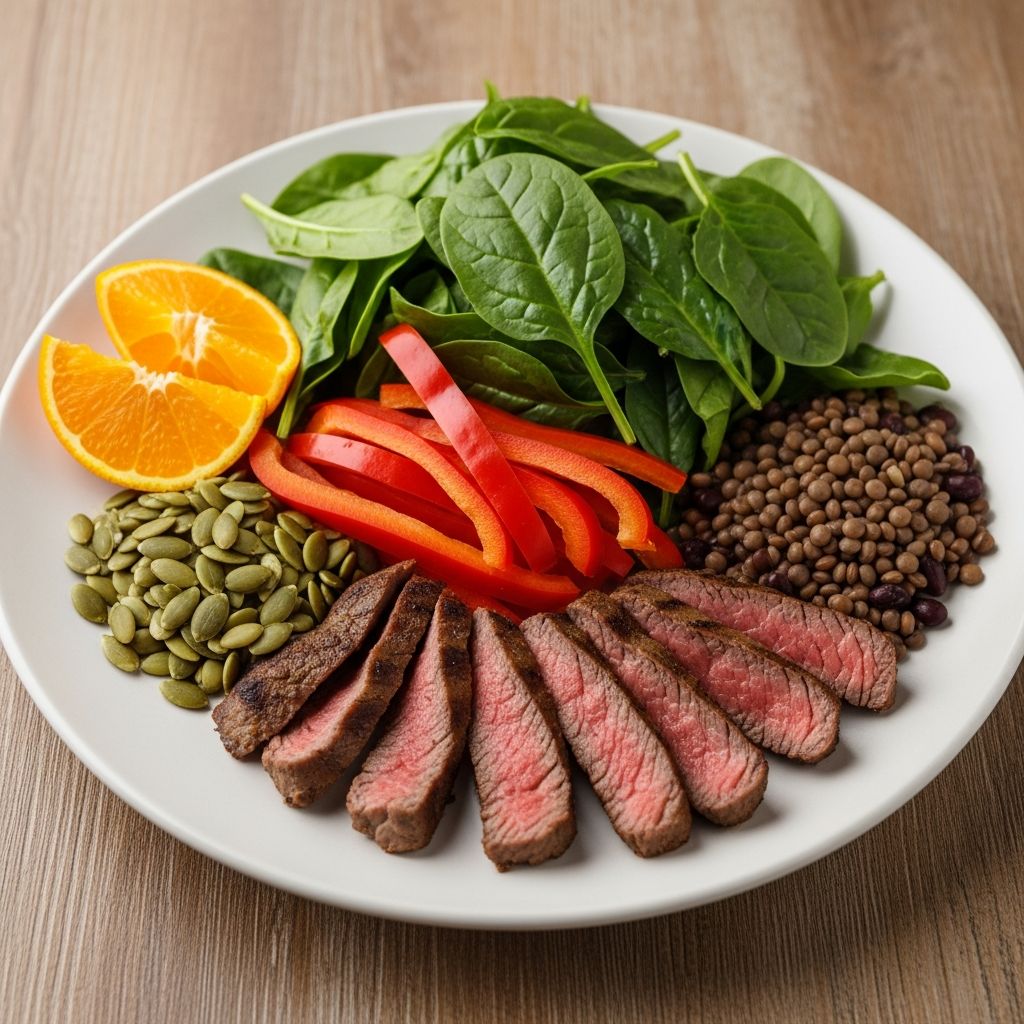
Iron-deficiency anemia affects millions worldwide, leading to fatigue, weakness, and reduced quality of life. This condition occurs when your body lacks sufficient iron to produce hemoglobin, the protein in red blood cells that carries oxygen. While supplements may be necessary under medical supervision, dietary changes play a crucial role in prevention and management. This comprehensive guide outlines an effective anemia diet plan, focusing on iron-rich foods, absorption enhancers, and practical meal strategies to help boost your iron levels naturally.
What Is Anemia?
Anemia is a common blood disorder characterized by low hemoglobin levels, impairing oxygen delivery to tissues. The most prevalent type, iron-deficiency anemia, stems from inadequate iron intake, absorption issues, blood loss, or increased demand during pregnancy or growth spurts. Symptoms include tiredness, pale skin, shortness of breath, dizziness, and cold hands and feet. Early intervention through diet can alleviate these effects and prevent complications like heart strain or developmental delays in children.
How Diet Helps with Anemia
Diet directly influences anemia by providing heme iron (from animal sources, highly absorbable at 15-35%) and non-heme iron (from plants, 2-20% absorbable). Pairing non-heme iron with
vitamin C
dramatically enhances absorption, while avoiding inhibitors like calcium or tannins is key. Consistent intake of 18 mg daily for women and 8 mg for men (per NIH guidelines) supports hemoglobin production. Beyond iron, folate and vitamin B12 are vital for red blood cell formation, making a balanced approach essential.Foods to Eat for Anemia
Incorporate these nutrient-dense foods to build iron stores effectively:
- Heme Iron Sources: Lean red meat (beef, lamb), poultry (chicken, turkey), fish (salmon, tuna, sardines), shellfish (oysters, clams).
- Non-Heme Iron Sources: Legumes (lentils, chickpeas, beans), tofu, spinach, kale, fortified cereals, quinoa, nuts (almonds, cashews), seeds (pumpkin, sesame).
- Vitamin C Boosters: Citrus fruits (oranges, strawberries, kiwi), bell peppers, broccoli, tomatoes, pineapple.
- Folate-Rich Foods: Leafy greens, avocados, asparagus, fortified grains.
- Vitamin B12 Sources: Eggs, dairy (Greek yogurt, milk), fortified plant milks.
Aim for variety: A 3-ounce beef serving provides 2.5 mg heme iron, while 1 cup cooked lentils offers 6.6 mg non-heme.
Foods to Avoid or Limit
Certain foods hinder iron uptake:
- Calcium-Rich: Dairy (milk, cheese, yogurt) – consume separately from iron meals.
- Tannins: Tea, coffee, red wine – wait 1-2 hours post-iron-rich meals.
- Phytates: Whole grains, bran – soak or ferment to reduce.
- Oxalates: High in spinach (iron is less bioavailable), pair with vitamin C.
- Processed Foods: High sugar/salt divert from nutrient-dense options.
Antacids with calcium or magnesium also impair absorption; time them apart.
Sample 7-Day Anemia Diet Plan
This practical 7-day plan delivers ~15-20 mg iron daily, balancing heme/non-heme sources with vitamin C. Portions suit a 2,000-calorie diet; adjust as needed. Prep tips: Batch-cook lentils/chili, use fortified staples.
Related Stories



| Day | Breakfast | Lunch | Dinner | Snacks |
|---|---|---|---|---|
| Day 1 | 1/2 cup iron-fortified oats + 1/2 cup strawberries + 1 tbsp pumpkin seeds | 3 cups spinach salad + 4 oz grilled chicken + cherry tomatoes + lemon dressing | 1.5 cups lentil soup + whole-wheat bread + orange | Hard-boiled egg + 1/4 cup almonds |
| Day 2 | 1 cup Greek yogurt + mixed berries + honey (eat yogurt 2 hrs after iron foods) | 1.5 cups leftover lentil soup + side salad | 4 oz baked salmon + roasted broccoli + red bell peppers | Apple slices + 2 tbsp peanut butter |
| Day 3 | 2 scrambled eggs + 1 cup sautéed spinach + whole-wheat toast | Quinoa salad: 1 cup quinoa + 1/2 cup black beans + corn + lime dressing | 1.5 cups lean beef chili with beans/tomatoes | 1 cup fortified orange juice |
| Day 4 | Smoothie: 1 cup spinach + banana + berries + fortified milk | 1.5 cups leftover beef chili | 4 oz chicken stir-fry + mixed veggies + 1/2 cup brown rice | 1/4 cup dried apricots |
| Day 5 | 1 cup fortified cereal + banana + milk | Tuna sandwich: 5 oz tuna + Greek yogurt + whole-wheat bread + tomatoes | Shepherd’s pie: 4 oz ground lamb + sweet potato mash | 1 medium pear |
| Day 6 | 1/2 cup oats + blackstrap molasses + walnuts + peaches | Leftover shepherd’s pie | Black bean burger + whole-grain bun + sweet potato fries | 1/2 cup cottage cheese + pineapple |
| Day 7 | 2 whole-wheat pancakes + mixed berries | Black bean patty salad + mixed greens + vinaigrette | 4 oz turkey + asparagus + baked potato + Greek yogurt | 1/4 cup cashews |
Why it works: Each day pairs iron with vitamin C (e.g., citrus, peppers), spaces calcium, and varies sources for sustainability. Hydrate well; include herbal teas.
Boosting Iron Absorption: Key Tips
- Pair with Vitamin C: Add lemon to spinach or oranges to lentils – doubles/triples non-heme uptake.
- Cook in Cast Iron: Increases meal iron content by 2-3 mg per serving.
- Timing Matters: Iron breakfast, calcium lunch; no tea/coffee with meals.
- Supplements if Needed: Consult doctor; take on empty stomach with C.
- Lifestyle: Manage heavy periods, vegetarian diets with planning.
Other Nutrients for Anemia
Iron alone isn’t enough. Folate (400 mcg/day) from greens/beans prevents megaloblastic anemia. B12 (2.4 mcg/day) from animal products/fortified foods aids nerve health. Protein supports blood cell synthesis.
Frequently Asked Questions (FAQs)
Can diet alone cure anemia?
Diet manages mild cases and prevents recurrence but severe anemia often requires supplements or treatment. Consult a healthcare provider.
How long until I feel better on this diet?
Improvements in 1-2 weeks; full recovery in 2-3 months with consistent intake.
Is this plan vegetarian-friendly?
Yes, swap meat for lentils/tofu; emphasize fortified foods and C pairings.
What if I’m pregnant?
Increase to 27 mg iron/day; include prenatal vitamins.
Should I avoid spinach?
No, but pair with C to counter oxalates.
Final Thoughts
Implementing this anemia diet plan can significantly boost iron levels, energy, and well-being. Track symptoms, get blood tests, and work with a dietitian for personalization. Consistency is key to long-term success.
References
- Iron – Health Professional Fact Sheet — Office of Dietary Supplements, National Institutes of Health. 2024-08-05. https://ods.od.nih.gov/factsheets/Iron-HealthProfessional/
- Anemia Diet: What to Eat (w/ Meal Plan) — Tua Saúde. 2025-01-15. https://www.tuasaude.com/en/anemia-diet/
- Foods and meal plans for iron deficiency — Medical News Today. 2024-11-20. https://www.medicalnewstoday.com/articles/322336
- Anemia: Your Diet Plan — Healthline. 2025-03-10. https://www.healthline.com/health/best-diet-plan-for-anemia
- Nutrition — Aplastic Anemia and MDS International Foundation. 2024-06-12. https://www.aamds.org/health-wellness/caring-yourself/nutrition
Similar Articles








Read full bio of Sneha Tete