Anemia During Pregnancy: Symptoms, Risks & Prevention
Understanding anemia in pregnancy: causes, symptoms, treatment options and prevention strategies.

Understanding Anemia During Pregnancy
Anemia is a condition in which your body doesn’t have enough red blood cells to carry oxygen throughout your system. When your body fails to receive adequate oxygen from your blood, it cannot function properly. During pregnancy, being anemic means your red blood cell count has dropped below normal levels, as determined by a complete blood count (CBC) test. This condition affects a significant portion of the global population, with the World Health Organization estimating that approximately 37% of pregnancies are affected by anemia. In the United States, prenatal anemia varies by ethnicity, affecting 22% of Black women, 18% of Pacific Islander women, 11% of Asian women, and 10% of White women.
Why Anemia Develops During Pregnancy
Pregnancy creates unique physiological changes that increase the risk of anemia. Throughout pregnancy, the amount of blood in your body increases by 20% to 30%. While your body produces more red blood cells during this time, it also experiences a disproportionate increase in plasma volume, which results in hemodilution. This means your body needs significantly more iron to produce the additional red blood cells necessary to maintain adequate oxygen-carrying capacity.
To produce red blood cells and hemoglobin, your body requires a consistent supply of iron and vitamins. Without adequate supplies, your body cannot produce enough hemoglobin to properly transport oxygen to your organs and tissues. This is why iron deficiency is the most common pathologic cause of anemia during pregnancy, with up to 52% of pregnant women in developing countries not getting enough iron.
Types of Anemia During Pregnancy
More than 400 types of anemia exist, though only certain types are common during pregnancy. Understanding these types helps healthcare providers determine the most appropriate treatment approach:
Iron Deficiency Anemia
Iron deficiency anemia is the most prevalent form of anemia during pregnancy. This condition typically results from inadequate dietary intake, recurrent loss of iron in menstrual blood, or blood loss from previous pregnancies. Iron deficiency anemia develops when your body doesn’t have sufficient iron stores to meet the increased demands of pregnancy.
Folate Deficiency Anemia
Folate deficiency increases the risk of neural tube defects and occurs in 0.5 to 1.5% of pregnant women. When deficiency is moderate or severe, it can result in megaloblastic macrocytic anemia. Severe cases may lead to glossitis, a condition affecting the tongue.
Vitamin B12 Deficiency
Your body requires vitamin B12 to produce healthy red blood cells. Without adequate B12, your body cannot generate sufficient hemoglobin to carry oxygen effectively.
Hemoglobinopathies
During pregnancy, hemoglobinopathies such as sickle cell disease, Hb S-C disease, and beta- and alpha-thalassemia are associated with increased risks of adverse maternal and perinatal outcomes.
Symptoms and Signs of Anemia
Many women don’t notice symptoms of mild anemia initially. However, as the condition progresses, you may experience several warning signs:
- Fatigue and weakness
- Dizziness or lightheadedness
- Shortness of breath
- Feeling cold more easily
- Pale skin, nail beds, or inside of eyelids
- Rapid or irregular heartbeat (tachycardia)
- Difficulty concentrating
Related Stories



If you experience these symptoms during pregnancy, contact your healthcare provider immediately. Early detection and treatment can prevent complications for both you and your developing baby.
Risk Factors for Anemia During Pregnancy
Certain factors increase your likelihood of developing anemia during pregnancy. You may be at higher risk if you:
- Follow a vegetarian or vegan diet without proper iron supplementation
- Have a history of heavy menstrual bleeding
- Are carrying multiple babies
- Have had previous pregnancies close together
- Have chronic conditions affecting nutrient absorption
- Belong to certain ethnic groups with higher prevalence rates
- Have limited access to iron-rich foods or prenatal care
Diagnosis of Anemia
A blood test called a complete blood count (CBC) can diagnose anemia. This test is often performed at one of your first prenatal appointments. Your healthcare provider uses the CBC to analyze your hemoglobin levels, hematocrit, and red blood cell count. The test measures:
- Hemoglobin concentration (measured in grams per deciliter)
- Hematocrit percentage (the proportion of red blood cells in blood)
- Red blood cell count and characteristics
- Mean corpuscular volume (average red blood cell size)
Mild anemia is considered normal during pregnancy due to hemodilution, but severe anemia requires immediate treatment. Severe anemia is defined as hemoglobin levels of 6.5 to 7.9 grams per deciliter.
Impact on Maternal and Fetal Health
Anemia during pregnancy can have significant consequences for both mother and baby. The developing fetus relies on you to receive enough iron, vitamin B12, and folic acid. Untreated anemia can affect fetal growth, particularly during the first trimester.
If anemia goes untreated, your baby faces higher risks of several complications:
- Anemia after birth, which can lead to developmental problems
- Early delivery (preterm birth)
- Low birth weight
- Stillbirth
- Growth restriction
- Neurodevelopmental effects
Maternal complications from untreated anemia include placental abruption, intensive care unit admission, and increased risk of infection. It’s important to note that while anemia doesn’t directly cause miscarriage, severe anemia can lead to serious pregnancy complications.
Treatment Options for Anemia During Pregnancy
Treatment for anemia during pregnancy depends on the severity of your condition and the underlying cause. Your healthcare provider will develop a personalized treatment plan based on your specific needs.
Dietary Modifications
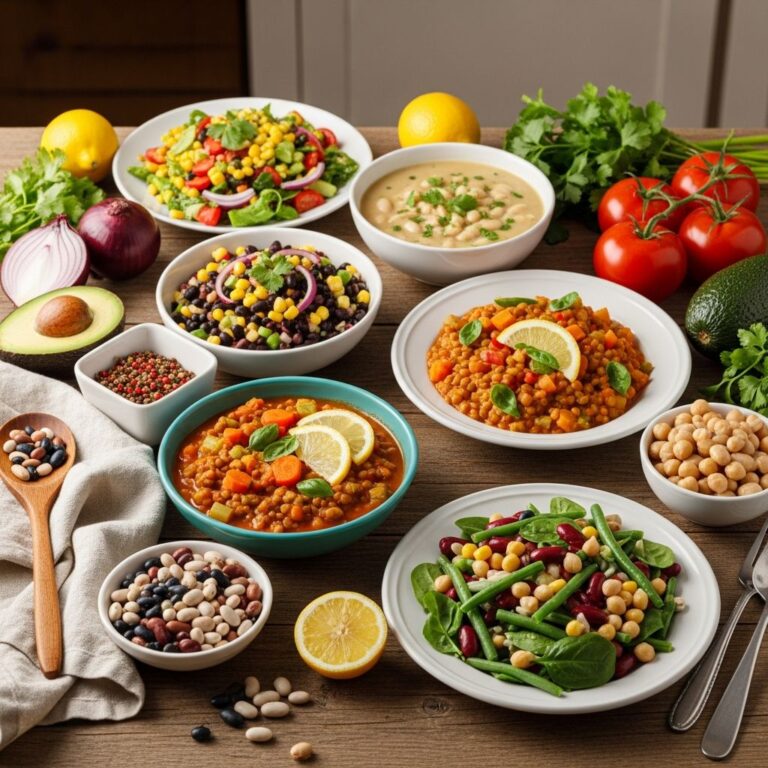
The best way to treat the most common types of anemia is ensuring you’re getting enough iron, B12, and folic acid. Iron-rich foods include spinach, lean beef, turkey, and legumes. Foods high in vitamin C—including citrus fruits, tomatoes, and peppers—are equally important because they enhance your body’s ability to absorb iron.
Prenatal Vitamins and Supplements
Taking a prenatal vitamin every day is essential during pregnancy. If you have anemia, your pregnancy care provider may recommend an additional iron supplement beyond what’s included in your prenatal vitamin. About 20% of pregnant women treated with oral iron supplements don’t absorb enough supplemental iron or cannot tolerate the side effects; these patients may require parenteral (intravenous) therapy.
Severe Anemia Treatment
If your CBC results show severe anemia, your provider may perform a blood transfusion, most likely in an outpatient setting. A blood transfusion will provide you with healthy red blood cells to restore proper oxygen-carrying capacity.
Prevention Strategies
The best way to prevent anemia is to eat at least 30 milligrams (three servings) of iron each day. If you cannot get sufficient iron through your diet alone, discuss iron supplementation with your healthcare provider. All pregnant patients should take low-dose iron supplements in the first trimester to prevent anemia at delivery.
Additional prevention measures include:
- Maintaining a balanced, nutrient-rich diet
- Taking prenatal vitamins as recommended
- Getting plenty of rest
- Drinking adequate fluids
- Attending regular prenatal appointments
- Getting blood work done to monitor hemoglobin levels
Self-Care Strategies
When managing anemia during pregnancy, prioritize self-care alongside medical treatment. The best approach combines healthy eating with adequate rest and hydration. Eat a healthy, iron-rich diet featuring foods you enjoy and that contain essential nutrients. Get plenty of sleep and rest periods throughout the day, as your body is working hard to support both your needs and your developing baby’s needs. Drink lots of fluids to help your body produce adequate blood volume and support oxygen transport. Finally, take your prenatal vitamin and/or iron supplement as prescribed by your healthcare provider.
Prognosis and Outlook
If treated appropriately, the outlook for someone with anemia during pregnancy is very good. You can easily manage this condition with supplements and minor diet adjustments. Most cases of anemia during pregnancy resolve with straightforward interventions. After you give birth, your blood volume and plasma levels should return to normal. However, it’s important to continue working with your healthcare provider throughout pregnancy to monitor your condition and adjust treatment as needed.
Frequently Asked Questions
Q: Is mild anemia normal during pregnancy?
A: Yes. Because blood volume increases during pregnancy, mild anemia is normal and expected. However, both mild and severe anemia require treatment to protect the health of you and the fetus.
Q: Can anemia during pregnancy cause miscarriage?
A: No. Anemia during pregnancy doesn’t directly cause miscarriage, but severe anemia can cause pregnancy complications that may affect your pregnancy.
Q: What should I do if I experience anemia symptoms?
A: Talk to your provider if you experience signs of anemia such as fatigue, dizziness, shortness of breath, or feeling cold. Ask your provider about testing for anemia and what you can do to maintain healthy red blood cell levels throughout your pregnancy.
Q: How much iron do I need during pregnancy?
A: The best way to prevent anemia is to eat at least 30 milligrams (three servings) of iron each day. If you can’t get that much iron in your diet, talk to your provider about taking an iron supplement.
Q: Will my anemia affect my baby?
A: The developing fetus relies on you to get enough iron, vitamin B12, and folic acid. Untreated anemia can affect the growth of the fetus, especially during the first trimester. If anemia goes untreated, your baby is at higher risk of having anemia after birth, which can lead to developmental problems.
Q: When should anemia be treated during pregnancy?
A: Both mild and severe anemia require treatment to protect the health of you and the fetus. It’s important to begin treatment as soon as anemia is diagnosed to prevent complications.
References
- Anemia During Pregnancy: Symptoms, Risks & Prevention — Cleveland Clinic. Accessed December 2025. https://my.clevelandclinic.org/health/diseases/23112-anemia-during-pregnancy
- Anemia in Pregnancy — Merck Manuals (Professional Edition). Accessed December 2025. https://www.merckmanuals.com/professional/gynecology-and-obstetrics/approach-to-the-pregnant-woman-and-prenatal-care/anemia-in-pregnancy
- Severe Megaloblastic Anemia: Vitamin Deficiency and Other Causes — Cleveland Clinic Journal of Medicine. 2020. https://www.ccjm.org/content/87/3/153
- Prenatal Vitamins: Importance, Deficiency & Essentials — Cleveland Clinic. Accessed December 2025. https://my.clevelandclinic.org/health/drugs/9754-pregnancy-prenatal-vitamins
- Erythropoiesis: What It Is & Process Stages — Cleveland Clinic. Accessed December 2025. https://my.clevelandclinic.org/health/articles/24407-erythropoiesis
Similar Articles








Read full bio of Sneha Tete