Anemia: 8 Common Symptoms, Causes, And Treatments
Complete guide to understanding anemia, its causes, symptoms, diagnosis, and treatment options.
What Is Anemia?
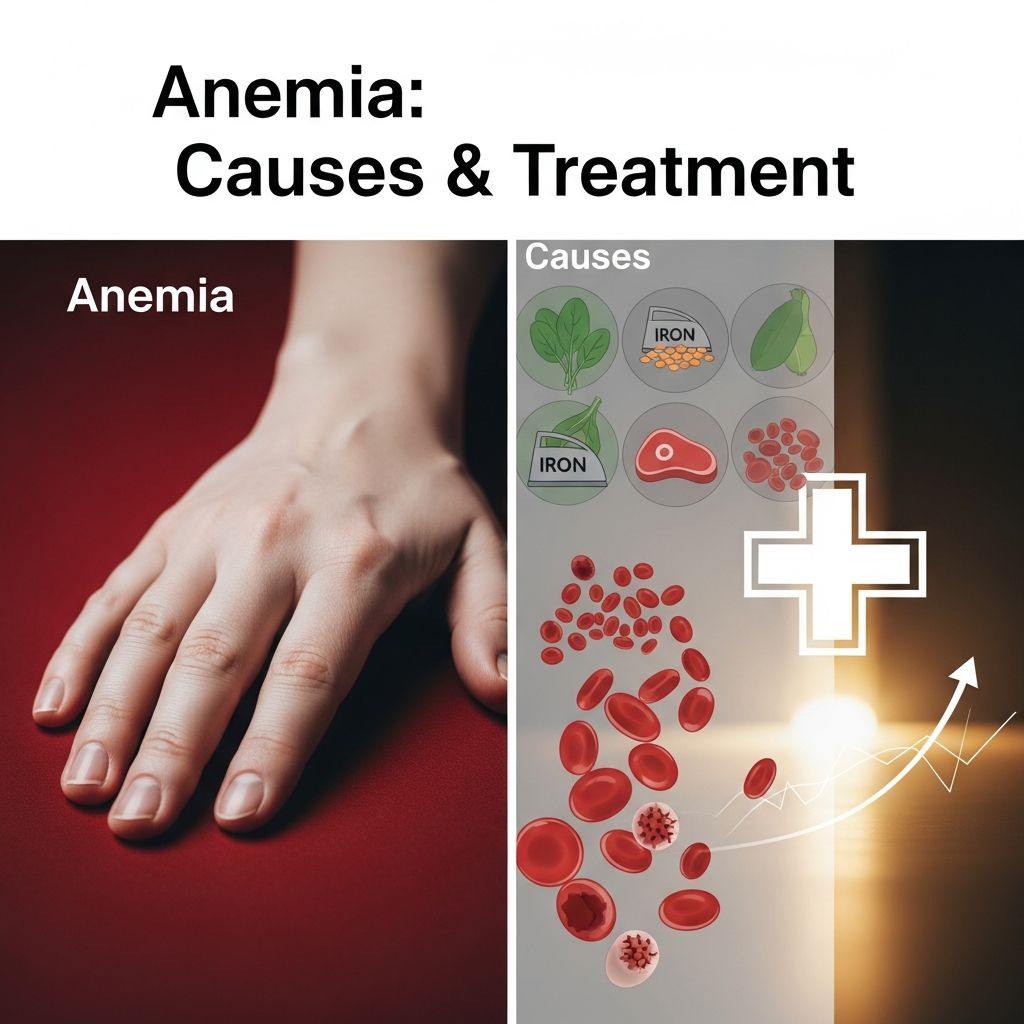
Anemia is a condition in which your body doesn’t have enough healthy red blood cells to carry oxygen throughout your body. Red blood cells contain a protein called hemoglobin, which binds to oxygen and transports it to tissues and organs. When hemoglobin levels are below normal, your body cannot deliver adequate oxygen to its cells, leading to various symptoms and complications.
Red blood cells are produced in your bone marrow and typically live for about 120 days before being replaced. Anemia develops when your body either produces too few red blood cells, destroys them too quickly, or loses them through bleeding. The severity of anemia ranges from mild cases with minimal symptoms to severe forms requiring immediate medical intervention.
Types of Anemia
There are numerous types of anemia, each with distinct causes and treatment approaches. Understanding the specific type is crucial for effective management.
Iron-Deficiency Anemia
Iron-deficiency anemia is the most common form of anemia worldwide. Your body requires iron to produce hemoglobin, and without sufficient iron stores, red blood cells cannot develop properly. This type of anemia occurs when iron levels drop below what your body needs for optimal function.
Vitamin-Deficiency Anemia
Vitamin deficiency anemia develops when your body lacks sufficient vitamin B12 or folate (vitamin B9), both essential for red blood cell production. These vitamins are critical for cell division and DNA synthesis. Pernicious anemia, an autoimmune condition, prevents your body from absorbing vitamin B12 properly, regardless of intake levels.
Microcytic Anemia
Microcytic anemia occurs when red blood cells are smaller than usual because they lack sufficient hemoglobin. Iron deficiency is the most common cause, though genetic disorders may also contribute to this condition.
Megaloblastic Anemia
Megaloblastic anemia results from deficiencies in vitamin B12 or folate, causing the production of abnormally large, immature red blood cells. This condition interferes with normal cell division and hemoglobin production.
Common Causes of Anemia
Anemia results from various underlying conditions and factors. Identifying the root cause is essential for determining the appropriate treatment plan.
Blood Loss
Chronic or acute bleeding significantly reduces your red blood cell count. Common sources include heavy menstrual periods, gastrointestinal bleeding from ulcers or digestive disorders, and traumatic injuries. Even minor, prolonged bleeding can eventually lead to anemia if not addressed.
Reduced Red Blood Cell Production
Several conditions impair your bone marrow’s ability to produce adequate red blood cells. These include aplastic anemia, where the bone marrow fails to generate sufficient blood cells; certain cancers; kidney disease, which reduces erythropoietin production necessary for red blood cell formation; and bone marrow disorders like myelodysplastic syndromes.
Nutritional Deficiencies
Iron, vitamin B12, and folate deficiencies are primary nutritional causes of anemia. Inadequate dietary intake, malabsorption issues, certain medications, and alcohol abuse can all contribute to these deficiencies. Pregnancy and breastfeeding increase nutritional demands and may deplete iron stores.
Chronic Diseases
Long-lasting inflammation from conditions like inflammatory bowel disease, rheumatoid arthritis, and lupus can impact red cell production and lead to anemia. Additionally, chronic kidney disease, cancer, and chronic infections compromise the body’s ability to maintain healthy red blood cell levels.
Related Stories



Hemolysis
Some conditions cause red blood cells to break down faster than your body can replace them. Autoimmune hemolytic anemia, sickle cell disease, and certain infections trigger premature destruction of red blood cells, resulting in insufficient oxygen-carrying capacity.
Other Contributing Factors
Endurance training, pregnancy complications, certain medications, and genetic disorders can also contribute to anemia development. Alcohol abuse interferes with nutrient absorption and bone marrow function.
Symptoms of Anemia
Anemia symptoms vary depending on severity, how quickly the condition develops, and underlying causes. Mild anemia may produce no noticeable symptoms, while severe cases can be debilitating.
Common symptoms include:
- Persistent fatigue and weakness
- Shortness of breath, especially during physical activity
- Dizziness or lightheadedness
- Cold hands and feet
- Pale skin, nail beds, and mucous membranes
- Rapid or irregular heartbeat
- Difficulty concentrating or brain fog
- Headaches
If you experience severe symptoms such as severe chest pain, difficulty breathing at rest, or loss of consciousness, seek immediate medical attention.
Diagnosis of Anemia
Blood Tests
Blood tests are the primary method for diagnosing anemia. Your healthcare provider will typically order a Complete Blood Count (CBC), a simple and inexpensive test that measures your red blood cells, hemoglobin levels, and other essential blood components.
Hemoglobin levels below 13 grams per deciliter (g/dL) in men or 12 g/dL in women indicate anemia. Additional diagnostic tests may include:
- Blood smear or differential: Counts white blood cells, examines red blood cell shape, and identifies unusual cells
- Hematocrit test: Measures the percentage of red blood cells in your blood
- Reticulocyte count: Checks for immature red blood cells to assess bone marrow function
- Iron, TIBC, and Ferritin tests: Assess iron levels and how well your blood binds to iron
- Vitamin B12 and Folate tests: Evaluate essential vitamin levels needed for red blood cell production
- Blood Urea Nitrogen (BUN)/Creatinine ratio: Evaluates kidney function, which can contribute to anemia
Medical History and Physical Examination
After initial blood work, your healthcare provider will review your family history, medical history, and lifestyle factors. They may perform a physical examination to assess skin color, check for swelling, and listen to your heart rate and breathing patterns. This comprehensive approach helps identify underlying conditions requiring early detection for potentially life-saving outcomes.
Interpreting Anemia Test Results
Understanding your test results requires professional guidance, as results must be interpreted in context with your overall health history.
| Test Result | Potential Indication |
|---|---|
| Low hemoglobin and red blood cell count | May indicate anemia |
| Low iron or ferritin levels | Suggests iron-deficiency anemia |
| Abnormal vitamin B12 or folate levels | May point to vitamin-deficiency anemia |
| Abnormal kidney function markers | May indicate kidney disease-related anemia |
If your results suggest anemia, your healthcare provider may recommend further testing or treatment options.
Treatment Options for Anemia
Iron Supplements
Iron supplements are commonly prescribed for iron-deficiency anemia. Ferrous sulfate is a widely used iron supplement available in liquid and tablet forms, typically in 325-milligram servings. For optimal absorption, take iron supplements on an empty stomach. Avoid combining supplements with milk, caffeine, or calcium supplements. Taking your supplement with vitamin C, such as orange juice, may enhance absorption.
If you cannot tolerate oral supplements or your body cannot absorb them properly, your healthcare provider may recommend iron infusions, which deliver iron directly into your bloodstream.
Vitamin Therapy
For vitamin deficiency anemia, treatment focuses on restoring vitamin B12 or folate levels. You may receive supplements orally, by injection, or through intravenous infusion, depending on the severity of deficiency and absorption issues.
Dietary Changes
In many cases, anemia can be managed through dietary modifications. Consuming iron-rich foods, vitamin B12 sources, and folate-containing vegetables supports red blood cell production. In mild cases, dietary changes alone may be sufficient to resolve anemia.
Blood Transfusions
For severe anemia involving heavy blood loss or when other treatments prove ineffective, blood transfusions may be necessary. Transfusions directly increase red blood cell count and hemoglobin levels, providing immediate relief from symptoms.
Treating Underlying Conditions
Since anemia often signals an underlying disease, treating the primary condition is essential. For example, if chronic kidney disease causes anemia, managing kidney function improves red blood cell production. Similarly, treating inflammatory bowel disease or rheumatoid arthritis may resolve associated anemia.
Prevention and Management
While some forms of anemia cannot be prevented due to genetic or medical factors, you can reduce your risk through preventive measures:
- Maintain a balanced diet rich in iron, vitamin B12, and folate
- Follow your healthcare provider’s treatment recommendations diligently
- Attend regular follow-up appointments to monitor treatment progress
- Manage chronic conditions affecting red blood cell production
- Avoid alcohol abuse, which interferes with nutrient absorption
- Take prescribed supplements as directed
When to Seek Medical Attention
Contact your healthcare provider if you experience persistent fatigue, shortness of breath, dizziness, or other anemia symptoms. Seek immediate medical care if you develop severe chest pain, difficulty breathing at rest, or loss of consciousness. Early diagnosis and treatment can prevent complications and improve outcomes.
Frequently Asked Questions
Q: Can anemia be cured?
A: Yes, anemia can be cured in most cases. It is usually a short-term condition that can be treated with dietary changes, supplements, or addressing the underlying cause.
Q: Is anemia serious?
A: The seriousness depends on the type and severity. Mild anemia may cause minimal symptoms, while severe forms can significantly impact quality of life. Anemia may also indicate an underlying disease requiring early detection for optimal outcomes.
Q: How long does anemia treatment take?
A: Treatment duration varies based on the cause and severity. Iron deficiency anemia typically improves within weeks to months of supplementation, while vitamin deficiency anemia may require longer treatment periods.
Q: What foods help treat anemia?
A: Iron-rich foods include red meat, poultry, fish, beans, lentils, and fortified cereals. For vitamin B12, consume dairy products, eggs, and meat. Folate sources include leafy greens, asparagus, and legumes.
Q: Can I develop anemia from blood donation?
A: Regular blood donation may temporarily reduce iron levels, but healthy individuals typically maintain adequate red blood cell counts. Consult your healthcare provider if you donate frequently.
References
- How to Test for Anemia: FAQ Guide — Quest Diagnostics. 2024. https://www.questhealth.com/articles/how-to-test-for-anemia-faq-guide.html
- Anemia: Causes, Symptoms, Diagnosis, Treatments — WebMD. 2024. https://www.webmd.com/a-to-z-guides/understanding-anemia-basics
- Anaemia Treatment — Cleveland Clinic London. 2024. https://clevelandcliniclondon.uk/clinical-institutes/medical-subspecialties/haematology
- Microcytic Anemia: Symptoms, Causes & Treatment — Cleveland Clinic. 2024. https://my.clevelandclinic.org/health/diseases/23015-microcytic-anemia
- Vitamin Deficiency Anemia: Symptoms & Causes — Cleveland Clinic. 2024. https://my.clevelandclinic.org/health/diseases/17732-vitamin-deficiency-anemia
- Iron Supplements for Anemia (Ferrous Sulfate) — Cleveland Clinic. 2024. https://my.clevelandclinic.org/health/drugs/14568-iron-oral-supplements-for-anemia
- Severe Megaloblastic Anemia: Vitamin Deficiency and Other Causes — Cleveland Clinic Journal of Medicine. 2020. https://www.ccjm.org/content/87/3/153
Similar Articles








Read full bio of Sneha Tete