Anencephaly: Causes, Diagnosis, Prevention Guide
Understanding the causes, diagnosis, and support for families facing this severe birth defect affecting brain and skull development.
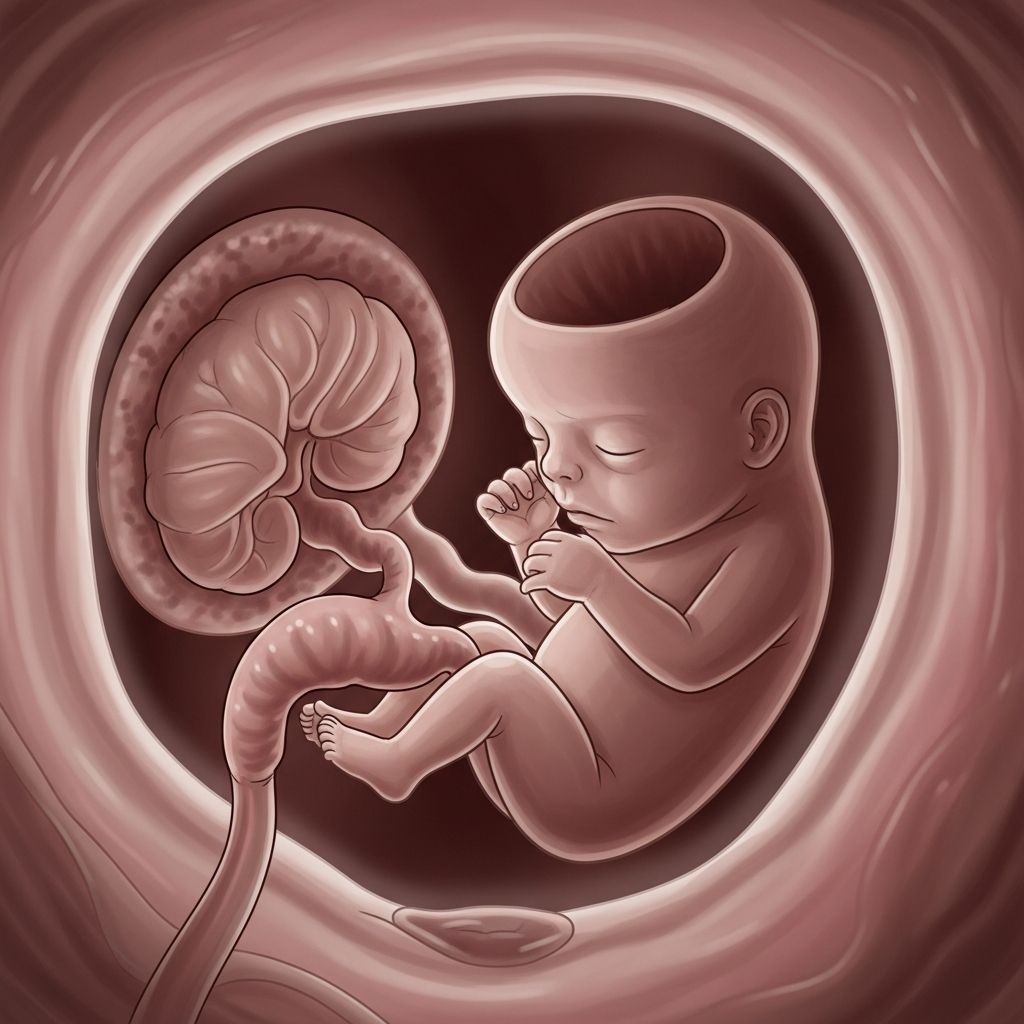
Anencephaly represents one of the most severe congenital anomalies, characterized by the absence of major portions of the brain, skull, and scalp due to a failure in neural tube closure during early embryonic stages. This condition invariably leads to fetal or neonatal death, with no viable treatments available.
The Embryonic Origins of Anencephaly
During the third and fourth weeks of gestation, a flat layer of cells known as the neural plate folds to form the neural tube, which differentiates into the brain and spinal cord. In anencephaly, the cranial end of this tube remains open, exposing developing neural tissue to amniotic fluid. This exposure triggers degeneration of critical brain structures, including the cerebrum and cerebellum, responsible for cognition, sensory processing, and motor control.
The neural tube must fuse completely by day 28 post-conception. Disruption at this juncture prevents formation of the forebrain and vault of the skull, leaving only rudimentary brainstem tissue. Exposed neural remnants often lack protective meninges, skin, or bone, making the condition incompatible with sustained life.
Recognizing Physical Characteristics at Birth
Infants with anencephaly exhibit stark anatomical deficiencies. Key features include:
- Complete absence of the cranial vault and calvaria over the brain’s posterior aspect.
- Missing frontal and parietal skull bones, with exposed or partially degenerated brain matter.
- Folded or low-set ears due to craniofacial malformation.
- Protruding eyes from lack of orbital bony support.
- Facial clefts, such as cleft lip or palate, in many cases.
Associated anomalies frequently co-occur, such as congenital heart malformations, clubfoot, or spinal defects like cervical spina bifida. These compound the lethality, though the primary brain absence precludes consciousness or viability.
Epidemiology and Incidence Rates
Global incidence varies, but in the United States, approximately 1 in 4,762 live births are affected, equating to roughly 700-800 cases annually before preventive measures. Higher rates persist in regions with low folic acid intake or limited prenatal screening. Neural tube defects overall, including anencephaly (about 40% of open types), impact 1-11 per 1,000 pregnancies worldwide.
| Region/Source | Incidence per Live Births | Notes |
|---|---|---|
| United States (CDC) | 1 in 4,762 | Post-folic acid fortification decline |
| Global Average | 1:1,000 to 1:20,000 | Varies by nutrition, genetics |
| Pre-Fortification US | Higher by 30-50% | Grain fortification impact |
Incidence has declined significantly since mandatory folic acid fortification of grains began in many countries, underscoring nutritional prevention’s role.
Risk Factors Influencing Development
While the precise etiology involves multifactorial interplay, established risks include:
- Folate deficiency: Insufficient maternal folic acid impairs neural tube closure.
- Genetic predispositions: Mutations in genes like MTHFR affect folate metabolism.
- Environmental exposures: Diabetes, obesity, hyperthermia (e.g., high fevers early in pregnancy), or certain medications (anticonvulsants, anti-metabolites).
- Prior affected pregnancy: Recurrence risk elevates to 2-5% without intervention.
No single cause predominates; it’s a convergence of genetic susceptibility and teratogenic insults during the periconceptional window.
Prenatal Detection Methods
Routine ultrasound screening between 11-14 weeks gestation often reveals anencephaly’s hallmarks: absence of cranial vault (“Mickey Mouse sign” on sagittal view) and polyhydramnios from impaired fetal swallowing. Alpha-fetoprotein (AFP) levels in maternal serum or amniotic fluid elevate markedly due to neural tissue leakage.
Related Stories



Advanced imaging like fetal MRI confirms findings post-ultrasound suspicion. Non-invasive prenatal testing (NIPT) may indirectly flag risks via chromosomal anomalies, though anencephaly itself is typically non-chromosomal. Early diagnosis enables informed parental counseling on options including pregnancy continuation, termination, or palliative care planning.
Prognosis and Survival Expectations
Anencephaly is universally fatal. Stillbirth occurs in about one-third of cases; liveborn infants survive hours to days, rarely weeks, reliant on brainstem-mediated reflexes for breathing and heart function. No interventions prolong life meaningfully, as higher brain centers for awareness or viability are absent.
Comfort care focuses on pain minimization, skin protection for exposed tissue, and family support in hospice-like settings. Ethical discussions around delivery mode (vaginal vs. cesarean) prioritize maternal well-being, avoiding unnecessary surgical risks for non-viable outcomes.
Preventive Strategies Centered on Nutrition
The landmark success of folic acid supplementation has transformed anencephaly’s landscape. Evidence from randomized trials and population studies shows 50-70% risk reduction with 400-800 mcg daily intake starting one month preconception through the first trimester.
Public health measures like cereal fortification (e.g., US since 1998) correlate with 20-30% incidence drops. High-risk women (prior NTD-affected pregnancy) require 4 mg daily doses. Balancing this, all reproductive-age females should consume fortified foods and supplements routinely.
Emotional and Psychological Support for Families
Receiving an anencephaly diagnosis devastates parents, evoking grief, guilt, and existential questions. Multidisciplinary teams—including genetic counselors, perinatal palliative specialists, chaplains, and psychologists—offer compassionate guidance. Support groups connect families navigating similar losses.
Many opt for dignified memory-making: photographs, hand/foot molds, or naming ceremonies. Post-loss, bereavement counseling addresses complicated grief, with resources like perinatal hospice programs facilitating healing.
Research Directions and Future Possibilities
Ongoing studies probe genetic underpinnings via genome-wide association and folate pathway analyses. Prenatal therapies, like in-utero folate administration or neural tube closure surgery (explored for spina bifida), remain experimental for anencephaly’s severity. Enhanced biomarkers and AI-driven ultrasound may refine early detection.
Population-level interventions continue emphasizing global folic acid access, potentially eradicating this defect in fortified regions.
Frequently Asked Questions (FAQs)
What is the main cause of anencephaly?
Failure of the neural tube to close at the cranial end during weeks 3-4 of pregnancy, often linked to folate deficiency and genetic factors.
Can anencephaly be treated or cured?
No, it is invariably fatal with no curative options; care is palliative only.
How can I prevent anencephaly in future pregnancies?
Take 400 mcg folic acid daily preconception and through early pregnancy; consult for higher doses if high-risk.
Is anencephaly hereditary?
Not strictly, but family history increases risk via genetic predispositions affecting folate use.
What does anencephaly look like on ultrasound?
Absence of skull vault, exposed brain tissue, often called the “anencephalic apple” or frog-like appearance.
References
- Anencephaly – Genetics – MedlinePlus — National Library of Medicine. 2023. https://medlineplus.gov/genetics/condition/anencephaly/
- Anencephaly | Children’s Hospital of Philadelphia — CHOP. 2024-01-15. https://www.chop.edu/conditions-diseases/anencephaly
- Anencephaly – St. Louis Children’s Hospital — St. Louis Children’s Hospital. 2023-05-10. https://www.stlouischildrens.org/conditions-treatments/anencephaly
- Anencephaly | Birth Defects – CDC — Centers for Disease Control and Prevention. 2025-02-01. https://www.cdc.gov/birth-defects/about/anencephaly.html
- Anencephaly – Symptoms, Causes, Treatment | NORD — National Organization for Rare Disorders. 2024. https://rarediseases.org/rare-diseases/anencephaly/
- Anencephaly: What It Is, Causes, Signs & Prevention — Cleveland Clinic. 2024-11-20. https://my.clevelandclinic.org/health/diseases/15032-anencephaly
Similar Articles








Read full bio of medha deb