Aneuploidy: Genetic Disorder Causes & Types
Understanding aneuploidy: chromosomal abnormalities affecting pregnancy outcomes and fetal development.
What Is Aneuploidy?
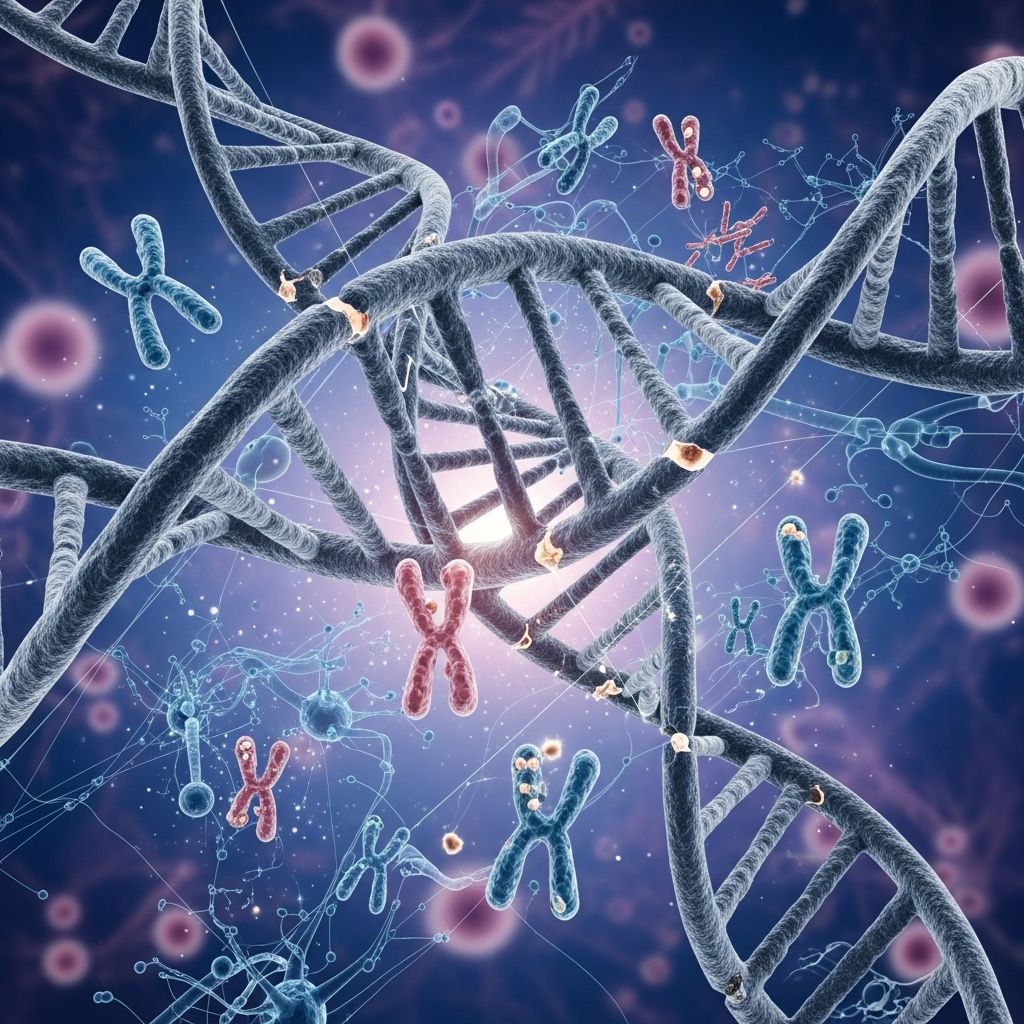
Aneuploidy is a genetic disorder characterized by an abnormal number of chromosomes in a person’s cells. Typically, humans have 23 pairs of chromosomes, totaling 46 chromosomes. When aneuploidy occurs, the total number of chromosomes does not equal 46. This chromosomal imbalance can result in either an extra chromosome copy (trisomy), bringing the total to 47 chromosomes, or a missing chromosome copy (monosomy), reducing the total to 45 chromosomes.
The presence of abnormal chromosome numbers can significantly affect the outcome of a pregnancy. Chromosomal abnormalities represent one of the most common causes of pregnancy loss, affecting nearly half of all pregnancies that end in first trimester miscarriage. While most aneuploidies are lethal to fetal development, some conditions allow babies to be born with the disorder, though they typically face birth defects, developmental delays, and intellectual disabilities.
How Aneuploidy Develops
Aneuploidy occurs due to a genetic error that most commonly happens during the creation of egg and sperm cells. Understanding the mechanism behind aneuploidy requires knowledge of how cells divide and replicate. During normal cell division, known as meiosis, a single cell containing 46 chromosomes divides twice to create two specialized cells called gametes, each containing 23 chromosomes.
The process works similarly to copying and pasting data on a computer. During cell division, DNA distributes evenly throughout new cells when chromosome pairs in the old cell separate from each other and then copy themselves. This process occurs continuously throughout our lives as old cells are replaced by new ones, and it’s especially critical during the formation of reproductive cells.
Sometimes, however, chromosomes are not divided equally during meiosis. When pairs of chromosomes fail to separate properly during cell division, the resulting gamete may receive an extra copy of a chromosome or lack a chromosome entirely. When this abnormal egg or sperm cell combines with a normal gamete during fertilization, the resulting embryo will have an incorrect chromosome count, leading to aneuploidy in all subsequent cells.
Types of Aneuploidy
There are two primary categories of aneuploidy based on whether there is an excess or deficiency of chromosomal material:
Trisomy (Extra Chromosome)
Trisomy occurs when a person has three copies of a particular chromosome instead of the normal two. This results in a total of 47 chromosomes instead of the typical 46. The most common forms of trisomy include:
- Down syndrome (Trisomy 21): The presence of an extra copy of chromosome 21, the most commonly occurring trisomy in live births
- Edwards syndrome (Trisomy 18): An extra copy of chromosome 18, typically resulting in severe birth defects and developmental problems
- Patau syndrome (Trisomy 13): An extra copy of chromosome 13, causing multiple congenital abnormalities
Monosomy (Missing Chromosome)
Monosomy occurs when a person has only one copy of a particular chromosome instead of the normal two, resulting in 45 total chromosomes. The most notable example is:
- Turner syndrome (Monosomy X): The complete or partial absence of one X chromosome, occurring exclusively in females
Aneuploidy vs. Polyploidy
While both aneuploidy and polyploidy represent chromosomal abnormalities, they differ significantly in nature. Aneuploidy involves an extra or missing individual chromosome, or in rare cases, a couple extra or missing chromosomes. Polyploidy, by contrast, describes a condition where a person has inherited extra complete sets of 23 chromosomes from a parent. For example, triploidy occurs when an individual inherits 46 chromosomes from one parent and 23 from the other, resulting in 69 total chromosomes.
Related Stories



Causes and Risk Factors
Aneuploidy is primarily caused by errors in meiosis, the specialized cell division process that creates egg and sperm cells. The fundamental cause is the failure of chromosome pairs to separate properly during this division process. Several factors can influence the likelihood of aneuploidy occurring:
- Maternal age: Advanced maternal age significantly increases the risk of chromosomal abnormalities, particularly Down syndrome
- Genetic predisposition: Family history of chromosomal abnormalities may increase risk
- Environmental factors: Certain exposures during pregnancy may contribute to chromosomal errors
- Parental chromosome structure: Parents with balanced chromosome rearrangements may have increased risk of aneuploid offspring
Effects on Pregnancy and Fetal Development
The presence of chromosomal abnormalities profoundly impacts pregnancy outcomes. Changes in the number of chromosomes inherited from biological parents most often result in pregnancy loss, with aneuploidy being responsible for approximately 50% of first trimester miscarriages. When an aneuploid fetus continues to develop and reaches live birth, significant health challenges typically emerge.
Babies born with aneuploidy conditions are much more likely to have birth defects and face developmental delays and intellectual disabilities. The specific outcomes depend on which chromosome is affected and whether there is an extra or missing copy. Most aneuploidies are fatal to fetal development or cause birth defects including intellectual disability and multiple medical problems requiring individualized treatment plans.
Clinical Presentation and Diagnosis
Children born with aneuploidy often present with multiple clinical features depending on the specific condition. Common manifestations include congenital heart defects, facial abnormalities, growth restriction, and developmental delay. The diagnosis of aneuploidy can be made through various screening and diagnostic methods:
- First trimester screening: Combines maternal serum markers and fetal nuchal translucency measurements, performed as early as 11 weeks of gestation
- Quad screen: Measures four maternal serum markers in the second trimester
- Non-invasive prenatal testing (NIPT): Analyzes fetal DNA fragments in maternal blood
- Chorionic villus sampling (CVS): Diagnostic test performed in the first trimester
- Amniocentesis: Diagnostic test performed in the second trimester
- Karyotyping: Confirms chromosomal abnormalities through direct visualization of chromosomes
Management and Long-Term Outcomes
Currently, there is no cure for aneuploidy. Management focuses on symptom management, supportive care, and addressing individual health needs. Children diagnosed with aneuploidy face potential developmental delays throughout their lifetime, including short stature, congenital defects, and intellectual disabilities.
Regular wellness checkups with healthcare providers are essential to monitor for and address any complications that may arise from the aneuploidy diagnosis. Individualized treatment plans must be developed based on the specific chromosomal abnormality and the child’s unique medical needs. Multidisciplinary care involving pediatricians, genetic counselors, developmental specialists, and other healthcare professionals ensures comprehensive management.
Pregnancy Loss and Subsequent Pregnancies
For women who experience a miscarriage due to aneuploidy, it is important to understand that the loss was typically not preventable and does not necessarily predict future pregnancy outcomes. Many women who experience a miscarriage have subsequent normal pregnancies and births. Physical and emotional healing is essential following pregnancy loss, and genetic counseling may help assess recurrence risks and discuss prenatal screening options for future pregnancies.
Prenatal Screening and Patient Decision-Making
The approach to aneuploidy screening has evolved significantly in recent years. Formerly, aneuploidy screens were offered predominantly to patients of advanced maternal age, defined as women aged 35 years or older at the time of delivery. This recommendation reflected an appreciation that while the risk of fetal aneuploidy increases with maternal age, all women are potentially at risk for carrying a fetus with chromosomal abnormalities.
First trimester aneuploidy screening represents a newer approach combining risk calculation based on measurements of maternal serum markers and fetal nuchal translucency. This screening method provides similar fetal genetic risk information regarding Down syndrome compared to second trimester screening but can be performed as early as 11 weeks of gestation, providing patients with a wider range of options during prenatal care. The modified recommendations place greater emphasis on patients’ personal preferences about pregnancy, disability, parenthood, and abortion decisions.
Frequently Asked Questions
Q: What is the difference between aneuploidy and normal genetic variation?
A: Normal genetic variation refers to differences in individual DNA sequences or genes that exist within the typical range of human diversity. Aneuploidy, by contrast, involves abnormal numbers of entire chromosomes, which is a more severe chromosomal abnormality affecting many genes simultaneously.
Q: Can aneuploidy be prevented?
A: Aneuploidy cannot be prevented, as it results from random errors during cell division. However, prenatal screening can identify pregnancies at risk, and preimplantation genetic testing (PGT) during IVF can select embryos without chromosomal abnormalities.
Q: What should I do if I’m diagnosed with a pregnancy carrying aneuploidy?
A: If you receive an aneuploidy diagnosis, it is crucial to consult with a genetic counselor and maternal-fetal medicine specialist who can provide detailed information about the specific condition, discuss available options, and support your decision-making process.
Q: Is aneuploidy hereditary?
A: Most aneuploidy cases result from random errors during meiosis and are not hereditary. However, some parents with balanced chromosomal rearrangements have an increased risk of having children with aneuploidy.
Q: What screening tests are available for aneuploidy?
A: Available screening tests include first trimester screening (nuchal translucency and serum markers), the quad screen, non-invasive prenatal testing (NIPT), and diagnostic tests such as amniocentesis and chorionic villus sampling.
Q: How accurate are prenatal screening tests for aneuploidy?
A: First trimester screening has a detection rate of approximately 85-90% for Down syndrome. NIPT is more accurate, with detection rates exceeding 99% for trisomy 21. Diagnostic tests like amniocentesis and CVS provide definitive diagnoses with near 100% accuracy.
References
- Shifting decision making for aneuploidy screening to the first trimester — Nature Genetics in Medicine. 2011. https://www.nature.com/articles/gim9201173
- Aneuploidy: Genetic Disorder Causes & Types — Cleveland Clinic. 2024. https://my.clevelandclinic.org/health/diseases/24060-aneuploidy
- Decision-making for prenatal genetic screening: how will pregnant women and healthcare providers use expanded cell-free DNA screening information? — PubMed Central, National Institutes of Health. 2021. https://pmc.ncbi.nlm.nih.gov/articles/PMC8642756/
- Meeting patients’ education and decision-making needs for first trimester aneuploidy screening — Prenatal Diagnosis, Wiley Online Library. 2012. https://obgyn.onlinelibrary.wiley.com/doi/abs/10.1002/pd.2867
- Going Beyond Looks: The Road to Single Embryo Transfers in IVF — Cleveland Clinic. 2024. https://consultqd.clevelandclinic.org/going-beyond-looks-the-road-to-single-embryo-transfers-in-ivf
Similar Articles








Read full bio of medha deb