Aneurysm: Causes, Symptoms, Diagnosis and Treatment
Complete guide to understanding aneurysms: causes, symptoms, diagnosis, and treatment options.
What is an Aneurysm?
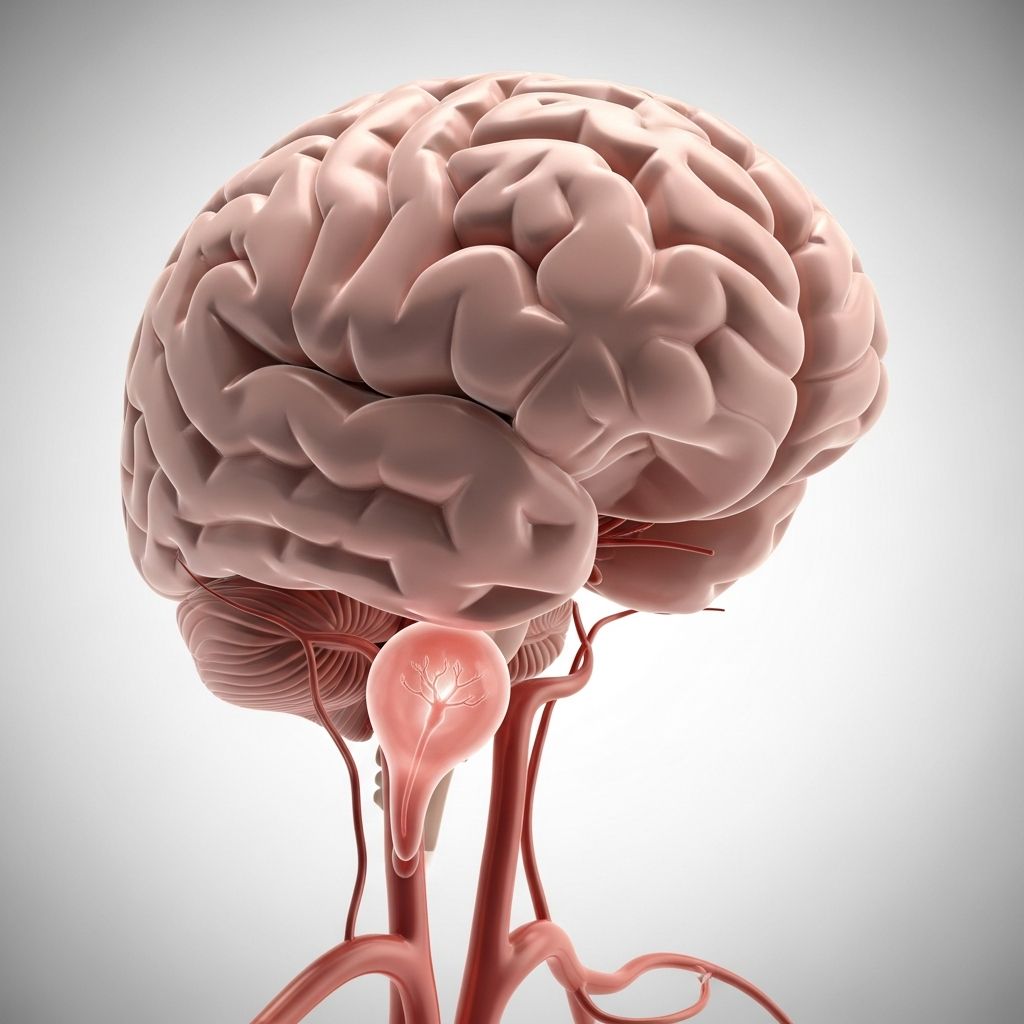
An aneurysm is a weakened area in the wall of an artery that causes the blood vessel to bulge or balloon outward. This abnormal widening occurs when the arterial wall becomes damaged or weak, creating a pocket that fills with blood. While many aneurysms remain small and cause no problems throughout a person’s lifetime, others can grow larger and potentially rupture, leading to serious internal bleeding and life-threatening complications.
Aneurysms can develop in various locations throughout the body, including the brain, aorta (the body’s main artery), neck, intestines, kidneys, spleen, and leg vessels. The significance of an aneurysm depends largely on its location, size, and growth rate. Some aneurysms are present from birth due to congenital arterial defects, while others develop gradually over time due to various risk factors and underlying conditions.
Types of Aneurysms
Aneurysms are classified based on their location and shape. Understanding the different types helps medical professionals determine appropriate treatment strategies and monitor progression:
- Cerebral Aneurysm (Berry Aneurysm): Occurs in the brain’s blood vessels, typically in the Circle of Willis where major arteries branch. These represent some of the most dangerous aneurysms due to the critical functions controlled by the brain.
- Abdominal Aortic Aneurysm (AAA): Affects the abdominal section of the aorta. This is one of the most serious types of aneurysm and represents a major cause of cardiovascular mortality.
- Thoracic Aortic Aneurysm: Develops in the chest portion of the aorta. These can affect nearby structures and potentially cause serious complications if left untreated.
- Carotid Artery Aneurysm: Located in the neck’s carotid artery, which supplies blood to the brain. Rupture of this aneurysm can lead to severe brain hemorrhage.
- Femoral Artery Aneurysm: Affects the femoral artery in the upper leg, one of the body’s largest arteries.
- Fusiform Aneurysm: Causes bulging on all sides of the artery, creating a more uniform expansion.
- Mycotic Aneurysm: Results from infection that weakens the arterial wall, allowing an aneurysm to form.
Causes and Risk Factors
The exact cause of aneurysms often remains unclear, but medical research has identified several factors that contribute to their development. Understanding these causes and risk factors is essential for prevention and early detection.
Primary Contributing Factors
- High Blood Pressure (Hypertension): Chronic elevated blood pressure places constant stress on arterial walls, gradually weakening them and making aneurysm formation more likely.
- Atherosclerosis: Buildup of fatty deposits (plaque) in arteries damages the vessel wall and reduces its elasticity, creating weak areas prone to aneurysm formation.
- Family History: Genetic predisposition plays a significant role. Individuals with family members who have experienced aneurysms face increased risk.
- Smoking: Tobacco use damages blood vessel walls and increases the risk of aneurysm development and rupture.
- Aortic Injuries: Traumatic injuries to the aorta can lead to weakening of the vessel wall and subsequent aneurysm formation.
- Arterial Damage: Damaged or diseased arterial tissue naturally becomes more susceptible to aneurysm development.
- Increased Blood Pressure from Stress: Chronic stress and its physiological effects on blood pressure can contribute to arterial wall weakening.
Congenital Conditions
Some aneurysms result from inherited conditions affecting connective tissue or blood vessel structure. These include Marfan syndrome, Ehlers-Danlos syndrome, and polycystic kidney disease. Additionally, congenital conditions such as coarctation of the aorta (narrowing of the aorta) and brain arteriovenous malformations increase aneurysm risk.
Symptoms and Signs
Many people with aneurysms experience no symptoms whatsoever, and the condition may be discovered incidentally during imaging tests performed for other reasons. However, depending on the aneurysm’s size, location, and whether it has ruptured, various symptoms may develop.
Unruptured Aneurysm Symptoms
Larger unruptured aneurysms may press on surrounding tissues and nerves, producing localized symptoms:
Related Stories



- Pain above and behind one eye (for brain aneurysms)
- Dilated pupil
- Vision changes or double vision
- Numbness on one side of the face
- Difficulty swallowing
- Hoarseness or voice changes
- Pulsating mass or swelling in the abdomen or neck
- Unexplained pain in the abdomen, back, or chest
- Seizures
General Aneurysm Symptoms
Even before rupture, some aneurysms may cause gradual symptoms related to their presence or the underlying conditions causing them:
- Fever
- Weakness and fatigue
- Unexplained weight loss
- Confusion or difficulty concentrating
- Memory problems
- Dizziness and balance problems
Ruptured Aneurysm Symptoms (Medical Emergency)
When an aneurysm ruptures, it constitutes a medical emergency requiring immediate hospitalization and intervention. Symptoms develop suddenly and dramatically:
- Sudden, Severe Headache: Often described as the worst headache of one’s life, a hallmark symptom of ruptured brain aneurysm.
- Sudden Severe Pain: Intense, sudden pain in the abdomen, back, or chest depending on location.
- Loss of Consciousness: May occur immediately or shortly after rupture.
- Nausea and Vomiting: Commonly accompanying other acute symptoms.
- Stiff Neck: Particularly with brain aneurysm rupture due to blood irritating the meninges.
- Blurred or Double Vision: Vision disturbances from increased intracranial pressure or blood irritation.
- Sensitivity to Light (Photophobia): Common with subarachnoid hemorrhage.
- Seizures: May occur following brain aneurysm rupture.
- Rapid Heartbeat and Low Blood Pressure: Signs of shock from internal bleeding.
- Lightheadedness and Dizziness: Resulting from blood loss and circulatory changes.
- Weakness or Numbness: Particularly on one side of the body.
- Difficulty Speaking or Confusion: Neurological effects of intracranial bleeding.
- Clammy Skin: Indicating systemic shock response.
Diagnosis
Aneurysms are often discovered accidentally during imaging studies performed for other medical reasons. However, when symptoms suggest possible aneurysm or when risk factors warrant screening, several diagnostic methods can be employed.
Imaging Techniques
Computed Tomography (CT) Scan: The most commonly used initial imaging for suspected brain aneurysm, particularly in emergency settings. CT angiography combines CT imaging with contrast dye injection to clearly visualize blood vessels and detect aneurysms.
Magnetic Resonance Imaging (MRI): Provides detailed images of brain structures and blood vessels without radiation. MRI angiography (MRA) is particularly useful for detecting and monitoring aneurysms.
Cerebral Angiography: Involves injecting contrast dye into arteries while taking X-ray images. This gold standard test provides the most detailed visualization of blood vessels and aneurysms, though it is more invasive than other methods.
Ultrasound: Often used for initial screening of abdominal aortic aneurysms due to its non-invasive nature and accessibility.
Additional Diagnostic Tests
Lumbar Puncture (Spinal Tap): May be performed if subarachnoid hemorrhage is suspected but not visible on CT imaging. The presence of blood in cerebrospinal fluid confirms diagnosis.
Blood Tests: While not diagnostic for aneurysm itself, blood tests may reveal elevated white blood cells or other abnormalities associated with infection (in mycotic aneurysms) or inflammation.
Treatment Options
Treatment decisions for aneurysms depend on multiple factors including size, location, growth rate, patient age, overall health, and whether the aneurysm has ruptured. Not all aneurysms require intervention.
Watchful Waiting (Observation)
Many small, unruptured aneurysms pose minimal risk and may be managed with regular monitoring rather than immediate intervention. Regular imaging studies track whether the aneurysm grows over time. Patients must maintain strict blood pressure control, avoid smoking, and manage other risk factors. This approach is often recommended for small aneurysms (<5mm) discovered incidentally in patients without significant risk factors.
Surgical Intervention
Surgical Clipping: A traditional approach involving craniotomy (opening of the skull) to access the aneurysm. A surgical clip is placed across the aneurysm neck to prevent blood flow into the aneurysm sac. This provides immediate and permanent treatment but carries risks associated with major brain surgery.
Endovascular Coiling: A less invasive catheter-based procedure where a catheter is threaded through blood vessels to the aneurysm site. Soft platinum coils are deployed into the aneurysm to promote clotting and prevent rupture. This technique has become increasingly popular due to reduced invasiveness compared to surgery.
Flow Diversion: Involves placing a special stent-like device across the aneurysm to redirect blood flow away from the aneurysm sac, promoting clot formation within it.
Medical Management
For ruptured aneurysms, aggressive medical management is essential alongside surgical or endovascular treatment. Blood pressure management, pain control, seizure prevention, and management of vasospasm (narrowing of blood vessels) are critical components of care. Medications may include antihypertensives, anticonvulsants, calcium channel blockers, and antiplatelet agents.
Complications of Ruptured Aneurysm
When an aneurysm ruptures, serious and potentially fatal complications can develop. These complications underscore the importance of prompt medical intervention:
- Hemorrhagic Stroke: Brain bleeding from ruptured aneurysm causes stroke with permanent neurological damage.
- Rebleeding: Without treatment, a ruptured aneurysm may bleed again, often with catastrophic consequences.
- Vasospasm: Blood vessel constriction following subarachnoid hemorrhage reduces blood flow to the brain.
- Hydrocephalus: Blood blocks movement of cerebrospinal fluid, causing dangerous pressure buildup.
- Hyponatremia: Low sodium levels from brain hemorrhage cause brain cell swelling and damage.
- Brain Herniation: Increased intracranial pressure forces brain tissue into abnormal positions, causing death.
- Coma and Permanent Brain Damage: Severe hemorrhage can result in prolonged unconsciousness and lasting neurological deficits.
- Blood Clots: Aneurysms can promote thrombosis, with clots traveling to the brain and causing stroke.
Prevention and Risk Reduction
While not all aneurysms can be prevented, several lifestyle modifications and medical interventions can reduce risk:
- Blood Pressure Control: Maintain healthy blood pressure through medication, diet, and exercise.
- Smoking Cessation: Quit smoking or never start, as smoking significantly increases aneurysm risk and rupture likelihood.
- Healthy Diet: Eat a heart-healthy diet low in saturated fat and sodium to prevent atherosclerosis.
- Regular Exercise: Engage in moderate physical activity to maintain cardiovascular health.
- Stress Management: Practice relaxation techniques to reduce stress-related blood pressure elevation.
- Limit Alcohol: Excessive alcohol consumption can increase blood pressure and aneurysm risk.
- Genetic Screening: Individuals with family history of aneurysm may benefit from screening and preventive measures.
Prognosis and Recovery
The outlook for aneurysm patients varies considerably based on whether the aneurysm has ruptured. Unruptured aneurysms discovered incidentally have excellent prognosis with appropriate monitoring and management. Many people live their entire lives with unruptured aneurysms that never cause problems.
Ruptured aneurysms carry significant morbidity and mortality. Approximately 50% of patients with subarachnoid hemorrhage from ruptured brain aneurysm die within the first month, and survivors often experience permanent neurological disability. However, modern neurosurgical and endovascular techniques have improved outcomes substantially. Recovery depends on hemorrhage severity, patient age, overall health status, and time to treatment initiation.
Frequently Asked Questions
Q: Can I live a normal life with an unruptured aneurysm?
A: Yes, many people live normal lives with unruptured aneurysms. Regular monitoring and blood pressure management are typically recommended, but daily activities need not be restricted unless your doctor advises otherwise.
Q: What are warning signs that an aneurysm might rupture?
A: While rupture often occurs without warning, sudden changes in symptoms, new headaches, or worsening of existing symptoms warrant immediate medical evaluation. Some studies suggest aneurysms may become slightly larger before rupturing.
Q: Is screening recommended for everyone?
A: Routine screening is not recommended for the general population. However, screening may be appropriate for individuals with strong family history of aneurysm, certain genetic conditions, or specific risk factors. Discuss with your physician whether screening is appropriate for you.
Q: Can lifestyle changes prevent aneurysm formation?
A: While lifestyle changes cannot eliminate aneurysm risk entirely, controlling blood pressure, avoiding smoking, maintaining healthy weight, and managing stress can significantly reduce risk of aneurysm development and rupture.
Q: What is the difference between endovascular coiling and surgical clipping?
A: Both techniques aim to prevent rupture or rebleeding. Surgical clipping involves open brain surgery and direct clipping of the aneurysm neck. Endovascular coiling uses catheter-based techniques to fill the aneurysm with coils. Both have advantages and disadvantages; your physician will recommend the most appropriate option based on your specific aneurysm characteristics.
Q: How often should I have imaging if I have an unruptured aneurysm?
A: Monitoring intervals depend on aneurysm size, location, and other factors. Small stable aneurysms may require imaging every few years, while larger or growing aneurysms warrant more frequent monitoring. Your neurovascular specialist will establish an appropriate monitoring schedule.
References
- Aneurysm – Symptoms and Causes — Penn Medicine. 2025. https://www.pennmedicine.org/conditions/aneurysm
- Aneurysm: Causes, symptoms, and treatments — Medical News Today. 2025. https://www.medicalnewstoday.com/articles/156993
- Brain aneurysm – Symptoms and causes — Mayo Clinic. 2025. https://www.mayoclinic.org/diseases-conditions/brain-aneurysm/symptoms-causes/syc-20361483
- Aneurysm Causes, Symptoms, and Treatments — UPMC. 2025. https://www.upmc.com/services/heart-vascular/conditions/aneurysms
- Brain aneurysm — NHS. 2025. https://www.nhs.uk/conditions/brain-aneurysm/
- Aneurysm: What It Is, Types, Symptoms, Diagnosis & Treatment — Cleveland Clinic. 2025. https://my.clevelandclinic.org/health/diseases/22769-aneurysm
Similar Articles








Read full bio of medha deb