Aneurysm Symptoms: Key Warning Signs You Can’t Ignore
Recognizing the warning signs of aneurysms, from silent bulges to life-threatening ruptures, and when to seek emergency care.
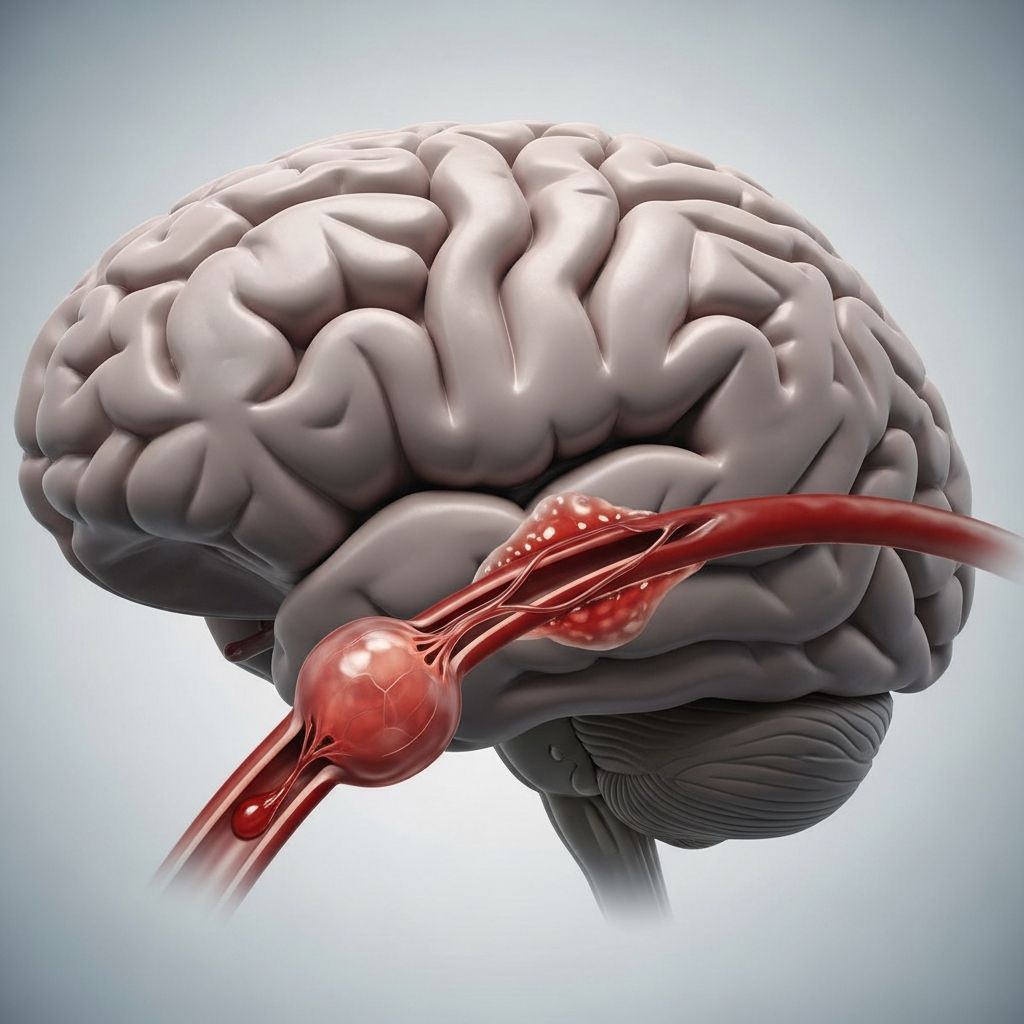
An aneurysm is a bulge or ballooning in a blood vessel wall caused by weakness, which can occur in the brain, aorta, or other arteries. Most aneurysms are asymptomatic until they grow large, leak, or rupture, potentially leading to life-threatening internal bleeding or stroke. Early detection through imaging often reveals them incidentally during tests for other conditions.
What Is an Aneurysm?
An
aneurysm
forms when high blood pressure or other factors weaken an artery wall, causing it to bulge like a balloon. These bulges are common but usually harmless if small and unruptured. However, rupture risks severe complications, including death. Aneurysms can develop silently for years, affecting anyone but more common in adults over 40.Key characteristics include:
- Weakened artery wall from high pressure, infection, or trauma.
- Slow growth over time, often undetected.
- Potential for clots or blockages even without rupture.
Types of Aneurysms
Aneurysms vary by location and shape, influencing symptoms and risks. Common types include brain (cerebral), aortic, and peripheral aneurysms.
| Type | Location | Description | Common Symptoms |
|---|---|---|---|
| Saccular (Berry) | Brain arteries | Sac-like bulge on one side, resembling a berry | Often none; rupture causes severe headache |
| Fusiform | Brain or aorta | Spindle-shaped bulging on all sides | Pressing symptoms if large |
| Mycotic | Brain arteries | Infection-weakened wall | Fever, infection signs plus aneurysm effects |
| Abdominal Aortic | Aorta in abdomen | Common in older adults with hypertension | Abdominal/back pain, pulsing sensation |
| Cerebral | Brain | Berry-like in cerebral vessels | Vision changes, facial numbness |
| Popliteal | Behind knee | In leg artery | Swelling, pain if near nerves/veins |
| Ventricular | Heart wall | Post-heart attack bulge | Shortness of breath, chest pain |
Aneurysm Symptoms
Symptoms depend on size, location, and whether the aneurysm has ruptured, leaked, or is pressing on nearby tissues. Many remain silent.
Ruptured Aneurysm Symptoms
A rupture is a medical emergency, often causing subarachnoid hemorrhage (brain bleed). Call 911 immediately for:
- Sudden, severe headache—described as the “worst ever”.
- Nausea and vomiting.
- Stiff neck.
- Blurred or double vision.
- Sensitivity to light.
- Seizures.
- Loss of consciousness or confusion.
- Signs of shock: low blood pressure, clammy skin, rapid heart rate.
Rupture mortality is high—up to 40% for cerebral cases—with risks of re-bleeding or stroke.
Leaking Aneurysm Symptoms (Sentinel Bleed)
A small leak may precede full rupture by days or weeks, serving as a warning:
- Sudden severe headache lasting days to two weeks.
- Milder versions of rupture symptoms.
Seek evaluation promptly, as full rupture often follows.
Unruptured Aneurysm Symptoms
Small ones cause no issues, but larger ones pressing tissues/nerves may trigger:
- Pain above/behind one eye.
- Dilated pupil.
- Vision changes or double vision.
- Numbness or weakness on one face side.
- Seizures.
- Difficulty speaking or drooping eyelid.
These are found incidentally in 3-5% of imaging for other issues like TIAs.
Symptoms by Aneurysm Location
| Location | Key Symptoms |
|---|---|
| Brain (Cerebral) | Headache, vision issues, facial numbness, rupture: thunderclap headache |
| Aorta (Abdominal) | Deep abdominal/back pain, pulsing near navel |
| Heart (Ventricular) | Fatigue, shortness of breath, arrhythmia |
| Leg (Popliteal) | Swelling, leg pain |
Related Stories



Causes and Risk Factors
Aneurysms result from artery wall weakening. Primary causes:
- High blood pressure (hypertension)—strains walls.
- Atherosclerosis (plaque buildup).
- Infections (mycotic aneurysms).
- Trauma or injury.
- Connective tissue disorders (e.g., Ehlers-Danlos).
Risk factors include:
- Age over 40.
- Smoking.
- Family history.
- High blood pressure.
- Polycystic kidney disease.
- Brain AVMs or aortic coarctation.
Complications
Beyond rupture, risks include:
- Re-bleeding: Higher damage risk post-initial bleed.
- Vasospasm: Narrowed brain vessels causing ischemic stroke.
- Hydrocephalus: Fluid buildup pressuring brain.
- Hyponatremia: Sodium imbalance swelling brain cells.
- Blood clots blocking flow.
When to See a Doctor
Emergency for sudden severe headache or rupture signs—call 911. For unruptured suspicions (persistent localized pain, vision changes), consult promptly. Routine screenings recommended for high-risk individuals.
Frequently Asked Questions (FAQs)
What does aneurysm pain feel like?
Sudden, excruciating “thunderclap” headache for ruptures; localized eye pain or numbness for unruptured.
Can aneurysms be asymptomatic?
Yes, most small ones cause no symptoms, discovered incidentally.
How common are brain aneurysms?
Found in many during unrelated imaging; 3-5% of strokes from ruptures.
Can lifestyle prevent aneurysms?
Control blood pressure, quit smoking, manage cholesterol to reduce risk.
What happens if an aneurysm ruptures?
Internal bleeding, potential stroke or death; immediate treatment critical.
References
- Brain aneurysm – Symptoms and causes — Mayo Clinic. 2023-10-05. https://www.mayoclinic.org/diseases-conditions/brain-aneurysm/symptoms-causes/syc-20361483
- Aneurysm: What It Is, Types, Symptoms, Diagnosis & Treatment — Cleveland Clinic. 2023-12-12. https://my.clevelandclinic.org/health/diseases/22769-aneurysm
- What Are The Effects of Having an Aneurysm? — One Community Health. 2024-01-15. https://onecommunityhealth.com/what-are-the-effects-of-having-an-aneurysm/
- The Medical Minute: The dangers of cerebral aneurysms — Penn State Health News. 2024-05-20. https://pennstatehealthnews.org/2024/05/the-medical-minute-the-dangers-of-cerebral-aneurysms/
Similar Articles








Read full bio of Sneha Tete