Angina Pectoris: Understanding Chest Pain and Heart Health
Learn about angina pectoris: causes, symptoms, diagnosis, and effective treatment options for managing chest pain.
What is Angina Pectoris?
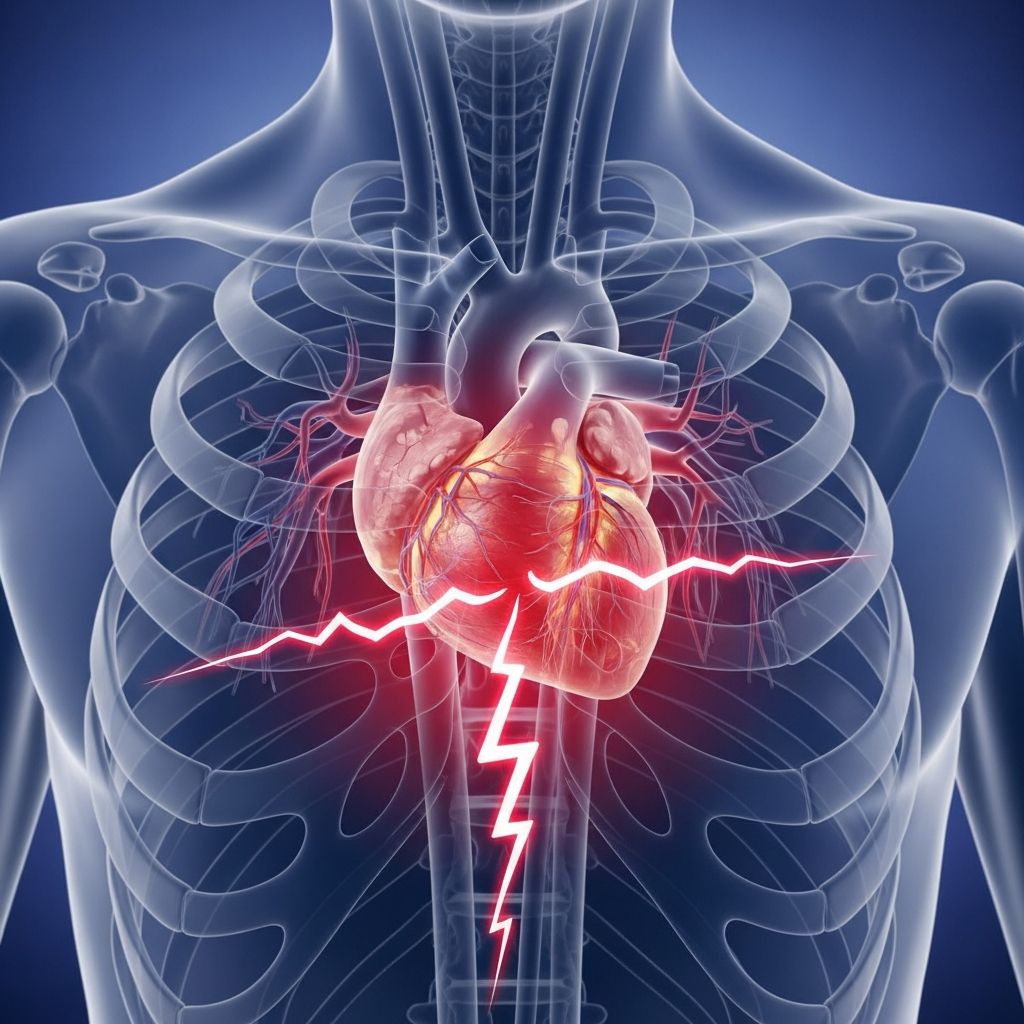
Angina pectoris, commonly referred to as angina, is chest pain or discomfort that occurs when the heart muscle does not receive enough oxygen-rich blood. This condition is not a disease in itself, but rather a symptom of an underlying heart condition, most often coronary artery disease (CAD). When the heart muscle is deprived of adequate oxygen, a condition called ischemia develops, which manifests as chest pain or pressure. Understanding angina pectoris is crucial for recognizing warning signs and seeking appropriate medical care to prevent serious complications such as heart attacks.
Understanding the Causes of Angina Pectoris
The primary cause of angina pectoris is reduced blood flow to the heart muscle. Blood carries essential oxygen that the heart requires to function properly. When blood flow becomes insufficient, the heart cannot meet its oxygen demands, resulting in angina symptoms.
Coronary Artery Disease and Atherosclerosis
The most common cause of reduced blood flow is coronary artery disease, where the heart’s coronary arteries become narrowed by fatty deposits called plaques through a process known as atherosclerosis. This narrowing restricts the amount of oxygen-rich blood reaching the heart muscle. When the heart’s oxygen demand increases—such as during physical activity or emotional stress—the narrowed arteries cannot deliver sufficient blood, triggering angina symptoms.
Triggering Factors for Angina Episodes
Various situations can precipitate angina attacks, particularly in individuals with existing blockages or narrowing:
– Physical exertion and exercise- Emotional stress and anxiety- Extreme temperatures, both cold and heat- Unhealthy dietary choices- Excessive alcohol consumption- Smoking or exposure to secondhand smoke
Additionally, certain medications that tighten blood vessels, such as specific migraine medications, can trigger a special form of angina called Prinzmetal angina. Drug misuse involving stimulants like cocaine can also cause blood vessel spasms and precipitate angina episodes.
Recognizing Symptoms of Angina Pectoris
Angina presents with characteristic symptoms that individuals should recognize and report to their healthcare providers. The condition typically manifests as chest discomfort described in various ways:
– Squeezing sensation in the chest- Pressure or heaviness- Tightness across the chest- Pain radiating to the arms, shoulders, neck, or jaw- Shortness of breath- Fatigue and weakness- Nausea or dizziness
The severity, duration, and pattern of symptoms can vary significantly among individuals. Some people experience brief episodes lasting only minutes, while others may have more prolonged discomfort. It is essential to seek immediate medical attention if you experience chest pain that differs from your usual angina pattern, as this could indicate unstable angina or a heart attack.
Types of Angina
Medical professionals categorize angina into different types based on frequency, severity, and triggering factors:
Stable Angina
Stable angina typically occurs during physical exertion or emotional stress and follows a predictable pattern. Episodes are usually brief and can be relieved by rest or medication.
Related Stories



Unstable Angina
Unstable angina is more concerning and may occur unexpectedly, even at rest. Episodes may be more severe and longer-lasting, requiring immediate medical evaluation and treatment.
Vasospastic Angina (Prinzmetal Angina)
This type is typically caused by coronary microvascular disease and often flares up as a result of stress or daily activities. Episodes usually last longer, from 10 to 30 minutes, and the pain is often more severe. Fatigue, lack of energy, and shortness of breath frequently accompany this type of angina.
Risk Factors for Developing Angina Pectoris
Certain individuals face increased risk of developing angina pectoris. Understanding these risk factors enables better prevention strategies:
– Age and gender (risk increases with age, higher in men)- Family history of heart disease- High blood pressure- High cholesterol levels- Smoking- Diabetes- Obesity and overweight conditions- Sedentary lifestyle- Excessive stress- Poor diet quality
Anything that causes the heart muscle to require more blood or oxygen can result in angina, especially if you already have a blockage or narrowing in your coronary arteries.
Diagnosis of Angina Pectoris
Proper diagnosis of angina pectoris involves a comprehensive evaluation by healthcare professionals. Your doctor will conduct a detailed history and physical examination, asking specific questions about your symptoms, when they occur, and what triggers them. Several diagnostic tests may be performed to confirm the diagnosis and assess the severity of the condition:
Diagnostic Testing Methods
– Electrocardiogram (EKG/ECG) to measure heart’s electrical activity- Stress testing to observe heart function during exertion- Coronary angiography to visualize blood flow in coronary arteries- CT or MRI imaging for detailed heart and vessel visualization- Blood tests to check cholesterol and cardiac markers- Echocardiogram to assess heart structure and function
These tests help healthcare providers determine the underlying cause of your angina and develop an appropriate treatment plan tailored to your specific condition.
Treatment Options for Angina Pectoris
Treatment for angina focuses on reducing the number and severity of episodes while lowering the risk of heart attack and death. A comprehensive approach typically involves medications, lifestyle modifications, and in some cases, medical procedures.
Medications for Angina Management
Nitrates: Nitrates are often the first-line treatment for angina. These medicines relax and widen blood vessels, allowing more blood to flow to the heart. The most common form is nitroglycerin, typically taken as a pill placed under the tongue. Patients may take nitroglycerin before activities that trigger angina or on a long-term, preventive basis.
Beta-Blockers: Beta blockers slow the heartbeat, reducing the force with which the heart contracts and lowering blood pressure. They also relax blood vessels, improving blood flow to the heart muscle.
Calcium Channel Blockers: Also called calcium antagonists, these medications relax and widen blood vessels to improve coronary blood flow. They can also relax the muscles of your heart and help open the coronary arteries.
Statins: Statins are drugs that lower blood cholesterol, a significant risk factor for heart disease. They block a substance the body needs to make cholesterol and help prevent blockages in blood vessels.
Aspirin: Low-dose aspirin reduces blood clotting, making it easier for blood to flow through narrowed heart arteries and reducing heart attack risk. However, do not start taking aspirin without consulting your healthcare team first.
Antiplatelet Drugs: Certain medicines such as clopidogrel (Plavix), prasugrel (Effient), and ticagrelor (Brilinta) make blood platelets less likely to stick together, preventing blood clots. One of these may be recommended if you cannot take aspirin.
ACE Inhibitors and ARBs: Other blood pressure medicines including angiotensin-converting enzyme (ACE) inhibitors and angiotensin 2 receptor blockers (ARBs) may be prescribed if you have high blood pressure, diabetes, heart failure symptoms, or chronic kidney disease.
Ranolazine: This treatment may be prescribed for chronic stable angina that does not improve with other medicines and can be used alone or with other angina medications.
Non-Drug Therapies
Enhanced external counterpulsation (EECP) is a nondrug treatment option that may increase blood flow to the heart. With EECP, blood pressure-type cuffs are placed around the calves, thighs, and pelvis, requiring multiple treatment sessions. This therapy may help reduce symptoms in people with frequent, uncontrolled angina, also known as refractory angina.
Medical Procedures
Angioplasty with Stenting: Also called percutaneous coronary intervention, this procedure involves inserting a tiny balloon into the narrowed artery, inflating it to widen the artery, and then inserting a small wire mesh coil called a stent to keep the artery open. This treatment improves blood flow, reducing or eliminating angina symptoms and may be recommended for unstable angina or when lifestyle changes and medicines are ineffective.
Coronary Artery Bypass Grafting (CABG): Open-heart surgery may be recommended to improve blood flow by creating alternative pathways around blocked arteries. This procedure is often considered when other treatments have been unsuccessful or when multiple arteries are severely blocked.
Lifestyle Modifications and Prevention
Managing angina effectively requires comprehensive lifestyle changes that support heart health and reduce the frequency and severity of symptoms:
Dietary Recommendations
Maintain a heart-healthy diet low in saturated fats, trans fats, and sodium. Focus on consuming fresh fruits, vegetables, whole grains, lean proteins, and healthy fats from sources like olive oil and fish. Avoid unhealthy dietary choices that can worsen heart condition.
Physical Activity
Safely increase your level of physical activity under medical supervision. Regular exercise strengthens the heart muscle and improves cardiovascular function. Your doctor can recommend appropriate exercise levels based on your condition.
Weight Management
Maintain a healthy body weight through balanced diet and regular physical activity. Excess weight increases stress on the heart and worsens angina symptoms.
Smoking Cessation
Quit smoking if you smoke, as smoking significantly increases angina risk and severity. Long-term exposure to secondhand smoke should also be avoided.
Blood Pressure and Cholesterol Management
Maintain good blood pressure and cholesterol levels through medication and lifestyle modifications. Regular monitoring helps prevent progression of coronary artery disease.
Stress Reduction
Reduce stress through relaxation techniques, meditation, yoga, or counseling. Emotional stress is a known trigger for angina episodes.
Alcohol Moderation
Limit alcohol consumption, as excessive drinking can trigger angina and worsen heart condition.
Cardiac Rehabilitation Programs
Your doctor may recommend joining a cardiac rehabilitation program, which can help you manage your angina and reduce the risk of further heart problems. These supervised programs combine medical supervision, exercise training, dietary counseling, and psychological support to optimize your heart health and overall well-being.
Complications of Untreated Angina
Angina indicates that part of your heart is not receiving enough blood. If you have angina, you have an increased risk for a heart attack. If the underlying cause is not diagnosed and treated, angina can become dangerous and lead to serious heart complications. This is why prompt medical evaluation and appropriate treatment are essential.
When to Seek Emergency Care
Seek immediate medical attention if you experience:
– Chest pain different from your usual angina pattern- Unstable angina or chest discomfort that occurs at rest- Symptoms that do not resolve with rest or medication- Severe shortness of breath- Loss of consciousness or severe dizziness
These may indicate a heart attack or other serious cardiac emergency requiring immediate intervention.
Living with Angina Pectoris
While angina pectoris requires careful management, many people successfully control their symptoms through appropriate medications, lifestyle modifications, and medical procedures when necessary. Working closely with your healthcare team to develop and follow a personalized treatment plan is essential. Regular monitoring, medication adherence, and commitment to healthy lifestyle choices can significantly improve your quality of life and reduce the risk of serious cardiac events.
Frequently Asked Questions
Q: Is angina pectoris a disease or a symptom?
A: Angina pectoris is a symptom, not a disease. It is a sign of an underlying heart condition, most commonly coronary artery disease. The chest pain indicates that your heart muscle is not receiving enough oxygen-rich blood.
Q: Can angina be prevented?
A: While you cannot completely prevent angina if you have coronary artery disease, you can significantly reduce your risk by maintaining a heart-healthy lifestyle. This includes eating a healthy diet, exercising regularly, maintaining a healthy weight, quitting smoking, managing stress, and keeping blood pressure and cholesterol at healthy levels.
Q: How quickly does nitroglycerin work?
A: Nitroglycerin typically works within 5-15 minutes when placed under the tongue. If chest pain does not resolve after taking nitroglycerin, seek emergency medical care immediately.
Q: What is the difference between stable and unstable angina?
A: Stable angina follows a predictable pattern and typically occurs during physical exertion or stress, resolving with rest or medication. Unstable angina is unpredictable, may occur at rest, is often more severe, and requires immediate medical evaluation as it may indicate a heart attack risk.
Q: Can lifestyle changes alone treat angina?
A: While lifestyle changes are important and can help manage symptoms, most people with angina also require medications to control their condition effectively. Your healthcare provider will determine the appropriate treatment plan, which may include both lifestyle modifications and medications.
References
- Angina – Diagnosis and treatment — Mayo Clinic. 2024-11-15. https://www.mayoclinic.org/diseases-conditions/angina/diagnosis-treatment/drc-20369378
- Angina – Symptoms and causes — Mayo Clinic. 2024-11-15. https://www.mayoclinic.org/diseases-conditions/angina/symptoms-causes/syc-20369373
- Angina – symptoms, diagnosis and treatment — Healthdirect. 2024-10-01. https://www.healthdirect.gov.au/angina
- Angina Pectoris — University of Rochester Medical Center. 2024-08-20. https://www.urmc.rochester.edu/encyclopedia/content?ContentTypeID=85&ContentID=P00194
- Angina (Chest Pain): Symptoms, Causes, Treatment — Mass General Brigham. 2024-09-10. https://www.massgeneralbrigham.org/en/patient-care/services-and-specialties/heart/conditions/angina
- Angina (Chest Pain) – Treatment — National Heart, Lung, and Blood Institute (NHLBI), NIH. 2024-07-05. https://www.nhlbi.nih.gov/health/angina/treatment
Similar Articles








Read full bio of Sneha Tete