Angioedema Explained: Symptoms, Causes, And Treatment
Discover the causes, symptoms, diagnosis, and latest treatments for angioedema, from allergic reactions to rare hereditary forms.
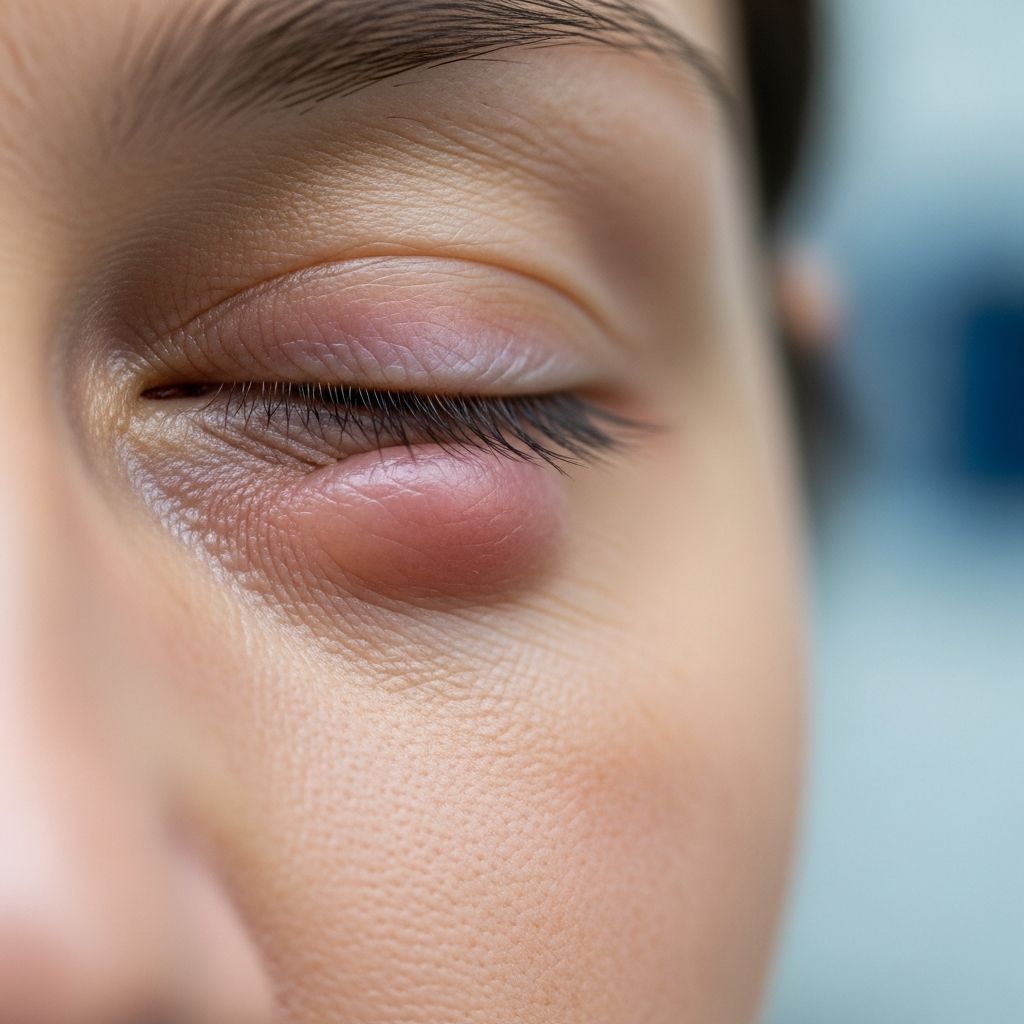
Angioedema involves sudden, often painful swelling in deeper skin layers and mucous membranes, distinguishing it from superficial hives. This condition affects areas like the face, lips, tongue, throat, genitals, and extremities, sometimes leading to life-threatening airway obstruction.
Recognizing the Signs of Angioedema
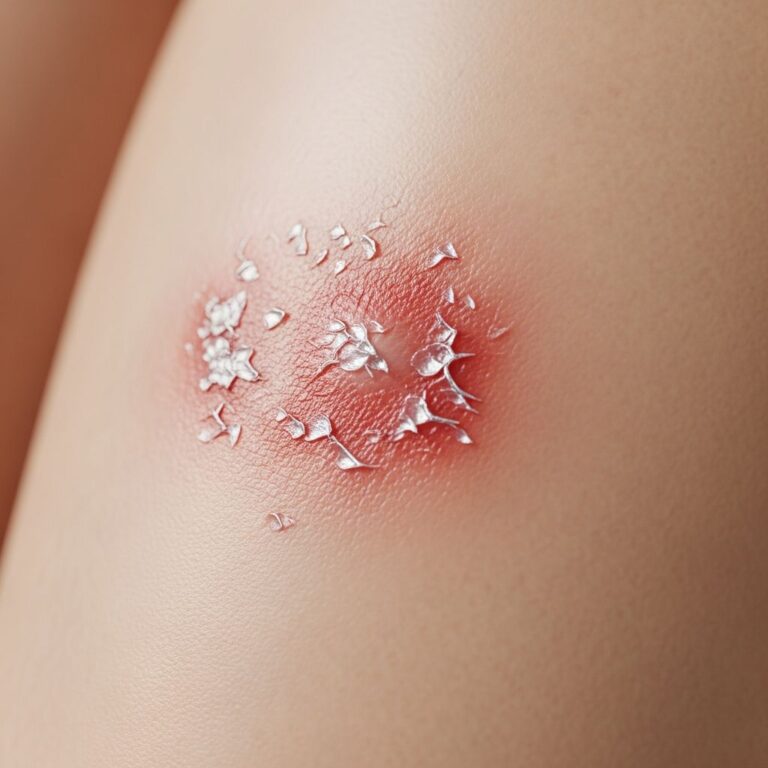
The primary symptom is non-pitting edema, meaning the skin does not blanch under pressure, creating firm, asymmetrical swellings. Unlike hives, which itch due to superficial involvement, angioedema often causes discomfort or burning pain because it penetrates deeper tissues.
- Facial swelling: Eyelids, cheeks, and lips commonly affected, potentially impairing vision or speech.
- Oral and throat involvement: Tongue or laryngeal edema can cause hoarseness, drooling, or breathing difficulty.
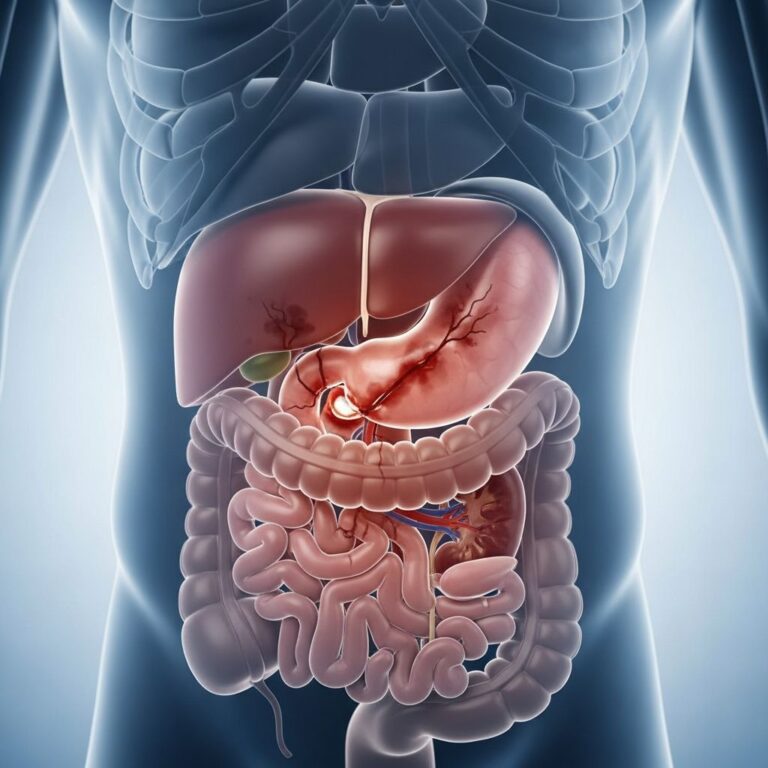
- Abdominal crises: In hereditary forms, gut wall swelling mimics surgical emergencies with nausea, vomiting, and severe pain.
- Extremities and genitals: Hands, feet, or genital areas swell, limiting movement.
Episodes vary: acute cases resolve in hours to days, while chronic recurrent ones persist over weeks or recur unpredictably.
Core Mechanisms Behind Swelling
Angioedema arises from fluid leakage from blood vessels into tissues, driven by two main pathways: histamine-mediated and bradykinin-mediated.
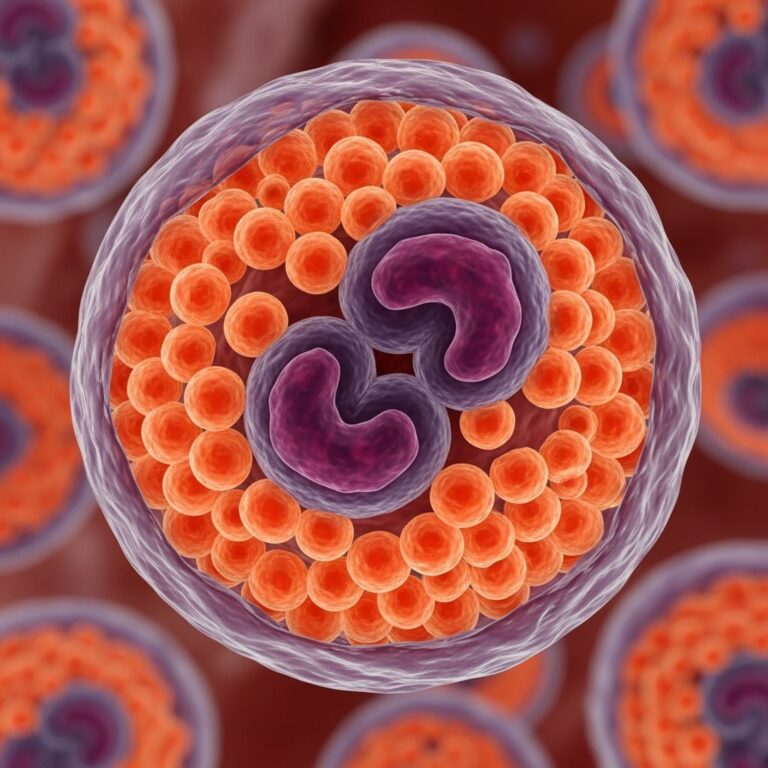
Histamine pathway: Allergic triggers bind IgE on mast cells, prompting degranulation and histamine release. This dilates vessels and increases permeability, often with accompanying urticaria.
Bradykinin pathway: Independent of allergies, excess bradykinin—a vasodilator peptide—accumulates due to enzyme deficiencies or inhibitions, causing profound, prolonged swelling without hives.
| Pathway | Triggers | Key Features | Associated Symptoms |
|---|---|---|---|
| Histamine | Allergens, infections | Quick onset, itchy hives | Pruritus, wheals |
| Bradykinin | Genetics, ACE inhibitors | Slower, painful, no hives | Abdominal pain possible |
Allergic and Idiopathic Forms
Most common, these stem from immune responses to foods (nuts, shellfish), drugs (penicillin), insect stings, or idiopathic mast cell activation. Infections or autoimmune flares also provoke histamine release.
Idiopathic angioedema lacks triggers, recurring chronically in 50% of urticaria patients. Vibrations or pressure may exacerbate.
Hereditary Angioedema: A Genetic Challenge
Hereditary angioedema (HAE) is rare, autosomal dominant, due to SERPING1 gene mutations affecting C1 esterase inhibitor (C1-INH)—a regulator of complement, contact, and fibrinolytic systems.
- HAE Type I (85%): Low C1-INH levels (<50% normal).
- HAE Type II (15%): Normal levels but dysfunctional protein.
- HAE with normal C1-INH: Emerging type III, often estrogen-linked, affecting women.
Attacks start before age 20, triggered by trauma, stress, or hormones, without hives. Family history aids suspicion, but de novo mutations occur.
Acquired and Drug-Induced Variants
Acquired angioedema (AAE) mimics HAE but arises later from autoantibodies against C1-INH or lymphoproliferative disorders. Low C1q distinguishes it.
Medications, especially ACE inhibitors (e.g., lisinopril), block bradykinin degradation, risking swelling in 0.1-0.7% of users, even years after starting.
Diagnostic Approaches
History and exam guide initial assessment: hives suggest allergy; isolated swelling points to bradykinin types.
Related Stories



Laboratory tests:
- C4 level: Low in HAE/AAE during/between attacks (repeat if normal handling doubted).
- C1-INH antigen/function: Low antigen in Type I/AAE; low function in Types I/II/AAE.
- C1q: Low in AAE only.
C3 is normal. For allergies, tryptase or IgE tests during acute phase.
| Test | HAE Type I | HAE Type II | AAE | Allergic |
|---|---|---|---|---|
| C4 | Low | Low | Low | Normal |
| C1-INH Level | Low | Normal | Low | Normal |
| C1-INH Function | Low | Low | Low | Normal |
| C1q | Normal | Normal | Low | Normal |
Imaging or endoscopy rules out mimics in abdominal attacks.
Acute Management Strategies
Airway protection is priority: intubation if needed. For histamine-mediated:
- Epinephrine IM for anaphylaxis.
- Antihistamines (H1/H2 blockers), corticosteroids.
Bradykinin types resist these; fresh frozen plasma temporarily helps HAE.
Long-Term Control and Prophylaxis
Trigger avoidance: discontinue ACE inhibitors (use ARBs cautiously).
For HAE, targeted therapies approved post-2009 revolutionized care:
- On-demand: C1-INH concentrates (Berinert, Cinryze), kallikrein inhibitor (Ecallantide), bradykinin B2 antagonist (Icatibant).
- Prophylaxis: Lanadelumab (monoclonal anti-kallikrein), berotralstat (oral kallikrein inhibitor).
Attenuated androgens (danazol) for short-term prophylaxis, with monitoring for side effects.
Living with Recurrent Angioedema
Patients need action plans: self-injectable icatibant for HAE, medical alerts. Genetic counseling for hereditary cases. Quality of life improves with modern therapies, reducing hospitalizations.
Psychosocial support addresses anxiety from unpredictable attacks.
Emergency Warning Signs
- Stridor, dyspnea, or hypoxia: Call emergency services immediately.
- Sudden tongue/throat swelling.
- Abdominal pain with vomiting (rule out obstruction).
Frequently Asked Questions (FAQs)
What triggers an angioedema attack?
Common triggers include allergens, stress, trauma, infections, or medications like ACE inhibitors. Hereditary forms may lack obvious triggers.
Is angioedema contagious?
No, it results from internal mechanisms, not infection transmission.
How long does an episode last?
Histamine-mediated: 1-3 days; bradykinin: 2-5 days untreated.
Can angioedema be cured?
Allergic types managed by avoidance; HAE controlled but not cured with therapies.
Who is at risk for hereditary angioedema?
Those with family history or SERPING1 mutations; affects all ages, often starting in childhood.
References
- Angioedema: An Overview and Update — Patel NS, et al. Allergy Asthma Proc. 2018-09-08. https://pmc.ncbi.nlm.nih.gov/articles/PMC6188378/
- Angioedema — UC San Diego Health. Accessed 2026. https://health.ucsd.edu/care/allergy-immunology/angioedema/
- Hives and Angioedema — Ohio State Wexner Medical Center. Accessed 2026. https://wexnermedical.osu.edu/ear-nose-throat/allergy-immunology-care/hives-and-angioedema
- Angioedema Defined — American Academy of Allergy, Asthma & Immunology (AAAAI). Accessed 2026. https://www.aaaai.org/tools-for-the-public/allergy,-asthma-immunology-glossary/angioedema-defined
- Angioedema: Causes, Symptoms, Types & Treatments — Cleveland Clinic. 2023-11-01. https://my.clevelandclinic.org/health/diseases/22632-angioedema
- Angioedema: Symptoms, Causes, Treatment, Types — WebMD. Accessed 2026. https://www.webmd.com/skin-problems-and-treatments/angioedema-overview
Similar Articles








Read full bio of medha deb