Angioedema: 7 Types, Symptoms, And Treatment Options
Comprehensive guide to angioedema: causes, symptoms, diagnosis, treatment, and prevention of this potentially life-threatening swelling condition.
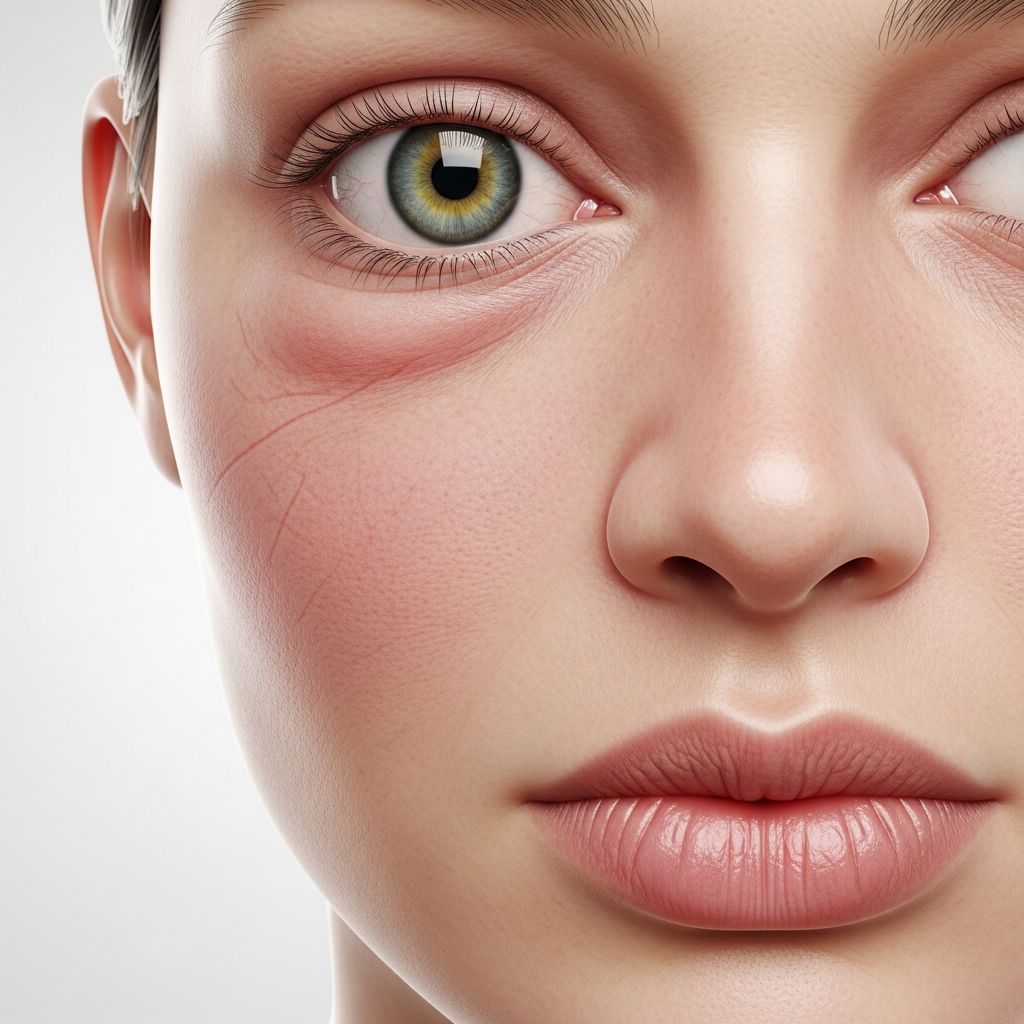
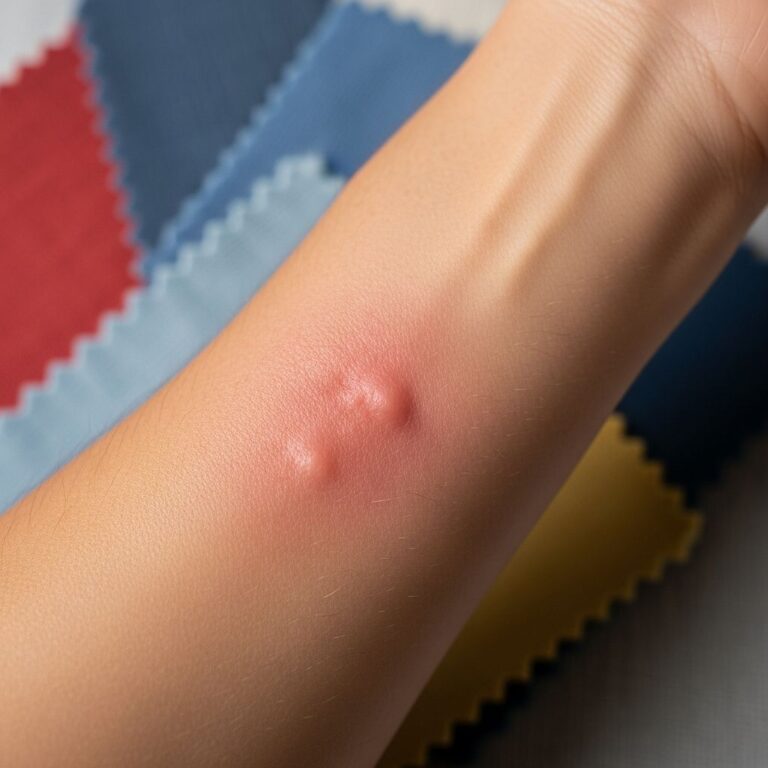
Angioedema is a condition characterized by rapid swelling of the deeper layers of the skin, often affecting the face, lips, tongue, throat, hands, feet, and genitals. Unlike hives (urticaria), which involve superficial skin layers and are typically itchy, angioedema causes non-pitting edema in subcutaneous and submucosal tissues without significant itchiness. It results from increased vascular permeability, allowing fluid to leak into surrounding tissues. This can be benign but becomes life-threatening when involving the airway, leading to breathing difficulties.
The condition affects approximately 10-20% of people at some point, often alongside hives. Acute episodes resolve within 72 hours, while chronic forms persist beyond six weeks. Recognition is crucial as laryngeal involvement requires immediate intervention.
What is angioedema?
Angioedema manifests as localized, transient swelling due to fluid accumulation from leaky small blood vessels in deeper skin layers. Common sites include eyelids, lips, tongue, and extremities. It may occur with or without urticaria; when hives are absent, suspect non-histaminergic forms like hereditary or ACE inhibitor-induced.
Symptoms develop over minutes to hours, peak within 12-24 hours, and usually resolve spontaneously in 1-3 days. Swelling is non-pitting (does not blanch under pressure) and often asymmetrical. Pain or warmth may accompany it, but pruritus is minimal compared to hives.
Who gets angioedema?
Angioedema affects all ages, races, and genders, though women are slightly more prone due to hormonal influences. Risk factors include:
- History of atopy or prior episodes
- Family history of hereditary angioedema (HAE)
- Use of ACE inhibitors (up to 0.3-0.7% of users)
- Autoimmune diseases like lupus
- Age >50 for drug-induced cases
Up to 20% experience hives with angioedema; 1 in 3 hive cases include it. HAE prevalence is 1:50,000, presenting in adolescence.
What causes angioedema?
Angioedema arises from bradykinin or histamine-mediated pathways. Histamine-driven types respond to antihistamines; bradykinin types (HAE, ACEi) do not.
Allergic (acute histaminergic)
Triggered by foods (nuts, shellfish), drugs (penicillin), insect stings, or latex via IgE-mediated mast cell degranulation.
Non-allergic (acute non-histaminergic)
Idiopathic or triggered by NSAIDs, opiates, physical stimuli (cold, pressure).
Drug-induced
ACE inhibitors (e.g., lisinopril) inhibit bradykinin breakdown, causing 20-40% of cases. Onset can be immediate or years later.
Hereditary angioedema (HAE)
Types I/II: C1-inhibitor deficiency (85%/15%); Type III: normal C1-INH, factor XII mutation. Autosomal dominant, triggered by trauma/stress.
Acquired C1-inhibitor deficiency
Associated with lymphoproliferative disorders, autoimmune diseases, or malignancy.
Types of angioedema
| Type | Mechanism | Triggers | Hives? | Response to antihistamines |
|---|---|---|---|---|
| Allergic (acute) | Histamine | Foods, drugs, stings | Yes | Good |
| Drug-induced (ACEi) | Bradykinin | ACE inhibitors | No | Poor |
| HAE Type I/II | C1-INH deficiency | Trauma, stress | No | Poor |
| HAE Type III | Factor XII mutation | Hormonal | No | Poor |
| Acquired C1-INH | C1-INH deficiency | Lymphoma, autoimmune | No | Poor |
| Idiopathic | Unknown | None | Sometimes | Variable |
Table adapted from clinical classifications.
Clinical features
Skin: Swelling of lips (most common), eyelids, cheeks, hands/feet, genitals. Skin color normal; no itch/pain usually.
Gastrointestinal: Abdominal pain, nausea, diarrhea from bowel edema (esp. HAE).
Related Stories



Respiratory: Throat tightness, dysphonia, stridor from laryngeal edema – emergency!
Progression: Minutes-hours; resolves 24-48h. Recurrent in chronic/HAE.
Diagnosis
Primarily clinical, based on history and exam. Key: absence of urticaria suggests bradykinin-mediated.
- Labs for HAE: Low C4, C1-INH level/function.
- Drug history: Recent ACEi/ARB use.
- Exclude mimics: Cellulitis (fever/redness), superior vena cava syndrome, myxedema.
No routine imaging/biopsy needed unless complications.
Treatment
Acute management
- Airway compromise: 911/ER; epinephrine, intubation if needed.
- Histaminergic: H1/H2 antihistamines (cetirizine 10-20mg, ranitidine 150mg), corticosteroids.
- Bradykinin-mediated: C1-INH concentrate (HAE), icatibant (bradykinin receptor antagonist), ecallantide.
Fresh frozen plasma as temporizing for HAE.
Chronic/prophylaxis
Discontinue ACEi; switch to ARBs cautiously. Long-term: tranexamic acid, danazol (HAE), monoclonal antibodies.
Prevention
- Avoid known triggers (foods, drugs).
- HAE patients: carry self-injectable therapies; medical alert bracelet.
- Prophylaxis before surgery/dental work for HAE.
Outlook
Acute allergic: Excellent, resolves quickly. HAE: Recurrent lifelong, but targeted therapies improve quality of life. Mortality <1% with prompt care; laryngeal attacks fatal in 30-50% untreated.
Differential diagnosis
- Urticaria (itchy, superficial).
- Anaphylaxis (systemic).
- Contact dermatitis.
- Cellulitis/orbital cellulitis.
- Melkersson-Rosenthal syndrome.
- Lymphoedema.
Frequently Asked Questions
Q: Is angioedema the same as hives?
A: No. Hives affect superficial skin (itchy welts); angioedema is deeper swelling, often non-itchy.
Q: Can angioedema kill you?
A: Yes, if throat/larynx swells, blocking airway. Seek emergency care for breathing issues.
Q: Does Benadryl work for all angioedema?
A: Only for allergic types. HAE/ACEi types need specific bradykinin-targeted therapies.
Q: Is hereditary angioedema curable?
A: Not curable, but manageable with prophylactics like C1-INH replacement and on-demand treatments.
Q: How long does angioedema last?
A: Acute: 1-3 days; HAE attacks: 2-5 days untreated.
References
- Angioedema: Causes, Symptoms, Types & Treatments — Cleveland Clinic. 2023-05-12. https://my.clevelandclinic.org/health/diseases/22632-angioedema
- Angioedema — NHS UK. 2023-08-15. https://www.nhs.uk/conditions/angioedema/
- Hives and angioedema – Symptoms and causes — Mayo Clinic. 2024-02-20. https://www.mayoclinic.org/diseases-conditions/hives-and-angioedema/symptoms-causes/syc-20354908
- Angioedema — Australasian Society of Clinical Immunology and Allergy. 2023-11-01. https://www.allergy.org.au/patients/skin-allergy/angioedema
- Angioedema — The Iowa Clinic. 2024-01-10. https://www.iowaclinic.com/specialties/allergy-immunology/allergy/allergic-reactions/angioedema/
- Angioedema — StatPearls, NCBI Bookshelf. 2023-07-17. https://www.ncbi.nlm.nih.gov/books/NBK538489/
Similar Articles








Read full bio of medha deb