Angiomyolipoma of the Kidney: Causes, Symptoms & Treatment
Understanding kidney angiomyolipomas: diagnosis, management, and treatment options explained.
What Is an Angiomyolipoma?
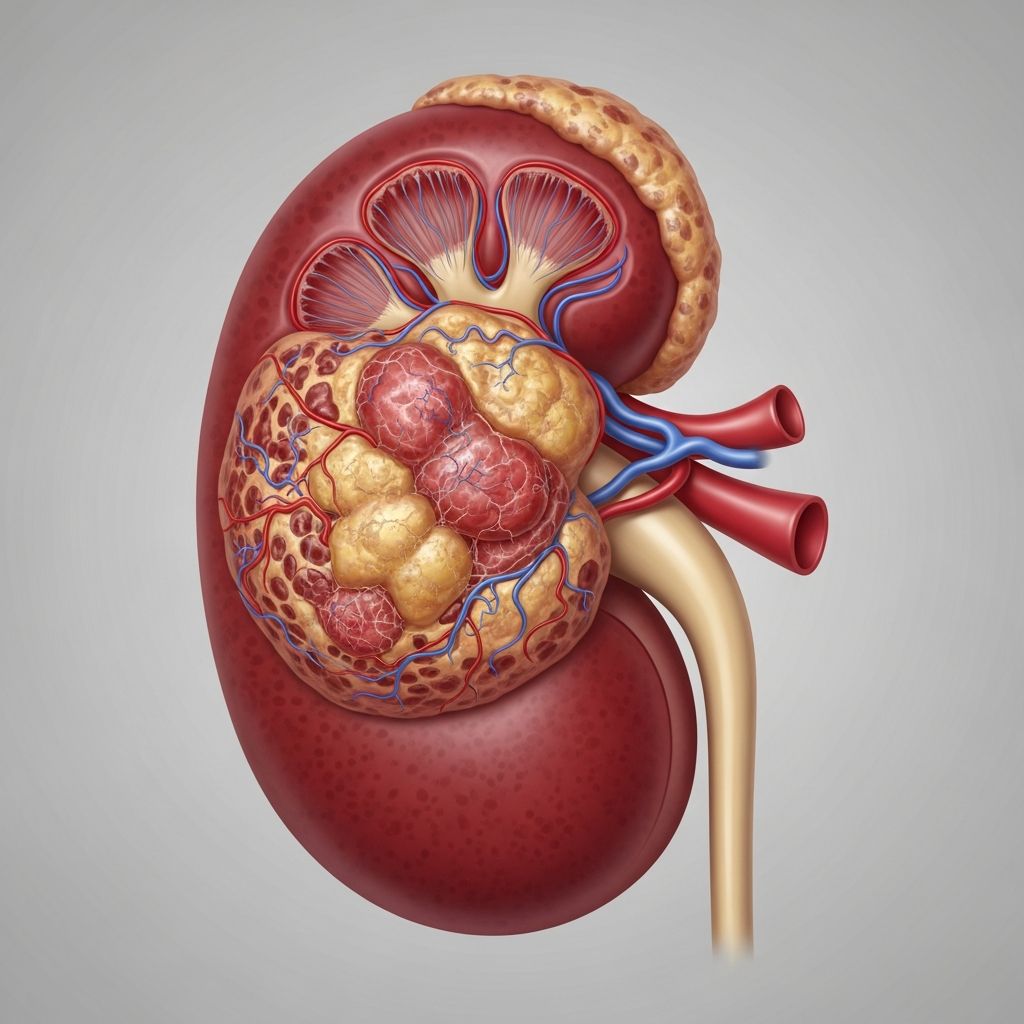
An angiomyolipoma (AML) is a benign, noncancerous tumor that develops in the kidney. This type of tumor is composed of a variable mixture of fat, smooth muscle cells, and blood vessels, which gives it its distinctive name. Despite being benign, angiomyolipomas require careful monitoring because of potential complications related to growth and bleeding. The condition is the only benign renal tumor that can be confidently diagnosed through cross-sectional imaging techniques.
Most individuals who have an angiomyolipoma experience no symptoms at all, and many discover they have the condition incidentally during imaging tests performed for unrelated health concerns. However, in some cases, these tumors can grow and cause serious complications including anemia, fever, pain, high blood pressure, and potentially life-threatening bleeding.
Causes and Risk Factors
The exact cause of sporadic angiomyolipomas remains unclear, but certain risk factors have been identified. The most significant risk factor is the presence of tuberous sclerosis complex (TSC) syndrome, a genetic disorder that substantially increases the likelihood of developing angiomyolipomas. Patients with TSC have a much higher prevalence of these tumors compared to the general population.
Age and gender also play roles in susceptibility. Research shows that angiomyolipomas can occur at various ages, with a notable female predominance in the general population. Additionally, certain individuals may be genetically predisposed to develop multiple angiomyolipomas or tumors in both kidneys, even without tuberous sclerosis.
Symptoms and Complications
Many people with angiomyolipomas remain asymptomatic throughout their lives, with the tumor discovered incidentally on imaging performed for other reasons. However, when symptoms do occur, they typically relate to the tumor’s size and its potential to bleed or cause other effects on surrounding kidney tissue.
Common symptoms may include:
– Flank pain or side pain- Hematuria (blood in the urine)- Anemia (low red blood cell count)- Fever- High blood pressure- Abdominal discomfort or mass
Serious Complications:
One of the most serious complications is retroperitoneal hemorrhage, also known as Wunderlich’s syndrome, which occurs when the tumor ruptures and bleeding enters the abdomen. This is a medical emergency and potentially life-threatening condition. Spontaneous renal hemorrhage can occur in up to 10% of patients, particularly those with larger tumors. As angiomyolipomas grow larger, the risk of bleeding or bursting significantly increases, necessitating closer medical surveillance and potential intervention.
Diagnosis and Imaging
Healthcare providers typically discover angiomyolipomas through imaging tests performed for various reasons. The most common diagnostic method involves cross-sectional imaging, including CT (computed tomography) scans and MRI (magnetic resonance imaging) studies. These imaging techniques can often identify the characteristic fat density within the tumor, which is pathognomonic for angiomyolipoma when present.
Angiomyolipomas are classified based on their radiographic and histologic features. Classic angiomyolipomas contain visible fat on imaging, while fat-poor variants may lack this characteristic finding, making them more challenging to diagnose. Histologically, tumors may be classified as triphasic, monophasic, or epithelioid based on their cellular composition.
Related Stories



In some cases, healthcare providers may recommend percutaneous renal biopsy to confirm diagnosis, particularly when imaging findings are inconclusive or when the tumor demonstrates atypical features that raise concern for malignancy.
Treatment Options
Treatment decisions for angiomyolipomas depend on multiple factors, including tumor size, growth rate, symptoms, and overall kidney function. Management strategies have evolved significantly, with modern approaches favoring preservation of kidney tissue when possible.
Active Surveillance (Watchful Waiting)
For many patients, particularly those with small, asymptomatic tumors and no risk factors for complications, active surveillance is the recommended approach. This strategy involves regular imaging follow-up to monitor tumor size and characteristics without immediate intervention. Research demonstrates that most patients without metastasis at presentation who require treatment develop symptoms within the first 29 months of diagnosis. Regular monitoring allows healthcare providers to detect changes that might necessitate treatment.
Minimally Invasive Interventions
When treatment is needed, several minimally invasive options have become increasingly popular because they preserve more normal kidney tissue compared to surgical removal.
Angioembolization: This procedure involves blocking blood vessels that supply the tumor, effectively cutting off its blood supply. This technique reduces bleeding risk and can cause tumor shrinkage or stabilization.
Cryoablation: This technique uses extreme cold to freeze and destroy tumor tissue. Recent studies have shown promising results with cryoablation in selected patients, with minimal procedural complications and good long-term outcomes in terms of preventing recurrence.
Surgical Excision
Surgical removal remains an option, particularly for younger patients with large symptomatic tumors or those at high risk for complications. However, surgery carries risks of kidney damage and loss of renal function. Partial nephrectomy (removal of only the tumor-bearing portion of the kidney) is preferred over total nephrectomy when possible to preserve kidney function.
Treatment Risks and Considerations
All angiomyolipoma treatments carry certain risks that healthcare providers discuss thoroughly with patients before intervention. Potential complications include:
– Kidney failure or reduced kidney function- Infection- Bleeding during or after treatment- Need for repeat procedures- Recurrence of the tumor
In some instances, kidney failure can occur after treatment, requiring long-term management strategies to preserve remaining kidney function and maintain quality of life. Healthcare providers carefully weigh the risks and benefits of treatment versus surveillance for each individual patient.
Recurrence and Multiple Tumors
Angiomyolipomas can regrow even after successful treatment, necessitating continued surveillance even in treated patients. Additionally, some individuals may develop multiple angiomyolipomas simultaneously or develop tumors in both kidneys over time. This is particularly common in patients with tuberous sclerosis syndrome. Long-term follow-up imaging is essential for detecting recurrence or development of new tumors early.
Special Considerations for Epithelioid Angiomyolipomas
Epithelioid angiomyolipomas represent a small subset of all angiomyolipomas, comprising approximately 4.6% to 7.7% of cases. These tumors have different histologic features and have historically been considered more aggressive than classic angiomyolipomas. However, recent research suggests that the rate of truly aggressive behavior remains very low, even among epithelioid variants showing morphologic features previously associated with worse outcomes.
Prognostic factors for epithelioid angiomyolipomas include tuberous sclerosis syndrome presence, tumor necrosis, extrarenal extension or renal vein invasion, carcinoma-like histology, and tumor size exceeding 7.7 cm. Patients with epithelioid variants require more careful surveillance and may benefit from more aggressive initial treatment strategies.
When to Seek Medical Attention
Patients with known angiomyolipomas should contact their healthcare provider if they experience:
– Sudden, severe flank or abdominal pain- Blood in urine- Fever accompanying other symptoms- Persistent high blood pressure- Symptoms of anemia such as fatigue or shortness of breath- Any concerning changes in symptoms
Emergency medical attention is warranted for sudden severe abdominal pain with signs of internal bleeding, such as dizziness, rapid heartbeat, or loss of consciousness, as these may indicate retroperitoneal hemorrhage.
Living with Angiomyolipoma
Most people with angiomyolipomas can live normal, healthy lives with appropriate medical management. Regular follow-up imaging and communication with your healthcare team are essential components of long-term care. For patients undergoing active surveillance, imaging frequency typically depends on tumor size and characteristics but may range from annual to biennial imaging studies.
Understanding your specific diagnosis, tumor characteristics, and individualized treatment plan empowers you to make informed decisions about your healthcare. Healthcare providers will develop care plans tailored to your unique situation, considering factors such as age, kidney function, symptoms, and overall health status.
Frequently Asked Questions
Q: Is angiomyolipoma cancer?
A: No, angiomyolipoma is a benign (noncancerous) tumor. However, it requires monitoring because it can potentially bleed or cause complications if it grows.
Q: How often do I need imaging follow-up for angiomyolipoma?
A: Follow-up imaging frequency depends on tumor size, growth rate, and other risk factors. Your healthcare provider will recommend an appropriate surveillance schedule, which may range from annual to biennial imaging studies.
Q: Can angiomyolipoma be cured?
A: Treatment can address symptoms and reduce bleeding risk, but angiomyolipomas can recur even after treatment. Long-term surveillance is typically recommended.
Q: What is the difference between active surveillance and treatment?
A: Active surveillance involves regular imaging monitoring without immediate intervention, suitable for small asymptomatic tumors. Treatment options like embolization, cryoablation, or surgery are recommended for larger, symptomatic, or rapidly growing tumors.
Q: Can I have angiomyolipomas in both kidneys?
A: Yes, it is possible to have multiple angiomyolipomas or tumors in both kidneys, particularly in patients with tuberous sclerosis syndrome.
Q: What happens if my angiomyolipoma bleeds?
A: Bleeding from an angiomyolipoma is a medical emergency (retroperitoneal hemorrhage). Seek immediate medical attention for severe abdominal pain, blood in urine, dizziness, or signs of shock.
Q: Does angiomyolipoma affect kidney function?
A: Most small angiomyolipomas do not affect kidney function. However, large tumors or complications from bleeding may impact kidney function, and treatment itself occasionally carries this risk.
References
- Epithelioid angiomyolipoma of the kidney: pathological features and clinical correlations — Nature Publishing Group, Modern Pathology. 2013. https://www.nature.com/articles/modpathol201372
- Angiomyolipoma of the Kidney: Causes, Symptoms & Treatment — Cleveland Clinic. 2024. https://my.clevelandclinic.org/health/diseases/22415-angiomyolipoma-of-the-kidney
- Contemporary management of renal angiomyolipomas — AME Medical Journal, Therapeutic Case Reports. 2023. https://tcr.amegroups.org/article/view/10764/html
- Factors predicting the active treatment of renal angiomyolipoma — National Institutes of Health, PubMed Central. 2023. https://pmc.ncbi.nlm.nih.gov/articles/PMC10210137/
- Clinical Correlates of Renal Angiomyolipoma Subtypes in 209 Patients — American Urological Association Journal. 2008. https://www.auajournals.org/doi/10.1016/j.juro.2008.05.041
Similar Articles








Read full bio of Sneha Tete