Angioplasty: Procedure, Types & Recovery
Learn about angioplasty: minimally invasive treatment for blocked arteries and improved heart health.
Understanding Angioplasty: A Minimally Invasive Heart Treatment
Angioplasty is a minimally invasive medical procedure designed to open narrowed or blocked arteries and restore proper blood flow to vital organs, particularly the heart. This groundbreaking treatment has transformed the way healthcare providers manage coronary artery disease and other vascular conditions, offering patients a less invasive alternative to traditional open-heart surgery. By using specialized catheters and balloons, angioplasty allows interventional cardiologists to address arterial blockages through small incisions, reducing recovery time and hospital stays while improving patient outcomes.
What is Angioplasty?
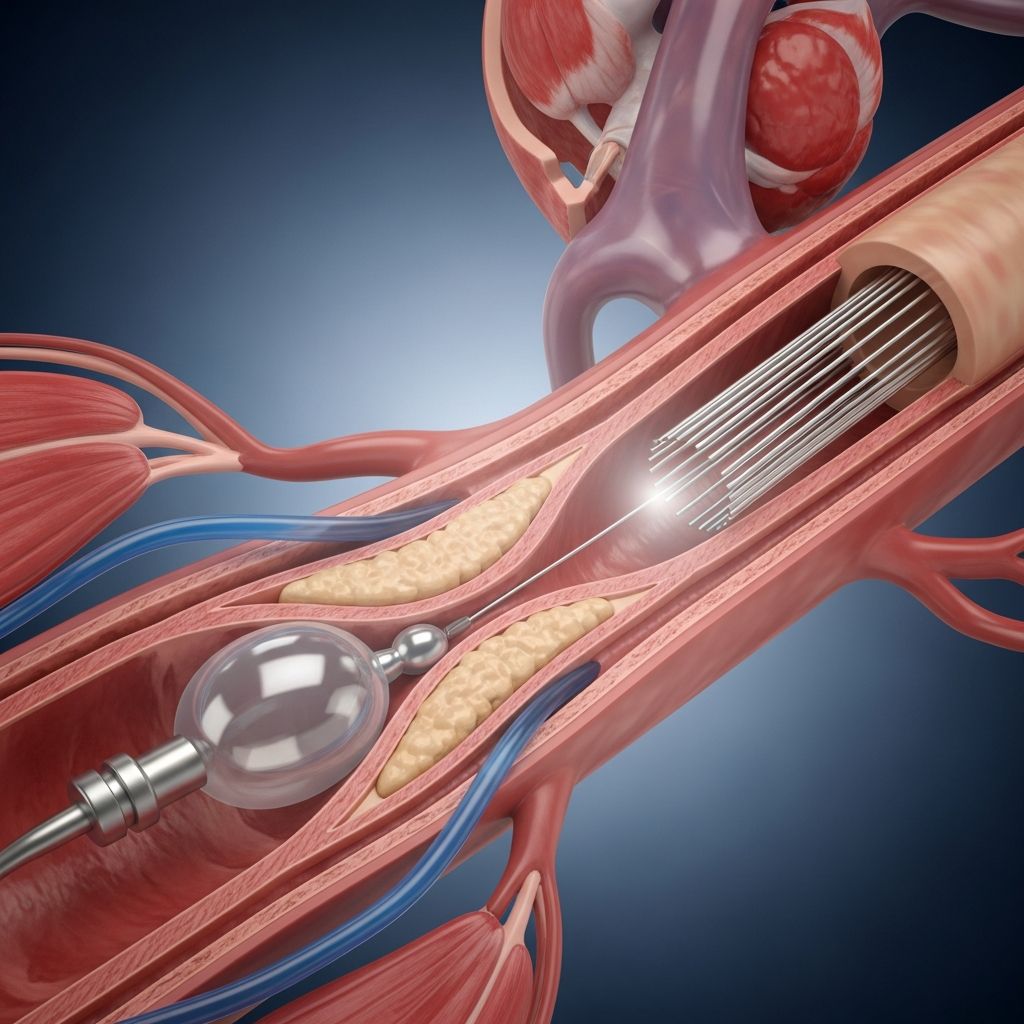
Angioplasty, also known as percutaneous coronary intervention (PCI) when performed on heart arteries, is a non-surgical procedure that opens narrowed or blocked blood vessels to improve blood flow. The term “percutaneous” means the procedure is performed through a small opening in the skin, typically in the groin, arm, or wrist. During angioplasty, an interventional cardiologist threads a thin, flexible tube called a catheter through blood vessels to reach the site of blockage. At the tip of this catheter is a small balloon that inflates at the narrowed area, compressing plaque against the artery walls and widening the vessel to restore normal blood flow.
Why Angioplasty is Performed
Angioplasty is primarily used to treat atherosclerosis, a condition where plaque—a thick, fatty substance composed of cholesterol, cellular waste, and other materials—accumulates in arteries. When plaque hardens and narrows arteries, blood flow becomes restricted, depriving organs of oxygen-rich blood. This can result in chest pain (angina), shortness of breath, and increased risk of heart attack. Healthcare providers may recommend angioplasty for several conditions:
–
Stable angina
: Chest pain that occurs predictably during physical activity or stress-Unstable angina
: Chest pain that occurs unexpectedly and may indicate an imminent heart attack-Acute myocardial infarction
: Active heart attack, where angioplasty can quickly restore blood flow and minimize heart damage-Symptomatic coronary artery disease
: When coronary arteries show significant narrowing causing symptoms-Peripheral artery disease
: Blockages in arteries outside the heart, such as in the legsTypes of Angioplasty Procedures
Several variations of angioplasty exist, each designed to address specific types of arterial blockages and clinical situations:
Balloon Angioplasty (PTCA/PCI)
Balloon angioplasty, also called percutaneous transluminal coronary angioplasty (PTCA) or percutaneous coronary intervention (PCI), is the standard angioplasty technique. A catheter with a deflated balloon at its tip is guided to the narrowed artery. Once positioned, the balloon inflates, compressing the plaque and expanding the artery diameter to increase blood flow. While effective, balloon angioplasty alone can sometimes result in vessel recoil or restenosis (re-narrowing of the artery).
Angioplasty with Stenting
In most cases today, balloon angioplasty is combined with stent placement. A stent is a small, expandable metal mesh tube that acts as a scaffold to keep the artery open permanently. During this procedure, the stent is positioned over a guide wire and mounted on a balloon catheter. When the balloon inflates, the stent expands to match the artery’s diameter and remains in place after the balloon is deflated and removed. Over several weeks, the artery heals around the stent, significantly reducing the risk of restenosis.
Drug-Eluting Stents (DES)
Drug-eluting stents represent an advancement in stent technology. These stents have a thin coating of medication that is actively released at the stent implantation site over time. The medication helps prevent the growth of scar tissue inside the stent, further reducing the risk of restenosis and improving long-term outcomes compared to bare-metal stents.
Rotablation (Percutaneous Transluminal Rotational Atherectomy)
For heavily calcified or complex blockages, rotablation may be recommended. This specialized procedure uses a catheter with an acorn-shaped, diamond-coated tip that rotates at extremely high speeds (approximately 160,000 to 180,000 revolutions per minute). The spinning tip grinds away plaque and calcification on arterial walls. The microscopic particles created during this process are safely washed into the bloodstream and filtered out by the liver and spleen, allowing blood flow to be restored even in challenging cases.
Related Stories



How Angioplasty Works: The Procedure Step-by-Step
Understanding the angioplasty procedure can help patients feel more prepared and informed before their scheduled treatment.
Pre-Procedure Preparation
Before angioplasty, patients undergo several preparatory steps. A coronary angiogram is typically performed first to visualize the exact location and severity of arterial blockages. During this diagnostic procedure, contrast material is injected through the catheter, and X-ray images are captured as the contrast moves through the heart’s chambers, valves, and major vessels. These images help the interventional cardiologist determine whether angioplasty is appropriate and plan the treatment strategy.
During the Procedure
The angioplasty procedure itself typically follows these steps:
–
Access
: A small incision is made in the groin, arm, or wrist, and a plastic introducer sheath (a short, hollow tube) is inserted into a blood vessel-Catheter insertion
: A long, narrow catheter is threaded through the introducer sheath and guided through blood vessels to the heart-Navigation
: Using real-time X-ray imaging (fluoroscopy), the cardiologist guides the catheter to the site of the arterial blockage-Balloon inflation
: The balloon at the catheter’s tip is positioned at the narrowed area and inflated, compressing the plaque against the artery walls-Stent placement
: If planned, a stent is deployed to keep the artery open-Verification
: The cardiologist confirms improved blood flow using angiographic imaging-Catheter removal
: The catheter and introducer sheath are removed, and the arterial access site is closedPost-Procedure Monitoring
After the procedure, patients are monitored in a recovery area for several hours. Healthcare providers check vital signs, assess the puncture site for bleeding or complications, and monitor heart rhythm. Most patients can return home the same day or after an overnight stay, depending on their condition and institutional protocols.
Benefits of Angioplasty
Angioplasty offers numerous advantages over traditional surgical interventions:
–
Minimally invasive
: Small incisions reduce trauma, pain, and scarring compared to open-heart surgery-Quick recovery
: Most patients return to normal activities within days to weeks-Reduced hospital stay
: Procedures are often performed on an outpatient basis-Lower infection risk
: Smaller incisions mean reduced risk of surgical site infections-Improved blood flow
: Rapid restoration of blood flow can minimize heart damage during acute events-Symptom relief
: Many patients experience immediate improvement in chest pain and shortness of breath-Lower mortality risk
: For acute heart attacks, angioplasty with stenting significantly reduces mortality compared to medical therapy aloneRisks and Complications
While angioplasty is generally safe, like all medical procedures, it carries potential risks and complications that patients should understand:
–
Restenosis
: Re-narrowing of the treated artery, particularly with balloon angioplasty alone (minimized with stents and drug-eluting stents)-In-stent thrombosis
: Blood clot formation inside the stent, requiring long-term antiplatelet medication-Bleeding
: Excessive bleeding at the access site or internally-Contrast reaction
: Allergic reaction to contrast material used during imaging-Arterial dissection
: Tearing of the artery wall during catheter manipulation-Perforation
: Puncturing of the artery, which may require emergency surgery-Radiation exposure
: From the fluoroscopy imaging used during the procedure-Myocardial infarction
: Heart attack during or shortly after the procedure-Arrhythmias
: Irregular heart rhythms during the procedure-Embolism
: Blood clots or plaque particles traveling to other vesselsRecovery and Aftercare
Recovery from angioplasty is typically faster than surgical interventions, but proper aftercare is essential for optimal outcomes.
Immediate Recovery (First 24 Hours)
Patients are advised to rest and keep the access site clean and dry. Some bruising or mild discomfort at the puncture site is normal. Pain medication may be prescribed if needed. Patients should avoid strenuous activity and heavy lifting during this initial period.
Short-Term Recovery (First Few Weeks)
Most patients can resume light activities within a few days and return to work within one to two weeks. Gradual return to exercise is encouraged, typically starting with light walking and progressing under cardiologist guidance. Patients must follow prescribed medication regimens, which typically include dual antiplatelet therapy (usually aspirin and clopidogrel) to prevent stent thrombosis.
Long-Term Care
Long-term recovery involves lifestyle modifications and ongoing medical management. Patients should follow a heart-healthy diet low in saturated fats and sodium, engage in regular physical activity, manage stress, and avoid smoking. Regular follow-up appointments with the cardiologist are essential to monitor stent patency and overall heart health. Depending on the type of stent placed, patients may need to take dual antiplatelet therapy for six months to one year or longer.
Factors Affecting Treatment Selection
The decision to pursue angioplasty versus other treatment options depends on multiple factors that healthcare providers and patients discuss together:
–
Number of blocked arteries
: Angioplasty is typically recommended for blockages in one or two coronary arteries; multiple blockages may warrant bypass surgery-Blockage location and characteristics
: Complex, calcified, or diffuse blockages may require specialized techniques like rotablation-Left ventricular function
: The heart’s pumping efficiency influences treatment decisions-Overall health status
: Age, kidney function, diabetes, and other comorbidities affect treatment choice-Symptom severity
: Stability of symptoms influences timing and urgency of intervention-Patient preferences
: Individual preferences and lifestyle considerations are important-Institutional expertise
: Available resources and specialist experience at the treatment facilityAngioplasty vs. Coronary Artery Bypass Graft (CABG)
When multiple coronary arteries are significantly blocked, coronary artery bypass graft (CABG) surgery may be recommended instead of angioplasty. CABG involves grafting blood vessels to bypass blocked arteries, providing an alternative route for blood flow. While CABG is more invasive with longer recovery times, it may provide longer-term benefits in certain patient populations with extensive coronary disease. The choice between angioplasty and CABG depends on individual anatomical and clinical factors.
Frequently Asked Questions
Q: How long does an angioplasty procedure take?
A: Most angioplasty procedures take 30 minutes to two hours, depending on the complexity of the blockage and whether stenting is performed. Simple cases may be completed more quickly, while complex cases involving multiple vessels or calcified blockages may take longer.
Q: Will I need medication after angioplasty?
A: Yes, most patients require long-term medications after angioplasty. These typically include aspirin and another antiplatelet agent (clopidogrel, ticagrelor, or prasugrel), cholesterol-lowering medications (statins), blood pressure medications, and possibly beta-blockers or ACE inhibitors. These medications help prevent stent thrombosis and manage underlying cardiovascular disease.
Q: When can I resume normal activities after angioplasty?
A: Most patients can resume light activities within a few days and return to work within one to two weeks. Strenuous exercise and heavy lifting should be avoided for at least one week. Your cardiologist will provide specific guidance based on your individual recovery and the complexity of your procedure.
Q: What is the success rate of angioplasty?
A: Success rates for angioplasty are generally high, with immediate angiographic success rates exceeding 95% in appropriate candidates. Long-term patency rates depend on the type of stent used, with drug-eluting stents showing lower restenosis rates compared to bare-metal stents.
Q: Can angioplasty be repeated if restenosis occurs?
A: Yes, angioplasty can be repeated if restenosis develops. Repeat procedures may use different strategies, such as using drug-eluting stents if bare-metal stents were initially placed, or using rotablation for heavily calcified lesions.
References
- Interventional Procedures (Angioplasty and Stent) — Cleveland Clinic Abu Dhabi. 2024. https://www.clevelandclinicabudhabi.ae/en/health-hub/health-resource/diseases-and-conditions/interventional-procedures
- Coronary Angiogram: Procedure & What To Expect — Cleveland Clinic. 2024. https://my.clevelandclinic.org/health/diagnostics/22164-coronary-angiogram
- Percutaneous Coronary Intervention (PCI) — Cleveland Clinic. 2024. https://my.clevelandclinic.org/health/treatments/22066-percutaneous-coronary-intervention
- Restenosis: Causes, Symptoms & Treatment — Cleveland Clinic. 2024. https://my.clevelandclinic.org/health/diseases/17132-cad-in-stent-restenosis
- After Your Interventional Procedure (Angioplasty & Stent) — Cleveland Clinic. 2024. https://my.clevelandclinic.org/departments/heart/patient-education/recovery-care/interventional-procedures/after-your-interventional-procedure
- Angiogram: What It Is and What It Shows — Cleveland Clinic. 2024. https://my.clevelandclinic.org/health/diagnostics/4977-angiography
Similar Articles








Read full bio of medha deb