Angle Recession Glaucoma: Diagnosis and Care
Understand the causes, detection methods, and step-by-step management of angle recession glaucoma following eye trauma to safeguard vision long-term.
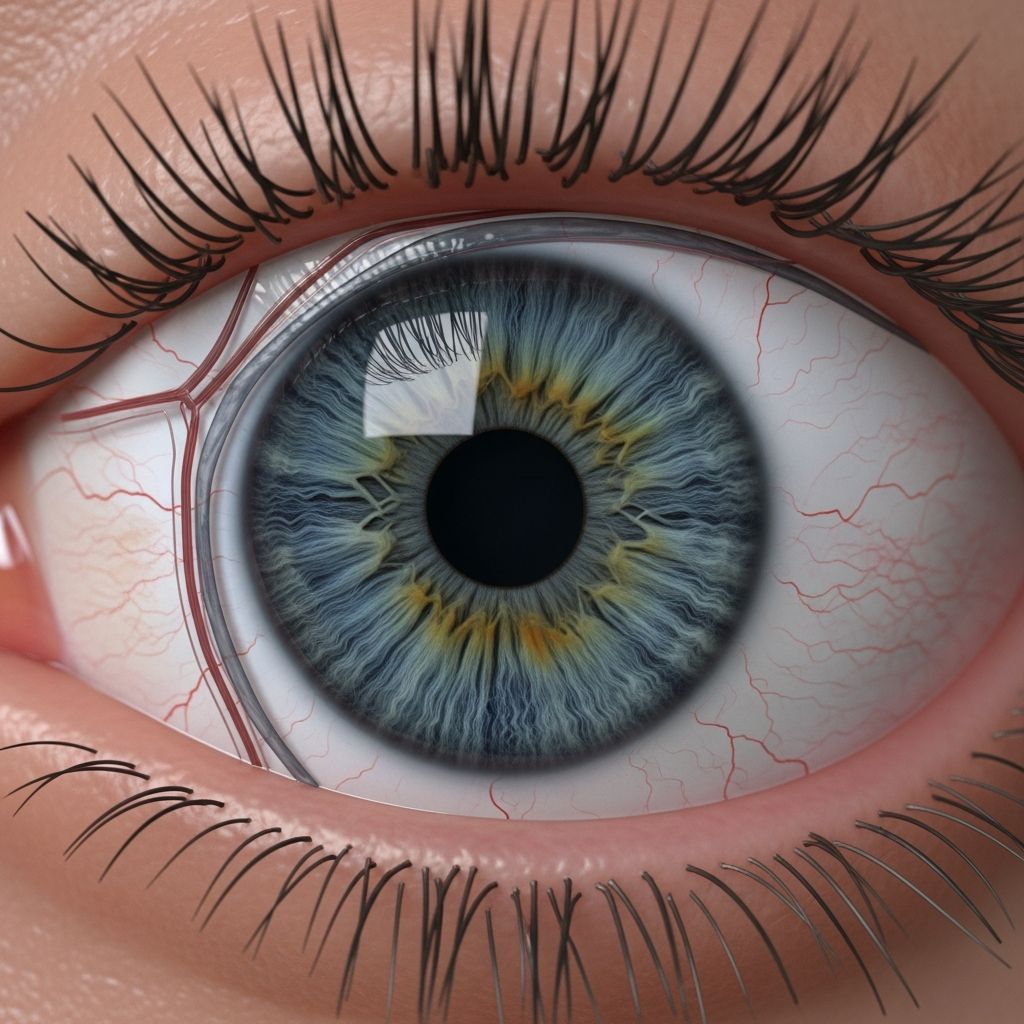
Angle recession glaucoma arises as a delayed complication of blunt trauma to the eye, where damage to the anterior chamber angle disrupts normal fluid outflow, leading to elevated intraocular pressure (IOP) and potential optic nerve damage. Affecting 5% to 20% of individuals with significant angle recession, particularly those with over 180 degrees of involvement, this condition demands vigilant screening and tailored interventions to preserve vision.
Origins in Ocular Trauma
Blunt force to the eye, such as from sports injuries, assaults, or accidents like airbag deployment, can tear the fibers connecting the ciliary muscle to the trabecular meshwork. This creates a widened anterior chamber angle, initially without symptoms, but over months or years, scar tissue formation impedes aqueous humor drainage, raising IOP. Pathologically, the iris root shifts posteriorly, separating longitudinal and circular ciliary muscle fibers while the longitudinal fibers cling to the scleral spur, altering outflow dynamics.
Early post-trauma signs include inflammation (iritis), blood in the anterior chamber (hyphema), iris tears (iridodialysis), or ciliary body clefts (cyclodialysis). These clues signal underlying angle damage, even if IOP normalizes initially. Notably, up to 50% of affected patients may develop glaucoma in the fellow eye, suggesting underlying predispositions or bilateral subtle trauma.
Recognizing the Condition Early
Most cases present asymptomatically with gradual peripheral vision loss, mimicking primary open-angle glaucoma. Risk escalates with extensive recession (>180-240 degrees), baseline high IOP, hyphema, lens subluxation, or angle pigmentation. Annual gonioscopy is recommended for trauma survivors with hyphema or contusion injuries to track changes.
Key Diagnostic Tools
- Gonioscopy: Gold standard revealing a widened ciliary body band compared to the fellow eye; essential for quantifying recession extent in clock hours.
- IOP Measurement: Tonometry detects elevations; post-trauma spikes may stem from inflammation or edema.
- Optic Nerve Assessment: Fundoscopy, optical coherence tomography (OCT), and visual field testing baseline optic neuropathy progression.
- Anterior Segment Exam: Slit-lamp checks for hyphema, iritis, or synechiae.
Compare angles bilaterally to distinguish pathologic widening from physiologic variants. Dark-room prone gonioscopy with lens indentation evaluates peripheral anterior synechiae (PAS).
Differential Considerations
Unilateral IOP rise post-trauma prompts ruling out mimics like steroid-induced glaucoma, uveitis-glaucoma-hyphema syndrome, iridocorneal endothelial syndrome, carotid-cavernous fistula, pseudoexfoliation, or pigmentary glaucoma. History of trauma, asymmetric findings, and gonioscopic recession confirm the diagnosis when paired with nerve damage.
| Condition | Key Features | Differentiator from ARG |
|---|---|---|
| Steroid Glaucoma | Bilateral if both eyes treated | No recession; resolves post-steroid taper |
| Pigmentary Glaucoma | Kruksy iris transillumination | Symmetric, no trauma history |
| ICE Syndrome | Corneal edema, PAS | Abnormal endothelial morphology |
| Carotid-Cavernous Fistula | Pulsatile proptosis | Vascular bruit, orbital signs |
Stepwise Management Approach
Treatment prioritizes IOP control to avert glaucomatous damage, starting conservatively and escalating as needed. Lifelong monitoring is crucial given delayed onset.
Acute Phase Handling
Post-trauma, address inflammation with tapering topical steroids alongside IOP-lowering agents if elevated. Aqueous suppressants like beta-blockers, alpha-agonists, or carbonic anhydrase inhibitors are first-line; prostaglandins may aid but monitor for inflammation exacerbation.
Related Stories



Chronic Medical Therapy
For sustained IOP rise, mimic open-angle glaucoma regimens:
- Primary Agents: Beta-blockers (e.g., timolol), alpha-2 agonists (e.g., brimonidine), CAIs (e.g., dorzolamide).
- Adjuncts: Prostaglandin analogs (e.g., latanoprost) if inflammation resolved; miotics cautiously due to debated efficacy.
Maximize tolerated drops before advancing; avoid steroids long-term to prevent iatrogenic spikes.
Laser Interventions
Laser trabeculoplasty (SLT/ALT) yields inconsistent results due to scarred trabecular meshwork and is generally avoided. Selective laser trabeculoplasty may trial in mild cases, but success lags primary glaucomas. Laser peripheral iridotomy applies only if pupillary block coexists.
Surgical Options for Refractory Cases
When medications fail, surgery targets outflow enhancement. Angle recession eyes pose higher failure risks.
- Trabeculectomy with Antimetabolites: Mitomycin-C (MMC) or 5-FU boosts success but elevates bleb infection risk; most effective for IOP control with minimal meds.
- Glaucoma Drainage Devices: Tubes like Molteno or Ahmed valves suit complex cases, though less efficacious than in primary glaucomas.
- Cyclodestruction: Reserved for poor visual potential eyes; transscleral cyclophotocoagulation lowers production.
Post-op vigilance for infections is paramount, especially with antimetabolites.
Prognostic Factors and Monitoring
Greater recession extent, young age at injury, and hyphema predict glaucoma development. Contralateral involvement hints at systemic risks. Schedule:
- Post-trauma: Weekly until stable, then monthly.
- Stable recession without glaucoma: Annual gonioscopy, IOP, fields/OCT.
- Manifest glaucoma: Quarterly or per progression.
Counsel patients on lifelong surveillance; asymptomatic progression underscores compliance.
Patient Education and Prevention
Empower survivors with trauma history awareness, symptom vigilance (e.g., halos, blurring), and protective eyewear advocacy. Early intervention halves vision loss risk.
Frequently Asked Questions (FAQs)
What triggers angle recession glaucoma?
Blunt eye trauma tears angle structures, impairing drainage years later.
How is it diagnosed?
Gonioscopy shows widened ciliary band; confirmed with IOP rise and optic damage.
Can medications alone control it?
Often yes initially; surgery for failures.
Is surgery riskier here?
Yes, higher failure/infection rates necessitate expert handling.
How often should I get checked?
Annually minimum post-trauma; more if glaucoma develops.
References
- Clinical Approach to Angle-recession Glaucoma — Glaucoma Today. 2012-05-01. https://glaucomatoday.com/articles/2012-may-june/clinical-approach-to-angle-recession-glaucoma
- Angle Recession Glaucoma — EyeWiki (American Academy of Ophthalmology). 2023-01-15. https://eyewiki.org/Angle_Recession_Glaucoma
- What is the management and treatment for angle recession — DrOracle.ai. 2023-06-20. https://www.droracle.ai/articles/465143/what-is-the-management-and-treatment-for-angle-recession
- Angle Recession — Vagelos College of Physicians and Surgeons, Columbia University. 2024-02-10. https://www.vagelos.columbia.edu/departments-centers/ophthalmology/education/digital-reference-ophthalmology/glaucoma/angle-closure-glaucoma/angle-recession
Similar Articles








Read full bio of Sneha Tete