Angular Cheilitis: Causes, Symptoms & Treatment
Understanding angular cheilitis: symptoms, causes, and effective treatment options for mouth corner inflammation.
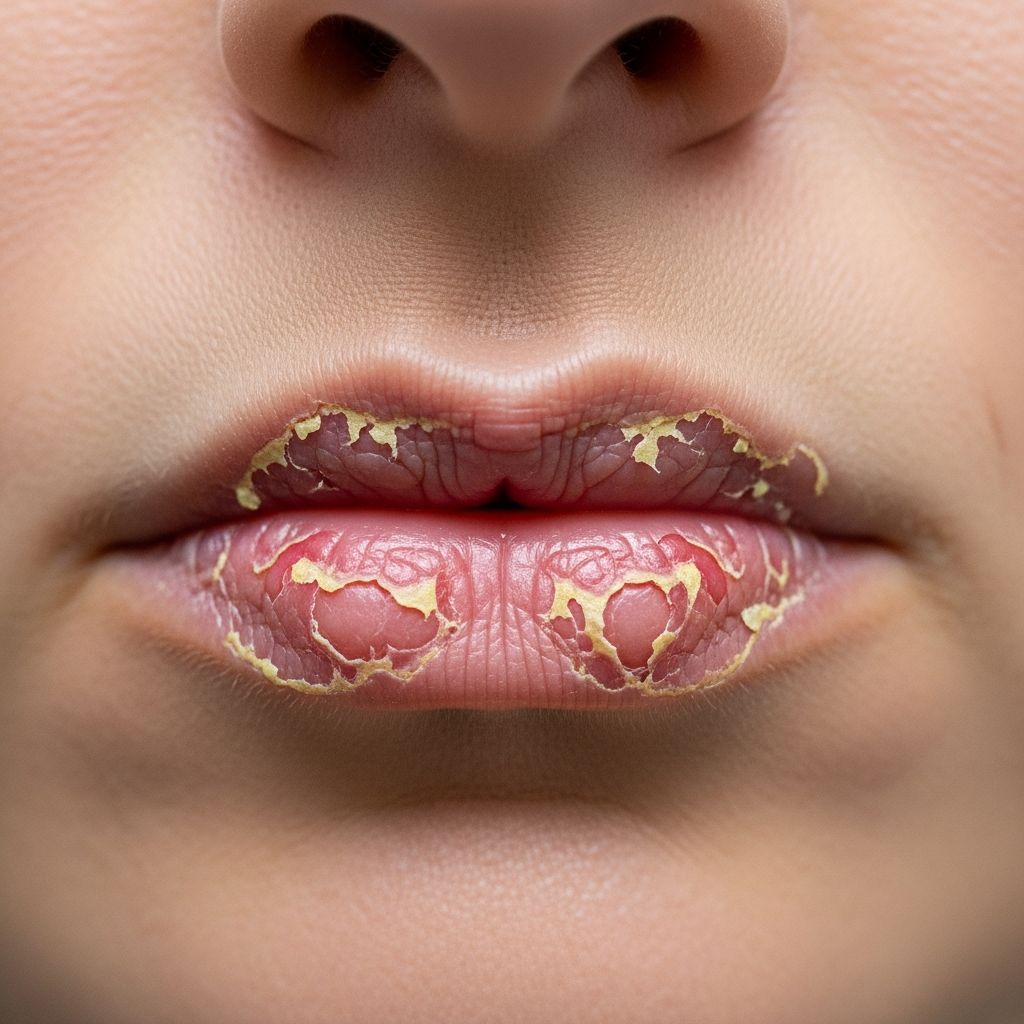
Angular Cheilitis: Understanding Mouth Corner Inflammation
Angular cheilitis, also known as perleche or angular stomatitis, is a common inflammatory condition that affects the corners of your mouth where your upper and lower lips meet at an angle. This non-contagious condition causes discomfort, redness, and visible damage to the delicate skin in these areas. While often benign, angular cheilitis can significantly impact daily activities including eating, speaking, and smiling. Understanding the causes, symptoms, and treatment options is essential for managing this condition effectively and preventing recurrence.
What Is Angular Cheilitis?
Angular cheilitis is characterized by inflammation and irritation at the oral commissures—the angles where your lips meet. This condition presents with several distinctive features that help medical professionals identify it quickly:
– Redness and swelling at one or both corners of the mouth- Painful cracks or fissures that may bleed- Crusting or scabbing of the affected areas- Itching or burning sensations- In cases of skin of color, the affected areas might appear lighter with darker borders
The condition typically starts with pinkish patches at the corners of the mouth and may progress to deeper lesions if left untreated. Moisture gradually wears away the top layer of skin, causing more severe cracking and discomfort. Severe cases can develop into splits that bleed, though permanent scarring is rare.
Causes of Angular Cheilitis
Angular cheilitis develops from multiple overlapping factors. Understanding these causes is crucial for effective treatment and prevention:
Fungal and Bacterial Infections
The most common cause of angular cheilitis is a fungal infection, particularly Candida albicans. This yeast thrives in warm, moist environments created by saliva accumulation at the mouth corners. Bacterial infections, including Staphylococcus aureus, can also contribute to angular cheilitis. Additionally, the condition frequently develops as a secondary infection following antibiotic use, which disrupts normal oral flora.
Mechanical Factors
Physical and mechanical issues play a significant role in angular cheilitis development:
– Ill-fitting dentures that create excessive moisture pooling- Orthodontic appliances that trap saliva- Excessive drooling or saliva pooling, particularly in edentulous patients- Skin laxity or sagging around the mouth corners- Repetitive lip licking or habits that worsen moisture accumulation
Nutritional Deficiencies
Inadequate nutrition weakens your skin’s natural defenses and increases susceptibility to angular cheilitis. Key deficiencies include:
– Vitamin B2 (riboflavin) deficiency- Vitamin B3 (niacin) deficiency- Vitamin B12 deficiency- Iron deficiency- Zinc deficiency
These vitamins and minerals are essential for maintaining healthy skin barrier function and supporting immune response.
Other Contributing Factors
Several additional factors can increase your risk of developing angular cheilitis, including dehydration, dry climate conditions, sun exposure, and certain medications. Systemic conditions like diabetes, HIV, and lupus may also predispose individuals to this condition.
Symptoms and Presentation
Angular cheilitis symptoms vary depending on severity and individual factors. Early recognition helps prevent progression:
Related Stories



– Mild cases: Pinkish patches or slight dryness at mouth corners- Moderate cases: Visible cracks, crustiness, bleeding, and scaling- Severe cases: Deep fissures, blistering, and significant pain- Associated symptoms: Itching, burning sensation, and difficulty with facial movements
Symptoms may affect one corner of your mouth or both simultaneously. The discomfort can interfere with eating, speaking, and facial expressions, impacting your quality of life.
Diagnosis of Angular Cheilitis
Clinical Examination
Diagnosis is primarily clinical, based on the characteristic presentation of erythema, fissures, and discomfort at the oral commissures. Your healthcare provider will examine the affected area closely, looking for specific signs including redness, swelling, cracks, blisters, and scaling patterns.
Medical and Dental History
A thorough history is essential to identify underlying causes. Your doctor will ask about:
– Recent changes in dentures or orthodontic appliances- Dietary habits and potential nutritional deficiencies- Systemic illnesses or immune conditions- Current medications, especially antibiotics- Oral hygiene practices- Habits like lip licking or drooling
Diagnostic Tests
Additional testing may be recommended to confirm the diagnosis and identify specific causative agents:
–
Microscopy or culture
: Scraping lesions for fungal or bacterial cultures to confirm infectious agents-Blood tests
: Assessing for deficiencies in iron, B vitamins, or zinc-Systemic screening
: Tests to rule out underlying conditions like HIV or lupus if suspectedSkin biopsy is rarely necessary for angular cheilitis diagnosis, as the clinical presentation is typically distinctive enough for accurate identification.
Treatment Options for Angular Cheilitis
Topical Therapies
Antifungal Treatments: For Candida-related cases, antifungal creams are highly effective. Common options include clotrimazole (Lotrimin), miconazole (Monistat), and nystatin. These medications target the fungal infection causing inflammation and discomfort.
Antibacterial Treatments: When bacterial involvement is suspected, mupirocin or fusidic acid may be prescribed. These medications eliminate bacterial infections contributing to the condition.
Combination Therapies: Products containing both antifungal and antibacterial agents address mixed infections effectively, particularly when both fungal and bacterial organisms are present.
Moisturizing Agents: Petrolatum ointment serves as a protective barrier, preventing moisture accumulation while allowing the skin to heal. For inflammatory cases, topical steroids like hydrocortisone 1% ointment may reduce inflammation and discomfort.
Addressing Underlying Causes
Effective treatment requires addressing root causes:
–
Nutritional supplementation
: Correcting deficiencies in iron, B vitamins, or zinc through dietary changes or supplements-Denture adjustment
: Ensuring proper fit and regular cleaning of dentures to prevent moisture pooling-Appliance modification
: Adjusting orthodontic devices that create moisture accumulation-Saliva management
: Recommending barrier creams and lifestyle modifications to reduce excess moistureLifestyle Modifications
Behavioral changes significantly contribute to healing and prevention:
– Avoiding lip licking and excessive use of lip balms- Maintaining excellent oral hygiene practices- Staying adequately hydrated throughout the day- Using humidifiers during dry seasons- Applying extra virgin olive oil as a natural alternative therapy- Protecting lips from sun exposure
Severe or Recurrent Cases
For persistent or recurrent angular cheilitis resistant to standard treatment, additional interventions may be necessary:
– Referral to specialists such as dermatologists or infectious disease experts- Systemic antifungal medications like fluconazole for extensive fungal infections- Investigation and management of underlying systemic conditions like diabetes or HIV- Extended treatment periods and more aggressive therapeutic approaches
Treatment Timeline and Recovery
Angular cheilitis typically responds well to appropriate treatment. Most cases show improvement within the first few days of therapy, with complete resolution occurring within two weeks. However, severe cases may require longer treatment periods. It’s important to note that angular cheilitis can recur even after successful treatment, particularly in individuals with non-modifiable risk factors or persistent predisposing conditions.
Prevention Strategies
Preventing angular cheilitis involves addressing modifiable risk factors and maintaining optimal oral health:
– Ensuring dentures fit properly and are regularly cleaned and maintained- Using humidifiers during dry weather to maintain adequate moisture levels- Maintaining a balanced diet rich in B vitamins, iron, and zinc- Encouraging regular dental check-ups to monitor oral health- Avoiding habits like lip licking and excessive drooling- Staying hydrated by drinking adequate water daily- Using lip protection products during sun exposure- Managing systemic conditions that may contribute to angular cheilitis
Angular Cheilitis in Special Populations
During Pregnancy
Pregnant individuals may experience angular cheilitis due to hormonal changes, increased risk of Candida overgrowth, and potential nutritional deficiencies. Maintaining optimal oral health during pregnancy is essential. Treatment options remain similar to non-pregnant individuals, though healthcare providers should be consulted before starting any medications.
While Taking Accutane
Accutane and similar medications cause severe dryness of lips and skin, significantly increasing angular cheilitis risk. Patients on these medications should be educated about the importance of consistent moisturizing, using barrier protection like petroleum jelly, and avoiding irritants that exacerbate dryness. Antifungal or antibacterial treatments may be necessary when symptoms develop, managed carefully in coordination with dermatologists.
Frequently Asked Questions
How long does angular cheilitis last?
With appropriate treatment, angular cheilitis typically resolves within two weeks. Some cases may show improvement within a few days of starting treatment. However, severe cases may take longer to heal completely. Without treatment, the condition may persist or worsen over time.
Is angular cheilitis contagious?
No, angular cheilitis is not contagious. While it may involve fungal or bacterial infections, it cannot be transmitted from person to person through contact or saliva.
What is the best over-the-counter treatment?
Many dermatologists recommend miconazole (Monistat) or clotrimazole (Lotrimin) for over-the-counter antifungal treatment. Petrolatum ointment and extra virgin olive oil also provide effective symptom relief and promote healing for many individuals.
Can angular cheilitis cause permanent damage?
Permanent scarring or pigmentation changes are rare with angular cheilitis. However, untreated severe cases may result in deeper tissue damage. Early treatment typically prevents permanent complications and ensures optimal healing.
Why does angular cheilitis keep coming back?
Recurrence is common, especially in individuals with non-modifiable risk factors such as denture wearers, those with nutritional deficiencies, or people with systemic conditions. Addressing underlying causes and maintaining preventive measures help reduce recurrence frequency.
Should I use acyclovir for angular cheilitis?
Acyclovir is an antiviral medication primarily used for herpes simplex virus infections. Since angular cheilitis is typically caused by fungal or bacterial infections rather than viral infection, acyclovir is not an appropriate treatment. Antifungal or antibacterial medications are more effective for this condition.
When to See a Healthcare Provider
Consult a healthcare provider if angular cheilitis symptoms persist beyond two weeks despite self-care efforts, if symptoms worsen or spread, if you experience severe pain or bleeding, or if you have recurrent episodes. Additionally, individuals with weakened immune systems, systemic conditions, or those taking immunosuppressant medications should seek professional evaluation.
Conclusion
Angular cheilitis, though often benign, can significantly impact comfort and quality of life when left untreated. This common condition responds well to appropriate treatment targeting both symptoms and underlying causes. By recognizing symptoms early, identifying contributing factors, and implementing effective treatment strategies, most cases resolve completely within two weeks. Prevention through proper denture care, nutritional adequacy, oral hygiene, and management of systemic conditions helps reduce recurrence risk. If home remedies and over-the-counter treatments don’t resolve your angular cheilitis, consult a healthcare provider for professional evaluation and personalized treatment recommendations.
References
- Angular Cheilitis — Cleveland Clinic. 2024. https://my.clevelandclinic.org/health/diseases/21470-angular-cheilitis
- Angular Cheilitis: Symptoms, Causes, and Management with Images — DermNet NZ. 2024. https://dermnetnz.org/topics/angular-cheilitis
- Angular Cheilitis: What to Know — WebMD. 2024. https://www.webmd.com/oral-health/angular-cheilitis
- Understanding Angular Cheilitis: A Guide for Dentists — DentalRx. 2025. https://dentalrx.ca/articles/how-to-treat-angular-cheilitis
- Causes of Cracked Mouth Corners — U.S. Dermatology Partners. 2024. https://www.usdermatologypartners.com/press-media/whats-with-the-dry-cracked-corners-of-your-mouth-dermatologists-explain/
- Chapped Lips (Cheilitis): Causes, Treatment & Prevention — Cleveland Clinic. 2024. https://my.clevelandclinic.org/health/diseases/22005-chapped-lips
- Stomatitis (Oral Mucositis): Types, Symptoms & Treatment — Cleveland Clinic. 2024. https://my.clevelandclinic.org/health/diseases/stomatitis-oral-mucositis
Similar Articles








Read full bio of Sneha Tete