Anhedonia: Causes, Symptoms, and Treatment
Understanding anhedonia: its impact, causes, symptoms, and effective treatments for better mental health.
What Is Anhedonia?
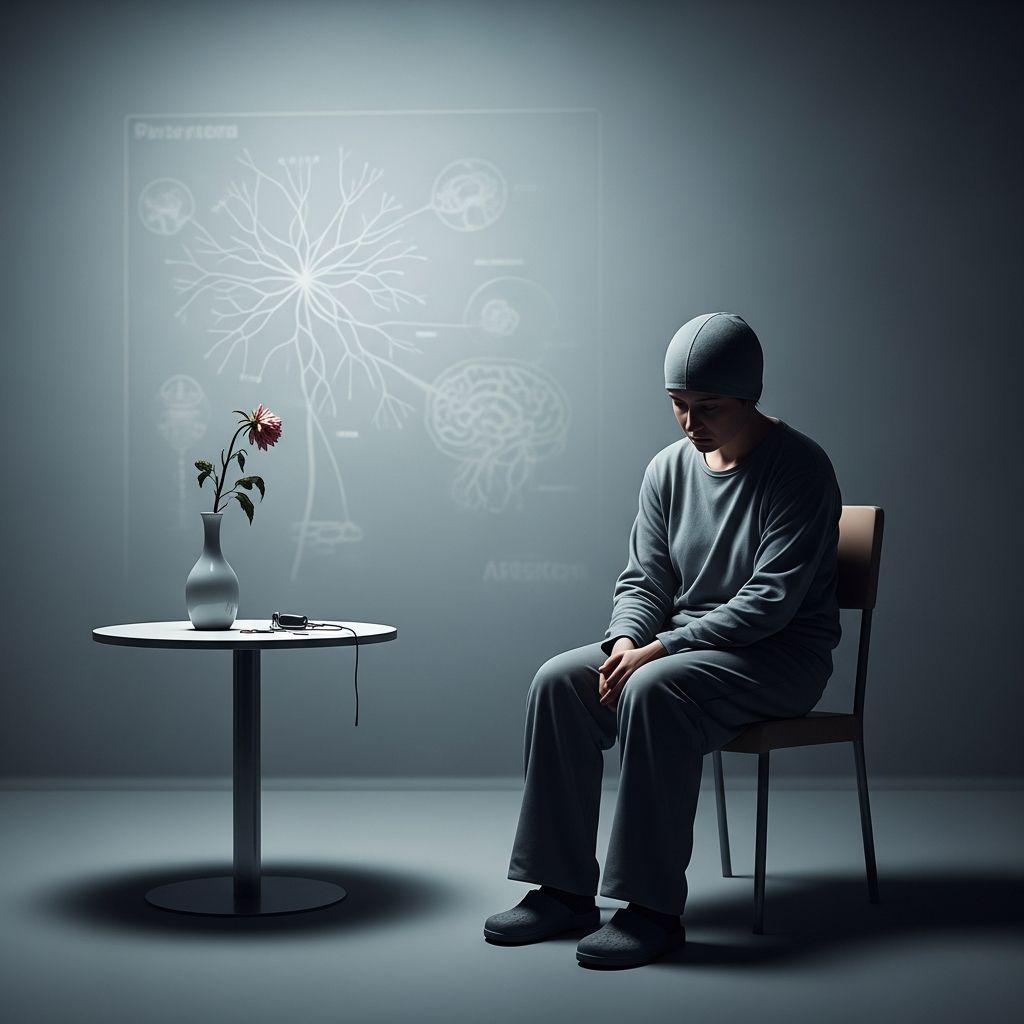
Anhedonia is the inability to experience pleasure or joy from activities that were once enjoyable. It is a core symptom of several mental health disorders, most notably depression and schizophrenia. Unlike simple sadness or apathy, anhedonia specifically refers to a diminished capacity to feel pleasure, even in situations that would typically bring happiness or satisfaction.
Types of Anhedonia
Anhedonia can manifest in different ways, depending on the context and the individual. The two main types are:
- Social anhedonia: Reduced pleasure from social interactions, such as spending time with friends or family.
- Physical anhedonia: Reduced pleasure from physical activities, such as eating, sex, or exercise.
Some individuals may experience both types, while others may only notice one.
Causes of Anhedonia
Anhedonia is not a standalone condition but rather a symptom of underlying mental health issues. Common causes include:
- Depression: Major depressive disorder is the most common cause of anhedonia. People with depression often lose interest in activities they once enjoyed.
- Schizophrenia: Anhedonia is a hallmark symptom of schizophrenia, particularly in the form of reduced motivation and pleasure in social and physical activities.
- Substance use disorders: Anhedonia is frequently present during withdrawal from drugs or alcohol, as the brain’s reward system is disrupted.
- Neurodevelopmental disorders: Conditions like autism spectrum disorder may also be associated with anhedonia.
- Trauma or stress: Severe or prolonged stress, or traumatic events, can trigger anhedonia in some individuals.
Neurobiology of Anhedonia
Research has shown that anhedonia is linked to changes in brain activity, particularly in the reward system. Key findings include:
- Reduced activity in the ventral striatum, a brain region involved in processing rewards.
- Lower levels of dopamine, a neurotransmitter associated with pleasure and motivation.
- Altered activity in the prefrontal cortex, which is involved in planning and decision-making.
- Changes in the amygdala and anterior cingulate cortex, which are involved in emotion processing.
These changes can disrupt the brain’s ability to experience pleasure and motivation, leading to the symptoms of anhedonia.
Symptoms of Anhedonia
Anhedonia can affect many areas of life. Common symptoms include:
- Loss of interest in hobbies or activities once enjoyed.
- Feeling emotionally numb or detached.
- Reduced pleasure from social interactions.
- Decreased motivation to engage in daily tasks.
- Feeling empty, sad, or bored.
- Withdrawal from relationships or social settings.
- Negative outlook on life.
It is important to note that anhedonia is not the same as sadness, apathy, or laziness. While these conditions may involve a lack of energy or motivation, anhedonia specifically refers to an inability to feel pleasure.
Diagnosis of Anhedonia
Anhedonia is typically diagnosed as part of a broader mental health evaluation. Clinicians may use the following methods:
- Clinical interviews: Talking with a mental health professional about symptoms and experiences.
- Questionnaires: Standardized tools to assess the severity of anhedonia and related symptoms.
- Observation: Noting changes in behavior, mood, and social functioning.
Related Stories



Because anhedonia is a symptom of other conditions, a thorough evaluation is necessary to determine the underlying cause.
Treatment for Anhedonia
Treatment for anhedonia depends on the underlying cause. Common approaches include:
- Psychotherapy: Cognitive-behavioral therapy (CBT) and other forms of talk therapy can help individuals identify and change negative thought patterns and behaviors.
- Medication: Antidepressants, antipsychotics, and other medications may be prescribed to address the underlying mental health condition.
- Lifestyle changes: Regular exercise, a healthy diet, and social support can improve mood and motivation.
- Behavioral activation: Encouraging engagement in pleasurable activities, even if they do not initially bring pleasure.
- Psychedelic-assisted therapy: Emerging research suggests that psychedelic-assisted therapy, such as MDMA-assisted therapy, may be effective for some individuals with treatment-resistant anhedonia.
Treatment is often individualized, as the causes and symptoms of anhedonia can vary widely.
Living with Anhedonia
Anhedonia can be a challenging and distressing experience. It may lead to feelings of isolation, frustration, and hopelessness. However, with proper treatment and support, many people are able to manage their symptoms and improve their quality of life. Strategies for coping include:
- Seeking professional help.
- Staying connected with friends and family.
- Engaging in activities, even if they do not bring immediate pleasure.
- Practicing self-compassion and patience.
Frequently Asked Questions (FAQs)
Q: Is anhedonia the same as depression?
A: No, anhedonia is a symptom of depression, but it can also occur in other mental health conditions. Depression involves a range of symptoms, including sadness, hopelessness, and changes in sleep and appetite, while anhedonia specifically refers to a loss of pleasure.
Q: Can anhedonia be treated?
A: Yes, anhedonia can be treated with psychotherapy, medication, lifestyle changes, and other interventions. The effectiveness of treatment depends on the underlying cause and the individual.
Q: Is anhedonia a side effect of antidepressants?
A: Some people report emotional blunting or anhedonia as a side effect of antidepressant medications. If this occurs, it is important to discuss it with a healthcare provider, as adjustments to medication or treatment may be needed.
Q: How long does anhedonia last?
A: The duration of anhedonia varies depending on the cause and treatment. In some cases, it may resolve with treatment of the underlying condition. In others, it may persist for longer periods.
Q: Can anhedonia be prevented?
A: There is no guaranteed way to prevent anhedonia, but maintaining good mental health, managing stress, and seeking help early for mental health concerns may reduce the risk.
References
- Anhedonia: Definition, Causes, and Treatment — Seattle Anxiety Specialists. 2023. https://seattleanxiety.com/anhedonia
- Anhedonia as a Key Clinical Feature in the Maintenance and Treatment of Opioid Use Disorder — PMC. 2020. https://pmc.ncbi.nlm.nih.gov/articles/PMC7009780/
- The Conundrum of Antidepressant-Induced Anhedonia: A Blended Perspective — Sage Journals. 2025. https://journals.sagepub.com/doi/10.1177/23743735251346666
Similar Articles








Read full bio of medha deb