Anhidrosis: Symptoms, Causes & Treatment Guide
Complete guide to anhidrosis: understanding symptoms, causes, diagnosis, and treatment options for abnormal sweating.
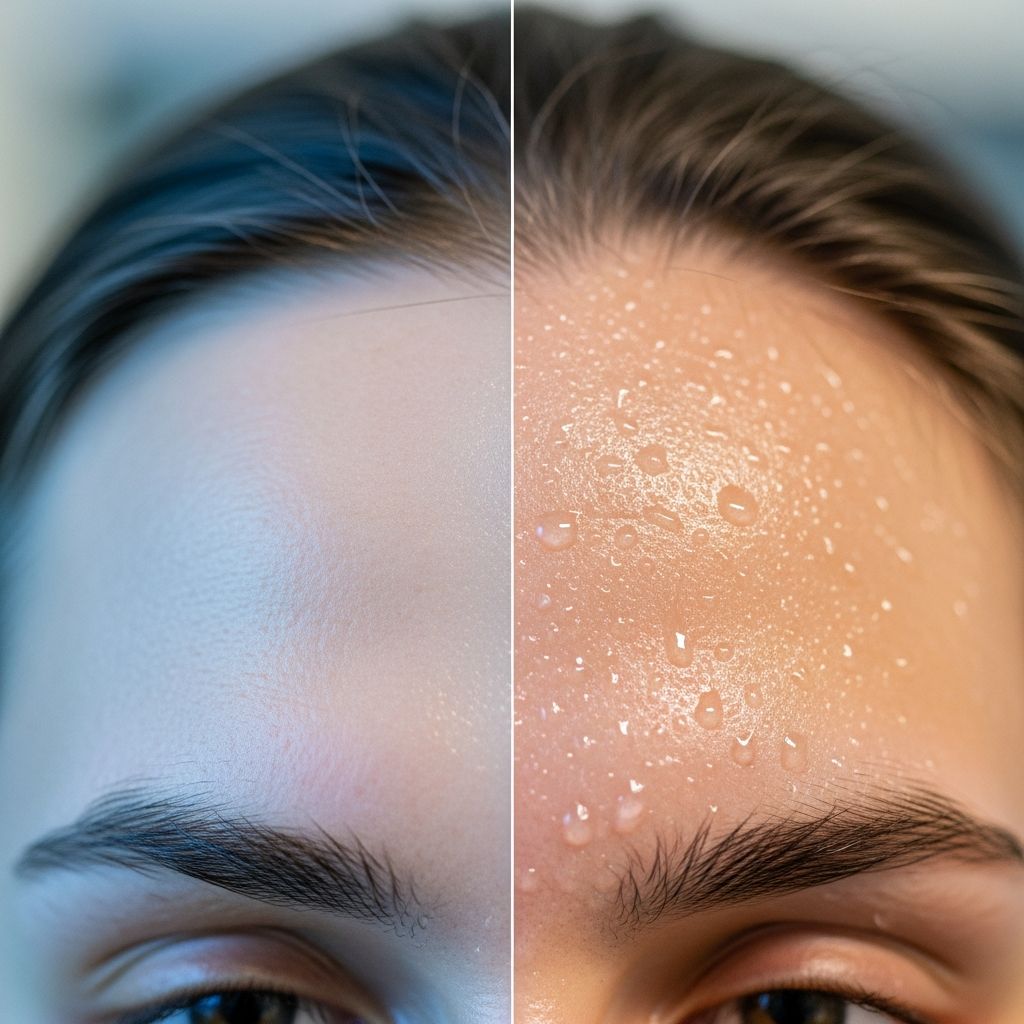
Understanding Anhidrosis: When Your Body Can’t Cool Itself
Anhidrosis is a medical condition in which your sweat glands fail to function properly, preventing your body from producing adequate sweat to remove heat and cool itself down. This condition can range from affecting specific areas of your body (localized anhidrosis) to involving most or all of your body (generalized anhidrosis). While not sweating might seem advantageous in certain situations, anhidrosis represents a serious health concern that can lead to dangerous and potentially life-threatening complications.
Sweating is one of your body’s most critical cooling mechanisms. When your core body temperature rises, your sweat glands are activated to produce perspiration, which evaporates from your skin and helps regulate your temperature. Without this vital function, heat accumulates in your body, potentially leading to heat exhaustion, heatstroke, and other severe heat-related illnesses.
If you notice that you don’t sweat at all or produce very little sweat during hot weather or physical activities that normally trigger sweating, it’s essential to consult with your healthcare provider. Early recognition and diagnosis of anhidrosis can help prevent serious complications and allow for appropriate management strategies.
Signs and Symptoms of Anhidrosis
The primary symptom of anhidrosis is the obvious lack of sweating or significantly reduced sweating, even in situations where your body would normally perspire. However, the presentation of this condition varies depending on its extent and underlying cause.
Common signs and symptoms include:
– Inability to sweat in specific areas of your body or across your entire body- Lack of perspiration during or after physical exercise- No sweating response to hot weather or heated environments- Dry skin in affected areas- Excessive sweating in compensatory areas (as your body attempts to cool itself through other regions)- Flushed or red skin- Dizziness or lightheadedness- Rapid or pounding heartbeat- Muscle cramps or weakness- Nausea and general discomfort- Fatigue or exhaustion in heat
One interesting pattern of anhidrosis is compensatory sweating. If your anhidrosis only affects certain body areas, you might notice excessive sweating from the parts that still function normally. For example, if your legs and trunk cannot sweat, your face and neck might produce heavy perspiration in an attempt to compensate for the deficit. While this compensatory mechanism shows your body is trying to cool itself, it’s usually not sufficient to prevent heat buildup.
Causes of Anhidrosis
Anhidrosis can be either congenital (present from birth) or acquired (developed later in life). Understanding the underlying cause is crucial for determining treatment options and managing the condition effectively.
Medication-Related Causes
Many medications interfere with sweat gland function, making drug-related causes one of the most common reasons for anhidrosis. Anticholinergic medications are particularly notorious for reducing sweating. These include:
– Glycopyrrolate (Cuvposa®, Robinul®)- Doxepin (Silenor®, Zonalon®)- Atropine (Atropen®)- Cyproheptadine- Hyoscyamine (Levsin/SL®, Hyosyne®)
Other drug classes that can cause anhidrosis include certain antihistamines, antidepressants, and medications used to treat various conditions. If you suspect your medication is causing anhidrosis, never stop taking it without consulting your healthcare provider first.
Related Stories



Neurological and Medical Conditions
Several medical conditions can damage the nerves that control your sweat glands or affect the sweat glands themselves. These include:
– Diabetes (particularly when it causes diabetic neuropathy)- Spinal cord injuries that interrupt nerve pathways from the brain to sweat glands below the injury level- Alcoholism and chronic heavy alcohol use, which can lead to alcoholic neuropathy- Autoimmune neuropathies such as Guillain-Barré syndrome or Sjögren’s syndrome- Radiation therapy- Previous heatstroke episodes- Certain skin conditions- Genetic disorders affecting sweat gland development, such as ectodermal dysplasia
Genetic and Congenital Factors
Some individuals are born with anhidrosis or predisposition to develop it. Congenital conditions like congenital insensitivity to pain with anhidrosis (CIPA) are rare hereditary disorders that combine the inability to feel pain and temperature sensation with decreased or absent sweating. Genetic disorders affecting sweat gland development can also result in lifelong anhidrosis.
Age-Related Factors
As people age, sweat gland function naturally declines. Older individuals may experience reduced sweating capacity, making them more vulnerable to heat-related illnesses. Additionally, severe skin injuries such as deep burns can damage sweat glands in the affected areas, resulting in permanent or long-term anhidrosis in those specific locations.
Diagnosis of Anhidrosis
Diagnosing anhidrosis typically involves a combination of clinical evaluation and specialized testing. Your healthcare provider will begin by asking detailed questions about your inability to sweat and other symptoms you experience.
The Sweat Test
The primary diagnostic tool for anhidrosis is the sweat test. During this procedure, your body is coated with a special powder that changes color in areas where you perspire. You’re then moved into a heated chamber designed to make you perspire. This test helps identify which parts of your body can sweat and which areas show anhidrosis, providing a clear map of the condition’s distribution.
Additional Diagnostic Tests
Your healthcare provider may recommend additional tests depending on the suspected underlying cause:
– Skin Biopsy: This procedure examines nerve fiber to determine if nerve damage is causing anhidrosis- Blood Tests: To check for underlying conditions like diabetes or autoimmune disorders- Imaging Studies: If spinal cord injury or central nervous system involvement is suspected- Medical History Review: Careful examination of medications, previous illnesses, and family history of anhidrosis
Treatment Options for Anhidrosis
Treatment for anhidrosis focuses on two primary goals: addressing the underlying cause when possible and preventing dangerous overheating. The specific approach depends on what’s causing your anhidrosis.
Treating the Underlying Cause
If anhidrosis is caused by a medication, it may be reversible by stopping or changing the drug under your healthcare provider’s supervision. If a treatable medical condition is causing your anhidrosis, such as poorly controlled diabetes, managing that condition effectively may help restore or improve sweat function and prevent neuropathy from worsening.
For anhidrosis resulting from spinal cord injuries or severe nerve damage, treatment focuses on preventing complications rather than restoring sweat function, as these conditions are typically irreversible.
Lifestyle Modifications and Cooling Strategies
Since there’s often no way to fix damaged sweat glands or nerves directly, managing anhidrosis requires significant lifestyle adjustments, particularly in warm weather:
– Stay in Cool Environments: Air conditioning is your most effective tool. During hot seasons, spend the hottest parts of the day indoors in climate-controlled spaces- Avoid Strenuous Activity in Heat: Exercise in air-conditioned facilities or during the coolest times of day (early morning or late evening)- Stay Hydrated: Drink plenty of cool water consistently to help your body manage temperature, even without sweating- Wear Appropriate Clothing: Choose loose, lightweight, and breathable fabrics that allow air circulation- Be Prepared: Always carry water bottles and cooling supplies when venturing into warm weather- Use Cooling Devices: Utilize cooling vests, fans, or spray bottles to help lower body temperature when needed
Managing Acute Overheating Episodes
If you experience symptoms of overheating, immediate action is necessary:
– Exit the Heat Immediately: Move to a shaded area or indoors, preferably with air-conditioning- Loosen Your Clothing: Remove excess layers to facilitate heat loss- Apply Cool Compresses: Place cool, damp cloths on your body, particularly on your neck, wrists, and forehead- Hydrate: Drink cool water if you’re conscious and able to do so- Seek Medical Attention: If symptoms don’t improve as you cool down, or if you develop signs of heatstroke, call emergency services immediately
Potential Complications
Severe cases of anhidrosis where most or all of your body cannot sweat can result in serious heat-related illnesses that require immediate medical attention:
– Heat exhaustion- Heatstroke- Hyperthermia (dangerous elevation of body temperature)- Febrile seizures (particularly in congenital conditions like CIPA)- Organ damage from prolonged exposure to extreme heat
Seek immediate medical attention if you develop:
– Severe dizziness or confusion- Loss of consciousness- High fever (temperature above 103°F or 39.4°C)- Cessation of sweating combined with hot skin- Rapid, weak pulse- Nausea and vomiting- Muscle weakness or paralysis
Prognosis and Long-Term Outlook
Anhidrosis is usually a lifelong condition. However, your individual prognosis depends significantly on whether an underlying cause can be identified and whether that cause is treatable. If anhidrosis is caused by a medication, the condition is usually reversible when that medication is discontinued under medical supervision. If a treatable medical condition is causing your anhidrosis, addressing that condition may improve sweat function.
For congenital anhidrosis or cases where sweat glands or nerves are permanently damaged, the condition typically persists throughout life. However, with proper management strategies and awareness, individuals with anhidrosis can successfully prevent heat-related complications and maintain good quality of life.
Prevention Strategies
While anhidrosis itself cannot be prevented, you can take steps to reduce your risk of developing heat-related illnesses if you have this condition:
– Avoid prolonged exposure to hot environments- Plan outdoor activities during cooler times of day- Always carry sufficient water and cooling supplies- Wear light-colored, loose-fitting, breathable clothing- Use air-conditioned transportation and facilities- Monitor your body temperature regularly- Educate yourself and those around you about your condition- Maintain regular appointments with your healthcare provider- Keep a list of medications and discuss potential side effects related to sweating
When to See Your Healthcare Provider
Make an appointment with your healthcare provider if you notice you don’t sweat normally or experience unexplained symptoms of overheating. Discuss:
– When you first noticed reduced or absent sweating- Whether specific body areas are affected- Your activity level and heat exposure when symptoms occur- Any medications you’re taking- Recent illnesses or injuries- Family history of anhidrosis or related conditions- Any other symptoms accompanying your lack of sweating
Frequently Asked Questions About Anhidrosis
Q: Is anhidrosis dangerous?
A: Yes, anhidrosis can be serious and potentially life-threatening, especially severe cases affecting most of your body. Without proper sweat function, your body cannot cool itself effectively, risking dangerous heat-related illnesses like heatstroke.
Q: Can anhidrosis be cured?
A: The reversibility of anhidrosis depends on its cause. If caused by a medication, it’s usually reversible when the medication is stopped. If caused by a treatable condition, managing that condition may help. Congenital anhidrosis or cases involving permanent nerve or gland damage are typically not reversible.
Q: How is anhidrosis diagnosed?
A: Diagnosis typically involves a sweat test where your body is coated with special powder and placed in a heated chamber to observe where you do and don’t perspire. Your healthcare provider may also perform skin biopsies, blood tests, and imaging studies to identify underlying causes.
Q: What should I do if I feel signs of overheating?
A: Exit the heat immediately, move to a cool or air-conditioned area, loosen your clothing, apply cool damp cloths to your body, drink cool water, and seek medical attention if symptoms don’t improve quickly or if you develop signs of heatstroke.
Q: Can certain medications cause anhidrosis?
A: Yes, many medications can interfere with sweat gland function. Anticholinergic medications are the most common cause. Never stop medications without consulting your healthcare provider, as they may recommend adjusting your prescription instead.
Q: Can children have anhidrosis?
A: Yes, children can have congenital anhidrosis (present from birth) or develop acquired anhidrosis from various causes. Some genetic disorders affecting sweat glands manifest in infancy or childhood.
References
- Anhidrosis (Lack of Sweat): Symptoms, Causes & Treatment — Cleveland Clinic. 2024. https://my.clevelandclinic.org/health/diseases/15891-anhidrosis-lack-of-sweat
- Anhidrosis Symptoms, Doctors, Treatments, Advances & More — MediFind. 2024. https://www.medifind.com/conditions/anhidrosis/6399
- Why You Sweat and What It Says About Your Health — Cleveland Clinic Health. 2024. https://health.clevelandclinic.org/why-we-sweat
- Congenital Insensitivity to Pain with Anhidrosis — MedlinePlus Genetics, National Library of Medicine. 2024. https://medlineplus.gov/genetics/condition/congenital-insensitivity-to-pain-with-anhidrosis/
- Anhidrosis — StatPearls, National Center for Biotechnology Information. 2024. https://www.ncbi.nlm.nih.gov/books/NBK555988/
- Heat Stroke: Symptoms, Treatment & Recovery — Cleveland Clinic. 2024. https://my.clevelandclinic.org/health/diseases/21812-heatstroke
- Why Do We Sweat? — Cleveland Clinic. 2024. https://my.clevelandclinic.org/health/body/sweat
Similar Articles








Read full bio of Sneha Tete