Bites From Animals And Humans: 5 High-Risk Scenarios, First Aid
Learn essential steps to treat bites, prevent infections, and manage rabies risks from animals and humans effectively.
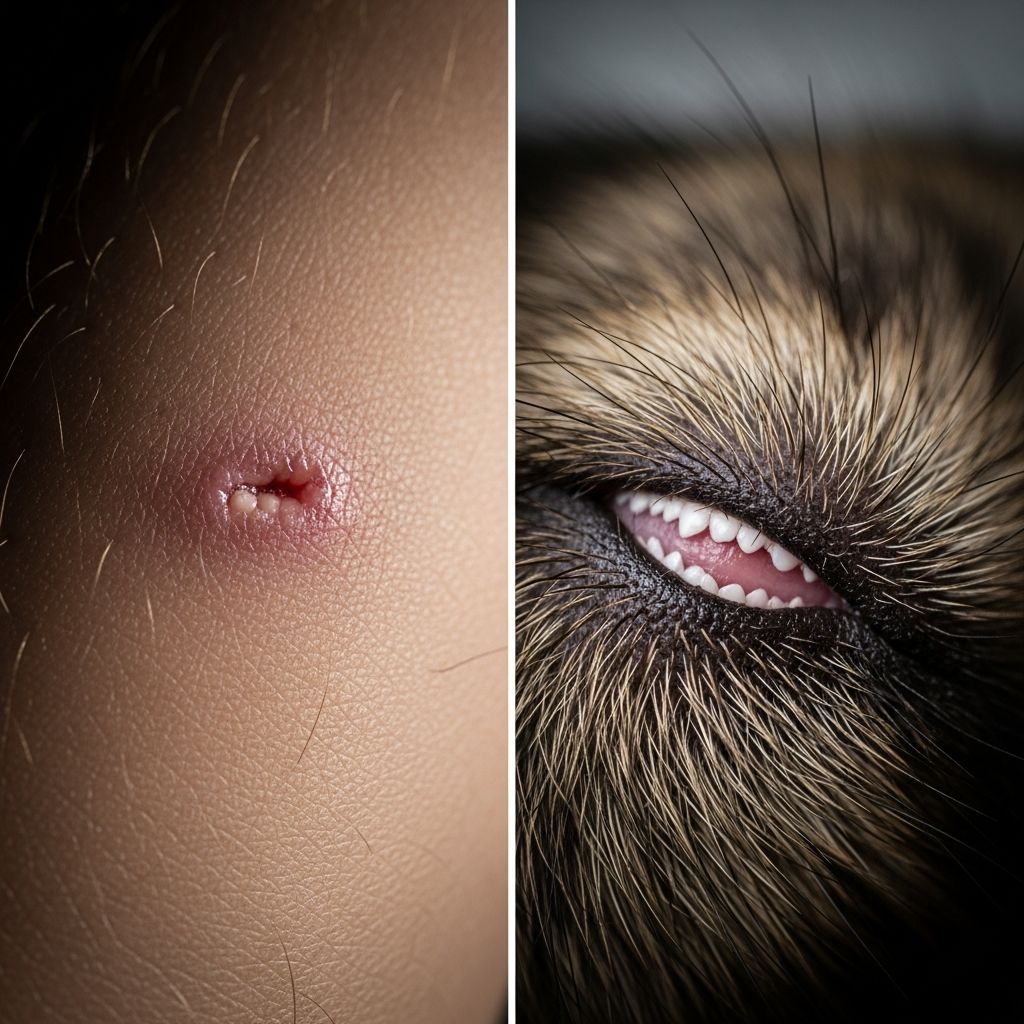
Bites from animals or humans can range from minor skin breaks to severe injuries requiring immediate medical intervention. Proper handling reduces risks of infection, tetanus, and diseases like rabies.
Understanding the Nature of Bite Injuries
Bite wounds often involve crushing, tearing, or puncturing of tissues due to the force applied by teeth. Dog bites, which account for 60-80% of cases, typically cause broader lacerations, while cat bites (20-30%) create deeper punctures that are harder to clean and more prone to infection. Human bites, comprising up to 20% of injuries in urban settings, introduce a diverse array of oral bacteria into the wound.
Children are frequent victims, with younger ones often bitten on the head or neck and older children on extremities. Severity varies: superficial scratches may need only basic care, but deep wounds can damage nerves, tendons, muscles, or even bone, leading to long-term functional issues.
Immediate First Aid for Bite Wounds
Swift action is critical to minimize complications. Start by washing the wound thoroughly with soap and running water for at least 15 minutes to remove debris and bacteria. Avoid using tourniquets, cutting the wound, or applying pressure that could worsen tissue damage.
- Control bleeding: Apply gentle pressure with a clean cloth.
- Apply antibiotic ointment: Use over-the-counter options after cleaning and cover with a sterile bandage.
- Immobilize the area: Elevate if possible and keep still to reduce swelling.
Do not attempt to close the wound yourself unless it’s minor; medical evaluation is essential for punctures, especially from cats.
Assessing Risks and Complications
Bites carry multiple dangers beyond the initial trauma. Infections develop in 10-50% of cases if untreated, starting with redness, swelling, pain, and pus within hours to days.
| Risk Factor | Examples | Implications |
|---|---|---|
| Patient Conditions | Diabetes, immunosuppression, asplenia, age <2, prosthetic valves | Higher infection and sepsis risk |
| Bite Type | Cat punctures, human bites, hand/face locations | Deep penetration of bacteria, poor drainage |
| Pathogens | Pasteurella (cats/dogs), Capnocytophaga, oral flora (humans) | Cellulitis, abscess, sepsis, gangrene |
Systemic issues like sepsis from Capnocytophaga canimorsus can lead to organ failure, particularly in at-risk individuals. Rare but severe outcomes include osteomyelitis, endocarditis, or meningitis.
High-Risk Scenarios Requiring Urgent Care
Seek medical help immediately for:
- Bites to hands, feet, face, joints, or genitals due to infection spread risk.
- Deep punctures, crush injuries, or those with foreign material.
- Signs of infection: fever, increasing pain, red streaks, or pus.
- Impaired circulation, nerve damage, or heavy bleeding.
- Any human bite, as they harbor complex bacteria like Eikenella.
Head and neck bites in children or facial bites in anyone demand priority due to cosmetic and rabies concerns.
Medical Evaluation and Diagnostic Steps
Healthcare providers perform a thorough exam checking for shock, wound depth, neurovascular status, and joint involvement. Lab tests may include blood counts, CRP, cultures, and imaging for deeper injuries.
Related Stories



Examine the animal if possible: confine dogs/cats for 10-day observation; test wild animals for rabies. For humans, note circumstances like clenched-fist injuries from fights, which often infect joints.
Antibiotic Therapy and Prophylaxis
Prophylactic antibiotics are advised for high-risk bites: deep wounds, critical sites, or vulnerable patients, typically for 3-5 days. Common regimens target Pasteurella, anaerobes, and streptococci; amoxicillin-clavulanate is first-line.
Delay >24 hours without infection signs may not require antibiotics. Treat established infections longer, guided by cultures.
Tetanus and Rabies Prevention
Update tetanus vaccination: booster if >5 years since last dose for dirty wounds. Rabies post-exposure prophylaxis (PEP) depends on animal type, location, and status.
- Domestic dogs/cats: Observe 10 days; PEP if signs appear.
- Wild bats, raccoons, foxes: Immediate PEP with vaccine and immunoglobulin.
- High-risk areas: Consult local health authorities.
Cleanse wounds promptly to lower rabies transmission via saliva.
Surgical Management of Severe Bites
High-risk wounds need debridement to remove devitalized tissue and bacteria. Delay primary closure; use delayed closure or grafts for extensive damage. Hands and face benefit from specialist input to preserve function and appearance.
Special Considerations for Vulnerable Groups
Immunocompromised individuals face amplified risks; aggressive prophylaxis is key. Elderly, diabetics, or asplenic patients may progress rapidly to sepsis. Pediatric cases require gentle handling and parental education on monitoring.
Exotic pets like rodents carry unique pathogens but low rabies risk.
Preventing Bites in Daily Life
Avoid interactions with unknown animals; supervise children and pets. Train dogs to reduce aggression. For humans, de-escalate conflicts. Wear gloves handling strays.
Frequently Asked Questions (FAQs)
Do all animal bites need antibiotics?
No, but high-risk ones like cat punctures or hand bites do. Consult a doctor.
How soon do bite infections appear?
Typically 8 hours to 3 days; watch for redness and pain.
Is rabies common from pet bites?
Rare in vaccinated pets; observe for 10 days.
What if a human bites me?
Treat as high-infection risk; seek care promptly.
Can bites cause long-term damage?
Yes, if nerves or joints are involved; early surgery helps.
Monitoring and Follow-Up Care
Check wounds daily for infection. Return if worsening. Full healing may take weeks; physical therapy aids recovery.
References
- Animal and Human Bite Wounds — PMC / Deutsches Ärzteblatt International. 2015-08-28. https://pmc.ncbi.nlm.nih.gov/articles/PMC4558873/
- Management of Bites to Humans Animal Bites and Rabies Risk — Minnesota Department of Health. Accessed 2026. https://www.health.state.mn.us/diseases/rabies/risk/human.html
- Animal bites — World Health Organization. 2023-09-28. https://www.who.int/news-room/fact-sheets/detail/animal-bites
- Zoonotic Exposures: Bites, Scratches, and Other Hazards — CDC Yellow Book. 2024. https://www.cdc.gov/yellow-book/hcp/environmental-hazards-risks/zoonotic-exposures.html
- Animal or Human Bite — Seattle Children’s Hospital. Accessed 2026. https://www.seattlechildrens.org/conditions/a-z/animal-or-human-bite/
- Animal and Human Bites Information & Treatment — Columbia Doctors. Accessed 2026. https://www.columbiadoctors.org/health-library/symptom/animal-human-bites/
- Animal bites: First aid — Mayo Clinic. Accessed 2026. https://www.mayoclinic.org/first-aid/first-aid-animal-bites/basics/art-20056591
Similar Articles








Read full bio of medha deb