Animal Bites and Rabies: Prevention and Treatment
Understanding animal bites, rabies transmission, and essential post-exposure prophylaxis protocols.
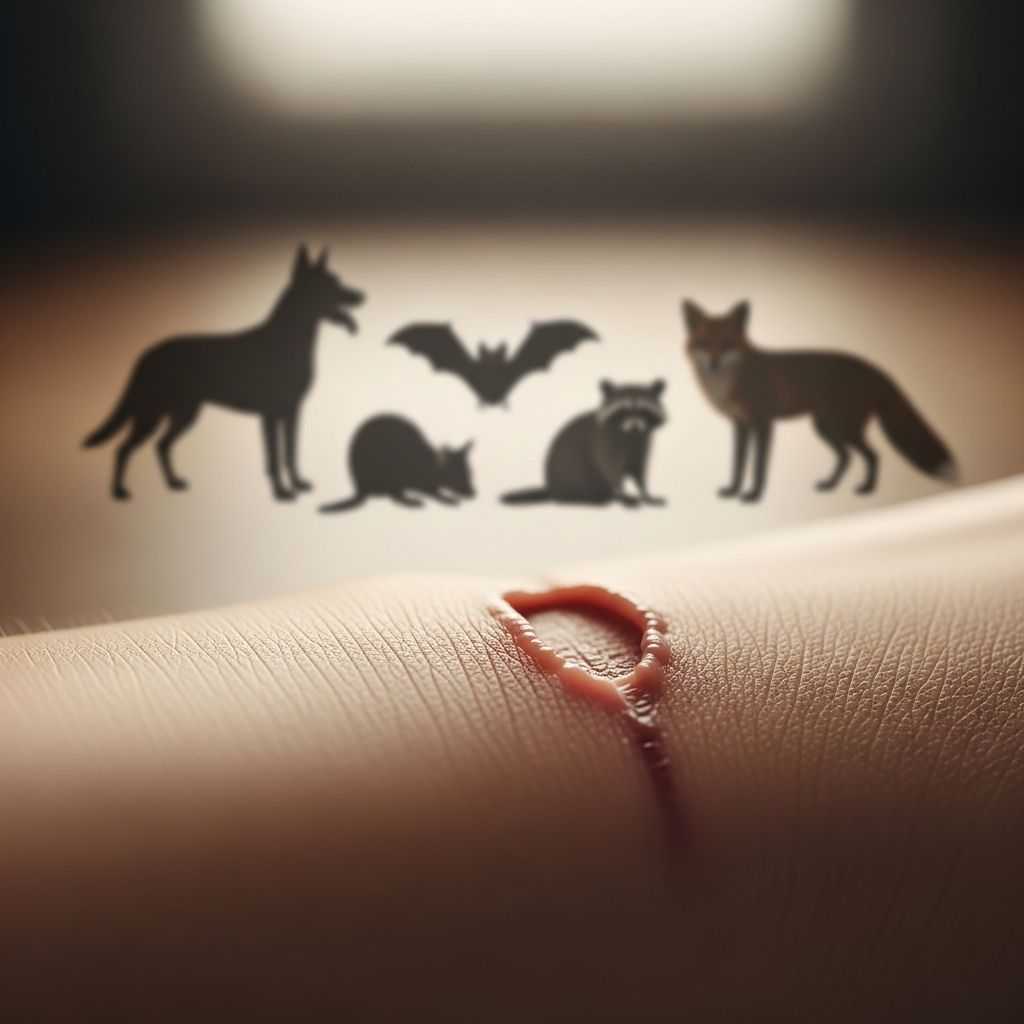
Animal Bites and Rabies
Animal bites represent a significant public health concern worldwide, with millions of incidents occurring annually. While most animal bites result in minor injuries, they carry the potential risk of serious infections and life-threatening diseases, most notably rabies. Understanding the nature of animal bites, the risk of rabies transmission, and appropriate treatment protocols is essential for both prevention and management of these injuries.
Overview of Animal Bites
Animal bite injuries are remarkably common, affecting people of all ages and backgrounds. These injuries typically manifest as penetrating wounds, lacerations, or puncture wounds that can vary significantly in severity depending on the animal species, location of the bite, and depth of penetration. The epidemiology of animal bites reveals important patterns: dog bites remain the most frequently reported incidents, though bites from wild animals and other domestic pets also pose substantial risks.
The consequences of animal bites extend beyond the immediate tissue damage. These wounds create an ideal environment for bacterial contamination and infection due to the nature of the bite mechanism and the oral flora of animals. Additionally, the psychological impact of animal attacks, particularly in children, can be substantial and long-lasting.
Understanding Rabies Transmission
Rabies is a viral disease caused by a single-stranded RNA enveloped Lyssavirus that results in nearly always fatal encephalitis in humans and other mammals. The transmission of rabies occurs primarily through contact with infected animal saliva, most commonly via bite wounds. The rabies virus travels along the nervous system from the bite site to the central nervous system, where it causes severe neurological damage.
Transmission can also occur through contact with infected animal tissue or saliva on mucous membranes, making any exposure to potentially rabid animals a matter requiring immediate medical attention. Once an individual develops rabies symptoms, the disease is virtually always fatal, making prevention through post-exposure prophylaxis critically important.
High-Risk Animals for Rabies
Not all animals carry equal risk for rabies transmission. Certain species are identified as high-risk reservoirs for the virus and require immediate rabies post-exposure prophylaxis (PEP) consideration if exposure occurs.
High-Risk Species
Species classified as high-risk for rabies include:
- Bats
- Raccoons
- Skunks
- Foxes
- Coyotes
- Bobcats
In the United States, animal rabies cases numbered 5,685 in recent surveillance data, with 92 percent involving wild animals (predominantly raccoons, skunks, bats, and foxes) and 8 percent involving domesticated animals. Bats deserve particular attention as they are the most common source of human rabies cases in the U.S., often causing infection through bites that may go unnoticed.
Lower-Risk Species
Animals considered to pose lower rabies risk include squirrels, groundhogs, rodents, and rabbits. Bites from these animals generally do not require rabies prophylaxis unless other circumstances warrant concern. However, this classification does not eliminate the need for standard wound care and infection prevention measures.
Domestic Animals
Domesticated pets including canines, felines, and ferrets should be quarantined for 10 days following a bite incident. If the animal remains healthy throughout the quarantine period, rabies infection is unlikely. The domestic dog serves as the main reservoir for rabies worldwide, particularly in regions where vaccination programs are limited.
Risk Factors for Complications
Related Stories



Research has identified specific factors that increase the likelihood of complications following animal bites. Understanding these risk factors enables clinicians to make more informed treatment decisions and implement appropriate preventive measures.
Animal Type and Bite Location
The type of animal inflicting the bite significantly influences complication rates. Analysis demonstrates that animal type represents the most significant variable in predicting complications, with dog and rodent bites showing different complication patterns in specific contexts. The location of the injury proves equally critical, with wounds affecting the face and extremities being more susceptible to adverse outcomes, particularly in the absence of antibiotic prophylaxis.
Age and Vaccination Status
Older age and lack of prior rabies vaccination were identified as important risk factors for complications. Individuals who have previously received rabies vaccination require different post-exposure protocols than those without prior immunization, highlighting the protective benefits of pre-exposure vaccination in high-risk individuals.
Complication Types
Different complication patterns emerge based on hospitalization status and animal type. Systemic infections and functional loss proved more common in hospitalized patients, whereas localized infections and wound healing issues were more prevalent in discharged patients. Notably, equine bites demonstrated significantly higher rates of functional loss compared to other animal bites, while systemic infections were more common following equine and rodent bites than dog bites.
Immediate Wound Care
Proper wound management immediately following an animal bite significantly reduces infection risk and prepares the wound for professional medical evaluation and treatment.
Initial Wound Cleaning
The first step in managing animal bite wounds involves thorough cleaning with copious amounts of soap and water. This mechanical cleaning removes debris, bacteria, and potentially infectious material from the wound. Following initial soap and water cleaning, the wound should be irrigated with alcohol or povidone-iodine solutions to further reduce bacterial load and contamination risk.
Professional Wound Assessment
After initial cleaning, professional medical evaluation is essential. Healthcare providers will assess the extent of tissue damage, identify any lacerations affecting underlying structures, and determine whether surgical repair is necessary. Facial bites require particularly careful evaluation due to cosmetic considerations and the complex anatomical structures in this region.
Rabies Post-Exposure Prophylaxis (PEP)
Post-exposure prophylaxis represents the cornerstone of rabies prevention following potential exposure. The specific protocol depends on the animal involved, availability for testing, and the individual’s prior vaccination history.
Decision-Making for PEP Initiation
When an animal bite occurs and the animal is available for testing, rabies post-exposure prophylaxis should be initiated if the animal tests positive. In instances where the animal cannot be tracked or tested, PEP should be initiated without delay. In rural regions with high prevalence of stray animals and challenges tracking bitten animals, prophylaxis is typically administered according to established standards regardless of animal group classification.
PEP Protocol for Unvaccinated Individuals
For individuals who have not received prior rabies vaccination, the recommended protocol involves:
- Human rabies immune globulin (HRIG) and rabies vaccine administered on day 0
- Subsequent vaccine doses on days 3, 7, and 14
- HRIG dosage calculated as 20 units per kilogram of body mass
- HRIG administered around and into the wound as much as possible
- Remaining HRIG dose administered by intramuscular injection distant from the bite site
PEP Protocol for Previously Vaccinated Individuals
Individuals with prior rabies vaccination require a modified protocol consisting of:
- Rabies vaccine only (no HRIG required)
- Vaccine administered on days 0 and 3
- Abbreviated schedule due to existing antibody response
Antibiotic Prophylaxis
Beyond rabies prophylaxis, antibiotic therapy plays a crucial role in preventing bacterial superinfection of bite wounds. Antibiotic prophylaxis significantly reduces the incidence of localized and systemic infections, particularly for wounds in high-risk anatomical locations.
For facial bites and other high-risk locations, prophylactic antibiotics such as Amoxicillin-Clavulanate are commonly prescribed, typically at doses of 875-125 mg twice daily or 500-125 mg thrice daily. The choice of antibiotic and duration of prophylaxis depends on wound characteristics, location, and individual patient factors.
Prevention Strategies
Preventing animal bites requires a multifaceted approach combining education, environmental modifications, and responsible animal ownership practices.
Behavioral Risk Reduction
Research from low-resource settings demonstrates that behavioral interventions significantly reduce dangerous interactions between humans and animals. Key prevention messages include:
- Avoiding aggressive interactions with dogs, including letting sleeping dogs lie
- Understanding body language signals that indicate an animal may be aggressive
- Teaching children appropriate animal interaction and respect for animals
- Maintaining awareness in environments where stray animals may be present
Immediate Response to Bites
Knowing how to respond immediately following a bite can prevent serious complications:
- Wash the wound thoroughly with soap and water
- Contact emergency services or local health authorities
- Seek immediate medical evaluation from a healthcare worker
- Report the incident to appropriate surveillance authorities
Vaccination Programs
While vaccines to prevent rabies are highly effective, in many countries where rabies is endemic, vaccines for both human and animal use are often unaffordable or unavailable. Community-level vaccination programs and government support for vaccine accessibility represent important public health initiatives. Pre-exposure prophylaxis with rabies vaccine is recommended for individuals in high-risk occupations and those living in endemic areas.
Healthcare System Response
Effective rabies prevention requires coordinated responses across healthcare sectors. Community animal health workers can provide accessible information and support while improving surveillance at the community level. Strengthened reporting channels between human health, animal health, and environmental health sectors enable rapid response to potential rabies exposures and tracking of rabies cases.
Special Considerations
Bat Exposure
Bat exposure requires particular attention even when obvious bite wounds are absent. Rabies prophylaxis must be given to individuals who have had contact with bats where injury may be possible. The small size of bat bites can result in injuries that go unnoticed, creating a particular challenge in rabies prevention.
Face and Hand Wounds
Bites to the face and hands carry higher risk for complications and warrant aggressive antibiotic prophylaxis and careful wound management. Facial bites require meticulous repair to minimize cosmetic and functional consequences while thoroughly irrigating the wound with saline solution and assessing for damage to underlying structures.
Frequently Asked Questions
Q: What should I do immediately after being bitten by an animal?
A: Wash the wound thoroughly with soap and water, then with alcohol or povidone-iodine solution. Seek immediate medical attention to assess for rabies risk and determine if post-exposure prophylaxis is needed. Report the incident to local health authorities.
Q: How do I know if an animal might have rabies?
A: Any mammal can potentially carry rabies. Wild animals such as bats, raccoons, skunks, foxes, and coyotes are considered high-risk. If bitten by any animal and the animal cannot be tested, assume rabies risk and seek medical attention for post-exposure prophylaxis.
Q: Is rabies preventable after exposure?
A: Yes, post-exposure prophylaxis with rabies vaccine and immunoglobulin is highly effective when administered promptly following exposure. However, once rabies symptoms develop, the disease is nearly always fatal, making immediate treatment essential.
Q: Do I need rabies prophylaxis after a squirrel or rabbit bite?
A: Squirrels, groundhogs, rodents, and rabbits are considered low-risk for rabies. Bites from these animals generally do not require rabies prophylaxis, though standard wound care and infection prevention remain important.
Q: What is the difference between pre-exposure and post-exposure rabies vaccination?
A: Pre-exposure vaccination is given to high-risk individuals before potential exposure, providing protective antibodies. Post-exposure prophylaxis is administered after a potential exposure and includes both vaccine and immunoglobulin for unvaccinated individuals, or vaccine alone for previously vaccinated individuals.
Q: How long does post-exposure prophylaxis take?
A: For unvaccinated individuals, the protocol spans 14 days with doses on days 0, 3, 7, and 14. For previously vaccinated individuals, treatment is abbreviated to days 0 and 3 with vaccine only.
References
- Approach and treatment algorithm to animal bites the role of plastic surgery — National Center for Biotechnology Information (NCBI). 2024. https://pmc.ncbi.nlm.nih.gov/articles/PMC12415996/
- Stopping Dog Bites Helps Stop Rabies — Johns Hopkins Center for Communication Programs. 2024-11-04. https://ccp.jhu.edu/2024/11/04/rabies-stop-dog-bites-sierra-leone/
- Rabies — Johns Hopkins ABX Guide. 2023-03-07. https://www.hopkinsguides.com/hopkins/view/Johns_Hopkins_ABX_Guide/540469/all/Rabies
- Bite Wounds — Johns Hopkins ABX Guide. https://www.hopkinsguides.com/hopkins/view/Johns_Hopkins_ABX_Guide/540058/all/Bite_Wounds
Similar Articles








Read full bio of Sneha Tete