Ankle Pain: Causes, Treatments & At-Home Remedies
Understand ankle pain causes and discover effective treatments from rest to surgery options.
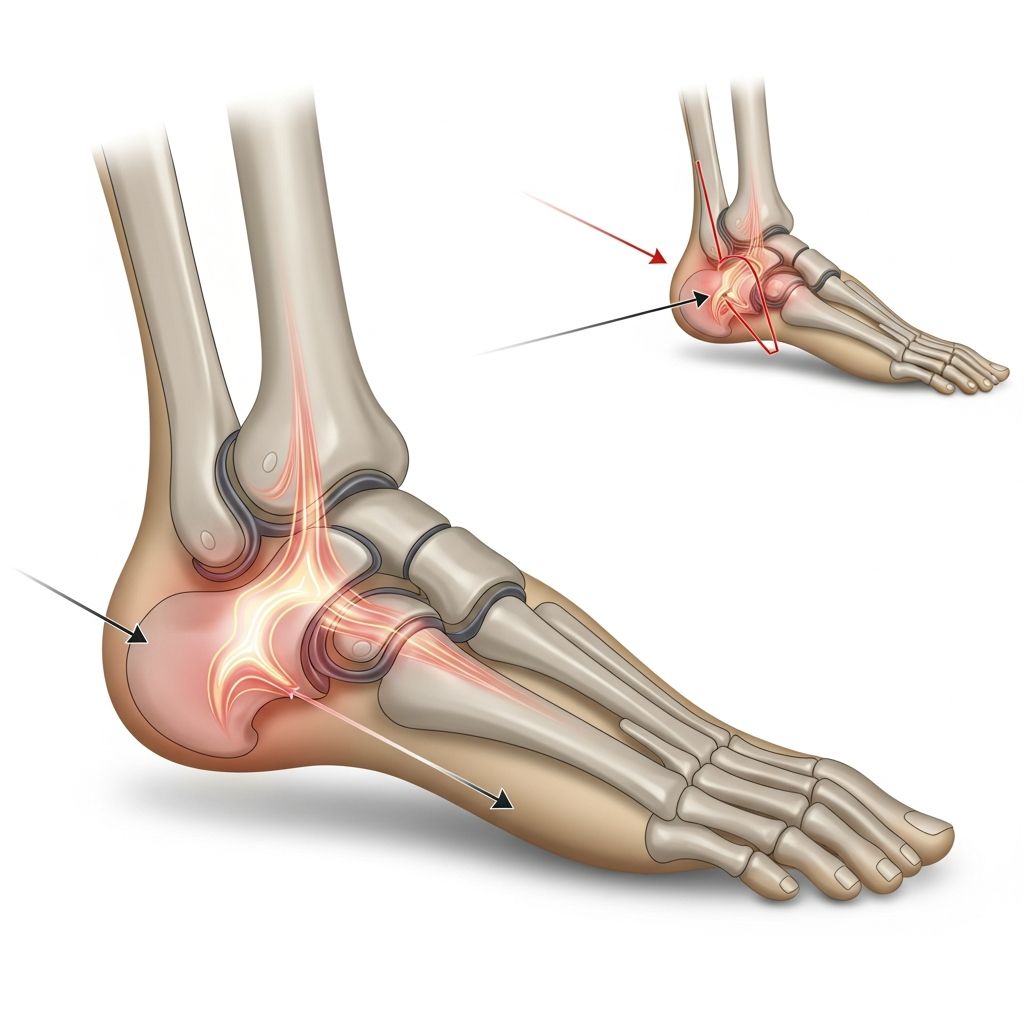
Understanding Ankle Pain: Causes, Treatments & At-Home Remedies
Ankle pain is any discomfort or pain experienced in your ankle joint or surrounding structures. This common condition can range from mild to severe and may result from injuries, arthritis, overuse, or other underlying conditions. Most cases of ankle pain improve with conservative at-home treatments like the RICE method and over-the-counter pain medications. However, severe cases may require professional medical intervention, including braces, physical therapy, injections, or surgery.
What Causes Ankle Pain?
Ankle pain can develop from numerous sources, and understanding the underlying cause is essential for effective treatment. The ankle is a complex joint that bears significant weight and stress during daily activities, making it vulnerable to various injuries and conditions.
Common Causes of Ankle Pain
Several conditions can lead to ankle pain, including:
- Ankle sprains from twisting or rolling the ankle
- Fractures or broken bones in the ankle
- Ankle arthritis, including osteoarthritis and rheumatoid arthritis
- Tendinitis or tendon inflammation
- Bursitis affecting the ankle joint
- Posterior tibial tendinitis, causing pain on the inside of the ankle
- Peroneal tendonitis, affecting tendons on the outside of the ankle
- Overuse injuries from repetitive activities or sports
- Ligament damage or instability
- Bone spurs or impingement
Injury-Related Causes
Sudden injuries are among the most common causes of ankle pain. Ankle sprains occur when ligaments are stretched or torn, often from twisting the ankle during physical activities or even from simple missteps. High ankle sprains, which affect the ligaments above the ankle joint, are particularly common in athletes and can be more severe than traditional ankle sprains. Fractures involving the ankle bones require immediate medical attention and proper diagnosis through imaging studies.
Chronic Conditions
Persistent ankle pain may result from chronic conditions such as arthritis. Ankle arthritis develops when cartilage in the joint deteriorates, leading to inflammation, stiffness, and pain. This condition can significantly impact mobility and quality of life if left untreated.
When Should You Seek Medical Care?
While many cases of ankle pain resolve with at-home treatment, certain situations warrant professional medical evaluation. You should visit a healthcare provider if:
- Pain persists for more than a few days despite at-home treatment
- Pain is intense enough to change your daily routine or limit activities
- You experience constant ankle pain throughout the day
- Swelling, bruising, or deformity accompanies the pain
- You cannot bear weight on your ankle
- The RICE method or over-the-counter medications do not provide relief after several days
- You suspect a fracture or severe sprain
At-Home Treatment: The RICE Method
The RICE method is the first line of treatment for most ankle injuries and pain. This proven approach can effectively reduce pain and swelling when applied promptly and consistently.
Rest
Rest is the foundation of ankle pain treatment. Avoid the activity that caused your injury and limit weight-bearing on the affected ankle. This allows your body to begin the healing process without additional stress. You may need to use crutches when moving around to keep weight off your ankle entirely.
Ice
Apply a cold compress or ice packs wrapped in a thin towel to your ankle for 15 minutes at a time. Ice reduces inflammation and numbs pain. Repeat this process several times daily for the first few days following an injury. Never apply ice directly to skin, as this can cause ice burn.
Related Stories



Compression
Wrap your ankle with an elastic bandage or compression sleeve to reduce swelling. The compression should be snug but not so tight that it cuts off circulation. Compression helps stabilize the ankle and prevents additional swelling from accumulating.
Elevation
Keep your foot elevated above the level of your heart whenever possible, especially during the first few days. Elevation reduces swelling by preventing fluid from accumulating in the ankle. Rest your foot on pillows while sitting or lying down.
Duration and Effectiveness
Follow the RICE method for approximately three to five days after an injury. Most cases of ankle pain improve significantly with this approach combined with other conservative treatments. However, if pain persists beyond this timeframe, professional evaluation is necessary.
Over-the-Counter Pain Management
Medication can effectively complement the RICE method in managing ankle pain and reducing inflammation. Non-steroidal anti-inflammatory drugs (NSAIDs) are among the most commonly recommended options for ankle pain relief.
NSAIDs and Anti-Inflammatory Medications
NSAIDs help reduce both pain and swelling associated with ankle injuries and conditions. These medications are available in multiple forms to suit different preferences:
- Oral forms: pills and tablets taken by mouth
- Topical forms: lotions, creams, or sprays applied directly to the skin
- Extended-release formulations for sustained relief
Common over-the-counter NSAIDs include ibuprofen and naproxen. These medications work by reducing inflammation in the affected tissues, which in turn decreases pain and swelling. Always follow package directions and consult with a healthcare provider if you have concerns about using these medications.
Professional Treatment Options
When at-home treatments prove insufficient, healthcare providers offer several professional interventions to manage ankle pain effectively.
Physical Examination and Diagnosis
Your healthcare provider will begin with a thorough assessment. They will ask about your symptoms, medical history, and the circumstances surrounding the injury. A physical examination follows, during which your provider may check for swelling, tenderness, range of motion, and stability of the ankle joint. Imaging studies such as X-rays, MRI scans, or ultrasound may be ordered to identify fractures, cartilage damage, or soft tissue injuries.
Bracing and Immobilization
Healthcare providers frequently recommend braces, tape, or casts to stabilize the ankle and prevent unwanted movement. These devices protect the injured structures while healing occurs. A soft cast or boot may be used for more severe injuries to completely immobilize the ankle and remove weight-bearing stress. Bracing is particularly effective for ligament injuries and can significantly reduce pain during the healing process.
Physical Therapy
Physical therapy plays a crucial role in ankle pain management and recovery. Therapeutic interventions may include:
- Therapeutic band exercises to strengthen surrounding muscles
- Water-based exercises that reduce weight-bearing stress while maintaining mobility
- Stretching and flexibility work
- Balance and proprioception training
- Progressive weight-bearing exercises
- Sport-specific rehabilitation for athletes
Water-based therapy is particularly beneficial because buoyancy reduces the amount of weight your ankle must support, allowing you to exercise and strengthen the joint safely.
Injections and Advanced Treatments
For cases not responding to conservative treatment, healthcare providers may recommend steroid injections to reduce inflammation and provide pain relief. These injections deliver medication directly to the affected area, offering targeted treatment for conditions like arthritis and tendinitis.
When Is Surgery Necessary?
Surgery is rarely the first-line treatment for ankle pain. Most ankle injuries and chronic conditions respond well to conservative management. However, surgical intervention may be necessary in specific situations:
Indications for Ankle Surgery
- Severe ankle injuries with extensive damage
- Fractures that cannot be managed with immobilization alone
- Chronic ankle instability causing recurrent sprains
- Severe ankle arthritis unresponsive to other treatments
- Tendon tears or severe tendinopathy
- Bone spurs or impingement causing persistent pain
- Ongoing pain and functional limitation despite non-surgical treatment
Types of Ankle Surgery
Several surgical procedures may be performed depending on your specific condition. Ankle fusion surgery treats advanced arthritis by fusing the ankle bones together, eliminating joint motion but providing pain relief and stability. Tendon repair surgery addresses torn or damaged tendons through repair or reconstruction. Arthroscopic surgery removes bone spurs, scar tissue, or other debris causing impingement and pain. Your surgeon will recommend the most appropriate procedure based on your diagnosis and needs.
Recovery from Surgery
Surgical recovery varies depending on the procedure performed. Most patients require pain management through prescription or over-the-counter medications. Your healthcare provider will establish a rehabilitation timeline and physical therapy program. Return to normal activities is typically gradual, with most patients achieving significant improvement within several weeks to months.
Prevention of Ankle Pain
Taking preventive measures can significantly reduce your risk of developing ankle pain and injuries. General safety tips include:
- Wear appropriate footwear with good support and cushioning
- Warm up and stretch before physical activities
- Strengthen ankle and leg muscles through regular exercise
- Maintain proper body weight to reduce stress on ankles
- Avoid uneven surfaces when possible
- Use proper technique during sports and exercise
- Gradually increase activity intensity to prevent overuse injuries
- Consider ankle bracing for high-risk activities if you have a history of sprains
Activity Modification During Recovery
While healing, avoid sports and intense physical activities that stress your ankle until a healthcare provider clears you to resume them. Low-impact alternatives such as swimming, cycling, and rowing can maintain cardiovascular fitness without excessive ankle stress. Gradually return to regular activities as pain decreases and your ankle strengthens, following your provider’s guidance.
Recovery Timeline
Recovery from ankle injuries varies significantly depending on severity. High ankle sprains typically require six to eight weeks for complete healing, with athletes potentially requiring longer before returning to competition. Low ankle sprains generally heal more quickly. Chronic conditions like arthritis require ongoing management rather than complete resolution. Your healthcare provider can give you a more specific timeline based on your diagnosis and individual circumstances.
Frequently Asked Questions About Ankle Pain
Q: How long does ankle pain typically last?
A: Most minor ankle pain improves within a few days to a few weeks with proper at-home treatment. More severe injuries like high ankle sprains may take six to eight weeks to heal completely. Chronic conditions require ongoing management.
Q: Can ankle pain go away without seeing a doctor?
A: Yes, many cases of mild ankle pain resolve with the RICE method and over-the-counter pain medication. However, if pain persists beyond a few days or interferes with daily activities, professional evaluation is recommended.
Q: Is it safe to exercise with ankle pain?
A: Avoid high-impact activities and sports with ankle pain. Low-impact exercises like swimming and cycling may be appropriate depending on your condition. Always consult your healthcare provider before exercising with ankle pain.
Q: What’s the difference between an ankle sprain and a fracture?
A: Ankle sprains involve ligament stretching or tearing, while fractures involve broken bones. Both can cause similar symptoms, but fractures typically require imaging confirmation and may need immobilization or surgery. Professional evaluation is necessary to determine which injury you have.
Q: When should I use ice versus heat for ankle pain?
A: Ice is recommended for acute injuries and inflammation during the first few days. Heat may be appropriate for chronic muscle tension only after acute inflammation has resolved. Consult your healthcare provider about the best approach for your specific condition.
Q: Do I need surgery for ankle pain?
A: Most ankle pain does not require surgery. Surgery is typically recommended only when conservative treatments fail or when severe structural damage is present. Your healthcare provider will discuss surgical options if appropriate for your situation.
References
- Ankle Pain: Causes, Treatments & At-Home Remedies — Cleveland Clinic. 2024-04-25. https://my.clevelandclinic.org/health/symptoms/15295-ankle-pain
- High Ankle Sprain: Symptoms, Causes and Treatment — Cleveland Clinic. 2021-12-08. https://my.clevelandclinic.org/health/diseases/22249-high-ankle-sprains
- Ankle Surgery: Types, Risks, Pain & Recovery Time — Cleveland Clinic. https://my.clevelandclinic.org/health/treatments/21047-ankle-surgery
- Ankle: Anatomy & How It Works — Cleveland Clinic. https://my.clevelandclinic.org/health/body/24909-ankle-joint
- Peroneal Tendonitis: Causes, Treatment and Prevention — Cleveland Clinic. https://my.clevelandclinic.org/health/diseases/22003-peroneal-tendonitis
Similar Articles








Read full bio of medha deb