Ankylosing Spondylitis Causes: Genetics, Gut, And Triggers
Unraveling the genetic, environmental, and lifestyle factors driving ankylosing spondylitis development and progression.
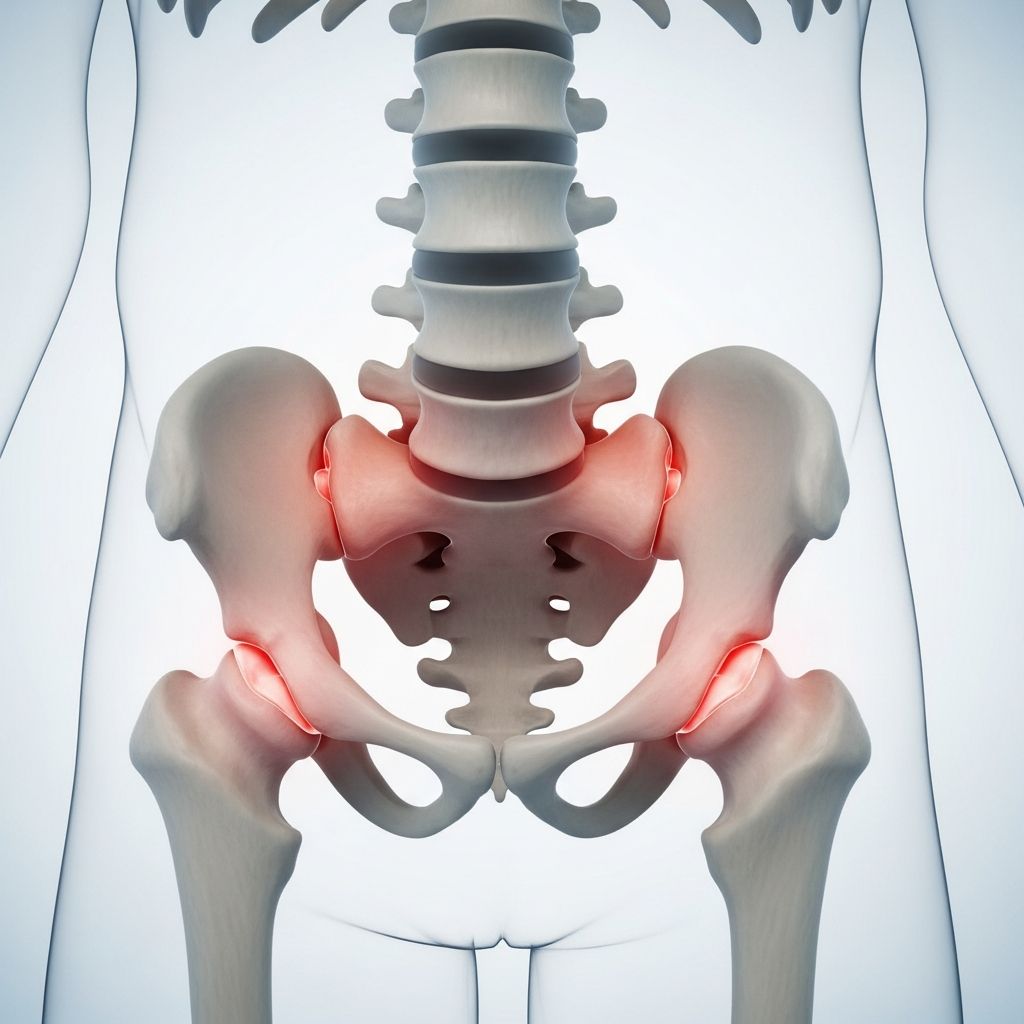
Ankylosing spondylitis (AS), a chronic inflammatory arthritis primarily affecting the spine and sacroiliac joints, arises from a complex interplay of genetic predisposition, environmental triggers, and immune dysregulation. While the exact etiology remains elusive, over 90% of patients carry the HLA-B27 gene, though additional factors like gut microbiome alterations, infections, and mechanical stress contribute significantly.
What Is Ankylosing Spondylitis?
Ankylosing spondylitis is a type of axial spondyloarthritis characterized by inflammation in the spine, sacroiliac joints, and entheses—sites where tendons and ligaments attach to bone. Over time, chronic inflammation leads to bone erosion, scar tissue formation, and new bone growth, causing vertebrae to fuse (ankylosis), resulting in reduced spinal flexibility and a characteristic stooped posture.
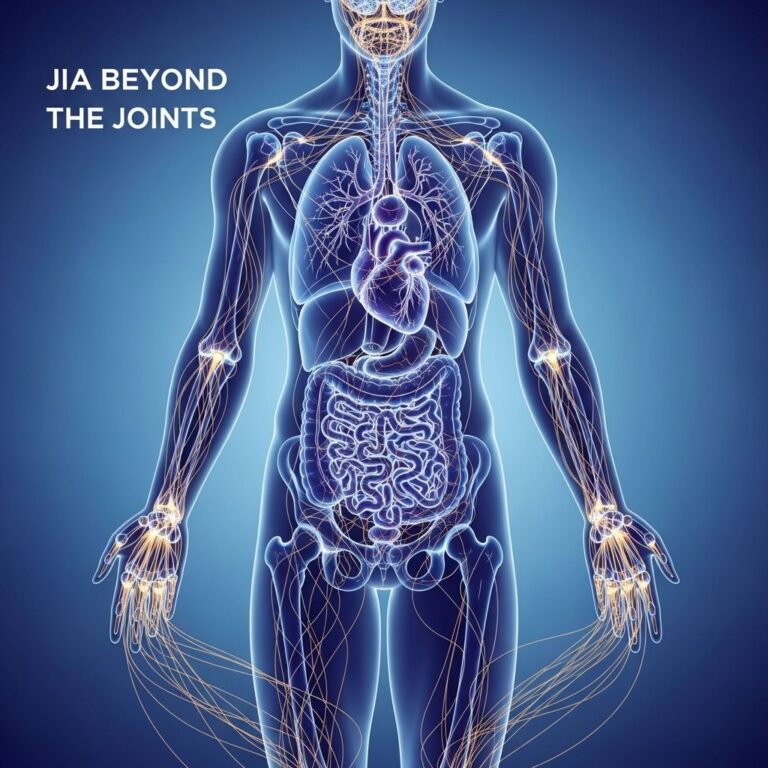
Symptoms typically emerge in late adolescence or early adulthood, starting with lower back pain and stiffness that worsens with rest and improves with activity. The disease can also involve peripheral joints (hips, knees), eyes (uveitis), intestines (subclinical inflammation in up to 70% of cases), and the heart (aortic regurgitation).
Genetic Causes of Ankylosing Spondylitis
Genetics play a dominant role in AS pathogenesis, with human leukocyte antigen (HLA)-B27 present in more than 90% of affected individuals in certain populations, compared to 5-8% in the general population. This gene encodes a major histocompatibility complex class I molecule that presents antigens to T cells, potentially misfolding in the endoplasmic reticulum and triggering unfolded protein responses that promote inflammation.
However, HLA-B27 alone is insufficient; only 1-5% of carriers develop AS, indicating polygenic inheritance. Genome-wide association studies (GWAS) have identified over 100 non-MHC loci, including ERAP1, IL23R, and genes in the IL-23/IL-17 axis, which regulate immune responses and are implicated in enthesitis and bone formation.
- HLA-B27 subtypes: Not all 100+ subtypes confer equal risk; HLA-B*2705 is most strongly associated.
- Family history: First-degree relatives of AS patients have a 10-20% risk if HLA-B27 positive.
- Other genes: Variants in TNF, CARD9, and RUNX3 influence disease severity and extra-articular manifestations.
These genetic factors likely alter immune tolerance, gut barrier function, and responses to environmental antigens, setting the stage for disease in susceptible individuals.
Environmental Triggers for Ankylosing Spondylitis
Environmental factors interact with genetic susceptibility to initiate AS. The gut microbiome emerges as a key player, with up to 70% of patients showing subclinical gut inflammation resembling Crohn’s disease. Dysbiosis—imbalances in bacterial communities—may drive IL-23 overproduction and Th17 cell activation, hallmarks of AS pathology.
HLA-B27 transgenic mice develop spontaneous spondyloarthritis only when colonized with specific bacteria like Bacteroides vulgatus, underscoring microbiome-host interactions. Human studies reveal reduced microbial diversity and enriched proinflammatory taxa in AS patients.
Infections as Triggers
Certain infections have been hypothesized to precipitate AS in genetically prone individuals:
- Klebsiella pneumoniae: Early studies noted higher fecal carriage and immune hyporesponsiveness in active AS, but replication failed, leaving its role unestablished.
- Respiratory and tonsillar infections: Childhood hospitalizations for these correlate with later AS risk.
- Other pathogens: Chlamydia, Salmonella, and Yersinia have been linked anecdotally, potentially via molecular mimicry with HLA-B27.
Related Stories



Mechanical Stress and Enthesitis
Biomechanical stress at entheses may initiate inflammation in AS. An enthesitis-based model posits that mechanical forces activate innate immune pathways (e.g., IL-23/IL-17), leading to bone remodeling. Mouse models confirm that unloading stressed entheses prevents arthritis.
In humans, occupations or activities involving repetitive spinal loading could exacerbate risk, though direct evidence is limited.
Who Is at Risk for Ankylosing Spondylitis?
Risk factors span demographics, lifestyle, and comorbidities:
| Category | Risk Factor | Details/Evidence |
|---|---|---|
| Demographic | Male sex | 2-3x higher incidence; possibly due to sex hormones influencing immune responses. |
| Young age (15-30 years) | Peak onset; delays diagnosis. | |
| Genetic | HLA-B27 positivity | >90% of patients; relative risk 100-fold. |
| Lifestyle | Smoking (incl. e-cigarettes) | Dose-dependent; worsens progression and response to therapy. |
| Vitamin D deficiency | Associated with higher disease activity. | |
| Lack of breastfeeding | May deprive gut-protective effects. | |
| Social | Older siblings | Possible early microbial exposure. |
Males predominate, with earlier onset and more severe spinal involvement. Alternative HLA-B27-negative AS pathways may exist, often with psoriasis or IBD overlap.
Gut Microbiome and Ankylosing Spondylitis
The intestine is central to AS etiology. HLA-B27 misfolding disrupts gut peptide presentation, fostering dysbiosis and inflammation even in asymptomatic carriers. Probiotic interventions and fecal transplants show promise in models, suggesting therapeutic potential.
Breastfeeding may protect via microbiome modulation, while antibiotics or diet could influence risk.
Other Potential Causes and Risk Factors
- Immune dysregulation: Reduced regulatory T cells (Tregs), elevated IL-6, and macrophage migration inhibitory factor (MIF).
- Vitamin D: Deficiency links to higher BASDAI scores; supplementation trials ongoing.
- Obesity and diet: Western diets may promote inflammation via microbiome shifts.
Pathophysiology: How Causes Lead to AS
AS pathogenesis integrates genetics (HLA-B27/IL-23R), microbiome dysbiosis, and mechanical/ infectious triggers into innate-adaptive immune overactivation. This culminates in enthesitis, synovitis, and osteoproliferation via Wnt and BMP pathways.
Frequently Asked Questions (FAQs)
What causes ankylosing spondylitis?
No single cause; primarily HLA-B27 genetics plus environmental triggers like gut dysbiosis and infections.
Is AS hereditary?
Strongly genetic; familial risk high, but environment modulates expression.
Does smoking cause AS?
Not directly, but it increases risk and severity.
Can diet prevent AS?
Low-evidence; anti-inflammatory diets may help manage, breastfeeding possibly protective.
Why mostly men?
Hormonal and X-chromosome factors suspected; males have worse axial disease.
References
- Ankylosing spondylitis risk factors: a systematic literature review — PMC/NCBI. 2022-04-20. https://pmc.ncbi.nlm.nih.gov/articles/PMC9044547/
- Ankylosing Spondylitis: Causes, Treatment — Hospital for Special Surgery (HSS). 2023-01-01. https://www.hss.edu/health-library/conditions-and-treatments/list/ankylosing-spondylitis
- Ankylosing spondylitis – Symptoms & causes — Mayo Clinic. 2025-06-12. https://www.mayoclinic.org/diseases-conditions/ankylosing-spondylitis/symptoms-causes/syc-20354808
Similar Articles








Read full bio of medha deb