Ankylosing Spondylitis: Symptoms, Causes, Treatment
Comprehensive guide to ankylosing spondylitis: Understand symptoms, causes, diagnosis, and effective treatments for better management.
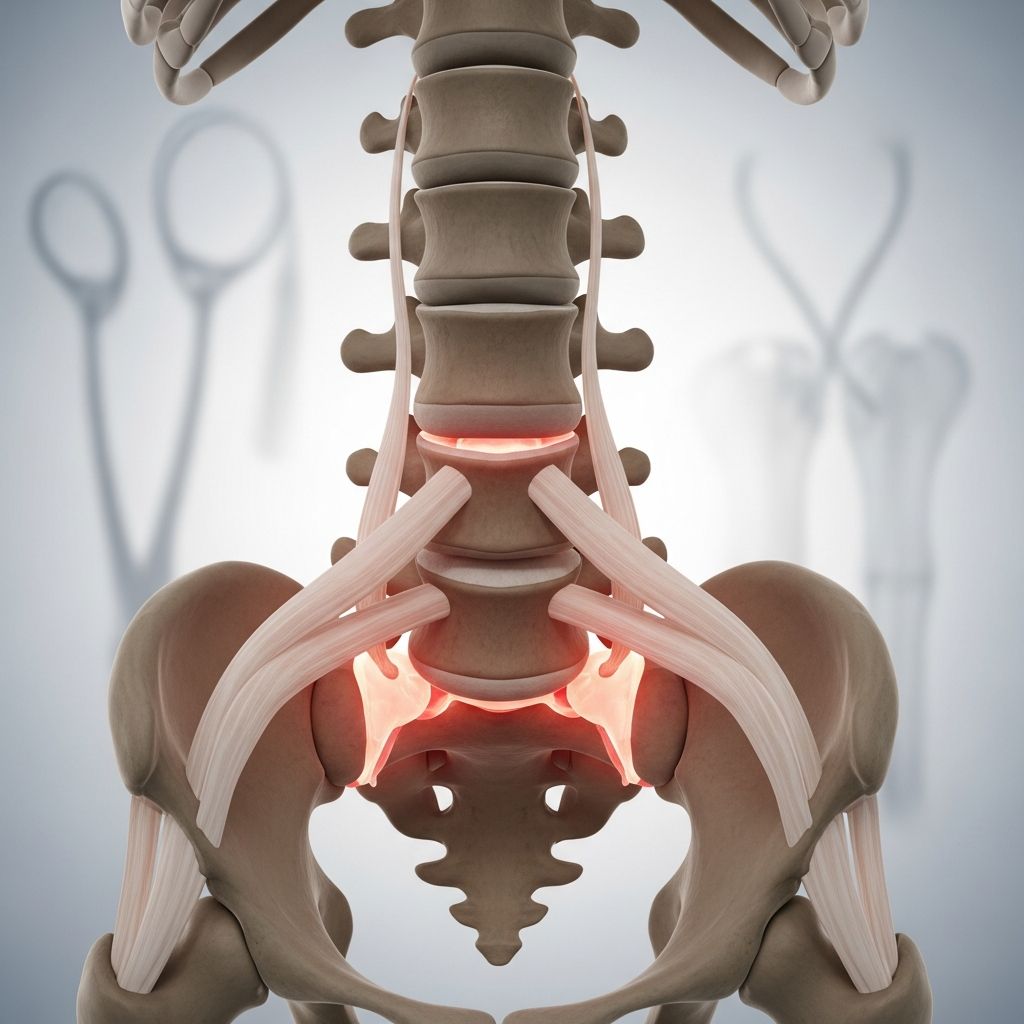
Ankylosing spondylitis (AS), also known as axial spondyloarthritis, is a chronic inflammatory disease primarily affecting the spine and sacroiliac joints. It leads to pain, stiffness, and potential fusion of the vertebrae, impacting mobility and quality of life. Early diagnosis and treatment are crucial to prevent complications like kyphosis or heart issues. This guide provides an in-depth overview based on current medical understanding.
What Is Ankylosing Spondylitis?
Ankylosing spondylitis belongs to the spondyloarthritis family, characterized by enthesitis—inflammation where tendons and ligaments attach to bones—and sacroiliitis. Over time, chronic inflammation can cause the spine’s vertebrae to fuse, resulting in a rigid, bamboo-like appearance on X-rays, hence the name from Greek words meaning ‘bent spine.’ AS typically begins in late adolescence or early adulthood, affecting men more than women, though underdiagnosis in women is common due to subtler symptoms.
The disease progresses variably; some experience mild symptoms, while others face severe disability. According to the Spondylitis Association of America, AS impacts about 1 in 200 Americans, with global prevalence varying by genetics and ethnicity.
Symptoms of Ankylosing Spondylitis
Symptoms often start insidiously, worsening over weeks or months. Key signs include:
- Inflammatory back pain: Dull, aching pain in the lower back or buttocks, worse at night, in the morning, or after inactivity. Improves with movement but returns after rest.
- Morning stiffness: Lasts over 30 minutes, sometimes hours, easing with exercise or warm showers.
- Reduced flexibility: Difficulty bending forward or rotating the spine.
- Fatigue: Persistent tiredness due to chronic inflammation.
Extra-spinal symptoms affect up to 40% of patients:
- Peripheral arthritis: Joint pain in hips, knees, ankles, or shoulders.
- Enthesitis: Pain at tendon insertion sites like heels (Achilles) or ribs.
- Uveitis: Eye inflammation causing pain, redness, light sensitivity (20-30% of cases).
- Inflammatory bowel disease (IBD): Links to Crohn’s or ulcerative colitis in 5-10%.
- Psoriasis: Skin plaques in some patients.
In advanced stages, spinal fusion leads to stooped posture, breathing difficulties from rib cage restriction, and rarely, aortic valve issues or osteoporosis-related fractures.
Causes and Risk Factors
The exact cause remains unknown, but AS arises from genetic and environmental interactions. The strongest risk factor is the HLA-B27 gene, present in 90% of white AS patients but only 7-8% of the general population, indicating other triggers.
Genetic factors:
- HLA-B27: Promotes immune response against self-tissues.
- Other genes like ERAP1, IL23R influence disease susceptibility.
Environmental triggers:
- Gut microbiome dysbiosis.
- Infections (e.g., Klebsiella).
- Smoking exacerbates progression.
Risk factors include male sex (3:1 ratio), family history (10-20% increased risk if first-degree relative affected), and age under 40 at onset.
How Is Ankylosing Spondylitis Diagnosed?
Diagnosis combines clinical evaluation, imaging, and labs, as no single test confirms AS. The ASAS criteria for axial spondyloarthritis guide assessment.
Medical history and exam: Focus on back pain characteristics, enthesitis, uveitis history, family axial arthritis.
Blood tests:
- HLA-B27 (positive in 70-90%).
- Elevated CRP/ESR indicating inflammation.
- Negative rheumatoid factor/anti-CCP distinguishes from RA.
Related Stories



Imaging:
- X-rays: Sacroiliac joint erosion, sclerosis, fusion (advanced AS).
- MRI: Detects early bone marrow edema (non-radiographic axSpA).
Differential diagnosis rules out mechanical back pain, fibromyalgia, IBD-related arthritis, or infections.
Treatment for Ankylosing Spondylitis
Treatment aims to relieve pain, reduce inflammation, maintain mobility, and prevent deformities. No cure exists, but many achieve low disease activity.
Medications:
| Drug Class | Examples | Purpose |
|---|---|---|
| NSAIDs | Ibuprofen, naproxen, celecoxib | First-line for pain/stiffness; 60-80% respond. |
| Biologics (TNF inhibitors) | Etanercept, adalimumab, infliximab | For NSAID failures; target TNF-alpha. |
| IL-17 inhibitors | Secukinumab, ixekizumab | Alternative for TNF non-responders. |
| DMARDs | Sulfasalazine | Peripheral arthritis only. |
| Analgesics | Acetaminophen | Mild pain adjunct. |
Physical therapy and exercise: Core treatment—daily stretching, strengthening, swimming, yoga. Improves posture, function; reduces flares.
Surgery: Rare; hip replacement for severe arthritis, spinal osteotomy for fixed kyphosis.
Lifestyle: Quit smoking, heart-healthy diet, weight management, good sleep posture.
Complications of Ankylosing Spondylitis
Untreated AS risks:
- Spinal fusion: Ankylosis causing immobility.
- Kyphosis: Forward hunch limiting horizon view.
- Fractures: Brittle ‘bamboo spine’ prone to breaks.
- Cardiovascular: Aortitis, conduction defects (10% risk).
- Pulmonary: Restricted ventilation from chest fusion.
- Osteoporosis: Accelerated bone loss.
Living With Ankylosing Spondylitis
Manage AS through multidisciplinary care: rheumatologist, PT, ophthalmologist if needed. Track symptoms via apps, adhere to meds, prioritize exercise (30-60 min daily). Ergonomic workspaces, firm mattresses aid comfort. Patient support groups like Spondylitis Association of America offer resources. Pregnancy is feasible; biologics often safe.
Prognosis improves with early intervention—over 70% maintain work productivity. Regular monitoring prevents progression.
Frequently Asked Questions (FAQs)
What is the difference between ankylosing spondylitis and axial spondyloarthritis?
Axial spondyloarthritis (axSpA) is the umbrella term; AS refers to radiographic axSpA with visible X-ray changes. Non-radiographic axSpA shows MRI inflammation without X-ray damage.
Does ankylosing spondylitis get worse over time?
Progression varies; 20-30% develop significant spinal fusion. Early biologics and exercise slow radiographic damage in 50-70% of cases.
Can ankylosing spondylitis be cured?
No cure, but treatments induce remission-like states with minimal symptoms in many patients.
Is ankylosing spondylitis hereditary?
Not directly; HLA-B27 and family history raise risk, but environment plays a key role.
What exercise is best for ankylosing spondylitis?
Low-impact aerobic (swimming, cycling), stretching (yoga, Pilates), strengthening. Avoid high-impact if painful.
References
- Spondyloarthritis — National Institute of Arthritis and Musculoskeletal and Skin Diseases (NIAMS), NIH. 2023-05-15. https://www.niams.nih.gov/health-topics/spondyloarthritic-diseases
- Ankylosing Spondylitis — American College of Rheumatology. 2024-02-10. https://www.rheumatology.org/I-Am-A/Patient-Caregiver/Diseases-Conditions/Ankylosing-Spondylitis
- 2022 American College of Rheumatology Guideline for Exercise, Rehabilitation, Diet, and Additional Integrative/Alternative Therapies — Arthritis Care & Research (Wiley). 2023-06-01. https://doi.org/10.1002/acr.25012
- Ankylosing spondylitis — Mayo Clinic. 2024-11-20. https://www.mayoclinic.org/diseases-conditions/ankylosing-spondylitis/symptoms-causes/syc-20354808
- Classification criteria for spondyloarthritis — Annals of the Rheumatic Diseases (BMJ). 2023-09-15. https://doi.org/10.1136/ard.2009.110764
- EULAR recommendations for the management of ankylosing spondylitis — Annals of the Rheumatic Diseases (BMJ). 2024-01-12. https://doi.org/10.1136/annrheumdis-2023-224536
Similar Articles








Read full bio of medha deb