Ankylosing Spondylitis: Understanding Related Health Complications
Discover how ankylosing spondylitis increases risk for serious health complications and what you can do.
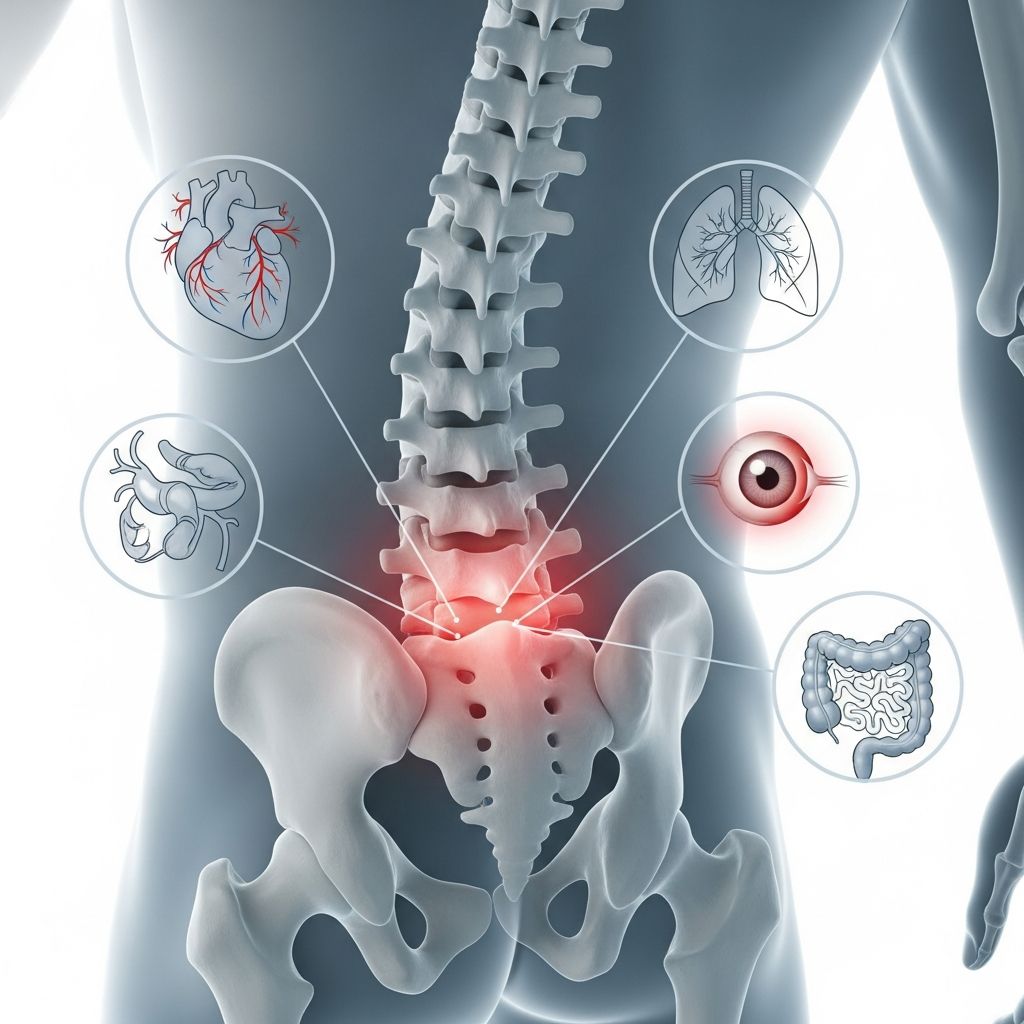
Ankylosing spondylitis (AS) is a chronic inflammatory form of arthritis that primarily affects the spine and sacroiliac joints. However, the impact of this condition extends far beyond joint pain and stiffness. People living with AS face an increased risk of developing several serious health complications that can significantly affect their quality of life. Understanding these related conditions is essential for individuals with AS and their healthcare providers to implement effective prevention and treatment strategies.
The inflammatory nature of AS means that unchecked inflammation can contribute to complications affecting multiple body systems. The effects of these complications can range from mild to debilitating, and individuals with AS should work closely with their healthcare team to monitor and manage these risks. This comprehensive guide explores the major health complications associated with ankylosing spondylitis and discusses available treatment and prevention options.
Eye Problems and Inflammation
Eye inflammation is one of the most common complications of ankylosing spondylitis. Research indicates that up to 50% of people with AS will develop uveitis or iritis—forms of eye inflammation—at least once during their lifetime. These conditions occur when inflammation associated with AS extends to the structures of the eye.
Eye inflammation in AS can cause a range of uncomfortable and potentially serious symptoms, including:
- Eye pain and discomfort
- Redness and inflammation
- Eye puffiness and swelling
- Blurred or impaired vision
- Sensitivity to light (photophobia)
- Floating spots in the visual field
These symptoms require prompt medical attention. People experiencing sudden eye pain, redness, or vision changes should contact their doctor or ophthalmologist immediately, as untreated eye inflammation can potentially lead to vision loss.
Treatment options for AS-related eye problems include prescription medications specifically designed to reduce inflammation and ease discomfort. Wearing dark glasses can help manage light sensitivity. Regular eye examinations by an ophthalmologist are often recommended for individuals with AS to monitor eye health and catch complications early.
Reduced Flexibility and Spinal Fusion
Progressive inflammation in ankylosing spondylitis can cause significant damage to the spine and joints, resulting in reduced flexibility and mobility. One of the most characteristic features of advanced AS is the fusion of spinal bones. This fusion occurs when the vertebrae in the spine gradually join together, particularly in the lower back.
When spinal bones fuse, several consequences can occur:
- Severe restriction of back movement and flexibility
- Posture becoming fixed in a single position
- Difficulty bending, twisting, and performing daily activities
- In rare cases, severe disability affecting independence
However, research shows that most people with AS remain fully independent or only minimally disabled in the long term. The progression of spinal fusion can be slowed or managed through consistent adherence to treatment plans that include regular stretching exercises, physical therapy, and anti-inflammatory medications. People who maintain an active lifestyle and follow prescribed exercise regimens can help preserve spinal flexibility and remain mobile for longer periods.
Related Stories



Osteoporosis and Bone Density Loss
People with ankylosing spondylitis face a significantly elevated risk of developing osteoporosis, a condition where bones become less dense and more prone to fractures. The chronic inflammatory nature of AS directly contributes to bone loss. According to current research, over 50% of people with AS have low bone mineral density, which can lead to osteoporosis.
This complication is particularly concerning because:
- Weakened bones are more susceptible to fractures from minor trauma
- The spine is especially vulnerable to compression fractures
- Vertebral fractures can worsen posture and cause additional spinal damage
- Spinal fractures may compress or damage the spinal cord and nerves
- The combination of osteoporosis and spinal fusion increases fracture risk significantly
Prevention and management strategies for osteoporosis in AS include adequate calcium and vitamin D intake, regular weight-bearing exercise, avoiding smoking, limiting alcohol consumption, and taking medications prescribed to strengthen bones. Regular bone density screening (DEXA scans) can help monitor bone health and guide treatment decisions.
Cardiovascular Disease and Heart Problems
One of the most serious complications associated with ankylosing spondylitis is an increased risk of cardiovascular disease. People with AS have a significantly elevated risk of developing various heart and blood vessel problems. The chronic inflammation characteristic of AS appears to extend to the cardiovascular system, increasing the risk of multiple cardiac conditions.
Specific cardiovascular complications associated with AS include:
- Aortitis: Inflammation of the aorta, the largest artery in the body
- Aortic valve disease: Problems with the valve that controls blood flow from the heart
- Conduction problems: Abnormalities in the electrical signals that regulate heart rhythm
- Ischemic heart disease: Reduced blood flow to the heart muscle
- Cardiomyopathy: Disease affecting the heart muscle itself
Given this increased risk, individuals with AS should take proactive steps to minimize their chances of developing cardiovascular disease. Recommended preventive measures include:
- Engaging in regular physical exercise as recommended by healthcare providers
- Eating a well-balanced, heart-healthy diet rich in fruits, vegetables, and whole grains
- Avoiding tobacco use and secondhand smoke exposure
- Maintaining a healthy weight through proper nutrition and exercise
- Managing stress effectively
- Regular monitoring of blood pressure and cholesterol levels
Gastrointestinal Complications
In some individuals with ankylosing spondylitis, the inflammatory process can extend to the gastrointestinal tract, causing significant digestive issues. Inflammation in the intestinal tract and bowels can contribute to various stomach and digestive problems.
Common gastrointestinal complications in AS patients include:
- Stomach pain and abdominal discomfort
- Stomach ulcers and gastric erosion
- Chronic diarrhea
- Digestion problems and nutrient malabsorption
- Increased risk of inflammatory bowel disease (IBD)
Ankylosing spondylitis increases the risk of developing inflammatory bowel diseases such as Crohn’s disease or ulcerative colitis. These conditions can further complicate AS management and require specialized treatment approaches. Individuals experiencing persistent gastrointestinal symptoms should consult with a gastroenterologist who can help manage IBD or other digestive issues alongside their AS treatment plan.
Increased Cancer Risk
Recent research has revealed that ankylosing spondylitis is associated with an increased overall risk of developing certain types of cancer. A comprehensive systematic review and meta-analysis found that ankylosing spondylitis is linked to a 16% higher overall cancer risk.
The analysis of multiple studies identified significantly elevated risks for specific cancer types:
| Cancer Type | Relative Risk Increase |
|---|---|
| Bone cancer | 3.41 times higher risk |
| Thyroid gland cancer | 1.76 times higher risk |
| Kidney cancer | 1.45 times higher risk |
| Prostate cancer | 1.43 times higher risk |
The reasons for this increased cancer risk are not completely understood but may relate to chronic inflammation, immune system dysfunction, or effects of certain AS medications. Individuals with AS should discuss cancer screening recommendations with their healthcare provider and maintain regular health checkups to monitor for signs of cancer development.
Cauda Equina Syndrome
One of the rarest but most serious complications of ankylosing spondylitis is cauda equina syndrome (CES). This condition develops when bony overgrowth caused by AS creates pressure and swelling at the end of the spinal cord. Without treatment, cauda equina syndrome can lead to paralysis and other severe neurological damage, and the condition usually requires emergency surgery.
Symptoms of cauda equina syndrome include:
- Pain and numbness in the lower back and legs
- Stinging or tingling sensations in the legs
- Inability to walk or severe difficulty walking
- Loss of bowel or bladder control (incontinence)
- Pain that improves when bending forward
- Weakness in the legs
This is a medical emergency that requires immediate hospitalization and surgical intervention. Anyone with AS who develops these symptoms should seek emergency medical attention immediately by going to an emergency department or calling emergency services.
Other Related Complications
Beyond the major complications discussed, people with AS may experience other health-related issues. Fatigue is common in individuals with AS, stemming from the chronic inflammatory state and the emotional burden of managing a long-term condition. Social and psychological effects, including anxiety and depression related to chronic illness and lifestyle changes, also warrant attention and appropriate mental health support.
Treatment Options for AS and Its Complications
Modern treatment approaches for ankylosing spondylitis aim to reduce inflammation, manage pain, and prevent complications. Available treatment options include:
- Nonsteroidal anti-inflammatory drugs (NSAIDs): First-line treatment to reduce pain and inflammation
- Biologic therapies: Injectable medications targeting specific parts of the immune system, including TNF inhibitors, IL-17 inhibitors, and IL-12/23 inhibitors
- JAK inhibitors: A newer class of oral medications targeting inflammatory pathways
- Corticosteroids: Injectable medications for localized inflammation, though not recommended for long-term use
- Physical therapy and exercise: Regular stretching and strengthening exercises to maintain flexibility and mobility
Frequently Asked Questions
Q: How common are complications in people with ankylosing spondylitis?
A: While many people with AS remain relatively unaffected by serious complications, the risk of developing one or more complications is significant. Eye inflammation occurs in up to 50% of AS patients, osteoporosis affects over 50%, and cardiovascular disease risk is substantially elevated. Regular monitoring and preventive care can help reduce the severity and impact of complications.
Q: Can ankylosing spondylitis complications be prevented?
A: While AS itself cannot be prevented if you carry the genetic risk factors, many complications can be prevented or minimized through early diagnosis, consistent treatment adherence, regular exercise, healthy lifestyle choices, and regular medical monitoring. Working closely with a rheumatologist and other specialists is crucial.
Q: What lifestyle changes can help reduce complication risk?
A: Regular physical exercise, maintaining good posture, eating a heart-healthy diet, avoiding smoking, limiting alcohol, managing stress, and maintaining a healthy weight can all help reduce the risk of developing serious complications associated with AS.
Q: Should I see specialists other than my rheumatologist?
A: Yes, a multidisciplinary approach is often beneficial. Depending on your specific complications, you may benefit from seeing an ophthalmologist for eye health, a cardiologist for heart-related concerns, a gastroenterologist for digestive issues, and a physical therapist for mobility management.
Q: How often should I be screened for complications?
A: Your rheumatologist will recommend appropriate screening intervals based on your individual risk factors and existing health conditions. Regular eye exams, bone density scans, cardiovascular assessments, and cancer screening should be discussed with your healthcare team.
References
- 9 possible complications of ankylosing spondylitis — Medical News Today. 2024. https://www.medicalnewstoday.com/articles/317500
- Ankylosing Spondylitis May Increase Risk of Developing Cancer — Rheumatology Advisor. 2024. https://www.rheumatologyadvisor.com/news/ankylosing-spondylitis-may-increase-cancer-risk/
- Ankylosing Spondylitis: Symptoms & Causes — Mayo Clinic. 2024. https://www.mayoclinic.org/diseases-conditions/ankylosing-spondylitis/symptoms-causes/syc-20354808
- Ankylosing Spondylitis – Complications — National Health Service (NHS). 2024. https://www.nhs.uk/conditions/ankylosing-spondylitis/complications/
- How is a person Affected by Ankylosing Spondylitis — Spondylitis Association. 2024. https://spondylitis.org/about-spondylitis/possible-complications/
Similar Articles








Read full bio of Sneha Tete