Ankylosing Spondylitis Symptoms in Females
Uncovering the unique ways ankylosing spondylitis affects women, from subtle symptoms to advanced complications and management strategies.
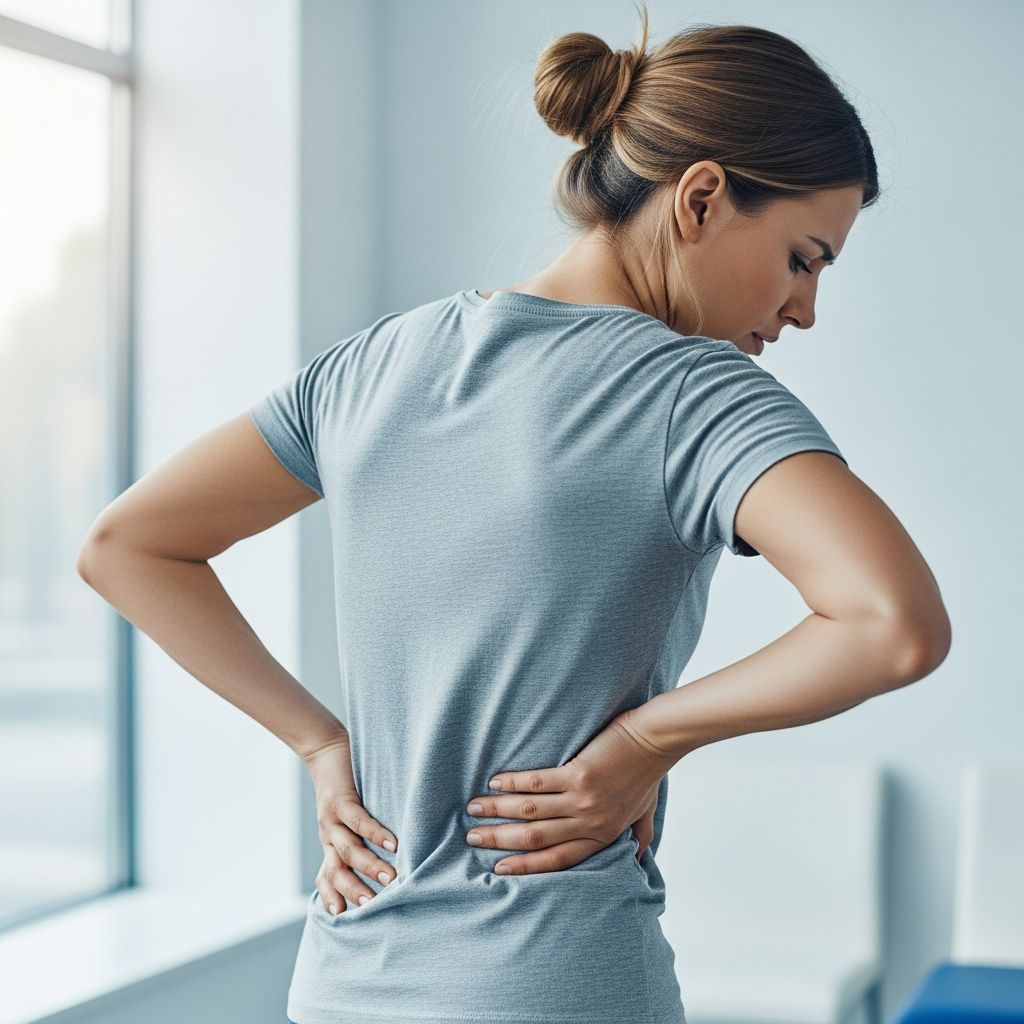
Ankylosing spondylitis (AS), also known as axial spondyloarthritis, is a chronic inflammatory arthritis primarily affecting the spine and sacroiliac joints. While it impacts both genders, women often experience subtler or different symptoms, leading to delayed diagnosis and unique challenges.
What Is Ankylosing Spondylitis?
Ankylosing spondylitis is a type of inflammatory disease that mainly targets the spine, causing vertebrae to fuse over time, resulting in reduced flexibility and potential hunched posture. Early symptoms typically involve pain and stiffness in the lower back and hips, worsening in the morning or after inactivity. The condition develops gradually, often starting in late adolescence or early adulthood between ages 17-45, though it can occur in children or later life.
Inflammation begins in the sacroiliac joints (where the spine meets the pelvis) and can spread to other areas like hips, shoulders, ribs, and heels. Unlike mechanical back pain, AS pain improves with exercise but worsens with rest. New bone formation bridges vertebrae gaps, flattening spinal curves and causing stiffness.
How Does Ankylosing Spondylitis Differ in Females?
Women with AS are frequently underdiagnosed due to atypical presentations. Men typically show more classic spinal symptoms and radiographic changes, while women exhibit higher rates of peripheral joint involvement, enthesitis (inflammation where tendons/ligaments attach to bone), and extra-articular manifestations. Studies indicate women may have less aggressive spinal fusion but greater neck, hip, and peripheral symptoms, alongside fatigue and widespread pain mimicking fibromyalgia.
Females often report pain in the neck, knees, and ankles rather than solely lower back, with symptoms fluctuating and sometimes misattributed to hormonal changes or stress. This diagnostic delay averages 8-10 years in women versus shorter in men.
Common Symptoms of Ankylosing Spondylitis in Females
Women experience the hallmark symptoms but with nuances:
- Back pain and stiffness: Dull, aching lower back/buttock pain, worse mornings/nights, lasting over 3 months. Improves with movement.
- Neck and hip pain: More prevalent in women, limiting mobility.
- Peripheral arthritis: Joint swelling/pain in knees, ankles, shoulders—up to 50% of female cases.
Symptoms Beyond the Spine: What Women Should Watch For
AS in females often involves extra-spinal issues:
- Enthesitis: Pain at tendon-bone sites like heels (Achilles/plantar fascia), shin, or rib-sternum junction, causing chest pain and breathing difficulty.
- Fatigue: Profound tiredness unrelated to activity, impacting daily life.
- Eye inflammation (uveitis): Sudden red, painful eyes, light sensitivity, blurred vision—affects 25-40% of AS patients, more urgent in women.
Less Common but Serious Symptoms in Women
Women face higher risks of certain complications:
- Skin rashes (psoriasis): Linked to psoriatic arthritis overlap.
- Gastrointestinal issues: Inflammatory bowel disease (IBD) symptoms like abdominal pain, diarrhea.
- Osteoporosis/Fractures: Spinal bone weakening leads to compression fractures, worsening posture.
- Cardiovascular risks: Aortitis or conduction abnormalities in advanced cases.
Progression of Ankylosing Spondylitis in Females
AS progresses variably; women may have slower spinal fusion but persistent pain and disability. Untreated, it causes bamboo spine (fused vertebrae) and kyphosis (hunched posture). Early intervention halts progression; symptoms wax/wane with flares/remissions.
Diagnostic Challenges for Women
Women’s peripheral symptoms lead to misdiagnosis as rheumatoid arthritis or fibromyalgia. Diagnosis uses clinical history, physical exam (e.g., Schober’s test for spinal flexibility), blood tests (HLA-B27 gene, elevated CRP/ESR), and imaging (MRI for early inflammation, X-rays for fusion).
Related Stories



Pregnancy and Ankylosing Spondylitis in Females
AS affects reproductive years; pregnancy can improve symptoms due to immunomodulation, but flares postpartum are common (up to 50%). Risks include cesarean needs from pelvic pain, preterm birth. Biologics like TNF inhibitors are often safe; consult rheumatologists pre-conception.
| Aspect | Impact |
|---|---|
| Symptom Relief | Often improves in 2nd/3rd trimester |
| Postpartum | Flares in 40-60% within 6 months |
| Delivery | Higher C-section rates due to pain |
| Medication | Most NSAIDs/biologics paused; others continued |
Treatment and Management Strategies for Women
Treatment aims to relieve pain, maintain mobility, prevent fusion:
- Medications: NSAIDs first-line; biologics (TNF/IL-17 inhibitors) for non-responders.
- Physical therapy/exercise: Daily stretching, swimming, yoga essential.
- Lifestyle: Quit smoking, healthy weight, posture training.
- Surgery: Rare, for severe hip/knee damage or kyphosis correction.
Women benefit from multidisciplinary care addressing fatigue, mental health, fertility.
When to See a Doctor
Seek care for persistent back pain (>3 months), morning stiffness >30 min, night waking pain, eye symptoms, or family AS history. Urgent for uveitis signs.
Frequently Asked Questions (FAQs)
What are the first signs of ankylosing spondylitis in women?
Early signs include gradual lower back/buttock pain and stiffness, worse in mornings/nights, improving with exercise. Women may also have neck/hip pain or fatigue.
Why is AS harder to diagnose in females?
Women show more peripheral symptoms, less spinal fusion on X-rays, leading to mimics like fibromyalgia or mechanical pain, delaying diagnosis.
Does AS affect pregnancy?
Pregnancy often eases symptoms, but postpartum flares occur; monitor with specialists for safe management.
Can women with AS lead normal lives?
Yes, with early diagnosis, medications, exercise; most maintain active lives, though chronic management needed.
Is there a cure for AS?
No cure, but treatments control symptoms effectively, preventing progression.
References
- Ankylosing Spondylitis Overview — Brigham and Women’s Hospital. 2023. https://www.brighamandwomens.org/medical-resources/ankylosing-spondylitis
- Ankylosing Spondylitis – Symptoms & Causes — Mayo Clinic. 2024-01-12. https://www.mayoclinic.org/diseases-conditions/ankylosing-spondylitis/symptoms-causes/syc-20354808
- Ankylosing Spondylitis (AS): Symptoms & Treatment — Cleveland Clinic. 2024. https://my.clevelandclinic.org/health/diseases/ankylosing-spondylitis
- Symptoms of Ankylosing Spondylitis — Spondylitis Association of America. 2023. https://spondylitis.org/about-spondylitis/overview-of-spondyloarthritis/ankylosing-spondylitis/symptoms/
- Ankylosing Spondylitis – Symptoms — NHS. 2023-01-05. https://www.nhs.uk/conditions/ankylosing-spondylitis/symptoms/
Similar Articles








Read full bio of medha deb