Annatto Benefits: 8 Health Advantages, Uses & Safety
Discover the antioxidant, anti-inflammatory, and heart-healthy potential of annatto, a natural food coloring with promising wellness benefits.
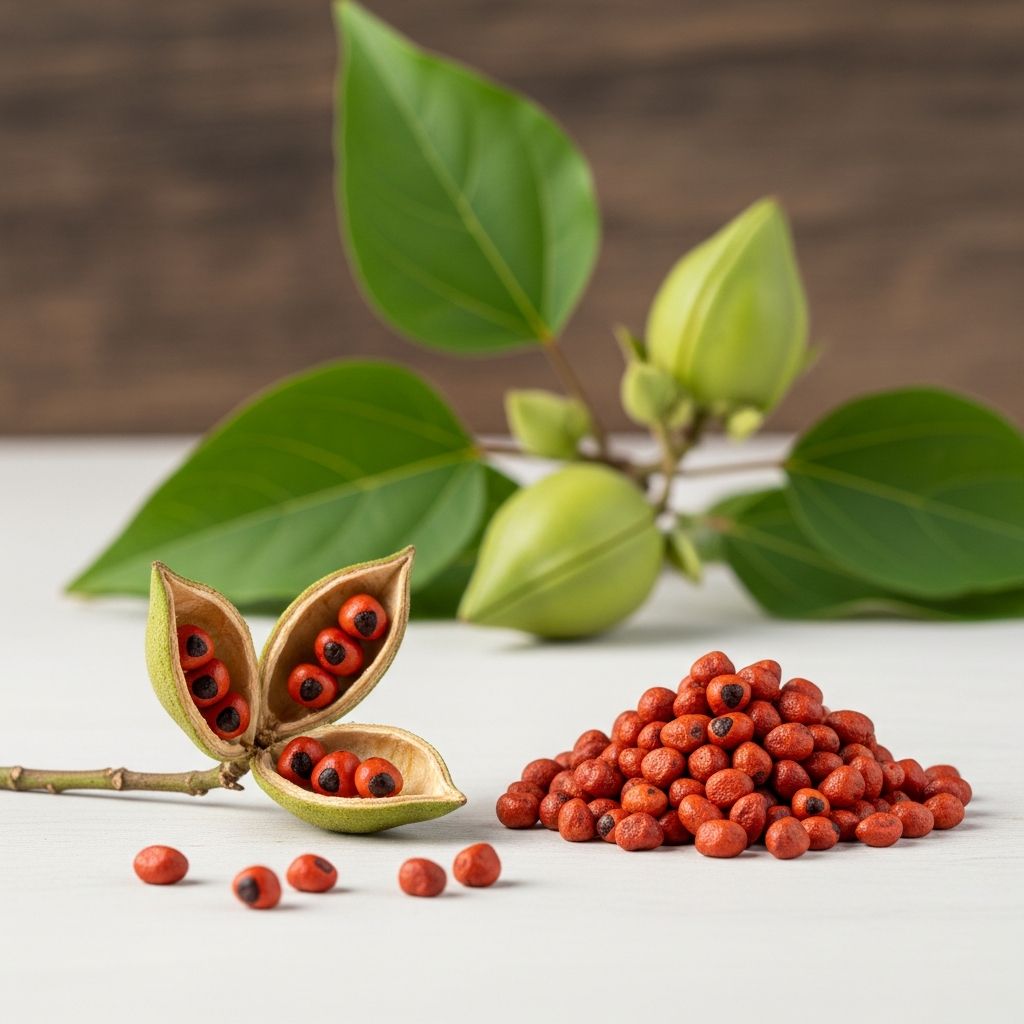
Annatto, derived from the seeds of the Bixa orellana tree, is a vibrant natural food coloring agent with a rich history and emerging health benefits. Used for centuries in traditional medicine and cuisine, annatto provides antioxidants like tocotrienols and carotenoids that may support heart health, reduce inflammation, protect eyes, and more. This article explores its nutritional profile, potential benefits, uses, and safety considerations based on available research.
What Is Annatto?
Annatto is a reddish-orange pigment extracted from the outer layer of seeds from the achiote tree, native to tropical regions of Central and South America. Known as achiote or roucou, it has been used for over 2,000 years by indigenous peoples for coloring food, textiles, and even body paint. Today, it’s one of the most common natural food colorants, approved by the FDA as safe (GRAS status), imparting hues from yellow to deep orange in products like cheese, butter, snacks, and cosmetics.
The key compounds in annatto include bixin (oil-soluble carotenoid responsible for color) and norbixin (water-soluble form), alongside tocotrienols—a rare form of vitamin E. These contribute to its antioxidant prowess. Annatto seeds also contain flavonoids, terpenoids, iron, and calcium, making it more than just a dye.
Annatto Nutrition Facts
Annatto is nutrient-dense despite its primary role as a colorant. A typical serving (about 1 teaspoon of ground seeds) provides:
- Antioxidants: High in tocotrienols (up to 90% pure delta-tocotrienol in extracts), carotenoids (bixin, norbixin), flavonoids, and terpenoids that combat oxidative stress.
- Vitamins: Rich in vitamin E forms, with low tocopherols, offering superior bioavailability compared to common sources.
- Minerals: Notable iron and calcium content supporting blood health and bones.
- Calories: Low, around 10-20 kcal per serving, with minimal carbs, fats, or protein.
These nutrients position annatto as a functional food ingredient beyond aesthetics.
Potential Health Benefits of Annatto
Powerful Antioxidant Properties
Annatto’s standout feature is its potent antioxidant capacity. Tocotrienols neutralize free radicals, reducing oxidative damage linked to aging, cancer, diabetes, and heart disease. Carotenoids and flavonoids further enhance this, protecting DNA and cells. Studies show annatto extracts outperform common antioxidants in scavenging reactive oxygen species (ROS).
In one analysis, annatto-derived vitamin E showed superior protection against lipid peroxidation compared to alpha-tocopherol. This makes it promising for chronic disease prevention.
May Fight Cancer
Preliminary research highlights annatto’s anticancer potential. Test-tube studies demonstrate that extracts inhibit growth and induce apoptosis in prostate, pancreatic, ovarian, liver, and skin cancer cells. Carotenoids like bixin and norbixin, plus delta-tocotrienol, disrupt cancer pathways, including cell proliferation and inflammation.
While human trials are limited, animal models suggest reduced tumor growth. Large-scale clinical studies are needed to confirm efficacy.
Supports Heart Health
Tocotrienols in annatto may protect against cardiovascular issues. They improve endothelial function, reduce arterial plaque, lower cholesterol oxidation, and decrease inflammation—key factors in atherosclerosis. Preclinical data links annatto to lower oxidative stress in heart tissues.
A study on tocotrienols showed reduced risk of age-related heart conditions by modulating lipid profiles and blood pressure.
Boosts Eye Health
Carotenoids like norbixin protect retinal cells from oxidative damage, potentially preventing age-related macular degeneration (AMD) and cataracts. In vitro and animal studies confirm norbixin safeguards pigmented epithelium and reduces AMD-related compounds. Vitamin E supports overall ocular metabolism.
Related Stories



Antimicrobial Effects
Annatto exhibits antibacterial and antifungal activity against pathogens like Staphylococcus aureus, Bacillus cereus, Clostridium perfringens, and E. coli. Flavonoids disrupt microbial membranes, offering natural preservation for foods and potential gut health benefits.
Reduces Inflammation
Chronic inflammation underlies diabetes, osteoporosis, and autoimmunity. Annatto lowers pro-inflammatory cytokines (TNF-α, IL-6) and ROS via tocotrienols, inhibiting inflammasomes. Test-tube studies confirm reduced markers of inflammation.
Aids Muscle Recovery
Blends of annatto and ginger improved muscle soreness and recovery in young men post-exercise, thanks to anti-inflammatory and antioxidant effects. This suggests benefits for athletes.
Promotes Bone Health
In postmenopausal women, tocotrienols enhance bone formation and reduce resorption, countering osteoporosis. Emerging research supports higher bone density with supplementation.
How to Use Annatto
Annatto is versatile:
- Culinary: Seeds, powder, or oil for rice, stews, cheeses (e.g., Cheddar), snacks. Soak seeds in oil for color/flavor.
- Supplements: Tocotrienol extracts (50-200 mg/day) for health benefits.
- Topical: Pastes for skin healing, wound care, or as natural dye.
- Dosage: Up to 10 mg/kg body weight daily is safe per regulatory bodies.
Annatto Side Effects and Precautions
Generally safe, rare side effects include allergic reactions (hives, swelling) in sensitive individuals, mostly from color additives. High doses may cause irritability or sleep issues. Avoid if pregnant/breastfeeding without medical advice. No major drug interactions noted, but consult professionals.
A 2021 study found annatto powder enhanced meat product stability without toxicity.
Bottom Line
Annatto transcends its role as a food dye, offering antioxidants, anti-inflammatory, antimicrobial, and organ-protective benefits. While promising, most evidence is preclinical—human trials are essential. Incorporate via diet for potential wellness gains safely.
Frequently Asked Questions (FAQs)
Is annatto good or bad for you?
Annatto is generally good and safe as a natural additive with antioxidant benefits. Rare allergies occur.
Does annatto contain vitamins or minerals?
Yes, rich in tocotrienols (vitamin E), iron, and calcium.
What are the main benefits of annatto?
Antioxidant protection, heart/eye health, anti-inflammation, antimicrobial action.
How is annatto extracted?
From seeds via solvents or water for bixin/norbixin.
Can annatto help with exercise recovery?
Yes, combined with ginger, it reduces soreness per trials.
References
- What Is Annatto? Uses, Medicinal and Health Benefits — Wellness Extract. 2023. https://wellnessextract.com/blogs/wellness/what-is-annatto
- What Is Annatto? Uses, Benefits, and Side Effects — Healthline (Ryan Raman, MS, RD). 2019-09-10. https://www.healthline.com/nutrition/annatto
- US Food Dye Ban: Discover Health Benefits Of All-Natural Annatto — HealthandMe. 2023. https://www.healthandme.com/nutrition/us-food-dye-ben-discover-health-benefits-of-all-natural-annatto-article-151189410
- Effects of Annatto (Bixa orellana L.) Seeds Powder on… — PMC (Peer-reviewed). 2016. https://pmc.ncbi.nlm.nih.gov/articles/PMC5018507/
- Annatto: A Natural Color Solution — Nelson-Jameson. 2023. https://ww2.nelsonjameson.com/blog/annatto-a-natural-color-solution
Similar Articles








Read full bio of medha deb